So, 2026 is just around the corner, and it looks like the world of biotechnology is gearing up for some big changes. We’ve been seeing a lot of new ideas and technologies pop up, and it’s starting to feel like things are really going to take off. This whole biotechnology outlook for the coming year seems pretty exciting, with a lot of potential for growth and new discoveries. Let’s take a look at what experts are saying will be important.
Key Takeaways
- Synthetic biology is set to become a major part of the economy, with new ways to engineer life for everything from medicine to materials. We’re talking about making things like biofuels, better crops, and even new kinds of plastics.
- Money is flowing into biotech, with venture capital and mergers and acquisitions picking up. Companies are getting funded, and bigger ones are buying smaller ones, which usually means new technologies are getting closer to being available to everyone.
- Making biological products is getting a major upgrade. Think better ways to grow things in labs, new kinds of cell-free production, and even using things like biofilms. This means we can make more stuff more efficiently.
- Several key trends are shaping the field, like editing genes right inside the body, using RNA for more than just vaccines, and combining all the ‘omics’ data with regenerative medicine to fix damaged tissues.
- Digital tools, especially AI and machine learning, are becoming super important. They’re speeding up how we find new drugs, making clinical trials smarter, and helping companies work together better using the cloud.
Synthetic Biology: A Cornerstone Of The Bioeconomy
Market Sizing And Growth Projections
The synthetic biology market is really taking off, and by 2026, it’s expected to be a major player. We’re talking about a sector that was already worth around $16-18 billion in 2024, and the growth projections are pretty wild. Most estimates put the compound annual growth rate somewhere between 20.6% and a whopping 28.63%. This surge isn’t happening in a vacuum; it’s fueled by a few key things. First off, making and reading DNA has gotten way cheaper, which means more people can actually get their hands on the tools to engineer biology. Plus, AI and machine learning are speeding up the design process for biological systems like never before. People are also demanding more bio-based products, and the push for personalized medicine is huge. All these factors are pushing the market forward at a breakneck pace.
Technological Innovations And Commercialization Timelines
When we look at the tech side, it’s clear that synthetic biology is moving beyond the lab and into real-world applications. The pharmaceutical and healthcare industries are leading the charge. Think about how synthetic biology is helping us discover new drugs, create personalized treatments, and develop advanced therapies like engineered cell treatments and novel vaccines. These aren’t just theoretical ideas anymore; they’re becoming actual products. We’re also seeing a lot of innovation in areas like biofuels, sustainable chemicals, and even new materials like biodegradable plastics and lab-grown leather alternatives. The timeline for these technologies to become mainstream varies, but the trend is undeniable: what was once science fiction is rapidly becoming commercial reality.
Addressing Global Challenges Through Programmable Biology
It’s not just about making money or creating new products; synthetic biology is also a powerful tool for tackling some of the world’s biggest problems. We’re looking at ways to use engineered organisms for things like cleaning up pollution (bioremediation), capturing carbon from the atmosphere, and producing sustainable energy sources like biofuels. In agriculture, it could mean developing crops that are more resistant to disease or require fewer resources.
The ability to program biological systems offers a unique pathway to create solutions that are inherently sustainable and can be tailored to specific environmental or health needs. This programmable nature is what makes synthetic biology so promising for the future.
From developing new ways to produce food to creating materials that don’t harm the planet, synthetic biology is becoming a go-to strategy for a more sustainable future. It’s a complex field, but the potential impact is enormous.
Investment Landscape And Market Forecasts
Venture Capital Flows And Public Market Performance
It looks like venture capital is starting to pick up again, which is good news. We saw fewer, but bigger, deals happening in recent years, mostly with companies that were already pretty far along. For the first nine months of 2025, biotech VC investment hit about $17.1 billion across 290 deals. That’s down from all of 2024, where it was $27.2 billion in 459 deals, and way less than the $44.4 billion in 776 deals back in 2021. So, while the money is flowing, it’s more concentrated. We’re hoping to see more early-stage funding in 2026 to help newer companies get off the ground. The public market, especially IPOs, has been a bit slow, with only 11 companies going public in 2025, less than half of the 24 in 2024. But if VC and M&A activity really heats up, that could give the IPO market a much-needed boost.
Strategic Acquisition Activity And M&A Opportunities
Big pharma companies have a lot of cash on hand, something like $1.4 trillion set aside for deals. Many smaller biotech firms, on the other hand, are running low on funds after their early investments dried up and investors became more cautious. This creates a prime opportunity for acquisitions. We’re seeing a lot of interest in companies with promising drug candidates that are already in Phase II trials, or even those with products already on the market. These are the kinds of assets that have been on buyers’ radar for a while, and now they’re starting to make moves. It’s an active time for mergers and acquisitions, and that trend is expected to continue.
Risk Assessment And Regulatory Considerations
When looking at investments, it’s not just about the science or the market potential. You’ve got to think about the hurdles too. Regulatory bodies are always a big factor, and their rules can change, impacting timelines and costs. For instance, getting new therapies approved involves a lot of steps and can be unpredictable. Then there’s the technology itself – how ready is it for the real world? Some innovations are still pretty experimental, while others are closer to being commercially viable. It’s a balancing act, weighing the potential rewards against the inherent risks and the complex regulatory pathways that lie ahead.
Here’s a quick look at some areas to watch:
- Technological Maturity: How far along is the core technology? Is it proven, or still in early development?
- Regulatory Pathways: What are the expected approval processes? Are there known challenges or precedents?
- Market Adoption: Once approved, how quickly will the market accept and use the new product or technology?
- Intellectual Property: Are there strong patent protections in place to secure market exclusivity?
- Reimbursement Landscape: How will payers (insurance, governments) cover the cost of new biotech products?
Advancements In Biomanufacturing And Production
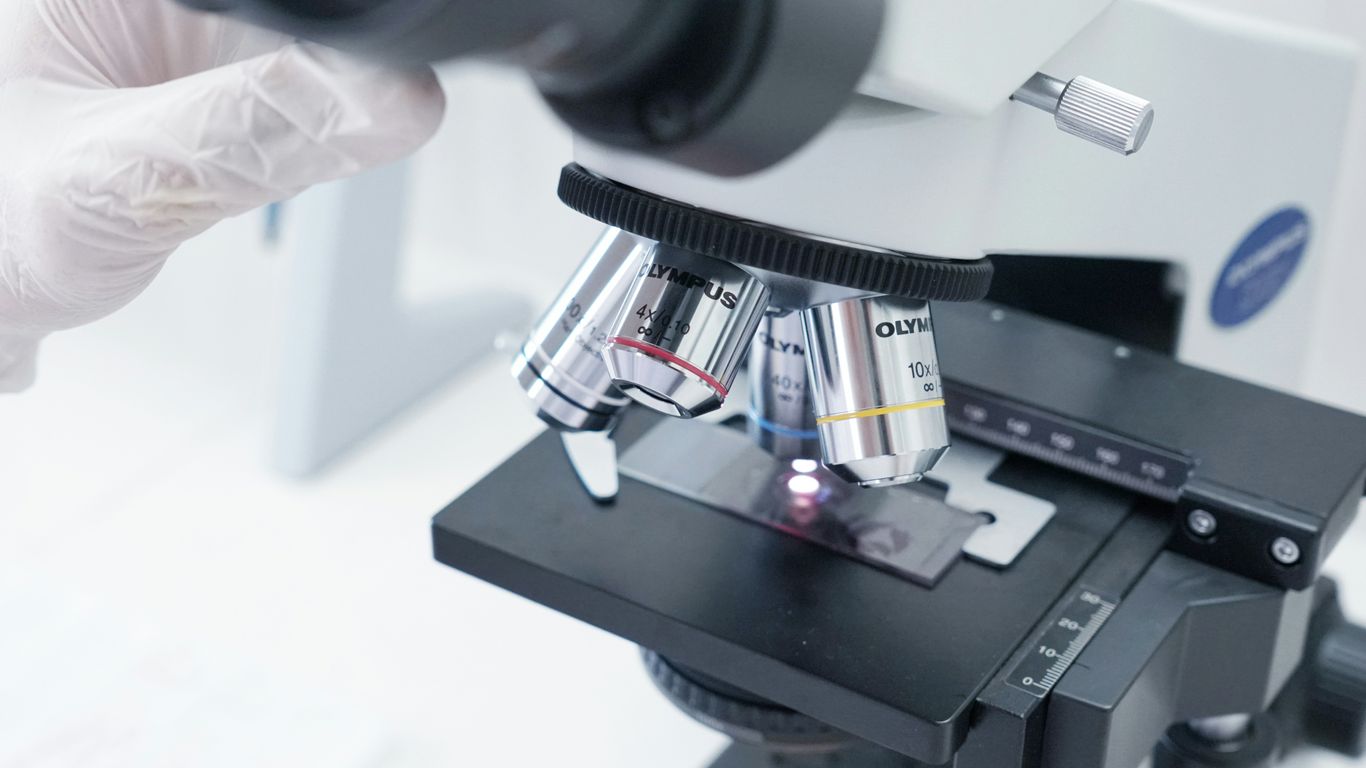
Biomanufacturing is really stepping up its game, moving beyond just making things to making them smarter and more efficiently. We’re seeing a big push to get more product out of less space and with fewer resources. This isn’t just about making more drugs or materials; it’s about making them in ways that are kinder to the planet and easier to scale up when demand spikes.
Bioprocessing Optimization And Scalability Challenges
Getting from a small lab sample to a massive production run is still a big hurdle for many biotech products. Think about it: what works perfectly in a tiny flask might behave totally differently in a giant tank. Companies are working on ways to make these transitions smoother. This involves better monitoring systems that can track what’s happening in real-time and making sure the conditions stay just right, no matter the size of the vessel. It’s a complex puzzle, balancing yield, purity, and cost.
- Continuous Bioprocessing: Moving away from traditional batch methods to a more constant flow of production. This can lead to smaller equipment footprints and more consistent product quality.
- Process Analytical Technology (PAT): Using sensors and data analysis to monitor and control manufacturing processes as they happen, rather than just testing the end product.
- Modular Manufacturing: Building production facilities in smaller, adaptable units that can be scaled up or down more easily.
The push for more agile and efficient biomanufacturing is driven by the need to respond quickly to market demands and reduce the environmental impact of production. This means rethinking everything from the design of bioreactors to the way data is collected and used.
Innovations In Fermentation And Cell-Free Systems
Fermentation, the old reliable, is getting a serious upgrade. We’re talking about using microbes, like yeast or bacteria, to churn out complex molecules. But it’s not just about feeding them sugar water anymore. Scientists are engineering these tiny factories to be super-producers, tweaking their genetics to make them more robust and efficient. On the flip side, cell-free systems are gaining traction. These systems use the machinery of a cell, but without the actual cell wall. This can simplify production and purification, especially for delicate molecules that might be damaged inside a living cell.
- Engineered Microbes: Designing bacteria and yeast with specific genetic modifications to produce target compounds like proteins, enzymes, or biofuels.
- Optimized Media: Developing precise nutrient mixes to maximize growth and product output from microbial cultures.
- Cell-Free Synthesis: Utilizing cellular components (enzymes, ribosomes) outside of a living cell to create molecules, offering control and speed.
Emerging Production Technologies And Materials
Beyond traditional methods, new ways of making biological products are popping up. Think about using algae in photobioreactors to create biofuels or using specialized membranes to capture carbon. We’re also seeing a rise in bio-based materials, like biodegradable plastics made from plant sugars or even leather alternatives grown from fungi. These new technologies are not only creating novel products but also offering more sustainable alternatives to conventional manufacturing. The goal is to build a bioeconomy that relies less on fossil fuels and more on renewable biological resources.
- Algae Cultivation: Using algae in controlled environments to produce biofuels, chemicals, and even food ingredients.
- Mycelium Materials: Growing fungal networks into specific shapes to create sustainable packaging, textiles, and building materials.
- 3D Bioprinting: Layering biological materials, cells, and growth factors to create complex tissues and organs for research and potentially therapeutic use.
Key Biotechnology Trends Shaping 2026
Alright, let’s talk about what’s really making waves in biotech as we head into 2026. It feels like things are moving faster than ever, and a few big ideas are really starting to take hold, changing how we think about medicine and biology.
In Vivo Cell Engineering and Gene Editing
This is a pretty big deal. Instead of taking cells out of the body, fiddling with them in the lab, and then putting them back, scientists are figuring out how to do a lot of that work inside the body. Think about CAR-T therapies, which are used for certain cancers. The next step is making those immune cells do their job right where they are needed, without all the complex steps beforehand. It’s like upgrading your car’s engine while it’s still on the road, rather than taking it to the shop for a complete overhaul. Similarly, gene editing tools like CRISPR are getting more precise, aiming to fix genetic issues directly within a patient’s cells. This shift towards in vivo approaches promises simpler, more direct treatments for a range of conditions.
Expansion Of RNA Therapeutics And Extracellular Vesicles
We all heard a lot about mRNA vaccines, right? Well, that’s just the beginning for RNA. Researchers are exploring how RNA can be used for more than just vaccines – think about treating genetic diseases or even cancer. It’s a flexible tool that can be programmed to do different things. Then there are extracellular vesicles, which are like tiny natural delivery trucks your cells use to send messages to each other. Scientists are learning to harness these vesicles to deliver drugs or genetic material exactly where they need to go in the body. They’re small, but they have huge potential for targeted therapies.
The Omics Revolution And Regenerative Medicine
"Omics" – that’s genomics, proteomics, metabolomics, and all the other "omics" – is getting way more detailed. We’re moving beyond just looking at the average of a bunch of cells to understanding what’s happening at the single-cell level and even where those cells are located in tissue (that’s spatial omics). This gives us a much clearer picture of health and disease. This detailed understanding is feeding directly into regenerative medicine. By knowing exactly what’s going wrong at a cellular level, we can develop better ways to repair or replace damaged tissues, using things like stem cells or even engineered tissues. It’s all about getting more precise with how we fix the body.
The pace of discovery in biotechnology is accelerating, driven by our growing ability to read, write, and edit biological information with unprecedented precision. These advancements are not just theoretical; they are paving the way for tangible new treatments and diagnostic tools that could significantly impact human health in the coming years. The focus is shifting from broad interventions to highly personalized and targeted approaches, making medicine more effective and less invasive.
Digital Transformation In Biotechnology
The biotech world is really changing fast, and a big part of that is how we’re using computers and smart software. It’s not just about labs and pipettes anymore; it’s about data, algorithms, and making things work faster and smarter. By 2026, companies that don’t embrace these digital tools will likely fall behind.
Artificial Intelligence In Drug Discovery And Development
Think about finding new medicines. It used to take ages, right? Well, AI is changing that game. It can sift through mountains of biological information way faster than any human team. We’re talking about spotting potential drug candidates, figuring out how they might work, and even designing new molecules from scratch. This means less time and money spent on dead ends, and hopefully, new treatments reaching people sooner. It’s like having a super-smart assistant that never sleeps.
Cloud Computing For Enhanced Collaboration And Scalability
Running big research projects means dealing with huge amounts of data. Cloud computing is a lifesaver here. It lets teams share information easily, no matter where they are. Plus, it means companies can scale up their computing power when they need it for complex analyses, and then scale back down. This flexibility is key for keeping projects moving and for keeping all that sensitive data safe and sound.
Machine Learning For Predictive Modeling And Clinical Trials
Machine learning is another big player. It’s being used to predict all sorts of things, from how well a drug might work in people to who might be the best candidates for a clinical trial. This helps make trials more efficient and less likely to fail. Imagine being able to predict potential problems before they even happen – that’s what ML is starting to do for biotech. It’s all about making smarter decisions based on data.
The integration of digital tools isn’t just a nice-to-have anymore; it’s becoming a core part of how biotech operates. From the earliest stages of research to the final testing phases, these technologies are streamlining processes and opening up new possibilities for innovation. It’s a fundamental shift that’s reshaping the entire industry landscape.
Biopharma Outlook For A Resilient Sector
Market Recovery And Stock Performance
Things are looking up for the biopharma sector in 2026. After a rough patch, many of the big biotech stocks have started climbing back. Take the SPDR S&P Biotech ETF, for example. It really bounced back from its low point last spring, almost doubling by the end of the year. This comeback suggests a growing confidence in the industry’s ability to innovate and deliver.
Policy Impacts On Manufacturing And Pricing
Government policies are playing a noticeable role. There’s a push to bring biopharma manufacturing back to the U.S., which could mean more jobs and a more stable supply chain. On the pricing front, while there are still discussions, some policies are helping to keep drug costs in check for patients, often in exchange for companies getting more predictable market access. It’s a balancing act, for sure.
Continued Strong Clinical Data And Commercial Launches
At the heart of it all, strong scientific progress continues to drive the industry forward. Companies are reporting promising results from clinical trials, and new drugs are making their way to market. This steady stream of innovation is what really underpins the sector’s resilience.
Here’s a look at some key drivers:
- Pipeline Replenishment: Big pharma companies are actively acquiring smaller biotechs to fill gaps in their drug pipelines, especially as blockbuster drugs face patent expirations.
- Investment "Firepower": Major pharmaceutical companies have significant cash reserves set aside for deals, ready to invest in promising assets.
- Emerging Therapies: Advances in areas like gene editing and RNA therapeutics are opening up new treatment avenues and creating exciting commercial opportunities.
The biopharma industry is showing its strength by adapting to policy changes and focusing on scientific breakthroughs. While challenges remain, the sector’s ability to innovate and bring new treatments to patients points towards a positive trajectory for 2026 and beyond. The focus is shifting towards sustainable growth and addressing unmet medical needs.
Looking Ahead
So, what does all this mean as we wrap up our look at biotech in 2026? It’s pretty clear things are moving fast. We’re seeing a lot of new ideas pop up, especially with AI getting more involved in everything from finding new drugs to making research smoother. Plus, the money side seems to be picking up, with more deals happening and companies looking to invest. While there are still some hurdles, like figuring out rules and getting everyone on board with new tech, the overall picture is one of growth and change. It feels like biotech is really set to tackle some big problems, from health to how we make things, and that’s pretty exciting.