Navigating the Future: An In-Depth Electricity Price Forecast for 2026 and Beyond

A graph depicts decaying oscillations over time. A graph depicts decaying oscillations over time.

So, what’s the deal with electricity prices in 2026 and beyond? It feels like every year brings new twists and turns, right? We’ve seen prices go up and down, governments step in, and new technologies pop up. Trying to figure out what your electricity bill will look like next year can feel like a guessing game. This article dives into what’s really going on with the electricity price forecast, looking back at what happened and trying to make sense of what’s coming next. We’ll break down the big factors, look at different possibilities for prices, and talk about how you can get a handle on your own energy costs.

Key Takeaways

  • The electricity market in 2025 saw lower wholesale prices thanks to more nuclear power and cheaper gas, but taxes and grid fees went up, balancing things out for businesses.
  • For 2026, there are three main price outlooks: a possible drop, a period of stability, or a noticeable increase, depending on things like nuclear output, gas prices, and global events.
  • New charges like the Universal Nuclear Levy (VNU) and higher grid usage fees (TURPE) are coming, adding costs that businesses need to plan for.
  • It’s smart to think about renegotiating your electricity contract in late 2025 because suppliers might offer better deals before the year ends.
  • Data centers are using more power, and integrating more renewable energy sources are big factors that will influence future electricity demand and supply, potentially affecting prices.

Understanding the 2026 Electricity Price Forecast Landscape
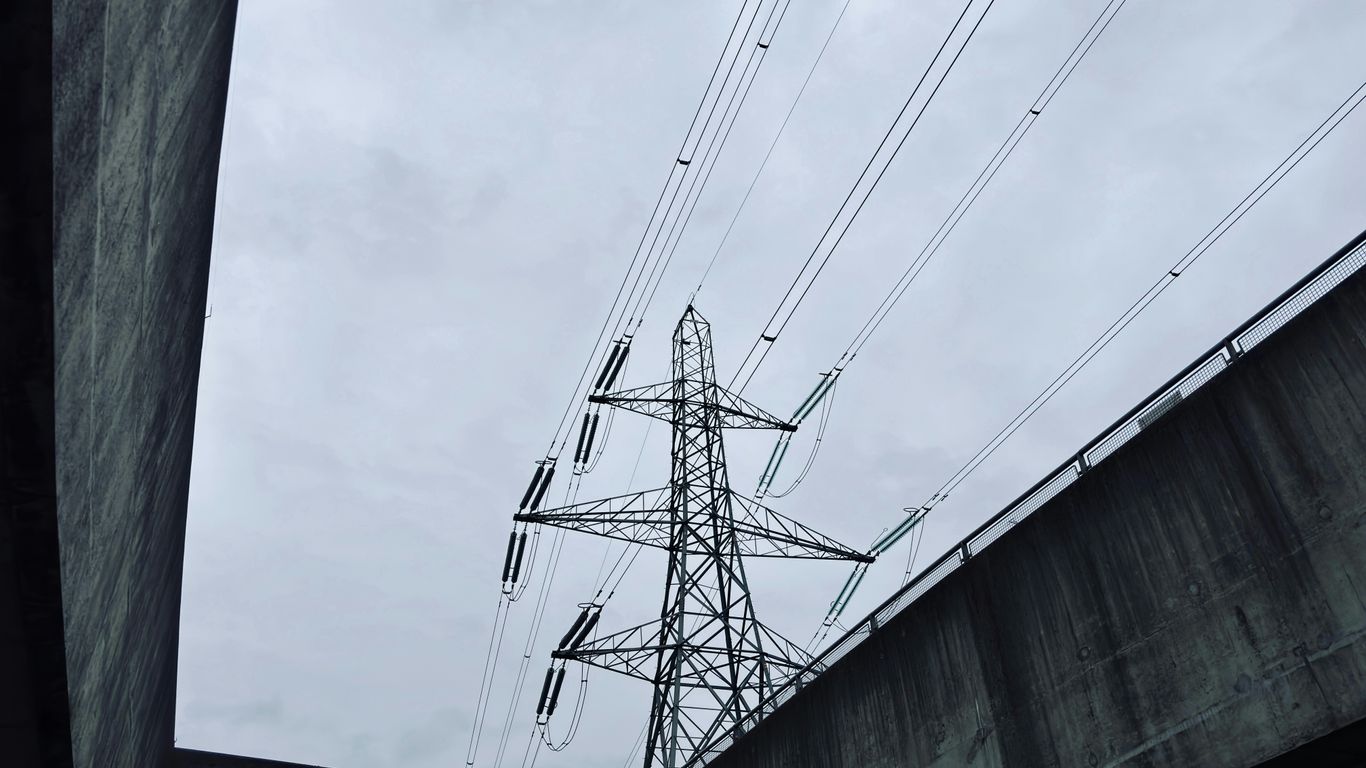
a high voltage power line on a cloudy day

Alright, let’s talk about where electricity prices might be headed in 2026. It’s a bit of a mixed bag, honestly. Looking back at 2025, things seemed to calm down a bit after the wild ride of the previous couple of years. Wholesale prices took a dip, which was nice. A big reason for that was the French nuclear power plants running much better – they were available almost 80% of the time, which really helped stabilize things. Plus, natural gas prices eased up, meaning those big gas-fired power plants didn’t cost as much to run. And, thankfully, the weather was pretty mild, so we didn’t have huge spikes in demand, and renewables got a good boost.

Advertisement

But here’s the thing: that calm might be a little deceptive. While spot prices were lower, forward prices for 2026 still show a good amount of uncertainty. It’s like the market is holding its breath.

A Look Back at 2025: Factors Influencing Price Trends

So, what exactly made 2025 different? Here’s a quick rundown:

  • Nuclear Power’s Comeback: The French nuclear fleet got back online, providing a steady stream of power.
  • Gas Market Chill: Natural gas prices cooled off, directly lowering the cost for power plants that rely on it.
  • Good Weather: Mild temperatures meant less demand for heating and more consistent output from wind and solar.

Even with these factors, the wholesale market wasn’t exactly smooth sailing. Volatility, while less extreme than before, was still a factor. We saw average spot prices around €61/MWh, down from €69/MWh in 2024, but the forward market for 2026 was already hinting at future price swings, with contracts ranging from about €67/MWh to €80/MWh.

Key Market Drivers Shaping Future Electricity Prices

Several big things are pushing and pulling electricity prices around. For businesses, especially small and medium-sized ones, understanding these is key to managing costs. We’re seeing a trend where non-commodity costs – things like grid charges and taxes – are starting to make up a much bigger chunk of the total bill, potentially reaching close to 60% by 2026. This is driven by things like expanding the grid and new charges related to nuclear power.

The Evolving Wholesale Electricity Market Dynamics

The wholesale market itself is changing. While prices dropped in 2025, this was partly due to specific events. Looking ahead, factors like the massive power needs of data centers are starting to put upward pressure on demand. At the same time, we’re trying to integrate more renewable energy, which is great, but it also brings challenges for grid capacity. The interplay between increasing demand from new technologies and the expansion of renewable sources is a major dynamic to watch. This is why predicting prices isn’t as simple as looking at past trends; the whole system is in flux.

Navigating Government Policies and Their Market Impact

Government policies can really shake things up in the electricity market, sometimes in ways we don’t expect. It’s not always straightforward, and what looks like a helpful change on paper can have some mixed results when it hits the real world.

The Ambivalent Effects of Regulatory Interventions

Regulators are always tweaking the rules, trying to keep the market fair and stable. But these changes can be a double-edged sword. For instance, reforms aimed at making the wholesale market more predictable, like the ongoing discussions around Reformed National Pricing (RNP), are moving at a snail’s pace. While some smaller adjustments to how the system balances might come sooner, the big overhauls are still years away. This slow progress leaves businesses and investors in a state of uncertainty, waiting for clear direction.

Analyzing the Impact of Grid Tariffs and Taxation

We’re also seeing new charges pop up that directly affect your bill. The Transmission Network Use of System (TNUoS) charges, for example, are set to change. The goal is to send clearer signals about where new energy infrastructure is needed, which sounds good. However, the transition period, expected to last until 2029, means these charges will be a hot topic. Balancing the need for clear investment signals with predictable costs for generators is a tricky act. On top of that, new taxes, like the Universal Nuclear Levy (VNU), are being introduced. This levy replaces older mechanisms and aims to manage revenues from nuclear power, with the idea of redistributing some of that money. The exact impact of these new levies and tariffs will depend heavily on how EDF’s revenues perform and how the redistribution is managed.

Government Support Schemes and Their Role

On the flip side, governments often roll out support schemes to help with energy costs and the transition to cleaner energy. These can come in various forms, such as direct aid for bill payments or financial help for investing in energy efficiency upgrades. While these programs can offer some relief, it’s important to understand their specific criteria and duration. They are often designed to encourage certain behaviors, like adopting new technologies or reducing consumption, and their effectiveness can vary.

Projected Electricity Price Scenarios for 2026

Looking ahead to 2026, the electricity market is poised for significant shifts. Several major changes are on the horizon, including the end of the ARENH mechanism, the introduction of the Universal Nuclear Levy (VNU), and the ongoing increase in Energy Savings Certificates (CEE). These factors, combined with market dynamics, lead us to consider three potential price trajectories for businesses.

Scenario One: The Unexpected Price Drop

This is the optimistic outlook, with a roughly 30% chance of happening. It hinges on a perfect storm of good news: strong nuclear power output, stable natural gas and CO2 prices, and mild weather. If all these align, we could see average spot prices dip to between €55 and €60 per megawatt-hour. For a typical small or medium-sized business using 100 MWh annually, this could mean savings of €600 to €1,200 compared to 2025. However, this scenario relies heavily on global stability and the VNU not being triggered, which are big ‘ifs’.

Scenario Two: A Period of Relative Stability

This is the most likely scenario, with about a 50% probability. Here, the market finds a new balance. Nuclear revenues are expected to stay below the VNU trigger point, keeping spot prices in the €65 to €70 per MWh range. Increases in grid fees and CEE costs are expected to be manageable. For that same 100 MWh business, the impact would be minimal, with bills staying roughly the same, perhaps varying by €300 up or down. Still, there’s a warning that if market conditions get tighter, the VNU could still push prices up by around €15/MWh.

Scenario Three: The Potential for a Price Surge

This is the scenario we all want to avoid, with about a 20% chance. It’s triggered by a mix of bad luck: geopolitical issues, a harsh winter, unexpected nuclear plant downtime, and a doubling of CEE obligations. In this case, spot prices could jump significantly, reaching €85 to €100 per MWh. This would mean a substantial increase in costs for businesses, making energy budgeting much more challenging.

Here’s a quick look at how these scenarios might affect a business using 100 MWh annually:

Scenario Probability Estimated Spot Price (€/MWh) Annual Bill Change (approx.)
Unexpected Price Drop 30% €55 – €60 -€600 to -€1,200
Relative Stability 50% €65 – €70 -€300 to +€500
Potential Price Surge 20% €85 – €100 Significant Increase

Decoding New Market Mechanisms and Their Costs

Alright, so 2026 is bringing some new stuff to the table when it comes to how we pay for electricity. It’s not just about the price per kilowatt-hour anymore; there are these new charges and mechanisms that can really add up. Understanding them is key if you don’t want to get hit with surprise costs.

The Universal Nuclear Levy: A New Financial Obligation

This is a pretty big change. Starting January 1, 2026, the old ARENH system is out. Basically, EDF won’t be forced to sell its nuclear power at a set low price anymore. They’ll sell it at market rates. To keep prices from going wild, the government is putting a tax on EDF’s earnings. The money from this tax is supposed to be given back to consumers. However, the exact impact on your bill depends on a few things, like whether EDF’s revenues hit certain levels. If they don’t hit those trigger points, this levy might not even show up on your bill, meaning you’re on your own to manage costs.

Understanding Increased Grid Usage Charges (TURPE)

Think of TURPE as the cost of using the electricity highways and byways – the grid itself. These charges are going up. It’s part of the ongoing investment needed to keep the grid running and, importantly, to handle all the new renewable energy coming online. These aren’t small amounts either; they can add a noticeable chunk to your overall electricity expenses. For a typical small to medium business using around 100 MWh a year, you could be looking at an extra €300 to €500 annually just from these grid charges.

The Hidden Costs of Energy Transition Initiatives (CEE)

These are often called "CEE" or "Certificats d’Économies d’Énergie." Essentially, it’s a way to fund energy efficiency projects. Suppliers have targets to meet, and if they don’t, they have to buy these certificates. This cost gets passed down to you, the customer. It’s meant to encourage saving energy, which is good, but it does mean an extra expense. For businesses, especially, these costs can add up, potentially a few thousand euros more per year depending on your size and consumption. It’s a direct cost of trying to make our energy system greener.

Strategic Approaches to Managing Electricity Costs

Okay, so the electricity market is looking a bit wild, right? With prices doing their own thing and new charges popping up, it’s easy to feel a bit overwhelmed. But honestly, sitting back and hoping for the best isn’t really a plan. We need to get smart about how we handle our electricity bills. The cheapest energy is the energy you don’t use, plain and simple.

The Importance of Timely Contract Renegotiation

Think of your electricity contract like a lease on your apartment. You wouldn’t wait until the last minute to figure out your next move, would you? The same goes for your energy contract. The period between October and December 2025 is a really good time to start looking at new deals. Suppliers are often more willing to offer better rates when they’re trying to lock in customers for the next few years, especially with all the market changes happening. It’s the perfect window to shop around and compare what different companies are offering. Don’t just take the first offer you get; really look at the price per kilowatt-hour, what’s included, and any extra services.

Choosing Between Fixed and Indexed Pricing Strategies

This is a big one. Do you go for a fixed price, where you know exactly what you’ll pay per unit of electricity, or an indexed price, which follows the ups and downs of the market? It really depends on your business and how much risk you’re comfortable with.

  • Fixed Price: This gives you a predictable bill, which is great for budgeting. You’re protected if prices suddenly shoot up. The downside? You won’t benefit if the market prices drop, and these contracts can sometimes be a bit more expensive upfront.
  • Indexed Price: This means your price is tied to the wholesale market. If prices fall, you could save money. But, if they spike, your bill will too. This option requires you to be more on top of market movements and have a bit more flexibility with your cash flow.
  • Hybrid Contracts: Some suppliers offer a mix, giving you some flexibility with an option to fix prices later. This can be a good middle ground, but it often means you need to actively monitor the market.

Leveraging Group Purchasing and Power Purchase Agreements

Sometimes, there’s real power in numbers. Joining a buying group, maybe through your local chamber of commerce or industry association, lets you pool your energy needs with others. This increased volume can get you access to better rates, the kind usually reserved for much larger companies. For bigger energy users, especially those consuming over 1 GWh per year, Power Purchase Agreements (PPAs) are worth looking into. These are direct contracts with renewable energy producers, offering long-term price stability and guaranteed green electricity, often separate from the main market price fluctuations.

Factors Driving Future Electricity Demand and Supply

The Growing Influence of Data Centers on Demand

Okay, so let’s talk about what’s really pushing up how much electricity we need. It’s not just your average household using a bit more power. We’re seeing a massive surge in demand, and a big chunk of that is coming from data centers. These places, where all our digital information lives and gets processed, are getting bigger and more numerous. Think about everything from streaming movies to cloud computing – it all needs serious power. This trend is a major reason why electricity demand has been climbing steadily since 2020, a big change from the slow growth we saw for years before that.

Renewable Energy Integration and Grid Capacity Challenges

Now, on the supply side, we’re trying to bring more clean energy online, which is great. But here’s the rub: our current electricity grid wasn’t really built for this. We’re seeing wind farms told to cut back production because the grid can’t handle all the power being generated, especially when it’s windy. This is called curtailment, and it’s a real problem. Until we upgrade the grid to move electricity from where it’s made to where it’s needed, we’re going to keep running into these bottlenecks. This can also mean that battery storage systems make different amounts of money depending on where they are, like in England versus Scotland, because of these grid limitations.

The Role of AI in Enhancing Grid Efficiency

So, with all these challenges, what’s the upside? Artificial intelligence (AI) is starting to play a bigger role. Utilities are looking at AI not just as a nice-to-have, but as a real tool to manage everything. It can help predict demand better, figure out where the grid might have problems, and even help plan out new infrastructure. Basically, AI can make the whole system run more smoothly and efficiently, which is exactly what we need as demand keeps going up and we try to bring more renewable energy online. It’s about making smarter use of what we have and planning for the future more effectively.

Looking Ahead: What 2026 Means for Your Electricity Costs

So, what’s the takeaway from all this? 2026 is shaping up to be a year where being smart about your electricity contract really matters. We’ve seen prices dip and rise, and government actions have had mixed results. It’s clear that just hoping for the best isn’t a plan. Whether it’s locking in a good rate now, understanding the different price options, or even teaming up with others, taking action is key. The energy market isn’t going to get simpler overnight, but by staying informed and making strategic choices, businesses can better manage their expenses and stay competitive. It’s about being prepared for whatever the market throws our way.

A graph depicts decaying oscillations over time. A graph depicts decaying oscillations over time.

Okay, so the electricity market is getting pretty wild, right? Prices are all over the place, and figuring out what’s going to happen next feels like a guessing game sometimes. With all the new green energy coming online and big tech gobbling up power, predicting electricity prices for 2026 and beyond is more important, and more complicated, than ever. We’re going to break down what’s driving these changes and what it all means for your electricity bill.

Key Takeaways

  • Non-commodity costs, like network charges, are becoming a bigger chunk of business electricity bills, pushing governments to think about intervention.
  • Renewable energy goals are pushing for more clean power, but sometimes this leads to way more electricity than we need, causing prices to drop, even below zero.
  • Big energy users like data centers are increasing demand, which can push wholesale electricity prices up, especially in the short term.
  • The grid itself is a bottleneck; not enough wires to move power means prices can be very different in different areas, and this is a growing problem.
  • Forecasting electricity prices is changing from just predicting numbers to understanding market behavior, using smarter tech like AI, and planning for a more unpredictable future.

The Evolving Electricity Price Forecast Landscape

Navigating Increased Market Complexity

The way we look at electricity prices is changing, and fast. It’s not just about guessing what the price will be tomorrow anymore. Think of it more like trying to figure out a really complicated puzzle where the pieces keep changing shape. We’ve got more wind and solar power coming online than ever before, which is great for the planet, but it also means prices can swing wildly. Sometimes, when there’s loads of sun and wind, prices can actually go negative. Yep, you read that right. This happened in about 6% of hours in 2025 across places like Germany and Spain, up from just a few percent the year before. It’s a sign that we’re getting good at making clean energy, but it also means we need to get smarter about how we use and store it.

  • Negative prices are becoming more common. This happens when supply outstrips demand, especially with lots of renewable energy generation.
  • Volatility is the new normal. Expect bigger price swings, both up and down, depending on weather and system conditions.
  • Forecasting needs to be more than just a number. It’s about understanding why prices move and what that means for our decisions.

From Price Prediction to Strategic Decision-Making

Because of all this complexity, just predicting a price isn’t enough. Companies are starting to use these forecasts to make bigger, smarter choices about their investments and how they trade. It’s like going from just knowing the weather forecast to actually planning your whole week around it. For example, knowing when those negative price periods might happen helps businesses decide when to run their equipment or charge their batteries. It’s about turning raw price data into actual business strategy. This shift means that the people doing the forecasting need to understand not just the numbers, but also how the market actually works and how different players behave.

Advertisement

The Growing Influence of Renewable Energy

It’s pretty obvious that renewable energy is a huge deal now. Solar and wind power are growing like crazy, and that’s changing everything about electricity prices. When the sun is shining and the wind is blowing, we get a lot of cheap electricity. This is fantastic for cutting carbon emissions, but it also leads to those periods of oversupply we talked about. The real challenge now is figuring out how to manage this abundance and make sure the grid stays stable and reliable. We’re seeing more and more focus on things like battery storage and demand-side response – basically, finding ways to use electricity when it’s cheap and plentiful, and saving it for when it’s not. This means the future of electricity prices is tied directly to how well we can integrate these variable renewable sources into the system.

Key Drivers Shaping Future Electricity Prices

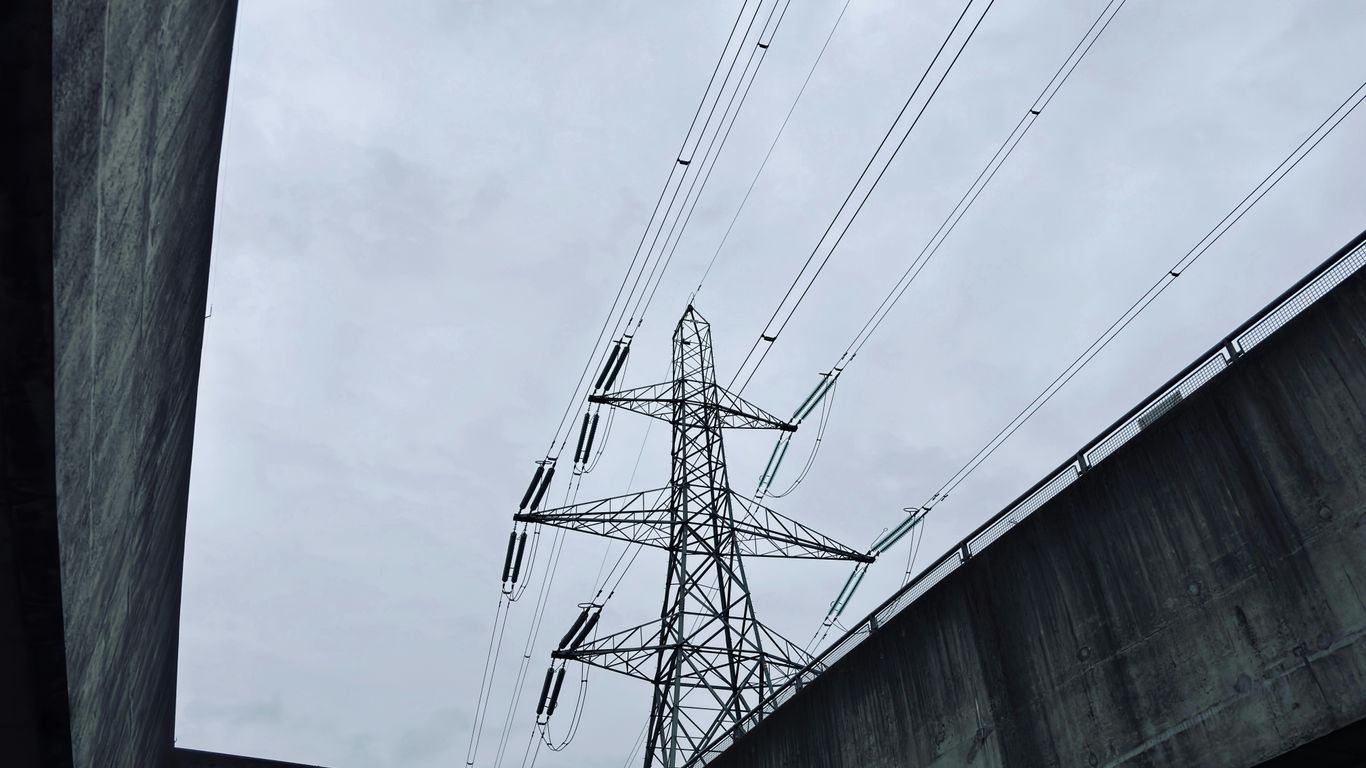
a high voltage power line on a cloudy day

So, what’s really going to move the needle on electricity prices as we get further into 2026 and beyond? It’s not just one thing, but a mix of factors that are making the market a bit more complicated than it used to be. Think of it like trying to predict the weather – lots of moving parts!

The Impact of Non-Commodity Costs on Bills

This is a big one, especially for businesses. We’re talking about the charges that aren’t directly tied to the price of electricity itself, like transmission and distribution costs. By 2026, these "non-commodity" costs are expected to make up a hefty chunk, maybe even close to 60%, of a typical business electricity bill. Why the jump? Well, there are investments happening in the grid, new charges related to things like nuclear power infrastructure, and some existing support schemes for energy-hungry industries are widening. Even if the price of gas (a big factor in electricity generation) comes down, these other costs are still climbing. This is putting pressure on the government to step in again with measures to try and keep bills from getting too out of hand, especially for those not already getting help.

Renewable Energy Targets and Contract for Difference

Governments are pushing hard for more renewable energy, which is great for the environment. A main way they’re doing this is through schemes like the Contract for Difference (CfD). It’s basically a way to guarantee a certain price for renewable energy producers. However, if the upcoming rounds of this scheme, like AR7, don’t secure enough new renewable projects, we might fall short of our clean energy goals for 2030. This could mean we don’t get as much new, cheaper renewable power coming online as we hoped, which could keep overall prices higher than they might otherwise be. It’s a balancing act between setting ambitious targets and actually getting the projects built and connected.

Data Center Demand and Wholesale Price Increases

There’s a massive surge in demand for electricity from data centers, thanks to things like artificial intelligence and cloud computing. These facilities are huge energy consumers. As their numbers and power needs grow, they’re putting extra strain on the electricity grid and increasing demand in the wholesale market. This increased demand, especially when combined with other factors like grid limitations, can push wholesale electricity prices up. It’s a bit of a double-edged sword: the tech driving innovation also needs a lot of power, and that power comes at a cost that gets passed through the system.

Forecasting Methodologies in a Dynamic Market

The way we predict electricity prices is changing, and fast. Gone are the days of just plugging numbers into a basic model and hoping for the best. The energy market is way more complicated now, with renewables popping up everywhere and prices doing wild swings. So, how do we even begin to guess what prices will look like in 2026 and beyond?

Scalable Data Platforms and Modular Modelling

Think of it like building with LEGOs, but for data. We’re moving towards systems that can handle huge amounts of information without crashing. These platforms let us build and test different forecasting models, kind of like swapping out different LEGO bricks to see what works best. This means we can get new models up and running quicker and make them fit specific needs. It’s not just about having a lot of data; it’s about being able to use it efficiently and adapt as the market shifts. We’re seeing more standardized ways to get data flowing into these models, which makes everything smoother and allows for faster deployment of updated forecasts. This modular approach means we can tweak one part of the system without messing up the whole thing.

Integrating Market Behavior and Volatility

Predicting prices isn’t just about weather or fuel costs anymore. We have to factor in how actual people and companies are trading, what their strategies are, and how they react to sudden price changes. This means looking at things like how much storage is being used, or when big industrial users decide to dial back their consumption. Understanding these real-world market dynamics is becoming just as important as the raw data itself. Volatility, those sharp ups and downs in price, isn’t a temporary glitch anymore; it’s a regular feature of the market. So, our models need to be built to expect and even predict these swings, not just smooth them over. We’re talking about stress-testing models against different market scenarios, like sudden policy changes or unexpected demand spikes, to see how they hold up.

The Role of Artificial Intelligence in Forecasting

AI is a big deal in this space. It can sift through massive datasets way faster than humans and spot patterns we might miss. But here’s the thing: AI models can sometimes be like a ‘black box’ – they give you an answer, but it’s not always clear how they got there. That’s a problem when you need to explain your forecasts to regulators or your own management. So, the focus is shifting towards making AI models more transparent. We want to use AI to scale up our forecasting capabilities and speed up analysis, but without losing the basic logic that drives market prices. It’s about finding that sweet spot where AI helps us be more accurate and efficient, but we still understand why the forecast is what it is. This allows us to build more explainable AI pipelines that stakeholders can trust.

Regional Variations and Grid Constraints

It’s not all the same across the country when it comes to electricity prices, and by 2026, these differences are likely to become even more noticeable. Think of the grid like a highway system for electricity. If there are too many cars (electricity) trying to use a road that isn’t big enough, you get traffic jams. These ‘grid bottlenecks’ are a big deal, especially as we add more renewable energy sources like wind and solar.

Grid Bottlenecks and Regional Market Divides

We’re already seeing this play out. In places where a lot of renewable energy is being generated, but the transmission lines can’t handle all that power, we get ‘curtailment.’ That’s when wind farms, for example, are told to stop producing electricity because it can’t be moved where it’s needed. This happened a lot in 2025, and it’s not great for anyone. Because of these issues, we’re seeing different price outcomes in different areas. For instance, battery storage systems in Scotland might make different amounts of money compared to those in England, partly because of where new wind farms are connecting and whether the grid upgrades are keeping pace. With more wind power expected to come online, especially in Scotland, and not many major transmission upgrades planned for 2026, these regional price differences are probably going to get wider.

Transmission Network Use of System Reforms

There’s a lot of talk about changing how we pay for using the transmission network, often called ‘Use of System’ charges. The idea is to make these charges fairer and encourage better use of the grid. However, these reforms are complicated and take time. While some smaller changes might happen, like tweaks to how the system is balanced or how congestion is managed, the big overhauls are still a long way off. This slow progress means that investors and developers are still waiting for clear signals about how the market will work long-term, which can affect where and when new projects get built.

Cross-Border Flows and Congestion Patterns

Electricity doesn’t just stay within one country’s borders; it flows between different regions and even different countries. When these cross-border connections get busy, or when there’s congestion on the lines, it can affect prices. Imagine a busy bridge – sometimes you have to wait, and that delay has an impact. Similarly, if electricity can’t easily flow from where it’s cheap to where it’s needed, prices can go up in the areas that are short. Understanding these flow patterns and where congestion is likely to happen is becoming more important for predicting prices and managing the grid effectively. It’s all part of the puzzle of making sure we have enough power, where and when we need it, without breaking the bank.

The Rise of Negative Pricing and Flexibility

Understanding Negative Price Signals

So, what’s the deal with negative electricity prices? It sounds weird, right? Basically, it happens when there’s just too much power on the grid, especially from renewable sources like wind and solar, and not enough demand to soak it all up. Think of it like a store having way too much of one item – they might pay you to take it off their hands. In 2025, we saw this happening more often, with some countries like France, Germany, the Netherlands, and Spain experiencing negative prices for about 6% of the hours. That’s up from around 3-5% the year before. It’s not just a little blip anymore; it’s becoming a regular thing in areas with lots of green energy. This means the market is getting more complex, and just predicting average prices isn’t enough. We need to know when these low or even negative price periods will hit and how long they’ll last.

The Importance of System Flexibility

This whole negative pricing thing really highlights how important flexibility is becoming. When you have a lot of renewable energy, which can be unpredictable, you need ways to balance the grid. That’s where flexibility comes in. It means having the ability to ramp up or down electricity use or generation quickly. This could be from things like battery storage systems, or even large industrial users adjusting their demand. The real value in the electricity market is shifting from just generating power to managing it smartly. With more renewables, we’re seeing more hours of oversupply, but also times when demand is high and clean energy is low, which can still cause prices to spike. Being flexible helps smooth out these ups and downs.

Adapting Trading Strategies to Oversupply

For anyone involved in trading electricity, these changes mean a big shake-up. You can’t just look at historical price trends anymore. You need to think about when those negative price periods might occur, how long they’ll stick around, and how quickly prices might bounce back. It’s about understanding the market’s behavior, not just its average price. This might mean changing how you hedge your positions or when you decide to buy or sell power. For example, if you know there’s a high chance of negative prices, you might adjust your trading schedule to avoid being caught out. It’s a move from simple price prediction to more strategic decision-making, trying to make money even when the market is sending weird signals.

Policy and Regulatory Influences on Electricity Prices

Governments and regulatory bodies are constantly tweaking the rules of the game for electricity, and this definitely impacts what we all pay. It’s not just about the raw cost of generating power anymore; there are layers of policy decisions that filter down to our bills.

Government Intervention in Energy Affordability

When energy prices start to climb, governments often step in to try and cushion the blow for consumers. This can take many forms, from direct subsidies to price caps. For instance, some countries might offer financial aid to households struggling with high heating bills during winter. These interventions, while aiming for immediate relief, can sometimes distort market signals and affect long-term investment decisions. It’s a balancing act, trying to keep energy affordable without discouraging the development of new, cleaner power sources.

Market Design Debates and Price Formation Rules

The way electricity markets are structured is a hot topic. There’s ongoing discussion about how prices should actually be set. Should it be a pure supply-and-demand free-for-all, or should there be more controls? Some countries are pushing back against major changes to market rules, worried that tinkering too much could create more uncertainty and make investors nervous. The argument often boils down to whether the price issues are due to market design or simply the cost of imported fuels. The consensus seems to be leaning towards faster renewable energy adoption and encouraging people to use more power when it’s cheap and plentiful.

Shifting Subsidies and Evolving Market Maturity

As renewable energy sources like solar and wind become more common and cheaper, the support systems around them are changing. We’re seeing a move away from broad deployment subsidies towards more targeted support. For example, some places are phasing out support for small rooftop solar installations because the market for them is now quite mature. This shift reflects a growing focus on how these technologies integrate into the wider grid and their overall cost-effectiveness, rather than just getting more of them installed. It’s a sign that the market is growing up, and policies need to adapt accordingly.

Looking Ahead: What’s Next for Electricity Prices?

So, what does all this mean for electricity prices down the road? It’s clear things aren’t going back to how they were. We’re seeing more ups and downs, with prices sometimes dropping really low, even going negative, especially when there’s a lot of renewable energy being produced. But then, other times, things like gas prices or grid issues can make them jump up fast. It feels like this constant back-and-forth is just how the market is going to work now. The big takeaway is that just predicting a single price isn’t enough anymore. We need to think about how to handle this changing market, be smart about using energy when it’s cheap, and figure out how to make money when things get tricky. It’s going to take more planning and a better grasp of all the moving parts.

Keep Up to Date with the Most Important News

By pressing the Subscribe button, you confirm that you have read and are agreeing to our Privacy Policy and Terms of Use
Advertisement

Pin It on Pinterest

Share This