
Starting a music startup in 2026 means you’re jumping into a busy scene. People expect a lot from music apps these days, kind of like how they expect a new phone to just work perfectly. You need to think about how people will find music, how they’ll listen without annoying interruptions, and how you’ll actually make money. It’s not just about having songs; it’s about building something people want to use every day. This guide will help your music startup figure out the important stuff to focus on.
Key Takeaways
- Figure out exactly who your music startup is for – both the listeners and the artists. What specific problems are you solving for them? Focusing on a clear niche, like a certain type of music or a specific fan group, can make a big difference.
- Make your music app super easy to use. People need to be able to play music and find new songs without any hassle. Getting them to come back often is key, so focus on making that first listen happen fast and keeping them engaged.
- Choose the right technology for streaming and playing music that can grow with you. Also, get a handle on all the rules around music licensing and copyright early on. Partnering with others for parts of your tech setup can save time and money.
- Think about different ways to earn money. Direct connections with fans, using new tech like NFTs for artists, or even good old subscriptions and ads are all options. Find what fits your music startup best.
- Keep an eye on new tech like AI for making music or creating immersive sound experiences. Social media is also huge for getting your music heard. Plan how you’ll get people excited before you launch and keep them coming back after.
Defining Your Music Startup’s Niche
Alright, let’s talk about finding your spot in the music app world. It’s a crowded space, no doubt about it. The global music app market is pretty big, expected to hit over $36 billion by 2030, so there’s room, but you can’t just build another Spotify clone. You’ve got to be smart about it.
Identifying Listener and Artist Demands
First off, you need to figure out who you’re actually building for. Listeners and artists? They want different things. Listeners, they’re usually looking for easy ways to find new tunes or just chill with what they know. They’ll try something new, sure, but they stick around if it’s smooth and the music discovery is on point. Artists, though, they’re a different crowd. They want tools that make releasing music faster, sound better, and help them connect with fans. If your app tries to do everything for everyone, it’ll probably end up doing nothing well. Think about separating the experience – a clean, easy-to-use interface for listeners, and a more functional, tool-focused area for artists. It’s about meeting their specific needs, not just throwing features at them.
Focusing on Specific User Jobs-to-be-Done
Instead of aiming for a general music app, zero in on a specific problem you can solve really well. What’s a "job" someone needs done that isn’t being handled perfectly right now? Maybe it’s helping local bands get heard in their city, or giving electronic music producers a better way to share and get feedback on tracks. It could even be something as simple as making it super easy to find music based on a specific mood or activity. Picking one clear job-to-be-done is how you build a loyal user base. Don’t try to be everything to everyone; be the absolute best at one thing. This focus helps you build a product that people actually need and will keep coming back to. It’s better to be a big fish in a small pond, right?
Leveraging Niche Communities and Subgenres
Big music apps often overlook the smaller, passionate groups. These are your goldmines. Think about specific subgenres like lo-fi hip-hop, underground techno, or even regional music scenes. These communities often have their own ways of sharing music and connecting, sometimes using messy spreadsheets or Discord servers. If you can build tools that fit right into their existing workflows or solve problems they’re already trying to fix, you’ll gain serious traction. For example, a platform focused on helping jazz musicians connect and share their latest recordings could find a dedicated audience. It’s about understanding the unique culture and needs of these groups and building something that speaks their language. You can find great insights by looking at what these communities are already doing, like the discussions happening around contemporary music marketing strategies.
Here’s a quick look at how different user groups might see your app:
| User Type | Primary Need |
|---|---|
| Casual Listener | Easy playback, familiar tunes, offline access |
| Music Explorer | New discoveries, curated playlists, novelty |
| Creator | Simple uploads, quick releases, audience growth |
| Audiophile | High-fidelity sound, detailed controls |
Building a Frictionless Music App Experience
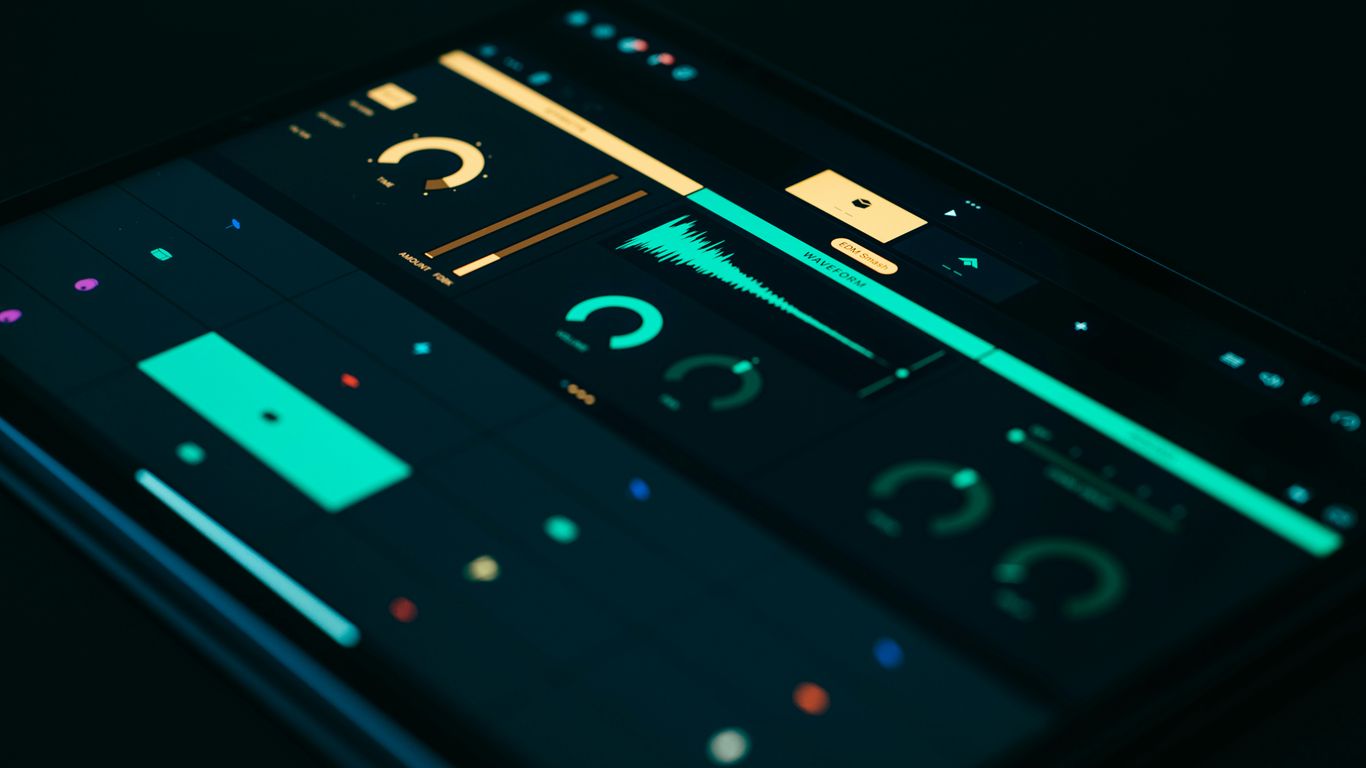
Making a music app that people actually want to use, day in and day out, is tough. It’s not just about having songs; it’s about how those songs feel when you interact with them. Users today expect things to just work, and work well, right from the start. If your app feels clunky or slow, they’re gone. The goal is to make using your app feel as natural as breathing.
Prioritizing Core Playback and Discovery
This is where you absolutely cannot mess up. People come to music apps to listen and find new tunes. If the music doesn’t play instantly or if finding something new feels like a chore, you’ve lost them. Think about how quickly a user can go from opening the app to hearing their first note. We call this ‘time-to-first-sound,’ and it needs to be lightning fast. Prefetching a bit of audio as someone hovers over a track or lands on a song page can make a huge difference. Also, make sure the player itself is solid. It should handle interruptions like phone calls or switching to Bluetooth headphones without skipping a beat. Discovery needs to feel intuitive, not like a maze. This could mean smart recommendations based on listening habits, curated playlists that actually make sense, or even just a really good search function.
Designing for Habitual User Engagement
Getting someone to use your app once is one thing; getting them to come back every day is another. This is about building routines. Think about the little things that make an app feel good to use. Smooth animations when you skip a track, a mini-player that’s always there but never in the way, or even just a satisfying little vibration when you hit ‘like’ – these details add up. Your app’s layout should be simple. Most users want to know what’s playing and how to control it, plain and simple. A common setup is a few main tabs like Home, Search, and Library, with that persistent mini-player floating above. Onboarding should be quick. Ask a couple of questions about what they like, play them a snippet of music right away, and get them to a full song in under 20 seconds. Empty screens are a missed opportunity; instead of saying ‘No playlists,’ show them how to start one.
Optimizing Time-to-First-Sound and Retention Metrics
We’ve touched on time-to-first-sound, but it’s worth repeating because it’s that important. Aim for that first sound to happen in under 1.5 seconds. Beyond that, keep an eye on how often the music stops playing unexpectedly (rebuffer ratio) – ideally, this should be below 2%. Also, track your ‘crash-free users’ metric; you want that number to be over 99.5%. These aren’t just numbers; they’re direct indicators of whether your app is annoying people or delighting them. If these numbers start to dip, it’s a sign to stop adding new features and fix what’s broken. Happy users stick around. A good way to measure this is looking at your Day 7 retention – are people still using the app a week after they first downloaded it? If you’re hitting your targets here, you’re on the right track.
Navigating Technology and Infrastructure
Okay, so you’ve got a killer idea for a music startup, but how do you actually build it? This is where things get a bit technical, but don’t worry, we’ll break it down. Picking the right tech stack is super important for making sure your app actually works well and can grow.
Selecting Scalable Audio Streaming Technologies
When it comes to streaming music, you need tech that can handle a lot of users without slowing down. For mobile apps, HLS (HTTP Live Streaming) is usually the go-to. You’ll want to use audio codecs like AAC or Opus, and set up a "bitrate ladder" – basically, different quality options depending on the user’s internet speed. Think 64kbps for slow connections, all the way up to 256kbps for high-fidelity. To keep your music safe, use tokenized URLs and short-lived signed requests. If licensing requires it, you’ll need to wrap downloads in DRM (Digital Rights Management). On the backend, you’ll need systems for ingesting music, transcoding it into different formats, storing it, and delivering it through a Content Delivery Network (CDN). It’s a whole pipeline, and making sure each part is reliable is key. You can build this yourself or use managed services, but the goal is to have something that can scale as your user base grows. We’re seeing a lot of innovation in media and entertainment tech, so it’s worth keeping an eye on emerging trends.
Understanding Licensing and Compliance Rails
This is a big one, and honestly, it can be a headache. You can’t just stream any music you want. You need to get licenses from record labels, publishers, and performance rights organizations. There are different types of licenses: interactive (like Spotify, where users pick songs), non-interactive (like radio), and user-generated content (UGC) licenses. You’ll need to figure out which ones apply to your service. This involves understanding who owns what rights, what data you need to report back to them, and in which countries you’re allowed to operate. It’s complex, and getting it wrong can lead to serious legal trouble. Many startups partner with distributors or aggregators early on to handle some of this complexity, especially for getting your first 10,000 to 100,000 tracks. Building your own licensing infrastructure is usually reserved for when you need very specific rights structures or highly customized ingestion processes.
Partnering for Essential Infrastructure Needs
Look, you don’t have to build everything from scratch. There are tons of services out there that can handle parts of your infrastructure. For example, instead of building your own recommendation engine, you could use a third-party API. Same goes for advertising tech or payment processing. Using services like Stripe or Adyen for payments, or SDKs for ad insertion, can save you a lot of time and headaches. The trick is to decide where you really need to differentiate your product and where you can "rent" battle-tested plumbing. It’s smart to build an "abstraction layer" around these third-party services. This means if one provider becomes too expensive or stops working well, you can swap them out without rewriting your entire app. You also need to think about vendor risk – what happens if your CDN goes down or your payment processor has an outage? Having backup plans and negotiating good service level agreements (SLAs) is super important. Keeping an eye on performance metrics for these partners is also a good idea; you don’t want a slow recommendation API to ruin the user experience.
Monetization and Revenue Streams for Music Startups
Okay, so you’ve got this cool music app idea, but how do you actually make money from it? It’s not just about getting people to listen; it’s about building a business that lasts. There are a few ways startups are figuring this out, and it’s not always straightforward.
Exploring Direct-to-Fan Engagement Models
This is a big one, especially if you’re focusing on artists. Instead of just being a middleman, you can build tools that let artists connect directly with their fans. Think about platforms where artists can sell exclusive content, like behind-the-scenes videos or early access to songs. Patreon is a good example of this, with millions of people paying creators directly for content. For your startup, this could mean building features for fan clubs, offering merchandise sales directly through your app, or even setting up a "tip jar" for artists after a great set or a new track. The key here is making it easy for fans to show their support and for artists to get paid quickly and fairly.
Leveraging Blockchain and NFTs for Artist Earnings
This is still kind of new territory, but it’s got a lot of buzz. Blockchain and NFTs (Non-Fungible Tokens) offer ways for artists to sell unique digital items. Imagine selling a limited edition digital artwork that comes with a special audio track, or even fractional ownership of a song. Some platforms are letting artists "tokenize" their music rights, meaning fans can invest in a song and earn royalties if it becomes popular. It sounds complicated, but the idea is to give artists more control and a bigger cut of the profits, cutting out some of the traditional middlemen. The market for music NFTs is growing, so it’s worth keeping an eye on.
Understanding Subscription and Advertising Models
These are the more traditional routes, but they still work. Subscriptions are what most people are used to with services like Spotify. You pay a monthly fee for access to a huge library of music. For your app, you could offer different tiers – maybe a free version with ads and limited features, and a premium version with no ads, offline listening, and higher audio quality. Advertising is another option. You can place audio ads between songs, or video ads that users can opt into for rewards. The trick with ads is not to annoy your users too much. Nobody likes an ad that interrupts their listening flow. It’s all about finding a balance so you can make money without driving people away. You also need to be smart about how you target ads, respecting user privacy all the way.
Leveraging Emerging Music Technology Trends
Okay, so the music world is changing fast, and if your startup isn’t keeping up with new tech, you’re going to get left behind. It’s not just about making music anymore; it’s about how you make it, how people find it, and how artists actually get paid.
Integrating Advanced Music Generation Tools
Think AI. It’s not just for the big studios anymore. Tools are popping up that can help anyone create music, from simple beats to full tracks, just by typing in what you want. Google’s MusicLM is a good example, letting you go from text to music. This is huge for indie artists who might not have a band or a producer on call. It also means a flood of new music for games, videos, and ads. We’re seeing about a quarter of music producers already using AI for things like cleaning up tracks or even making new riffs. The market for this stuff is expected to hit billions in the next few years. It’s a game-changer for lowering the barrier to entry.
Exploring Immersive and Spatial Audio Experiences
Remember when surround sound was the big thing? Now we’re talking about spatial audio, which makes music feel like it’s all around you, not just coming from speakers. Think VR concerts – Travis Scott’s Fortnite show had millions of people tuning in. While VR might still be a bit niche, the idea of more immersive listening is definitely growing. People want to feel in the music. This could mean special mixes for headphones or even experiences that react to your environment. It’s about making listening more than just passive.
Capitalizing on Social Media Driven Virality
TikTok, Reels, Shorts – these platforms are where music blows up now. A song can go from zero to global hit overnight because it fits a trend or a dance. For your startup, this means thinking about how your music or your artists can become part of that. It’s not just about putting music on these platforms; it’s about creating content that works on them. Think short, catchy clips, or music that’s easy to use in user-generated videos. The key is making music that’s not just heard, but seen and shared. If you can tap into that viral loop, you can get your music in front of way more people than traditional promotion ever could.
Strategic Go-to-Market for Your Music Startup

Alright, so you’ve built something cool. Now what? Getting your music app out there is more than just hitting ‘publish.’ It’s about making a splash, not a ripple. Think of it like dropping a new track – you want people to hear it, talk about it, and keep coming back for more. Your launch strategy needs to build buzz before you even go live.
Creating Pre-Launch Anticipation with Waitlists
Before your app is even ready, start talking about it. A waitlist is your best friend here. It’s a simple way to collect emails from folks who are genuinely interested. You can even ask them a quick question, like what they’re most excited about – maybe it’s discovering new artists or having offline listening. This little bit of info helps you understand your early fans better. You could offer early access or a cool username reservation as a thank you for signing up. It’s all about making people feel like they’re part of something special from the get-go.
Optimizing App Store Presence and Creatives
When it’s time to hit the app stores, you need to look sharp. Your app’s name and subtitle should clearly say what it is and who it’s for. Think about keywords people would actually search for, like "indie music discovery" or "lofi beats app." Your screenshots need to be super clear, even on a small phone screen. Show off the best parts: how the music plays, how easy it is to find new songs, and what makes your app different. A short video that shows someone tapping play within the first few seconds is a must. It’s your digital storefront, so make it inviting.
Implementing Post-Launch Growth and Engagement Rhythms
Launching isn’t the end; it’s just the beginning. After the big day, you need a plan to keep people engaged. This means having a regular schedule for new things. Maybe it’s a weekly curated playlist, a new feature update, or even a live Q&A with an artist. It’s about building habits for your users. Think about how to get your current users to bring in new ones, maybe through sharing features or referral bonuses. Keeping a close eye on what users are doing – how often they listen, what they skip – helps you make the app even better over time. It’s a continuous cycle of listening, improving, and growing.
Looking Ahead
So, as we wrap up our look at what’s next for music startups in 2026, remember that the landscape is always shifting. Staying on top of new tech like AI for music creation and immersive audio is smart. But don’t forget the basics: making sure your app works smoothly, understanding if you’re building for listeners or artists, and figuring out how to actually make money. It’s a lot to juggle, for sure. Focus on what makes your app special, build a solid plan, and be ready to adapt. The future of music is being built right now, and with the right approach, your startup can be a part of it.
Frequently Asked Questions
What’s the most important thing for a new music app?
The most crucial part is making it super easy and fast for people to start listening and finding new music they love. Think of it like getting the first bite of food – it has to be good right away! Also, figuring out what makes your app special, like a unique type of music or a special feature, is key to standing out.
How can my music app make money?
There are a few ways! You can let fans pay artists directly for cool stuff, like special songs or behind-the-scenes looks. Some apps use subscriptions, where people pay a monthly fee for all the music. Others might show ads. Using new tech like NFTs can also help artists earn more directly from their fans.
What new technology should my music startup pay attention to?
Keep an eye on tools that help create music using AI, as they’re making it easier for anyone to make songs. Also, think about sound that feels like it’s all around you (spatial audio) and how music goes viral on social media like TikTok. These can create really cool experiences for listeners.
Why is understanding ‘user jobs-to-be-done’ important?
This means figuring out the specific problems people are trying to solve with your app. For example, are they trying to find music from a specific city, or do they want to easily record songs on their phone? Focusing on these ‘jobs’ helps you build exactly what users need and want, making them stick around.
What are the biggest challenges when building a music app?
Getting the music legally is a big one – you need licenses, which can be complicated and costly. Making sure the app plays music smoothly without stopping is also vital, as people expect a perfect experience. Plus, keeping users engaged so they keep coming back is a constant effort.
How do I get people to know about my music app before it even launches?
You can build excitement by creating a waiting list where people can sign up early. Offer them something cool for signing up, like being the first to get a special song or playlist. Showing off what makes your app awesome with cool pictures and videos on app stores also helps a lot.