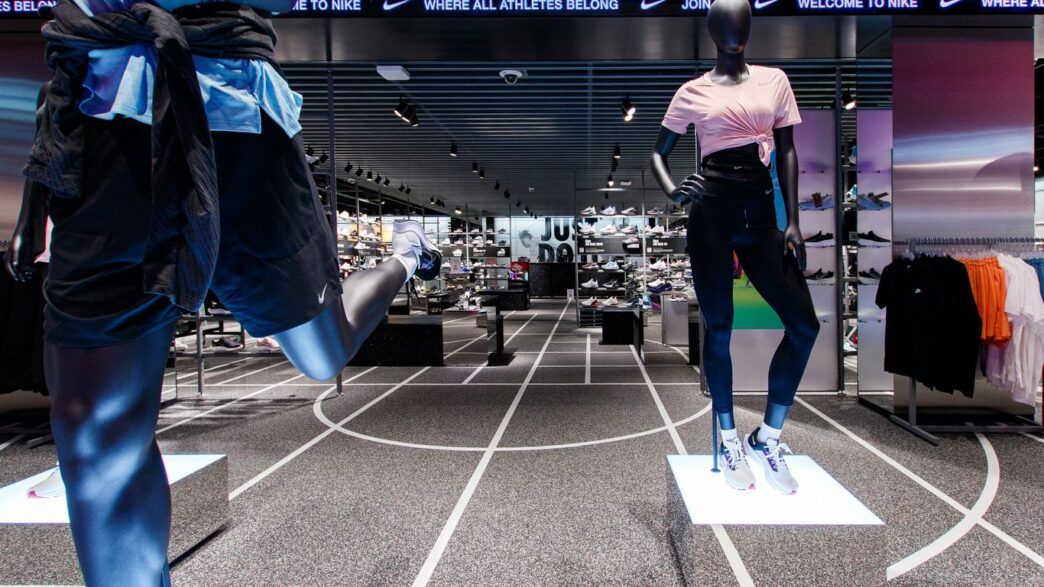
The way we shop is changing, and fast. New tech is popping up all the time, and people want different things from stores now. This means the whole retail industry has to keep up. It’s not just about selling stuff anymore; it’s about making shopping interesting and easy, whether you’re online or in a physical store. Businesses that don’t adapt will find it tough to stay in the game. Let’s look at how technology is shaking things up and what retailers need to do to get ready for what’s next.
Key Takeaways
- Stores are becoming more than just places to buy things. They are turning into spots for fun and experiences to get people to visit.
- Making shopping personal is a big deal. Retailers are using tech to figure out what each shopper likes and offer them just that.
- AI and smart data tools are helping stores run better and understand customers more deeply, leading to better shopping trips.
- Physical stores are still important, but they need to work well with online shops to give customers a smooth experience everywhere.
- To keep up, retailers need to invest in new technology, work with tech companies, and make sure their old systems can handle the new stuff.
The Evolving Retail Landscape

The way we shop is changing, and fast. It feels like just yesterday we were all about clicking ‘add to cart’ from our couches, but now, things are getting a lot more interesting. Retailers are realizing that just selling stuff isn’t enough anymore. They need to give us a reason to actually go to a store, or at least make our online experience feel special.
Embracing Experiential Retail
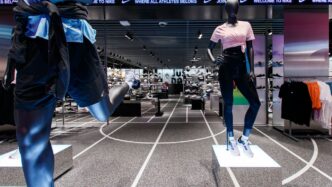
Think of stores less like places to just buy things and more like destinations. This is what they’re calling ‘experiential retail.’ It’s about creating a vibe, you know? Maybe it’s a cool event happening, a place to hang out with friends, or even a workshop where you can learn something new. The goal is to make visiting a store an event in itself, something memorable that you’ll want to do again. It’s not just about the product anymore; it’s about the whole feeling you get.
The Rise of Personalization and Customization
Remember when ads felt like they were for everyone? Those days are fading. Now, it’s all about making things just for you. Retailers are getting smarter about what we like, what we buy, and even what we might want next. They’re using technology to figure this out, so instead of a generic email blast, you might get recommendations that actually make sense for your style or needs. It’s like having a personal shopper, but it’s powered by data.
Transforming Brick-and-Mortar Stores
Physical stores aren’t disappearing, but they are changing. Forget those giant, overwhelming department stores of the past. The trend now is towards smaller, more focused spaces. These stores are designed to be more than just a place to pay. They’re becoming places where you can really connect with a brand, try things out in a cool way, or pick up online orders quickly. It’s about making the physical store work hand-in-hand with the online world, offering a bit of both convenience and a unique brand experience.
AI and Data Analytics Driving Innovation
It feels like everywhere you look these days, there’s talk about Artificial Intelligence and data. And in retail, it’s not just talk; it’s actually changing how stores operate and how we shop. Think about it – companies are collecting all sorts of information, from what you browse online to what you pick up in the store. They’re using this data to figure out what you might want next, sometimes before you even know it yourself.
This smart use of information is helping retailers make things work better behind the scenes too. They can predict when they’ll run out of a popular item, so they can get more stock on the shelves before anyone gets upset. It also helps them manage their warehouses more efficiently and even figure out the best prices for things.
Here’s a quick look at how AI and data are making a difference:
- Understanding Customers Better: By looking at buying habits and online activity, retailers can get a clearer picture of what different groups of people like. This means they can show you ads for things you’re actually interested in, rather than random stuff.
- Making Stores Smarter: AI can help manage inventory in real-time, track how people move through a store to improve layouts, and even power things like smart mirrors that let you ‘try on’ clothes virtually.
- Personalized Shopping Trips: Imagine getting recommendations that are spot-on for you, or having a virtual assistant help you find exactly what you need. That’s AI making your shopping experience smoother and more tailored.
It’s not just about selling more stuff, though. It’s about making the whole process less of a hassle for us and more efficient for the businesses. They’re using these tools to create shopping journeys that feel more personal and less like a generic transaction. It’s a big shift from just stocking shelves to really understanding and serving individual shoppers.
Enhancing the Customer Shopping Experience
Today’s shoppers want more than just to buy stuff. They’re looking for experiences that stick with them, whether they’re browsing online or walking into a store. Retailers are figuring this out and changing how they do things to make shopping more interesting and personal.
Immersive and Multisensory Store Designs
Stores are becoming places people want to hang out in, not just places to grab what they need. Think about how a store smells, sounds, and looks. Retailers are using this to their advantage. They’re creating spaces that feel good to be in, with music that fits the brand, nice lighting, and displays that draw you in. It’s about making the physical space a destination.
- Sensory Engagement: Using scent, sound, and touch to create a memorable atmosphere.
- Interactive Displays: Setting up areas where customers can touch, try, or play with products.
- Themed Environments: Designing sections of the store around specific moods or product collections.
Seamless Online and Offline Integration
Nobody likes it when shopping online is totally different from shopping in a store. Customers expect things to just work, no matter how they choose to shop. This means if you order something online, you should be able to pick it up easily at the store, or return something you bought in person to an online warehouse. This smooth connection between online and physical stores is what keeps customers coming back.
Here’s how it’s done:
- Click and Collect: Order online, grab it at the store.
- Easy Returns: Return online purchases in-store, or vice-versa.
- Unified Inventory: See what’s in stock online and in nearby stores.
- Consistent Pricing: Prices should match across all channels.
Augmented and Virtual Reality Applications
This is where things get really futuristic. Augmented Reality (AR) and Virtual Reality (VR) are changing how we see and interact with products. Imagine trying on clothes using your phone’s camera without actually putting them on, or seeing how a new sofa would look in your living room before you buy it. VR can even let you walk through a virtual store. These tools make shopping more fun and help people make better decisions, which means fewer returns too.
Future-Proofing Retail Strategies
The retail world is changing fast, and staying ahead means thinking about tomorrow, today. It’s not just about keeping up with the latest gadgets; it’s about building a business that can handle whatever comes next. This means looking at how people shop now and how they’ll want to shop in the future, and then making smart choices about technology and how you run things.
Adapting to Evolving Consumer Behaviors
Consumer habits have shifted quite a bit, especially over the last few years. People expect more now – they want things to be easy, personalized, and often, they care about where products come from and how they’re made. Retailers need to pay close attention to these changes and adjust their approach. This isn’t just about offering online shopping; it’s about understanding the whole picture. Think about things like:
- Convenience: Making it simple to buy, whether online, in-store, or a mix of both.
- Values: Showing that your brand cares about things like sustainability or ethical sourcing, if that’s important to your customers.
- Experience: Giving people a reason to visit your store or engage with your brand beyond just making a purchase.
It’s about being flexible and ready to meet customers where they are, even as their preferences change. Keeping up with these shifts is key to staying relevant.
The Importance of Omnichannel Integration
People don’t just shop in one place anymore. They might see something on social media, check it out on their phone, and then buy it in a store, or vice versa. This is where omnichannel comes in. It means making sure the experience is smooth no matter how a customer interacts with your brand. Your website, your app, your physical store – they all need to work together. This means:
- Consistent Branding: The look, feel, and message should be the same everywhere.
- Unified Inventory: Knowing what you have in stock across all locations so customers don’t get frustrated.
- Integrated Customer Data: Being able to track a customer’s journey across different channels to offer better service and recommendations.
Getting this right means customers feel like they’re dealing with one cohesive brand, not separate parts. It’s about making their lives easier and building stronger connections. This approach is becoming a standard for successful retail operations.
Investing in Robust Technology Infrastructure
To actually make all of this happen, you need the right technology in place. This isn’t just about buying the latest software; it’s about building a solid foundation that can support your current needs and future growth. Think about:
- Scalable Systems: Technology that can grow with your business.
- Data Security: Protecting customer information is non-negotiable.
- Integration Capabilities: Making sure new tools can work with your existing systems.
Building this strong tech backbone allows you to be agile. It means you can adopt new innovations more easily and respond quickly to market changes. Without it, you’re likely to get left behind. It’s a long-term investment that pays off by keeping your business running smoothly and efficiently.
Collaboration and Infrastructure for Retail Technology
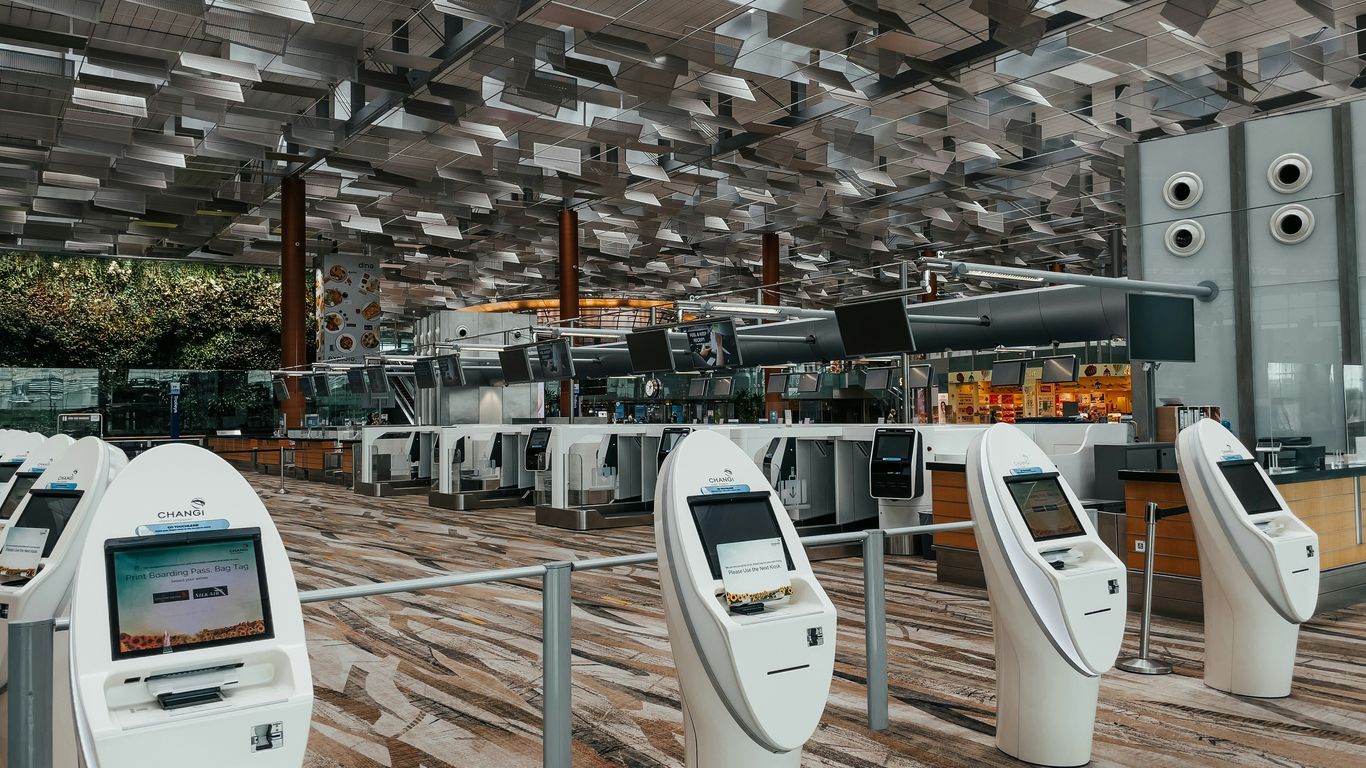
So, we’ve talked a lot about cool new tech, but how do we actually make it all work together? It’s not just about picking the latest gadget; it’s about building a solid foundation and working with the right people. Think of it like building a house – you need good materials and skilled builders, not just fancy blueprints.
The Role of 5G in Retail
This new 5G stuff? It’s a pretty big deal for retail. It’s super fast and can handle a ton of information at once. This means things like real-time inventory tracking across all your stores, or letting customers try on clothes virtually without lag, could actually become normal. But getting it set up isn’t always easy. Many retailers feel like they need to completely change how their business runs to make 5G work well. It’s a big job, and it’s why getting the right infrastructure in place before you start adding new tech is so important. Bolting new things onto old systems just doesn’t cut it anymore; it slows everything down and makes the customer experience clunky.
Strengthening Partnerships with Technology Suppliers
Honestly, trying to build all this new technology yourself is just not realistic for most businesses these days. The pace of change is too fast, and you can’t hire or train people quickly enough to keep up. This is where working closely with tech companies becomes really important. It’s not just about buying software; it’s about building relationships. Instead of just one-off purchases, retailers need to think about ongoing support and how these partners can help them stay up-to-date. It’s a shift from just getting a product to getting a service that helps you keep pace.
Integrating New Technologies with Legacy Systems
This is where things can get tricky. Most retailers have older computer systems that have been around for ages. Trying to connect shiny new apps or services to these old systems can be a real headache. You run into problems with different systems not talking to each other, or data getting mixed up. To fix this, businesses need smart ways to connect everything. This might mean using special software to act as a translator between the old and new, or setting up central places where all the data can be shared. It’s about making sure all the pieces of your tech puzzle fit together smoothly, so your customers don’t see any of the behind-the-scenes mess.
The Road Ahead
So, what does all this tech talk mean for shopping down the road? Basically, things are changing, and fast. Stores aren’t just places to grab stuff anymore; they’re becoming spots for fun and interaction. And online? It’s getting way more personal, with tech trying to figure out exactly what you want before you even do. It’s a lot to take in, but one thing’s for sure: retailers who don’t jump on board with these new tools and ideas are going to get left behind. The future of shopping is here, and it’s all about making things easier, more interesting, and tailored just for you.
Frequently Asked Questions
What is ‘experiential retail’ and why is it important?
Experiential retail means making stores more than just places to buy things. It’s about creating fun, interesting, or educational experiences that make people want to visit. Think of it like a destination for entertainment and learning, not just shopping. This helps stores stand out from others and build customer loyalty.
How is technology like AI changing how stores work?
AI, or artificial intelligence, is like a smart helper for stores. It can figure out what customers might want to buy, manage store stock better, and even help answer customer questions. This makes stores run smoother and helps them offer customers exactly what they’re looking for, making shopping easier and more personal.
What does ‘omnichannel integration’ mean for shoppers?
Omnichannel integration means that all the ways you can shop with a store – online, on an app, or in person – work together perfectly. You can start shopping on your phone and finish in the store, or buy online and pick it up easily. It’s all about making your shopping experience smooth and consistent, no matter how you choose to shop.
How can virtual reality (VR) and augmented reality (AR) be used in stores?
VR and AR are like digital magic for shopping. AR lets you see how furniture might look in your room using your phone, or try on clothes virtually. VR could let you explore a whole store from your couch. These tools make shopping more engaging and help you make better decisions before you buy.
Why are physical stores still important even with online shopping?
Even though online shopping is popular, physical stores are still valuable. They offer a chance to see and touch products, have unique experiences, and connect with the community. Stores are becoming places for entertainment and interaction, complementing the convenience of online shopping and making the overall shopping journey better.
What is the role of 5G technology in the future of retail?
5G is a super-fast internet connection that helps new technologies work together smoothly. It can make things like virtual try-ons or smart store systems work much better. Think of 5G as the highway that lets all the new retail tech travel quickly and reliably, improving the shopping experience for everyone.