The world of 3D printing is really taking off. It’s moved beyond just making prototypes and is now a serious player in how we make things. From custom medical implants to parts for cars and planes, this technology is changing industries. We’re seeing new machines, better materials, and smarter ways of using it all. This article looks at what’s pushing the 3D printing market forward and what we can expect.
Key Takeaways
- New printing methods and materials are constantly improving what 3D printing can do, making it faster and more capable.
- Industries like healthcare, automotive, and aerospace are finding more uses for 3D printing, especially for custom or complex parts.
- The demand for products made just for one person or need is a big reason why 3D printing is growing.
- 3D printing is helping companies build more reliable supply chains by allowing them to make things closer to where they’re needed, when they’re needed.
- While North America currently leads, regions like Europe and Asia Pacific are seeing significant growth in 3D printing adoption.
Technological Advancements Fueling the 3D Printing Market
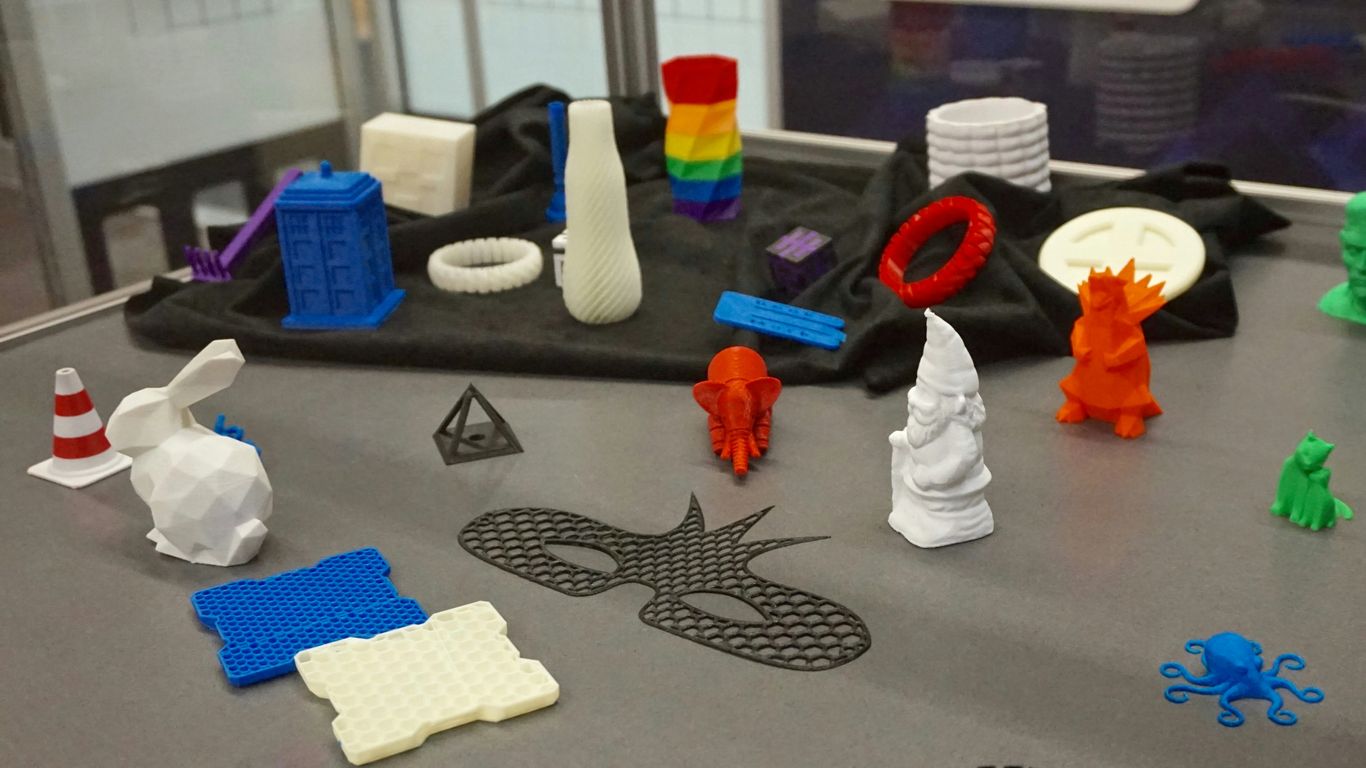
The world of 3D printing isn’t standing still, not by a long shot. It’s constantly getting better, faster, and more capable. Think of it like your smartphone – remember those clunky early models? 3D printing is on a similar journey, moving from a cool novelty to a serious tool for making things.
Innovations in Printing Technologies
We’re seeing all sorts of new ways to print. Gone are the days when it was just about melting plastic layer by layer. Now, we have technologies that use light to cure resins with incredible detail, or lasers to fuse metal powders into strong, complex shapes. These different methods mean we can print with a wider range of materials and achieve different properties, from flexible parts to super-strong metal components. This variety is opening doors to applications we hadn’t even dreamed of a few years ago. For example, advancements in vat photopolymerization are leading to parts with really smooth finishes, which is a big deal for things like medical devices and intricate dental work.
Advancements in Material Science
It’s not just the printers that are getting better; the stuff they print with is evolving too. We’re moving beyond basic plastics. Now, you can find advanced polymers, ceramics, and even metals that can be 3D printed. This means we can create parts that are not only complex but also have specific performance characteristics – like being lightweight yet strong, or resistant to high temperatures. This material innovation is a huge reason why industries like aerospace and automotive are really starting to pay attention. They can now print parts that meet strict performance requirements, something that was often impossible before.
Integration of Automation and AI
To make 3D printing even more efficient, automation and artificial intelligence are starting to play a bigger role. Imagine printers that can monitor themselves, adjust settings on the fly to fix errors, or even manage entire print farms without much human input. AI can help optimize designs for 3D printing, making them lighter and stronger. Automation speeds up the post-processing steps, like cleaning and finishing parts. This combination is making 3D printing more reliable and scalable, moving it closer to mass production capabilities.
Key Industry Verticals Driving 3D Printing Adoption
It’s pretty wild how many different fields are jumping on the 3D printing bandwagon. This isn’t just for hobbyists anymore; we’re talking about serious industries that are changing how they do things.
Healthcare and Dental Applications
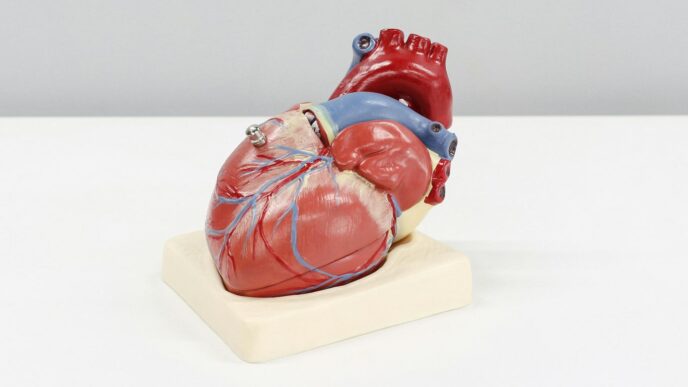
This is a big one. Think about custom implants that fit perfectly, or surgical guides that help doctors plan complex operations down to the millimeter. 3D printing is making healthcare more personalized and precise. In dentistry, custom aligners, crowns, and bridges are becoming the norm, leading to better patient outcomes. It’s amazing to see how this tech is directly improving people’s health and smiles.
Automotive Sector Innovations
Cars are getting smarter and more specialized, and 3D printing is playing a role. Manufacturers are using it to create lighter parts, which can improve fuel efficiency or battery range in electric vehicles. Plus, for things like spare parts, especially for older models or specialized vehicles, printing them on demand can drastically cut down wait times. Imagine needing a part for a bus and getting it in days instead of weeks. That’s the kind of change we’re seeing, making vehicle maintenance much smoother.
Aerospace and Defense Solutions
This sector has been an early adopter, and for good reason. The need for lightweight, strong, and complex parts is huge in aerospace. 3D printing allows for designs that were previously impossible to manufacture using traditional methods. This means more efficient aircraft and spacecraft. We’re also seeing applications in drones, where additive manufacturing is speeding up the design and production process, allowing for quicker innovation in unmanned aerial vehicles.
Market Dynamics and Growth Catalysts
So, what’s really pushing the 3D printing market forward right now? It’s not just one thing, but a mix of factors that are making this technology more attractive and accessible than ever before. Think about it: people want stuff that’s made just for them, and 3D printing is perfect for that.
Rising Demand for Customized Products
This is a big one. Gone are the days when everyone had to settle for off-the-shelf items. Consumers are increasingly looking for personalized goods, whether it’s a unique piece of jewelry, a custom-fit prosthetic, or even a specially designed car part. This shift towards personalization is a major win for additive manufacturing. Companies are realizing they can use 3D printing to create these one-off items quickly and without the massive tooling costs associated with traditional methods. It’s all about meeting individual needs, and 3D printing does that really well.
Government Investments and Initiatives
Governments around the world are starting to see the strategic importance of 3D printing. They’re investing in research and development, setting up innovation hubs, and even offering grants to businesses looking to adopt the technology. This kind of support is huge, especially for smaller companies that might not have the capital to invest on their own. These initiatives often focus on areas like advanced manufacturing, defense, and healthcare, which are all sectors where 3D printing can make a significant impact. It’s a clear signal that additive manufacturing is seen as a key technology for future economic growth and national competitiveness.
Ease of Manufacturing Complex Parts
Traditional manufacturing can really struggle with intricate designs. Making complex shapes often involves multiple steps, specialized machinery, and a lot of potential for error. 3D printing, on the other hand, can build these complex geometries layer by layer, directly from a digital model. This means:
- Reduced assembly: Parts that would normally need to be made in several pieces and then put together can often be printed as a single, integrated component.
- Lighter and stronger designs: Engineers can create designs that are optimized for performance, not just for manufacturability, leading to lighter yet stronger parts.
- New design possibilities: Previously impossible shapes can now be realized, opening up new avenues for product innovation across various industries.
This ability to create complexity with relative ease is a game-changer, allowing for more efficient production and the development of entirely new product types. The 3D printing materials market is growing because of this, with companies looking for the right stuff to print these complex designs.
Supply Chain Transformation Through Additive Manufacturing
Additive manufacturing, or 3D printing, is really shaking things up when it comes to how we make and move goods. It’s not just about making prototypes anymore; it’s fundamentally changing supply chains, making them more flexible and efficient. Think about it: instead of relying on massive factories far away, you can print parts closer to where they’re needed. This means less shipping, less waiting, and a lot less hassle.
Enhancing Supply Chain Resilience
One of the biggest wins here is making supply chains tougher. When a natural disaster hits or there’s a global shortage of something, traditional supply chains can really struggle. With 3D printing, companies can set up smaller, distributed production sites. This means if one location goes down, others can pick up the slack. It’s like having a backup plan built right in. Plus, you can quickly switch to printing different parts if demand shifts unexpectedly. This ability to adapt on the fly is a game-changer for business continuity.
Localized and On-Demand Production
This technology lets us move away from the old model of mass production and long-distance shipping. Instead, we can produce items right where they’re needed, when they’re needed. Imagine a factory needing a specific replacement part – instead of waiting weeks for it to arrive from overseas, they can just print it on-site. This cuts down on inventory needs because you’re not stocking huge amounts of parts that might never get used. It also means less material waste, as you’re only printing what’s actually required.
Here’s a look at how this shift plays out:
- Reduced Transportation Costs: Printing locally means fewer trucks, ships, and planes are needed, saving money and cutting down on emissions.
- Minimized Inventory: Companies can hold digital files instead of physical stock, freeing up warehouse space and capital.
- Faster Response Times: Production can begin almost immediately upon design finalization, speeding up delivery.
Reducing Lead Times and Costs
Traditional manufacturing often involves long lead times, from tooling setup to final delivery. 3D printing can drastically shorten this. For complex parts, especially, the time saved can be enormous. Instead of months, you might be looking at days or even hours for certain components. This speed translates directly into cost savings. Less time spent in production and shipping means lower overall manufacturing expenses. Also, the material efficiency of 3D printing, where only the necessary material is used, further contributes to cost reduction compared to subtractive methods that often create significant waste.
Regional Growth Pockets in the 3D Printing Market

When we look at where the 3D printing action is happening globally, a few key areas stand out. It’s not just one big, uniform market; different regions have their own pace and reasons for adopting this tech.
North America’s Dominance
North America is currently leading the pack. Think of it as the established player. This region has a strong setup with lots of companies making the printers, supplying the materials, and, importantly, being early adopters. Industries like aerospace, cars, and healthcare are really digging into what 3D printing can do. Plus, there’s a good amount of money, both from governments and private companies, going into research. This helps keep innovation flowing and makes it easier for new ideas to take hold. Big names in the industry are here, pushing the boundaries, especially with metal and plastic printing.
Europe’s Expanding Footprint
Europe is also a major player and is growing steadily. The market here is expected to see solid growth over the next few years. Similar to North America, industries like aerospace, automotive, and healthcare are big drivers. There’s a real push for custom parts and lighter components, which 3D printing is perfect for. The whole Industry 4.0 movement, which is about digitizing manufacturing, is also giving 3D printing a boost. Governments are putting money into new manufacturing ideas and sustainability, which naturally includes additive manufacturing.
Asia Pacific’s Rapid Growth Trajectory
Now, Asia Pacific is where things are really heating up. This region is projected to grow the fastest. We’re seeing a quick uptake of 3D printing across a bunch of different sectors – think cars, everyday consumer goods, medical devices, and general industrial uses. This rapid expansion is fueled by a mix of factors, including a growing manufacturing base and increasing investment in advanced technologies. Countries like China are particularly active, showing significant growth in adopting and developing 3D printing solutions. It’s a dynamic market to watch.
Here’s a quick look at the projected market sizes and growth rates:
| Region | Estimated Market Size (USD Billion, 2025) | Projected CAGR (2025-2030) |
|---|---|---|
| North America | (Data not specified, but dominant) | (Data not specified) |
| Europe | 4.40 | 15.5% |
| Asia Pacific | (Data not specified, but high growth) | (Data not specified) |
It’s clear that while North America and Europe have strong foundations, the Asia Pacific region is set to be a major growth engine in the coming years. This geographical spread means opportunities are diverse, catering to different market needs and stages of adoption.
Navigating Challenges in the 3D Printing Landscape
Even with all the cool stuff 3D printing can do, it’s not all smooth sailing. There are definitely some hurdles to jump over before it becomes as common as, say, a microwave. Getting things to be consistent and making sure they’re good quality is a big one.
Standardization and Quality Assurance
Think about it: if you print the same part in two different factories, or even on two different machines in the same factory, you want them to be pretty much identical, right? That’s where standardization comes in. Right now, it’s a bit of a wild west. Different companies use different ways to measure things, different materials, and different processes. This makes it tough to compare results or guarantee that a part printed today will be exactly like one printed next year. Quality assurance is also tricky. How do you really test a complex, 3D-printed part to make sure it’s going to hold up under stress, especially for critical stuff like in airplanes or medical implants? It’s not like you can just run it through a standard inspection machine easily.
Intellectual Property and Regulatory Frameworks
This is a messy one. Because digital files can be shared so easily, it’s become way simpler for people to copy designs without permission. Imagine spending ages designing something, only to have someone else download the file and start printing it themselves. That’s a huge headache for inventors and companies. Plus, the rules around this stuff are still catching up. Different countries have different laws about patents and copyrights, and how they apply to 3D-printed items isn’t always clear. It makes it hard for businesses to know what’s protected and what’s not, especially when they’re selling products globally.
Workforce Development and Skill Gaps
So, you’ve got these amazing 3D printers, but who knows how to use them properly? That’s the million-dollar question. Operating these machines, especially the industrial ones, requires a specific set of skills. It’s not just about hitting ‘print’. You need people who understand the software, the materials, how to maintain the machines, and how to troubleshoot when things go wrong. There’s a real shortage of trained technicians and engineers who can actually work with this technology day in and day out. Schools and training programs are trying to catch up, but it takes time to build up that skilled workforce needed to really make 3D printing a mainstream manufacturing tool.
Looking Ahead
So, where does all this leave us? The 3D printing world is definitely not standing still. We’ve seen how new tech and the need for custom stuff are really pushing things forward. From making airplane parts lighter to creating personalized medical devices, it’s clear this technology is becoming a big deal across many industries. Plus, with companies looking for more reliable ways to make things closer to home, 3D printing is stepping up. It’s not without its bumps, like figuring out new rules and making sure everything works perfectly, but the momentum is undeniable. Expect to see even more innovation and wider use of 3D printing as it continues to change how we design and produce goods.