So, a big semiconductor conference just wrapped up for 2026, and wow, there was a lot to unpack. It feels like every corner of technology is getting a boost from these tiny chips. We’re talking about everything from the phones in our pockets to the cars we drive and the massive data centers powering our online lives. It’s clear the industry is moving fast, and keeping up can feel like a full-time job. Let’s break down some of the main things everyone was talking about.
Key Takeaways
- AI is everywhere now, showing up in all sorts of products and really changing how things work, especially in consumer tech and how we build chips.
- Supply chains are still a big deal, with countries like China facing challenges and global politics playing a larger role in how chips get made and where they end up.
- New ways of making memory and processing information are popping up, like advanced packaging and chiplets, which are super important for making powerful devices smaller and more efficient.
- The car industry is changing fast with electric vehicles and AI, and the mobile world is seeing new phone designs and more smart features thanks to these chip advances.
- Power and sensor tech is getting a lot of attention, especially for data centers and edge computing, with new materials like GaN starting to shake things up.
Key Trends Shaping The 2026 Semiconductor Conference
Alright, so the 2026 semiconductor conference was a real eye-opener, and honestly, it felt like the industry is really hitting its stride in a few key areas. It wasn’t just about incremental updates; it was about big shifts that are going to change how we use technology.
AI Integration Across Markets
This was everywhere. AI isn’t just a buzzword anymore; it’s actually being built into so many different products and systems. We’re seeing it move beyond just the big data centers and into devices we use every day. Think smarter phones, more intuitive home appliances, and even cars that seem to anticipate your needs. The real takeaway here is that AI is becoming a standard feature, not a special add-on. This means chip makers have to design processors that are not only powerful but also efficient enough to handle these AI tasks without draining batteries or costing a fortune to run.
Geopolitical Influences on Global Supply Chains
Let’s be real, the global political scene is still a huge factor in how chips get made and where they end up. There’s a lot of talk about countries wanting to make their own chips, which is good for some, but it also means things can get complicated. Trade rules, export restrictions, and just general international relations are making supply chains a bit of a puzzle. Companies are really thinking hard about where they source their materials and where they build their factories to avoid getting caught in the middle of any political spats. It’s a delicate balancing act, for sure.
Advancements in Memory and Compute Architectures
This is where the real technical magic happens, and it’s pretty exciting. The way we store and process data is changing. We heard a lot about new memory types, like HBM4, which are going to be super important for AI applications that need to crunch massive amounts of data really fast. On the compute side, there’s a lot of work going into new ways to design processors, moving beyond just making them smaller. Think about chiplets – basically, smaller specialized chips that can be combined together. This approach offers more flexibility and can lead to some really powerful, custom-built solutions for specific tasks, especially in mobile devices and high-performance computing.
Innovations Driving The Consumer Electronics Market
The consumer electronics market in 2026 is really heating up, with a lot of new tech hitting the shelves. It feels like every device is getting smarter, and they’re all trying to talk to each other.
AI-Enabled Devices and Smart Home Convergence
Artificial intelligence isn’t just for big computers anymore; it’s showing up everywhere. Your fridge might be suggesting recipes based on what’s inside, and your thermostat could be learning your schedule to save energy without you even thinking about it. This push towards AI means devices are getting more personalized and, honestly, a bit more helpful. The smart home is starting to feel less like a collection of gadgets and more like a single, connected system. We’re seeing more integration between different brands, too, which is a big step forward from just a few years ago. This convergence is making everyday tasks simpler and homes more responsive. It’s all about making life a little easier, one smart device at a time.
Shifts in Wearable Demand and Display Upgrades
Wearables are changing too. It’s not just about fitness trackers anymore. People are looking for more sophisticated health monitoring features, and the designs are getting sleeker. Think smartwatches that can do more than just tell time and track steps. Plus, the screens on everything are getting better. Whether it’s a new phone, a tablet, or even a smart TV, the displays are sharper and more vibrant. This is partly driven by the demand for better video content and gaming experiences. It’s pretty amazing how much better screens have gotten, even in just the last couple of years. You can check out some of the latest tech trends that were on display at events like CES 2026.
Sustainability’s Impact on Supply Chains
Something else that’s becoming a bigger deal is how products are made. Companies are feeling more pressure to be eco-friendly. This means looking at where materials come from and how devices are manufactured. We’re seeing more focus on using recycled materials and making products that last longer or are easier to repair. This is a big shift, and it’s starting to influence what companies decide to produce and how they get their parts. It’s a complex issue, but it’s definitely shaping the future of consumer electronics.
Manufacturing and Production Expectations For 2026
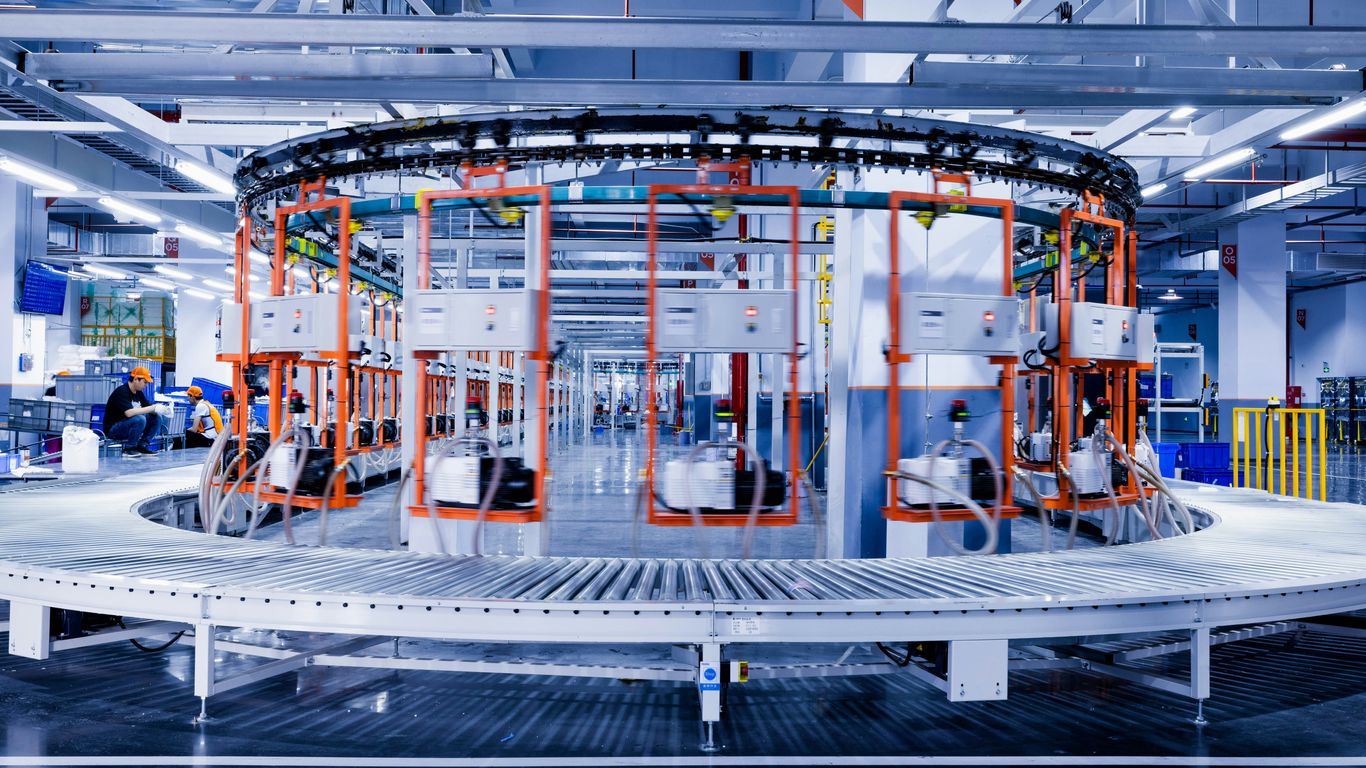
Alright, let’s talk about how chips are actually going to get made in 2026. It’s a big deal, right? Because without the actual silicon, none of the cool tech we’re seeing discussed at the conference actually happens.
TSMC’s 2nm Scale-Up and China’s Challenges
So, TSMC is pushing hard with their 2-nanometer process. This is where things get really tiny and complex. They’re aiming to get this scaled up for mass production, which is always a huge hurdle. Think about it, going from a lab to churning out billions of these tiny things reliably? It’s a massive undertaking. Meanwhile, China’s semiconductor industry is still facing some serious headwinds. Export controls are a big factor, making it tough for them to get the latest equipment and know-how. Plus, there are ongoing issues with emissions and environmental regulations that foundries have to deal with, adding another layer of complexity to their production plans. It’s a real balancing act for them.
AI-Driven Inventory Strategies
This is a pretty interesting shift. Companies are starting to use AI not just for designing chips, but for managing their stock. Instead of just guessing how many chips they’ll need, AI can look at all sorts of data – market trends, demand signals, even global events – to predict what’s coming. This means fewer chips sitting around gathering dust and hopefully, fewer shortages when demand spikes. It’s about being smarter with resources, which is good for everyone’s bottom line and the planet.
Growth in Wafer Fab Equipment Across Asia
When you’re talking about making chips, you can’t forget the machines that make the machines. The demand for wafer fab equipment is expected to keep growing, especially in Asia. This makes sense, given the massive investments happening across the continent. Countries are really doubling down on building out their domestic chip manufacturing capabilities. This surge in equipment demand is a strong indicator of the industry’s expansion plans for the next few years. It’s a sign that the big players are betting on continued growth in semiconductor production, and you can see why they’d want to mitigate risks in their supply chains by diversifying manufacturing locations.
The Evolving Mobile and PC Landscape
It feels like every other week there’s a new phone or laptop announcement, and 2026 is no different. The mobile and PC markets are really shifting, and it’s not just about faster processors anymore. We’re seeing a big push towards integrating AI directly into these devices, making them smarter and more capable right on the spot. This means phones and laptops can handle more complex tasks without needing to constantly connect to the cloud, which is pretty neat.
Mobile-AI Integration and New Form Factors
On the mobile side, AI is becoming a standard feature, not just a buzzword. Think about cameras that can intelligently adjust settings for the perfect shot before you even press the button, or personal assistants that understand context much better. We’re also seeing some interesting new designs popping up. Foldable phones are becoming more refined, and there’s talk of even more radical form factors that could change how we interact with our devices daily. The drive for on-device AI is really changing what manufacturers are putting into their chips. This also ties into the ongoing memory crisis that’s affecting component pricing and availability across the board.
Emerging Processor Alternatives in PCs
For PCs, the landscape is getting more diverse. While Intel and AMD still dominate, there’s a growing interest in alternatives. Companies are exploring processors based on architectures like Arm, which have proven so successful in mobile, and even RISC-V, an open-source option. This could lead to more varied performance and power efficiency options for consumers. It’s a big shift from the usual.
Demand Growth from Emerging Markets
Looking beyond the usual suspects, emerging markets are becoming a really significant driver of growth. As more people gain access to technology, the demand for affordable and capable smartphones and laptops is increasing. This means manufacturers need to pay close attention to what consumers in these regions want and can afford, which often means balancing features with cost. It’s a different set of priorities compared to the high-end markets we often focus on.
Power and Sensor Market Dynamics
This year’s conference really highlighted how much power and sensor tech is changing. It feels like every device is getting smarter, and that means more complex power needs and more sensors to gather all that data.
Datacenter Demand and Power Conversion Opportunities
Data centers are still a huge driver, and not just for the servers themselves. The sheer amount of power conversion needed to keep everything running efficiently is creating big opportunities. We’re talking about specialized power supplies and management chips that can handle massive loads while minimizing energy waste. The push for greener data centers means efficiency is no longer a nice-to-have, it’s a must-have. This is driving innovation in areas like Gallium Nitride (GaN) and Silicon Carbide (SiC) components, even with some market shifts.
SiC Oversupply and GaN Disruption
It’s an interesting time for wide-bandgap semiconductors. Silicon Carbide (SiC) is seeing a bit of an oversupply situation, which is making things more competitive, especially for things like electric vehicle chargers and industrial power supplies. On the flip side, Gallium Nitride (GaN) is really shaking things up. Its higher switching speeds and better performance are making it a go-to for more advanced, compact power solutions. We’re seeing GaN pop up in more consumer electronics and even some server power applications.
AI at the Edge and Sensor Architectures
When we talk about AI, it’s not just about the big cloud servers anymore. A lot of the buzz is around ‘AI at the edge’ – putting intelligence directly into devices. This means sensors need to be smarter and more power-efficient. Think about cameras that can process images locally, or microphones that can filter out noise before sending data. The conference showed a lot of work going into:
- Developing low-power sensor arrays that can handle complex data.
- Integrating processing capabilities directly onto sensor chips.
- Creating new sensor architectures for specific AI tasks, like object recognition or environmental monitoring.
This trend is pushing the boundaries for sensor resolution and speed, with discussions around 8K video capture and image sensors exceeding 200 megapixels becoming more common, all while trying to keep power consumption in check.
Automotive and Connectivity Advancements
The automotive sector is really going through it right now, and not just with the whole electric vehicle thing. It’s like every car rolling off the line is becoming a supercomputer on wheels. We’re seeing a massive push for electrification, which, of course, means a whole lot more chips are needed for everything from the battery management systems to the actual motors. But it’s not just about going electric. The real buzz at the conference was around how AI is getting baked into vehicles.
Electrification and AI in Vehicles
Think advanced driver-assistance systems (ADAS) that are getting smarter by the day, making driving safer and, let’s be honest, a bit easier. These systems rely on complex sensor fusion and processing, all powered by specialized semiconductors. The conference highlighted how AI is moving beyond just assisting to actually predicting and reacting in real-time. We’re talking about chips that can process vast amounts of data from cameras, radar, and lidar to make split-second decisions. It’s pretty wild when you consider the safety implications.
5G Densification and Ambient Compute
Connectivity is another huge piece of the puzzle. The push for 5G isn’t just about faster phone downloads anymore; it’s about creating a network that can support a car that’s constantly talking to everything around it. This "ambient compute" idea, where devices and infrastructure are always communicating, is becoming a reality. For cars, this means better traffic management, real-time updates, and even vehicle-to-vehicle communication for accident prevention. The infrastructure build-out for 5G is a big deal, and semiconductor companies are right in the middle of it, supplying the chips that make it all work.
China’s RF Leadership and IoT Growth
It was interesting to hear about China’s growing influence in radio frequency (RF) technology. They’re really making waves in supplying the components that handle wireless communication, which is obviously critical for both 5G and the Internet of Things (IoT). This leadership is impacting global supply chains and pushing innovation. With more and more devices connecting to the network, from smart home gadgets to industrial sensors, the demand for reliable and efficient RF chips is only going to climb. The conference pointed out that this growth is particularly strong in emerging markets, where the adoption of connected devices is accelerating rapidly.
The Future of Advanced Packaging
Advanced packaging is really becoming a big deal in the semiconductor world. It’s not just about making chips smaller anymore; it’s about how we put them together to get more performance and efficiency. This year’s conference really highlighted how critical these techniques are becoming.
Co-Packaged Optics and HBM Demand
One of the hottest topics was definitely co-packaged optics (CPO). The idea is to put optical components right next to the silicon, which could massively speed up data transfer, especially for AI and high-performance computing. Think about it: less distance for data to travel means less delay and less power used. This ties directly into the huge demand for High Bandwidth Memory (HBM), particularly HBM4. AI workloads are just gobbling up memory, and advanced packaging is the only way to stack enough of it close to the processing units to keep up. It’s a bit of a race to see who can get CPO and next-gen HBM solutions out there first.
Panel and Glass Substrates
We’re also seeing a big shift away from traditional silicon wafers for some applications. Panel-level packaging and the use of glass substrates are gaining serious traction. Why? Well, panel-level packaging allows for larger substrates and potentially lower costs, especially for high-volume products. Glass substrates, on the other hand, offer better flatness and thermal stability, which is a big plus for complex, multi-chip modules. This move is all about finding the right material for the right job, pushing the boundaries of what’s possible in terms of density and performance. The Advanced Electronic Packaging Conference 2026 had a lot of discussions around the manufacturing challenges and opportunities here.
Chiplet Integration for Mobile Devices
And what about our phones? Chiplets are starting to make their way into mobile devices too. Instead of one giant, monolithic chip, designers are breaking down functionality into smaller, specialized chiplets that can be mixed and matched. This approach offers a lot of flexibility. If one part needs an upgrade, you can swap out just that chiplet, rather than redesigning the whole System-on-Chip (SoC). It also helps with yield – if one small chiplet is defective, it’s less of a loss than a whole big chip. We’re looking at a future where our smartphones are built from a Lego set of specialized silicon pieces, all thanks to advanced packaging techniques.
Looking Ahead: What’s Next for Semiconductors?
So, after all that talk about what’s coming in 2026, it’s pretty clear things aren’t slowing down. We heard a lot about how AI is going to keep changing everything, from the phones in our pockets to the cars we drive. Plus, making these chips is getting more complicated, with new ways to build them and new places they’re being made. It feels like everyone’s trying to figure out how to keep up, especially with all the talk about sustainability and where the power comes from. It’s a lot to take in, but it seems like the companies that can adapt and innovate are the ones that will do well. Definitely something to keep an eye on.
Frequently Asked Questions
What are the main trends expected at the 2026 semiconductor conference?
The conference will focus on how Artificial Intelligence (AI) is being used everywhere, how countries working together or not affects where chips are made, and new ways to build computer chips and memory that are faster and smarter.
How will AI change the gadgets we use every day?
Get ready for smarter phones, computers, and even your home appliances! AI will make them do more amazing things, like understanding you better and working together seamlessly. Also, expect new types of tiny computers for things you wear and screens that look even better, all while companies try to make their products in ways that are kinder to the planet.
What’s happening with making computer chips in 2026?
Big chip makers are working on super-advanced chips, while some countries face hurdles in making and selling them. Companies will use AI to better guess how many chips they need. Plus, more chip factories are opening up in Asia, and new ways of making chips using glass instead of just silicon are becoming important.
What’s new in phones and computers?
Phones will get even smarter with AI built right in, and we might see some cool new designs. In computers, there’s a search for new types of processors that could compete with the ones we use now. Also, more people in countries like India, Brazil, Russia, and China will be buying these devices.
How are power chips and sensors changing?
Big computer centers that run AI need a lot of power, creating chances for companies that make power-controlling chips. There might be too many of some types of power chips, while others made from new materials will shake things up. AI will also be used in smaller sensors that are placed all around us.
What’s happening with cars and how things connect?
Cars are getting more electric and using AI to help drive and entertain us. The next generation of wireless internet (5G) will be everywhere, making devices smarter and more connected. China is leading in making special chips for these connections, and more everyday objects will be connected to the internet.