

So, the Paris AI Summit just wrapped up, and it sounds like it was a pretty big deal. Lots of important people got together to talk about artificial intelligence – you know, the stuff that’s changing everything. They covered how we can all work together on AI, make sure it’s used fairly, and keep things safe. It wasn’t just about the tech itself, but how it affects our jobs, businesses, and even healthcare. It seems like everyone agrees we need to be smart about this, and the Paris AI Summit was a major step in figuring out how.
Key Takeaways
- Global leaders met at the Paris AI Summit to discuss creating international rules for AI, focusing on safety and making sure everyone has fair access to the technology.
- The summit highlighted the need for businesses to move beyond just trying out AI to actually using it in their main operations, linking it to company goals for real change.
- Discussions around the EU AI Act showed how companies can meet new rules while also finding chances to be leaders in AI use.
- In healthcare, the focus was on making AI tools clear, fair, and safe for patients, with a big push for doctors and tech people to work together.
- Attendees talked about how to use AI responsibly in businesses, dealing with new rules and ethical questions to turn potential problems into business advantages.
Global Collaboration and Ethical Frameworks at the Paris AI Summit
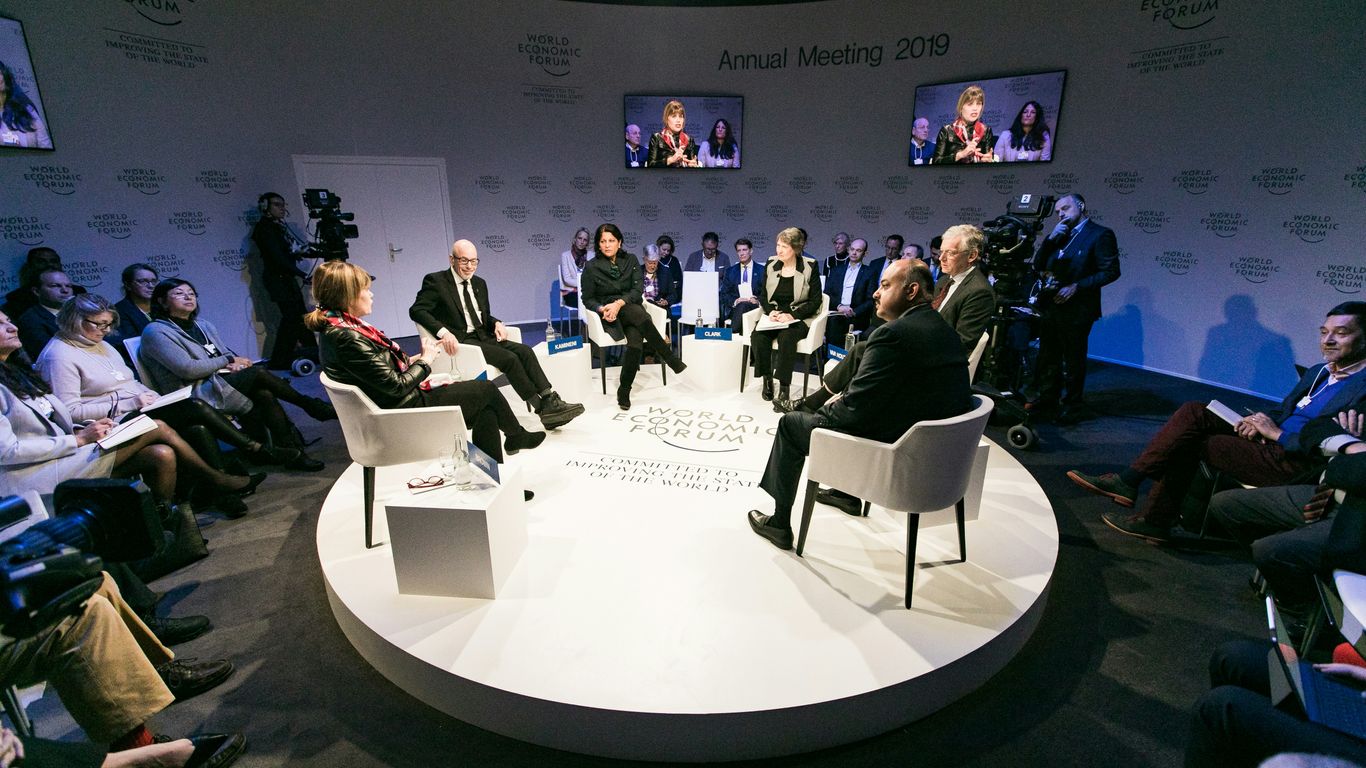
The Paris AI Summit wasn’t just another tech conference; it felt like a real turning point. Leaders from all over the world, including policymakers, researchers, and big names from the tech industry, gathered to talk about something pretty important: how we’re going to live with artificial intelligence. It was clear from the start that this was about more than just the latest gadgets. We’re talking about the big picture – how AI affects us all and what rules we need to put in place.
Redefining Our Relationship with Artificial Intelligence
It’s no secret that AI is changing things fast. We’re seeing it in our daily lives, and it’s only going to become more common. The summit really hammered home the idea that we need to think differently about how we use this technology. It’s not just a tool; it’s something that’s going to shape our future in big ways. We need to make sure we’re guiding its development in a way that benefits everyone.
Pivotal Event for Policymakers, Researchers, and Industry Leaders
This summit was a hub for discussion. Imagine a room filled with people who make the laws, people who build the tech, and people who study how it all works. They were all there, sharing ideas and, let’s be honest, probably debating a bit too. It was a chance for everyone to get on the same page about the challenges and opportunities AI presents. Think of it like a global town hall for AI.
Ensuring Safe AI Access and Sustainable Practices
Two big themes kept coming up: safety and sustainability. How do we make sure AI is safe for everyone to use, not just a select few? And how can we develop and use AI without trashing the planet? These aren’t easy questions, but the summit made it clear they’re non-negotiable. We heard a lot about:
- Making AI tools accessible, especially for countries that might be left behind.
- Developing AI in ways that don’t use up all our energy resources.
- Setting up clear guidelines so AI is used responsibly and ethically.
It felt like a serious effort to build a foundation for AI that we can all trust and rely on for years to come.
Shaping the Future of AI Governance
The Paris AI Summit really hammered home one point: AI isn’t just a tech thing anymore, it’s a big deal for how we run things, globally and locally. We’re talking about setting the rules of the road for artificial intelligence, and it’s a complex puzzle with a lot of pieces.
International Cooperation for Responsible AI
It’s clear that no single country can figure this out alone. The discussions highlighted a strong push for countries to work together. Think of it like setting up international standards for AI, so we’re all playing by similar rules. This isn’t about stifling innovation, but about making sure that as AI gets more powerful, it does so in a way that benefits everyone and doesn’t cause unintended problems. The goal is to build trust, and that requires a united front.
Addressing Algorithmic Bias and Workforce Transitions
One of the biggest worries is that AI systems might be biased, reflecting the biases already present in the data they’re trained on. This can lead to unfair outcomes, especially for certain groups. So, a lot of talk was about how to spot and fix this bias. We also need to think about jobs. As AI takes over some tasks, what happens to the people who used to do them? The summit stressed the need for plans to help workers adapt and learn new skills. It’s about making sure the economic benefits of AI are shared widely, not just concentrated at the top.
Equitable Access to Technology for Global South
There was a significant focus on making sure that the advantages of AI aren’t just for wealthy nations. The idea is that countries in the Global South should also have access to AI technology and the tools to develop and use it. This means thinking about how to share knowledge and resources, and how to build AI capacity in these regions. Without equitable access, we risk creating an even wider gap between the haves and have-nots in the digital age. It’s a matter of fairness and also recognizing the potential innovation that could come from all corners of the world.
Navigating AI’s Impact on Business and Operations
AI isn’t just a buzzword anymore; it’s becoming a core part of how businesses operate. Many companies are past the initial testing phase and are now looking to make AI a real part of their day-to-day work. This means moving AI from small projects to something that affects products, how things get done, and even the basic business model. It’s about making sure AI fits with what the company is trying to achieve and building systems that can handle it.
From Pilots to Scaled Impact: Embedding AI in Core Strategies
Lots of businesses have tried out AI in small ways, but getting it to work on a larger scale is a different story. The real challenge is weaving AI into the main parts of the business. Think about how AI can improve customer service, make production lines more efficient, or even help design new products. The goal is to see measurable results, not just theoretical possibilities. This requires a clear plan that connects AI initiatives directly to business goals. It’s not just about the technology itself, but about how leaders guide its integration to create lasting value.
Future-Proofing Digital Infrastructure for AI Deployment
As AI becomes more common, it puts a strain on existing digital systems. Companies need to make sure their networks, cloud setups, and security measures are ready for AI. This means thinking ahead about how to handle more data, faster processing, and the need for strong defenses against cyber threats. Building an infrastructure that can grow with AI needs is key to making sure AI tools work smoothly and securely, without slowing down operations or impacting user experience. It’s about creating a flexible foundation that supports AI now and in the future.
Aligning AI Strategy with Business Goals for Sustainable Transformation
Simply adopting AI isn’t enough; it needs to serve a purpose. Businesses need to connect their AI plans directly to their overall objectives. This could mean using AI to cut costs, find new markets, or improve customer satisfaction. A well-aligned strategy helps avoid wasted resources and ensures that AI investments contribute to long-term success. It’s about making smart choices that lead to real change, not just adopting technology for its own sake. This approach helps manage the risks that come with AI and turns them into opportunities for growth and improvement.
The Evolving Landscape of Enterprise AI
It feels like every business is talking about AI these days, right? But actually putting it to work in a way that makes a real difference? That’s a whole different story. The Paris AI Summit really dug into what this looks like for companies.
The EU AI Act: Compliance and Strategic Opportunity
The European Union’s AI Act is a big deal, especially for businesses operating there. With a significant chunk of AI uses flagged as "high-risk," just following the rules isn’t enough anymore. Forward-thinking leaders are seeing this not just as a legal requirement, but as a chance to get ahead. This means figuring out how to align with the AI Act without sacrificing speed or innovation. It’s about turning what could be a hurdle into a competitive edge. We need to understand how explainability and legal resilience will set market leaders apart and what practical steps can be taken to meet the Act’s requirements.
Scaling AI in Europe: Risk Meets Strategic Advantage
So, how do companies actually make AI work at scale in Europe, especially with these new regulations? It’s a balancing act. You’ve got to manage the risks – regulatory shifts, ethical questions, and how it all affects the workforce. But it’s also about finding the strategic advantage. The summit highlighted that the question for executives isn’t if they should use AI, but how to lead with it responsibly. It’s about cutting through the noise and building long-term resilience.
Leading with AI Responsibly in Enterprise
What does it take to actually lead with AI in your business? It’s more than just adopting new tech. It’s about building AI into your core strategies and partnerships in a way that delivers lasting value. We heard from people who are seeing real, measurable results right now – better service, smarter decisions, and improved operations. The focus is on practical outcomes, not just theory. This involves asking:
- How is AI actually driving performance and business results?
- Where are we seeing operational efficiency change because of AI?
- What trends are making executives more comfortable with adopting AI across the whole company?
Getting this right means having a clear plan for how AI fits into your business goals for sustainable change. It’s about moving from pilot projects to real, scaled impact. For those looking to implement AI effectively, Conor Twomey’s insights from the EDA Summit 2024 offer some great strategies for achieving genuine business value.
We also need to think about our digital infrastructure. Is it ready for AI? Where should we invest to get both quick wins and long-term benefits? And what does good data governance look like when everything is moving so fast?
AI in Healthcare: Challenges and Opportunities
AI is really starting to make waves in healthcare, and it’s not just about fancy new tools. We’re talking about systems that can help doctors diagnose illnesses faster or even predict patient outcomes. But, as you can imagine, putting AI into something as important as medicine comes with its own set of hurdles. The biggest challenge is making sure these AI systems are safe, fair, and actually work as intended.
Auditability, Bias Mitigation, and Validation in Clinical AI
Think about a doctor using an AI tool to look at an X-ray. They need to trust that the AI isn’t missing something or, worse, seeing something that isn’t there. This means we need ways to check how the AI makes its decisions – that’s auditability. We also have to be super careful about bias. If the data used to train an AI mostly comes from one group of people, it might not work as well for others. So, finding and fixing bias is a big deal. And then there’s validation. We need solid proof that the AI is accurate and reliable, not just in a lab, but in real-world patient care.
Regulatory Clarity and Interdisciplinary Collaboration
Right now, the rules for using AI in healthcare are still being figured out. It’s a bit like trying to build a house without a clear blueprint. We need clear guidelines from regulators so companies know what’s expected. But it’s not just up to the tech folks or the government. Doctors, nurses, ethicists, and patients all need to be part of the conversation. Bringing different minds together helps us spot potential problems early and build AI that truly serves everyone.
Ensuring Patient Safety and Equity in AI-Driven Medicine
Ultimately, all this AI development has to come back to the patient. Is the AI helping to make care safer? Is it making sure that everyone, no matter their background, gets the same quality of attention? We have to watch out for situations where AI might accidentally create new inequalities. For example, if an AI is better at detecting a certain condition in men than in women, that’s a problem we need to fix. The goal is to use AI to improve health outcomes for all, without leaving anyone behind.
Driving Innovation While Managing AI Risks
AI is here, and it’s changing how businesses operate. But let’s be real, it’s not all smooth sailing. We’re talking about new rules, tricky ethical questions, and making sure everyone’s on board. The Paris AI Summit really hammered home that we can’t just jump into using AI without thinking. It’s about finding that sweet spot between pushing ahead with new ideas and keeping things safe and fair.
Understanding Regulatory Shifts and Ethical Dilemmas
Things are moving fast with AI rules. The EU AI Act, for example, is a big deal, especially for companies operating in Europe. It puts a lot of AI uses into a "high-risk" category, meaning companies have to pay close attention to how they build and deploy these systems. It’s not just about avoiding fines; it’s about building trust. We heard a lot about how companies are trying to figure out what these new laws mean for their AI projects. It’s a puzzle, for sure. The goal is to make AI work for us, not against us, and that means being smart about the rules and the ethical side of things.
Strategies for Ethical, Trust-Driven AI Adoption
So, how do you actually use AI without causing problems? It comes down to a few key things:
- Transparency: People need to know when they’re interacting with AI and how it makes decisions. No one likes a black box.
- Fairness: We have to actively work to remove bias from AI systems. If an AI is making decisions about loans or job applications, it needs to be fair to everyone.
- Accountability: Someone needs to be responsible when things go wrong. You can’t just blame the algorithm.
- Security: Protecting the data that AI uses and the AI systems themselves is super important.
Turning AI Risk into Business Value Through Strategic Governance
It might sound counterintuitive, but managing AI risks can actually be good for business. When you have strong governance in place, it means you’ve thought through the potential problems and have plans to deal with them. This builds confidence with customers, partners, and even your own employees. Think of it like this: a company that has a solid plan for handling AI risks is probably a more stable and reliable company overall. It shows leadership and foresight. The summit highlighted that companies that are proactive about governance are the ones that will likely see the biggest, most sustainable benefits from AI in the long run, rather than just chasing the latest tech trend.
Looking Ahead: The Road from Paris
So, the Paris AI Summit wrapped up, and it felt like a big moment. Lots of smart people talked about how we need to be careful with AI, making sure it’s fair and doesn’t mess things up for people or the planet. It wasn’t just about the cool tech, but about how we actually use it in real life, from hospitals to our jobs. There were different ideas, sure, like some wanting fewer rules to keep things moving fast, and others pushing for more checks to keep things safe. But the main takeaway? We all need to work together on this. It’s clear that figuring out AI is a group effort, and the conversations started in Paris are just the beginning of making sure this powerful tool helps everyone, not just a few.
Frequently Asked Questions
What was the main goal of the Paris AI Summit?
The main goal was to get important people from around the world together to talk about how we can use artificial intelligence in a good way. They wanted to make sure AI is safe for everyone, doesn’t harm the planet, and is fair for all countries.
Who attended the summit?
Leaders and smart people from different countries attended. This included government officials who make rules, scientists who study AI, and business leaders who use AI in their companies.
Why is international teamwork important for AI?
AI is a big technology that affects everyone. Working together helps countries share ideas, create fair rules, and make sure AI benefits all of humanity, not just a few.
How will AI change jobs?
AI can do some tasks that people used to do. The summit discussed how to help people learn new skills and find new jobs as AI becomes more common in workplaces.
What are the challenges of using AI in healthcare?
Using AI in medicine is exciting, but we need to be careful. We need to make sure AI tools are accurate, don’t have unfair biases, and are safe for patients. Clear rules and teamwork between doctors and tech experts are important.
How can businesses use AI responsibly?
Businesses need to think about more than just making money with AI. They should focus on using AI in ways that are ethical, safe, and don’t cause harm. This means following rules, being honest about how AI works, and making sure AI helps people.