
So, I just got back from Digiday Miami 2025, and wow, what a few days. It felt like everyone in the digital media world was there, talking about all the big stuff happening. We covered a lot of ground, from how AI is changing everything to how creators are becoming super important. Honestly, it was a lot to take in, but I managed to pull out some of the main points that seem to be on everyone’s minds. It’s definitely a good time to be thinking about where things are headed.
Key Takeaways
- AI is changing how we get content to people and how brands build their image. It’s not just about making content anymore; it’s about making sure it gets seen in the right places, especially on platforms where people already hang out. Publishers are figuring out how to use AI to keep people interested over time.
- The world of creators is really shaking things up in journalism. Big names like The Washington Post are figuring out how to work with creators. The goal is to make this kind of content work for the business, turning something popular with audiences into a way to make money.
- Figuring out how to grow a media business and keep people engaged is a big deal. This means building up your own audience instead of just relying on social media. It also involves using AI to find new ways to make money.
- There’s a lot happening with digital content and ads. We saw how big the digital content market is getting and heard about the main things changing marketing. Connected TV (CTV) is seeing a lot of creative work, but there’s a need for common rules.
- Building a media business that lasts is the main focus. This means finding ways to make money that work long-term. It also means dealing with how AI affects how media companies operate and finding smart ways to make a profit while keeping audiences happy.
AI’s Evolving Role in Content Distribution and Brand Building
It’s pretty clear that AI isn’t just a buzzword anymore; it’s actively changing how we get content out there and how brands connect with people. Think about it – AI is becoming a tool that helps publishers figure out the best ways to get their stories and information in front of the right eyes. This isn’t just about pushing content out blindly; it’s about smarter distribution.
Building A News Brand In The Age Of AI Distribution
Creating a news brand today means understanding how AI is changing the game. It’s not just about writing good articles; it’s about making sure those articles can be found and understood by people, even when AI is doing a lot of the sorting. We saw discussions about how publications are using AI to make their archives more accessible. For example, TIME is turning its 102-year-old archive into interactive questions, text summaries, and even audio briefs. This is a smart way to give old content new life and reach audiences in different ways.
Optimizing Content For Platform-Native Consumption
People consume content differently depending on where they see it. AI can help analyze what works best on different platforms, whether it’s a short video for social media or a detailed article for a website. The goal is to make content feel like it belongs on the platform it’s on, not like it was just dropped there. This means tailoring formats and styles to fit how people naturally use each app or site. It’s about meeting the audience where they are, with content that feels right for that space.
Leveraging AI For Sustainable Engagement
Getting people to stick around and keep coming back is the big challenge. AI can help here too, by looking at user behavior and figuring out what keeps people interested. The real win is using AI to build relationships that last, not just quick clicks. This could mean personalized recommendations, interactive features, or even AI-powered tools that help creators produce content more efficiently. The idea is to use AI to make the experience better for the audience, which in turn helps build a more stable business for the publisher.
The Creator Economy and Its Impact on Journalism
It’s pretty clear by now that the way we consume media is changing, and a big part of that is the rise of the creator economy. We’re not just talking about influencers anymore; big names and established brands are getting in on the action too. Think about how celebrities are now building their own content platforms, much like popular YouTubers. It’s all about that authentic connection with an audience, something that traditional media is really trying to figure out how to replicate.
Inside The Washington Post’s New Era Of Engagement
The Washington Post is making some interesting moves here. They’ve launched a Creator Network, which sounds like they’re trying to bridge the gap between old-school journalism and this new creator-driven world. It’s a smart play, recognizing that audiences are drawn to personality and direct connection. They’re exploring how to blend their journalistic credibility with the engagement tactics that creators do so well. It’s not just about reporting the news; it’s about how that news is presented and who is presenting it.
Bridging Journalism And The Creator Economy
So, how do news organizations actually do this? It’s a tricky balance. On one hand, you have the need for accuracy, fact-checking, and ethical reporting. On the other, you have the raw, often unpolished, but highly engaging content that creators produce. The key seems to be finding ways to integrate these without compromising journalistic standards. This could mean:
- Training journalists in creator-style content production: Helping reporters develop skills in video, social media, and direct audience interaction.
- Partnering with established creators: Collaborating on projects that benefit from both the creator’s reach and the news outlet’s reporting.
- Developing new formats: Experimenting with content that feels more personal and less corporate, while still being grounded in solid reporting.
The goal is to meet audiences where they are, using the formats and voices they trust.
Turning Creator Content Into Scalable Revenue
This is where it gets really interesting for publishers. How do you make money from this shift? Future, a media company, is apparently doing some cool stuff. They’re working with creators on ongoing projects and creating ad partnerships that actually work for brands. This suggests a move away from just selling banner ads towards more integrated, sponsored content that feels natural. It’s about building revenue streams that are sustainable and align with the creator-first approach. We’re seeing a move towards:
- Creator collaborations: Brands paying for sponsored content created by or featuring popular creators.
- Audience-funded models: Exploring subscriptions or memberships that offer exclusive creator content.
- Data-driven partnerships: Using insights from creator engagement to offer brands more targeted advertising opportunities.
Navigating the Future of Media at Digiday Miami 2025
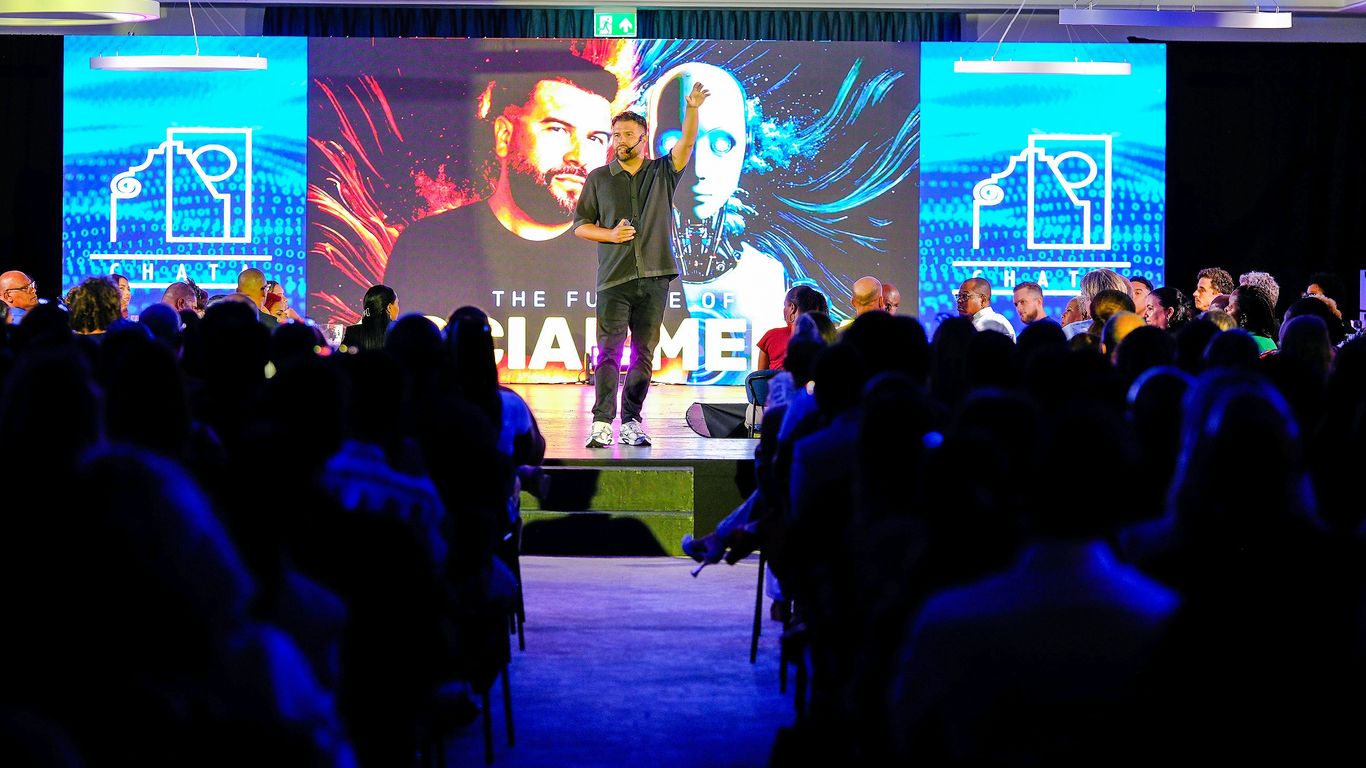
Digiday Miami 2025 was a real eye-opener, a place where the people shaping media got together to talk about what’s next. It wasn’t just about the shiny new tech, but how we actually make sense of it all and keep our businesses running.
Key Takeaways From Digiday Miami 2025
This year’s event really hammered home a few points. It felt like everyone was buzzing about how AI is changing everything, from how we create content to how we get it in front of people. But it wasn’t all doom and gloom about robots taking over. Instead, the focus was on practical ways to use these tools.
- AI as a partner, not just a tool: We heard a lot about how AI can help with the grunt work, freeing up humans for more creative tasks. Think AI for drafting articles or sorting through data, not replacing writers entirely.
- Platform-native is king: Getting content seen means playing by the rules of each platform. This means tailoring your approach for TikTok, Instagram, or wherever your audience hangs out, rather than just posting the same thing everywhere.
- Building real connections: With so much noise online, creating genuine engagement is harder but more important than ever. This means focusing on community and giving people a reason to stick around.
Insights From Industry Leaders
It was great to hear directly from folks like Ramin Beheshti from Caliber, who talked about using AI to make content work better on different platforms. He sees these platforms as the main "storefronts" now, which is a pretty big shift in thinking. Then there was Sara Kehaulani Goo from The Washington Post, discussing how they’re bridging the gap between traditional journalism and the creator economy. It’s clear that news organizations are looking for new ways to connect with younger audiences and find new revenue streams.
Connecting With Peers And Innovators
Beyond the talks, the real value was in the hallway conversations. You’d bump into someone from a big publisher, and five minutes later, you’re discussing a problem you’re both facing. It’s these informal chats that often spark the best ideas. People were sharing war stories about AI implementation and swapping tips on how to keep audiences engaged. The overall vibe was one of collaboration and a shared mission to figure out this new media landscape together. It felt less like a competition and more like a collective effort to build a sustainable future for publishing.
Strategies for Publisher Growth and Audience Engagement
So, how do publishers actually grow these days and keep people coming back? It’s not just about putting out good stories anymore. We heard a lot at Digiday Miami 2025 about needing a smarter approach, especially with all the changes happening.
The Expert Economy: Scaling Human-Centered Growth
This idea of an "expert economy" is pretty interesting. It’s about recognizing that people trust and follow individuals with real knowledge and experience. For publishers, this means finding ways to highlight and scale the voices of their own experts, whether they’re journalists, analysts, or even contributors from outside the organization. It’s about building a brand around people, not just a name. Think about it: would you rather read an article about, say, sustainable farming from a faceless publication, or from a farmer who’s actually been doing it for 30 years and shares their practical insights? The human element is what builds real connection and loyalty. This is a big shift from just churning out content.
Developing Owned Audiences and Boosting Social Engagement
We all know social media is a wild west, and relying on it completely is risky. Publishers are really pushing to build up their own direct relationships with readers. This means getting people to sign up for newsletters, join communities, or use apps where the publisher has more control. It’s about creating spaces where conversations can happen and where readers feel like they’re part of something. On social platforms, it’s not enough to just post links. You have to actually engage, respond to comments, and create content that fits the platform. It’s a lot more work than it used to be.
Here are a few things publishers are trying:
- Interactive Q&As: Hosting live sessions with reporters or experts.
- Community Forums: Creating dedicated spaces for reader discussions.
- Personalized Newsletters: Tailoring content based on reader interests.
- Short-Form Video: Adapting content for platforms like TikTok or Reels.
AI-Driven Revenue Models for Publishers
AI isn’t just for content creation; it’s also becoming a tool for making money. We saw discussions about how AI can help publishers understand their audience better, which then leads to more targeted advertising. It can also help in optimizing subscription offers or identifying new revenue streams. For example, AI could analyze reader behavior to predict which content is most likely to convert a non-subscriber into a paying customer. It’s about using data smarter to drive business results. This is a big topic, and it’s clear that publishers who don’t adapt will fall behind. Attending events like the DigiDay Publishing Summit is a good way to stay on top of these trends.
Innovation in Digital Content and Advertising
This year’s Digiday Miami conference really hammered home how much things are changing in how we make and show ads. It feels like every other conversation was about new ways to get content in front of people and how to make ads that don’t just get skipped.
The World’s Largest Digital Content Marketplace
IAB NewFronts, which they talked about a lot, is basically the biggest place online where people buy and sell digital content. It happened in New York City back in May, and it was all about showing off the newest video stuff and cool new ideas. They had talks about how creators are now the main players in media, with even big names jumping in to make content that feels more real and connects with fans. AI is also a huge part of this, acting like fuel for growth in the digital space. It’s not just about making content anymore; it’s about making content that works for specific platforms and keeps people watching. Think about how much video content is out there now – it’s a lot, and figuring out what works is key. You can find out more about the trends discussed at IAB NewFronts.
Five Forces Reshaping Marketing
Several speakers pointed out that the marketing world is shifting because of a few big things. It’s not just about putting an ad on TV anymore. We’re seeing:
- The rise of creators: People trust individuals more than big companies. This means brands need to work with creators to reach audiences.
- AI’s role: Artificial intelligence is changing how content is made, distributed, and how we understand what people like.
- Retail media networks: These are becoming important because they connect what people buy with the content they see.
- Streaming and ads: The way we watch video is changing, and ads need to keep up.
- Data and measurement: Knowing what’s working and being able to prove it is more important than ever.
CTV’s Creative Boom and the Need for Standards
Connected TV (CTV) is really taking off, and the ads being made for it are getting more creative. But, as a lot of people pointed out, there’s a big need for rules and standards. Without them, it’s hard for things to grow properly. Imagine trying to build something without a blueprint – it gets messy fast. This is why groups are working on things like the IAB Tech Lab’s ‘Ad Format Hero’ initiative. They want to make sure that as CTV advertising gets bigger and better, it’s also consistent and works for everyone involved, from the creators to the viewers. This helps make sure that the ads are not only seen but also have a positive impact.
Building Sustainable Media Businesses

It feels like every conversation at Digiday Miami 2025 eventually circled back to one big question: how do we actually make money and keep doing this for the long haul? It’s not just about chasing clicks anymore, right? We’re talking about building something that lasts.
Sustainable Business Models In Media
This isn’t a new topic, but it’s definitely gotten more urgent. Publishers are looking beyond just ads. Think about subscription models, but done smarter. It’s about giving people a real reason to pay, not just for content, but for community, exclusive access, or a really good user experience. We heard a lot about how important it is to own your audience relationship, not just rent it from social platforms. That means focusing on first-party data and building direct connections.
Navigating AI’s Impact On Media Operations
AI is everywhere, and it’s changing how media companies work. It’s not just about writing articles (though that’s part of it). It’s about making workflows faster, personalizing content delivery, and even helping with sales. But there’s a flip side. We need to be smart about how we use it. The goal is to use AI to make our teams better, not replace them. Think of it as a tool that helps people do their jobs more effectively. We also need to think about the ethical side – how do we ensure accuracy and avoid bias when AI is involved? It’s a balancing act, for sure.
Strategies For Profitability And Audience Engagement
So, how do we put all this together to actually make a profit? It comes down to a few key things:
- Diversify Revenue Streams: Don’t put all your eggs in one basket. Explore subscriptions, events, e-commerce, and even consulting if it fits your brand.
- Deepen Audience Connection: Understand what your audience really wants. Use data to personalize their experience and build loyalty. This means more than just sending out newsletters; it’s about creating real value.
- Invest in Your People: Your team is your biggest asset. Give them the tools and training they need to adapt to new technologies and strategies. Happy, skilled employees are the backbone of any sustainable business.
It’s clear that the media landscape is always shifting. But by focusing on solid business models, smart use of technology, and a genuine connection with our audiences, we can build media businesses that are not only profitable but also meaningful and lasting.
Wrapping Up Digiday Miami 2025
So, what’s the big picture after Digiday Miami 2025? It feels like everyone’s talking about how to actually make money with content, especially with AI changing things so fast. We heard a lot about using AI not just to make stuff, but to get it in front of the right people on the platforms they’re already using. It’s not just about making content anymore; it’s about making it work for you. Plus, the creator economy is still a huge deal, and figuring out how publishers and creators can team up for real business makes sense. It seems like the main goal is finding ways to build solid connections with audiences and make sure the business side of things keeps up. It was a good reminder that even with all the new tech, the core ideas of good content and smart business haven’t really changed.
Frequently Asked Questions
What’s the main idea about AI at Digiday Miami 2025?
AI is a big deal! It’s changing how companies share their content and build their brands. Think of it as a smart helper that can make things easier and reach more people.
How is the creator economy changing journalism?
Journalism is teaming up with creators – people who make cool content online. This helps news places connect with audiences in new ways, like how The Washington Post is doing it.
What are some ways to grow a media business?
Companies are focusing on building their own fans, not just relying on social media. They’re also using AI to find new ways to make money and keep people interested.
What’s new in digital content and ads?
There are exciting new ways to create and show ads, especially on TVs connected to the internet (CTV). It’s all about making content that people want to see and making sure ads fit in nicely.
How can media companies be successful long-term?
It’s about finding smart ways to make money that last, using AI to help run things smoothly, and always finding new ways to connect with and keep your audience happy.
What are ‘owned audiences’?
This means building a direct connection with your fans, like through email lists or special apps. It’s like having your own fan club that you can talk to directly, instead of just hoping they see you on big social media sites.