

Sustainability: The Cornerstone of Business Resilience
So, we’re talking about how businesses can actually stick around and do well, not just for a year or two, but for the long haul. Turns out, making sustainability a core part of what you do isn’t just a nice-to-have anymore; it’s pretty much a requirement for staying strong in the face of whatever comes next. Think of it like building a house – you need a solid foundation, right? Sustainability is that foundation for business. Without it, companies might find themselves stuck, not growing much and with fewer options when things get tough economically. The big idea here is that businesses can actually help build economies that can bounce back from shocks, and doing so builds trust with everyone involved – customers, employees, investors, you name it.
Embedding Sustainability for Long-Term Success
This isn’t about slapping a green sticker on your product. It’s about weaving sustainability into the very fabric of how a company operates. This means looking at everything from how you source materials to how you treat your workers and what happens to your products after they’re used. Companies that are really getting this right are seeing it pay off. They’re not just avoiding problems; they’re finding new ways to be efficient, cut down on waste, and even come up with new products and services that people want because they’re made responsibly. It’s a shift from just trying to make a quick buck to building something that lasts.
Aligning Growth Strategies with Global Goals
It’s not enough for businesses to just grow; they need to grow in a way that makes sense for the planet and its people. This is where aligning with global goals, like the UN’s Sustainable Development Goals (SDGs), comes in. It’s about making sure that as a company expands, it’s also contributing positively to things like reducing poverty, ensuring clean water, or fighting climate change. This isn’t just about feeling good; it’s smart business. Markets are changing, and consumers are paying more attention to where their money goes. Businesses that can show they’re part of the solution, not the problem, will likely do better.
The UN Global Compact’s Role in Responsible Practices
So, how do companies actually do this? Well, organizations like the UN Global Compact offer a roadmap. They have these Ten Principles that cover things like human rights, how workers are treated, environmental protection, and not engaging in corrupt practices. By following these principles, companies get a solid framework for operating responsibly. It helps them build a strong ethical backbone, which is super important. Plus, it positions them to take advantage of new opportunities, especially as the world moves more towards digital and sustainable ways of doing things. It’s like getting a guide to help you do the right thing, which, in the end, is also the smart thing for business.
Harnessing Emerging Technologies for Sustainable Development
The buzz at the Sustainable Tech Forum 2025 was all about how new technologies aren’t just cool gadgets; they’re becoming essential tools for building a more sustainable world. Think AI, quantum computing, and what folks are calling ‘green tech’. These aren’t just buzzwords anymore. They’re showing up in real-world applications that can help us tackle some pretty big problems, from climate change to resource management.
The Dual Role of AI, Quantum Computing, and Green Tech
It’s pretty clear these advanced technologies have a double-edged sword quality. On one hand, they offer incredible potential to speed up progress towards our sustainability goals. AI can optimize energy grids, predict environmental changes, and even help design more efficient materials. Quantum computing, while still in its early stages for many practical uses, promises to solve complex problems that are currently out of reach, like developing new catalysts for carbon capture or creating advanced climate models. Green tech, of course, is directly focused on environmental solutions, from renewable energy generation to waste reduction.
However, we also have to be smart about how we use them. The forum really highlighted that we need to be careful. The way we develop and deploy these technologies will determine whether they help us move forward or create new issues.
Ethical AI Frameworks for SDG Advancement
When we talk about AI, ethics has to be front and center. It’s not enough for AI to be powerful; it needs to be fair and beneficial for everyone. The discussions pointed to the need for clear frameworks that guide AI development. These frameworks should make sure that AI helps achieve the Sustainable Development Goals (SDGs) rather than making existing problems, like inequality, even worse. This means thinking about:
- Bias Mitigation: Actively working to remove biases from AI algorithms that could lead to unfair outcomes.
- Transparency: Making AI systems understandable so we know how they make decisions.
- Accountability: Establishing who is responsible when AI systems make mistakes or cause harm.
- Inclusivity: Designing AI that benefits all parts of society, not just a select few.
Responsible AI Practices and Stakeholder Engagement
Building trust around AI is a big deal. The forum stressed that companies need to be open about how they’re using AI and what the potential impacts are. This isn’t just about following rules; it’s about building confidence with customers, employees, and the public. Some key practices that came up include:
- Clear Governance: Setting up internal rules and oversight for AI development and deployment.
- Stakeholder Dialogue: Regularly talking with different groups to understand their concerns and get their input.
- Impact Assessments: Evaluating the potential social and environmental effects of AI systems before they are widely used.
- Continuous Monitoring: Keeping an eye on AI systems after they’re in use to catch any unintended consequences.
Catalyzing Systemic Solutions Through Partnerships
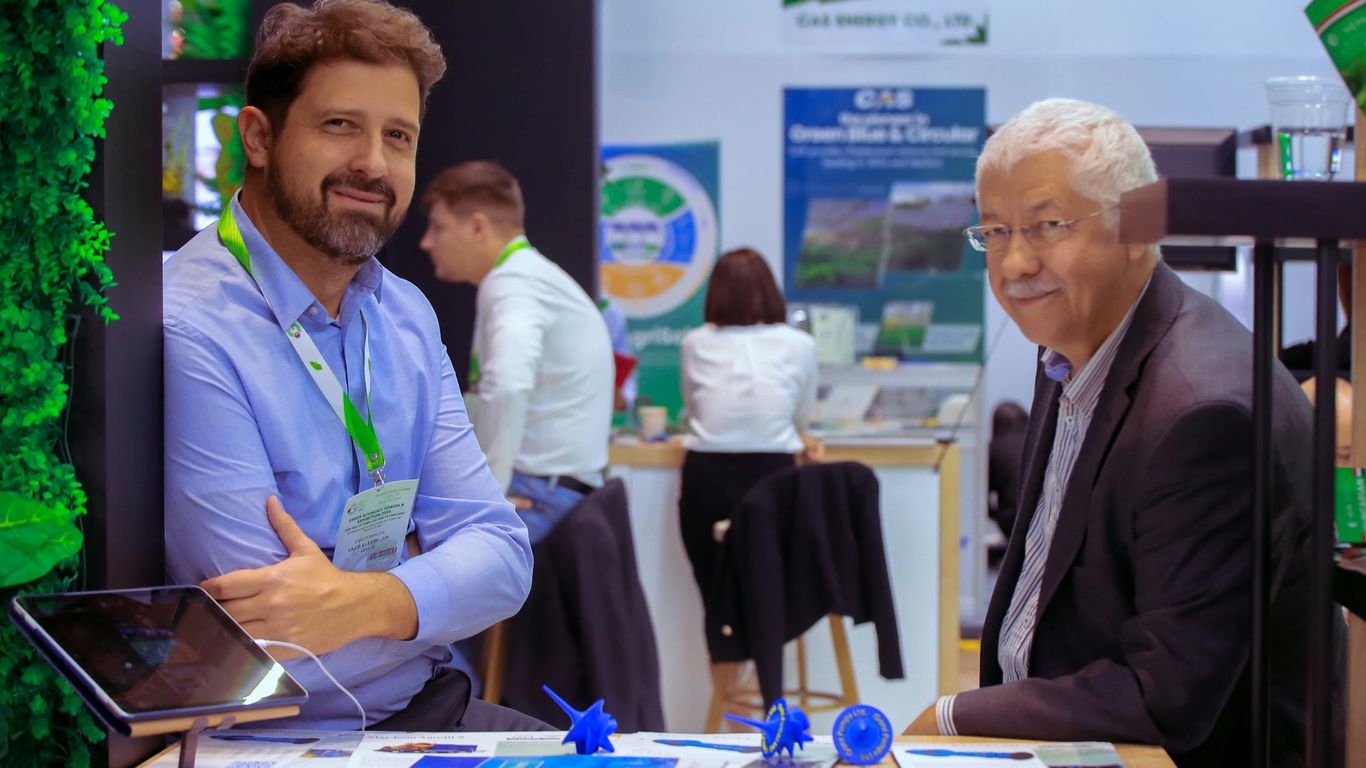
Look, nobody’s going to solve the big problems we’re facing alone. That much was clear at the Sustainable Tech Forum 2025. We’re talking about things like climate change, making sure everyone has a fair shot, and just generally making the world a better place. These aren’t small tasks, and they definitely can’t be handled by one company, or even one country.
The Necessity of Collaborative Efforts for Inclusivity
It’s pretty obvious that if we want to make real progress, we need everyone at the table. This means bringing together different groups – businesses, governments, non-profits, you name it. The goal is to create solutions that actually work for everyone, not just a select few. Think about it: how can we build a sustainable future if some people are left behind? It just doesn’t add up.
- Bringing diverse voices together helps us spot problems we might otherwise miss.
- Inclusive approaches lead to more creative and effective solutions.
- When people feel heard, they’re more likely to support and participate in the changes.
Public-Private Partnerships Driving Equitable Solutions
This is where things get interesting. When governments and private companies team up, they can really get things done. Governments can set the rules and provide some funding, while companies bring the innovation and the know-how to scale things up. This kind of partnership is key to making sure that new technologies and sustainable practices are available to everyone, not just those who can afford them.
For example, imagine a project to bring clean water to a remote region. The government might secure land rights and ensure fair distribution, while a tech company could develop and install the necessary purification systems. It’s a win-win, and more importantly, it’s a win for the community.
Fostering Multilateral Dialogue for Global Challenges
Beyond just public and private sectors, we need a global conversation. Issues like climate change don’t stop at borders. We need countries talking to each other, sharing what works, and agreeing on common goals. The UN Global Compact, for instance, is working to get businesses on board with global goals, pushing for things like climate action and fair labor practices. It’s this kind of worldwide teamwork that will actually move the needle on the biggest challenges we face. Without it, we’re just spinning our wheels.
Accelerating Climate Action Through Collective Efforts
Look, the planet’s heating up, and we can’t just sit around hoping it gets better. The Sustainable Tech Forum 2025 made it super clear: we need to team up, use smart tech, and get serious about cutting emissions. It’s not just about feeling good; it’s about making sure businesses can actually keep going in the long run.
Urgency of Climate Action and Net-Zero Emissions
We’re past the point of small steps. The science is shouting at us, and the clock is ticking. Getting to net-zero emissions isn’t some far-off dream anymore; it’s a must-do. This means every industry has to look at how it operates and find ways to drastically reduce its carbon footprint. It’s a massive undertaking, but the alternative – a world struggling with extreme weather and resource scarcity – is way worse. We need to act now, together, to build economies that work with nature, not against it.
Industry-Wide Decarbonization Pathways
So, how do we actually do this? The forum talked a lot about creating clear roadmaps for different industries to cut their emissions. This isn’t a one-size-fits-all situation. Different sectors have different challenges and opportunities. Think about manufacturing versus agriculture; they’ll need different strategies. The key is to make sure this transition is fair, meaning workers and communities aren’t left behind. We need plans that are practical and achievable, not just wishful thinking.
Here’s a look at some general areas industries are focusing on:
- Switching to renewable energy sources.
- Improving energy efficiency in operations and buildings.
- Developing circular economy models to reduce waste.
- Investing in carbon capture technologies where emissions are hard to avoid.
Leveraging Technology and Nature-Based Solutions
It’s not all about new gadgets, though technology plays a big part. Things like AI can help us optimize energy use and track emissions more accurately. But we also need to remember the power of nature. Planting trees, restoring wetlands, and protecting forests aren’t just nice to have; they’re powerful tools for absorbing carbon and building resilience. The challenge is bridging the gap between having these solutions available and actually scaling them up so they make a real difference globally. We need affordable, reliable, and clean energy for everyone, and that means using every tool in the box, both man-made and natural.
Rebuilding Trust and Investing in Human Capital
It’s pretty clear that the way we work is changing, and fast. With all this new tech popping up, like AI and other advanced stuff, it’s easy to think the machines are taking over. But honestly, the real power is still with people. We need to focus on what makes us human to get ahead.
The Human Factor in the Digital Age
Think about it. AI can crunch numbers and spot patterns like nobody’s business, but it can’t really feel or understand people. That’s where we come in. Skills like figuring out complex problems, coming up with new ideas, and just generally being good with people – those are becoming super important. It’s not about knowing how to code every new gadget; it’s about knowing how to lead teams that do use the tech, and making sure it’s used the right way. The World Economic Forum even pointed out that almost half of our job skills might need a refresh by 2030. That’s a big number, and it means we can’t just sit back.
Fusing Human Skills with Business Acumen
Being good with people is great, but it’s even better when you can connect it to the bottom line. Leaders today need to understand how their decisions affect the company’s finances. It’s about mixing that emotional smarts with practical business sense. Imagine a leader who can empathize with their team and make a solid financial plan. That’s the kind of person who can actually make things happen.
Here’s a quick look at what’s becoming more important:
- Resilience, Flexibility, and Agility: Being able to bounce back and adapt quickly.
- Creative Thinking: Coming up with fresh solutions.
- Curiosity and Lifelong Learning: Always wanting to know more and learn new things.
Cultivating a Continuous Growth Mindset
It’s not just about learning new things; it’s about changing how we think about learning. We need to be okay with not knowing everything and be open to feedback. It’s about being curious and wanting to get better, not just for ourselves, but for the whole organization. Companies that learn faster than the world changes are the ones that will stick around. It’s like having a good compass for a future that’s always shifting – you might not know the exact path, but you know how to find your way.
Navigating the Future of Work and Skills
The world of work is changing, and fast. It feels like every few years, the skills we thought were solid gold suddenly become… well, less shiny. The latest buzz from the Sustainable Tech Forum 2025 is all about getting ahead of this curve. We’re not just talking about minor tweaks; some reports suggest nearly 40% of what we consider core job skills could shift by 2030. That’s a huge chunk of our professional lives that might need a serious update.
Anticipating and Managing Future Skills Requirements
So, how do we even begin to guess what skills will be hot tomorrow? It’s not about crystal balls, but about paying attention to trends. Think about how much AI and automation are already changing things. This means skills like critical thinking, problem-solving, and creativity are becoming more important, not less. We need to be able to work with these new tools, not just be replaced by them. It’s about understanding the tech, sure, but more importantly, it’s about knowing how to apply human smarts to the problems technology can help us solve.
The Rise of Continuous Learning Strategies
Remember when learning was mostly done in school, and then you were ‘done’? Yeah, that’s pretty much over. The forum hammered home the idea that learning isn’t a one-time event anymore; it’s an ongoing process. Companies that are doing well are treating learning like a core part of their business strategy. It’s not just about sending people to a workshop once a year. It’s about building a culture where asking questions, trying new things, and learning from mistakes is just part of the daily grind. The most successful organizations are those that learn faster than the world around them changes.
Upskilling and Reskilling for Organizational Agility
This is where the rubber meets the road. If skills are changing, we need ways to update the ones we have (upskilling) and learn completely new ones (reskilling). This isn’t just for individuals; it’s for entire companies. Being able to adapt quickly, or being agile, is key. It means having a workforce that can pivot when needed, whether that’s adopting new software, changing how a project is managed, or even shifting business focus. It’s about making sure your team has the right tools and knowledge, not just for today, but for whatever comes next. This requires a mindset shift, moving from seeing challenges as roadblocks to seeing them as chances to grow and learn.
Wrapping Up the Sustainable Tech Forum 2025
So, what’s the big picture after all the talks and presentations at the Sustainable Tech Forum 2025? It really came down to a few main ideas. First off, businesses can’t just ignore sustainability anymore; it’s actually good for staying strong and coming up with new ideas. Plus, all this new tech, like AI, is a double-edged sword – it can help us a lot, but we need to be careful and use it the right way. And maybe most importantly, nobody can fix these big global problems alone. We saw a lot of talk about how working together, across different groups and countries, is the only way forward. It’s clear that the future depends on us all pitching in and making smart choices, especially when it comes to our planet and each other.