
Thinking about where energy is headed can feel like a puzzle. It’s easy to get lost in all the talk, but some real progress is happening. We’re seeing new ideas pop up and old ways of doing things start to fade. This is all about figuring out what’s actually working now and what will help us move forward. CleanTechnica often looks at these real-world examples to see how things are changing.
Key Takeaways
- The future of energy isn’t just a dream; it’s already showing up in places where clean tech is being used. CleanTechnica points out that these ‘pockets of the future’ are real and growing, but not everywhere at once.
- Looking at what’s working globally, like solar power in Pakistan or electric ferries in Norway, helps us find solutions that can actually be scaled up. It’s more about what’s practical than just theory.
- Old ideas about energy, especially those from years ago, don’t always fit today’s reality. Focusing on numbers and what’s actually happening now is more helpful than sticking to outdated frameworks.
- Clean energy growth happens in different ways: sometimes it’s fast and easy for people to adopt (modular), other times it needs big projects and planning (infrastructure), and sometimes it needs things to be made easier (unlockers).
- Even though batteries are lasting longer and getting reused, the push for recycling is important for the future. Wind and solar are set to be the main power sources, and they’re much cleaner than older methods, despite some misinformation.
Understanding Pockets Of The Future With CleanTechnica
You know, it’s easy to get lost in all the talk about what could happen with clean energy. But honestly, a lot of it is already happening, just not everywhere at once. Think of it like William Gibson said, ‘The future is already here, it’s just unevenly distributed.’ That’s what we mean by ‘pockets of the future’ – places or systems where clean energy solutions are actually working, making money, and growing because they make sense, not because someone is forcing them. When these things don’t spread, it’s usually because of rules, old ways of thinking, or just plain inertia, not because the science or engineering isn’t there.
The Future Is Already Here, Just Unevenly Distributed
So, where are these pockets? They aren’t just lab experiments or hopeful ideas. They’re real, operating businesses and systems. For example, in Pakistan, rooftop solar has taken off because the government mostly stayed out of the way. People just put up panels and started generating power. Similarly, in East Africa, folks are importing solar panels and electric bikes, setting up charging stations, and building out their own energy systems piece by piece. It’s fast, it’s spread out, and it doesn’t need a big central plan.
Identifying Scalable Clean Energy Solutions
When we look for solutions that can actually grow, we need to ask a few key questions. First, does it actually work? We need to be sure the technology is sound, the engineering is solid, and the chemistry makes sense. Second, is it affordable? If there are several options, the ones that cost less are the ones that will spread. It’s pretty simple economics: if it does the job, works well, and is cheaper, it’s going to scale. Finally, will people accept it? Even the best technology won’t go anywhere if people aren’t comfortable with it.
Lessons From Global Clean Energy Deployments
Looking around the world shows us a few patterns. We see modular systems, like those solar rooftops or electric motorcycles, spreading quickly where rules don’t get in the way. Then there’s the big infrastructure projects, like Norway’s electric ferries or China’s massive investments in pumped hydro storage. These are planned, capital-intensive efforts. We also see ‘unlockers’ – things like expanding transmission lines or better grid planning – that help everything else move forward. Understanding these different ways things scale helps us see what’s possible and what might work in our own communities.
Rethinking Energy Narratives With CleanTechnica Insights
It’s easy to get stuck in old ways of thinking about energy. Sometimes, you see arguments that rely on data from over a decade ago, like David MacKay’s 2008 book, Sustainable Energy Without the Hot Air. While that book was important for its time, insisting on numbers and real-world constraints, the energy landscape has changed a lot since then. Clinging to outdated analyses can actually slow down progress.
Beyond Outdated Energy Frameworks
Back in the late 2000s, when MacKay’s book came out, the conversation around energy was pretty vague. His work was a breath of fresh air because he insisted on using actual numbers and looking at physical limits. He made it clear that the amount of energy we use is huge, and replacing fossil fuels would require a massive build-out of new infrastructure. That was a valuable point. However, the world has moved on. Solar, wind, and battery costs have dropped dramatically, and technologies have advanced in ways that weren’t fully predictable back then. Using that old book as a definitive guide today, especially to argue against renewables or for things like hydrogen as a primary energy carrier, just doesn’t make sense anymore. It’s like using a map from the 1990s to navigate modern cities – some of the main roads might still be there, but you’ll miss all the new developments.
The Enduring Value of Numerical Analysis
What is still valuable from that era of thinking is the discipline of using numbers and understanding scale. We still need to look at the data. For example, when we talk about wind turbines, the numbers show they are incredibly clean compared to coal. A megawatt-hour of wind power releases vastly less mass into the environment than coal – think thousands of times less. This includes fewer greenhouse gases, less sulfur dioxide, and no mercury or radioactive materials. The opposition often comes from visibility, not from actual environmental or health data. It’s important to stick to the facts and figures.
Adapting To Evolving Energy Realities
We also need to acknowledge how quickly things are changing, especially with batteries. Early on, people expected a huge flood of old electric vehicle batteries to be ready for recycling by now. But guess what? Batteries are lasting about twice as long as predicted. Plus, many of these "old" batteries are getting a second life. They’re being repurposed for stationary energy storage, like for homes or the grid, adding another 10 to 15 years of use. This means the volume of batteries hitting true end-of-life for recycling is lower than expected, for now. It’s a good problem to have, showing how technology is improving and extending the useful life of components. We need to adapt our expectations and plans based on these real-world developments, not on old assumptions.
Patterns Of Clean Energy Acceleration
It’s fascinating to see how clean energy solutions are popping up and spreading around the world. It’s not always a smooth, top-down process. Instead, we’re seeing a few distinct ways these technologies gain traction, which helps explain why some places are way ahead in the clean energy game while others lag.
Modular And Permissionless Growth
This is where things take off without needing a ton of red tape or big, upfront commitments. Think about rooftop solar in places like Pakistan. The government didn’t really get in the way, and suddenly, solar panels were everywhere. People just started installing them on their homes and businesses. It’s like building with LEGOs – you can add pieces as you go, and you don’t need permission from a central authority for every single brick. The same goes for electric motorcycles in East Africa. Folks are importing them, setting up charging stations, and building out the infrastructure themselves. It’s fast, it’s distributed, and it doesn’t wait for slow-moving institutions.
- Rooftop solar in Pakistan: Massive adoption driven by high electricity prices and frequent outages.
- Electric motorcycles in East Africa: Battery swapping networks are growing organically to replace gas-powered bikes.
- Small-scale wind turbines: In some rural areas, individuals are installing small turbines without needing complex permits.
Institutional Infrastructure Buildout
Then there’s the other side of the coin: big, coordinated projects that require serious planning and investment. This is more like building a highway system. You see it with electric ferries being deployed at scale in places like Norway, or the massive investments in pumped hydro storage in China. These aren’t small, incremental steps. They’re large-scale infrastructure projects that need central planning and significant capital. They make sense when you’re looking at the whole system and planning for the long haul, especially for things like grid stability and large-scale energy storage.
| Project Type | Example Location | Scale of Deployment | Notes |
|---|---|---|---|
| Electric Ferries | Norway | Hundreds | Replacing diesel ferries, reducing emissions |
| Pumped Hydro Storage | China | Hundreds of GW | Critical for grid stability and renewables |
| High-Voltage DC Lines | Europe | Continental Scale | Connecting renewable energy sources |
The Role Of System Unlockers
Sometimes, progress gets stuck not because the technology isn’t ready, but because certain pieces of the puzzle are missing. These are the ‘unlockers’. Expanding transmission lines, for instance, can open up huge possibilities for renewable energy by moving power from where it’s generated to where it’s needed. Similarly, better grid planning that looks at the entire system, not just individual projects, can make a big difference. These aren’t technologies you use directly, but they are critical for making everything else work more smoothly and at a larger scale. These unlockers are often the key to moving beyond pockets of innovation to widespread adoption.
- Transmission expansion: Allows renewable energy to reach more consumers.
- Centralized grid planning: Optimizes energy flow and grid stability.
- Thermal energy storage: Helps balance supply and demand for heating and cooling.
Navigating Local Clean Energy Transitions
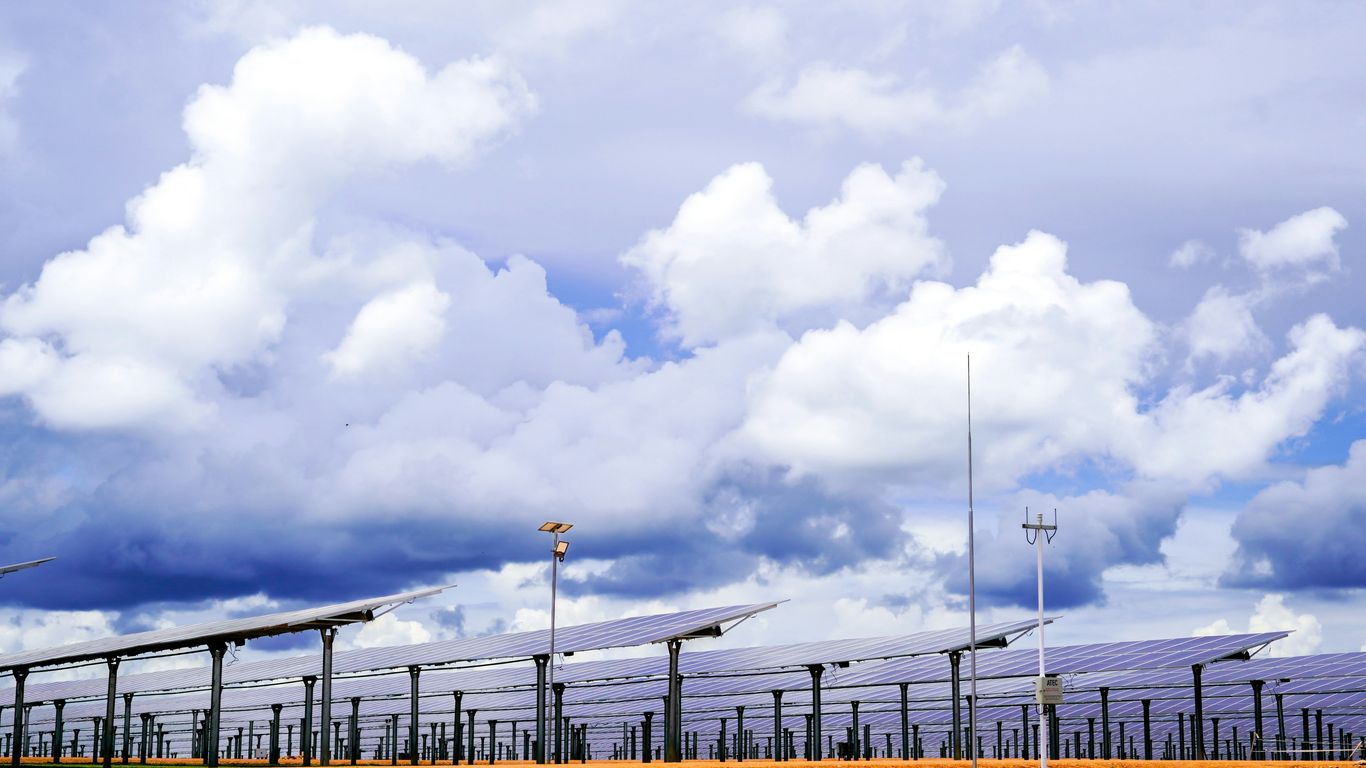
Thinking about how clean energy actually shows up in different places can be a bit like looking at a map where some cities are lit up bright and others are still dark. It’s not just about having the technology; it’s about how it fits into the local scene. Take Oahu, for example. You can actually see the clean energy stuff happening there – solar panels on roofs, maybe some battery storage systems humming away. It’s a visible architecture of what a cleaner future can look like on an island.
But just seeing it isn’t enough to make it spread everywhere. There are always hurdles. Sometimes it’s about land. Where do you put all these new solar farms or wind turbines? Then there are the rules and regulations. Different towns, different states, even different countries have their own ways of doing things, and these can slow things down a lot. It’s not always about the tech itself, but about the paperwork and the planning.
And then there’s the people part. Even if a project makes perfect sense on paper, if the folks living there aren’t on board, it’s going to be a tough go. We need to make sure people feel like they’re getting something out of it, or at least not being negatively impacted. This means talking about more than just carbon numbers. We should be talking about stable energy costs, making sure the lights stay on during storms, and not being so reliant on fuels from far away. It’s about building systems that people can see protect what they care about.
Here are a few things that seem to matter a lot:
- Making it easy to get started: Think about systems that can be added on bit by bit, like putting up a few solar panels at a time. This works best when the local rules aren’t a big roadblock.
- Big projects need big plans: Things like upgrading the power lines or building large battery storage facilities often need a more coordinated, long-term approach. Someone needs to be looking at the whole picture.
- Finding the ‘unlockers’: Sometimes, a specific piece of infrastructure or a change in how things are planned can open the door for lots of other clean energy projects to happen more easily.
Ultimately, getting clean energy working locally isn’t just an engineering problem. It’s about fitting the technology into the existing systems, whether that’s the rules, the economy, or just how people live their lives. When it fits well, it can take off. When it doesn’t, it tends to get stuck.
The Scalability Of Renewable Energy Sources
Wind Turbines As A Benign Energy Source
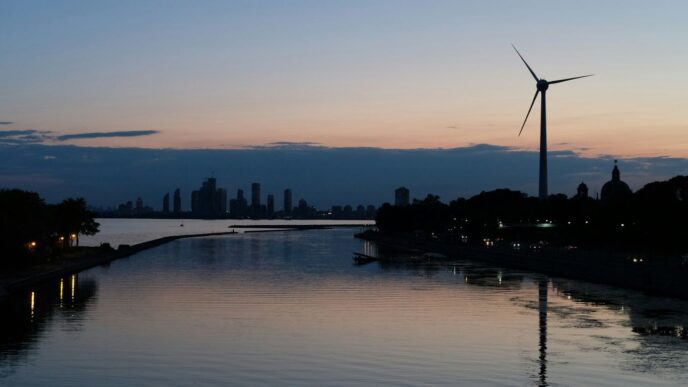
When you look at how we generate electricity, wind turbines are really one of the most straightforward and clean ways we’ve figured out. They’ve gotten so much better over the years, and honestly, they’re set to be a huge part of our energy future. Think about it – they harness natural wind, which is free and abundant. The technology has advanced so much that they’re now a major player in replacing older, dirtier energy sources. It’s not just about the big offshore farms, though those are impressive. Smaller, more distributed wind projects are popping up too, fitting into different landscapes and needs.
The Dominance Of Solar And Wind Power
It’s pretty clear that solar and wind are leading the charge when it comes to new energy generation. Costs have dropped dramatically, making them competitive with, and often cheaper than, traditional power plants. This isn’t just a trend; it’s a fundamental shift. We’re seeing massive build-outs globally, from rooftop solar panels on homes to huge solar farms and offshore wind parks. This growth isn’t just about the technology itself, but also how it fits into our existing infrastructure and how quickly we can deploy it.
Here’s a look at how costs have changed:
| Technology | Early 2010s Cost (per Watt) | Early 2020s Cost (per Watt) | Levelized Cost (per MWh) |
|---|---|---|---|
| Utility Scale Solar | $4 – $6 | < $1 | < $30 |
| Offshore Wind | N/A (Higher) | Significantly Lower | Undercutting Fossil |
Addressing Misinformation On Renewable Impacts
There’s a lot of talk out there about the downsides of solar and wind, and some of it isn’t quite accurate. For instance, people sometimes worry about the land or sea space they take up. But when you compare it to the footprint of fossil fuel extraction and power plants, renewables often come out ahead, especially when you consider the environmental damage from those older methods. Plus, with better planning and siting, we can minimize the visual or ecological impacts. It’s about looking at the whole picture, not just isolated concerns. The reality is, these technologies are becoming increasingly efficient and less impactful, and they are key to reducing our overall environmental harm.
The Future Of Energy Storage And Recycling
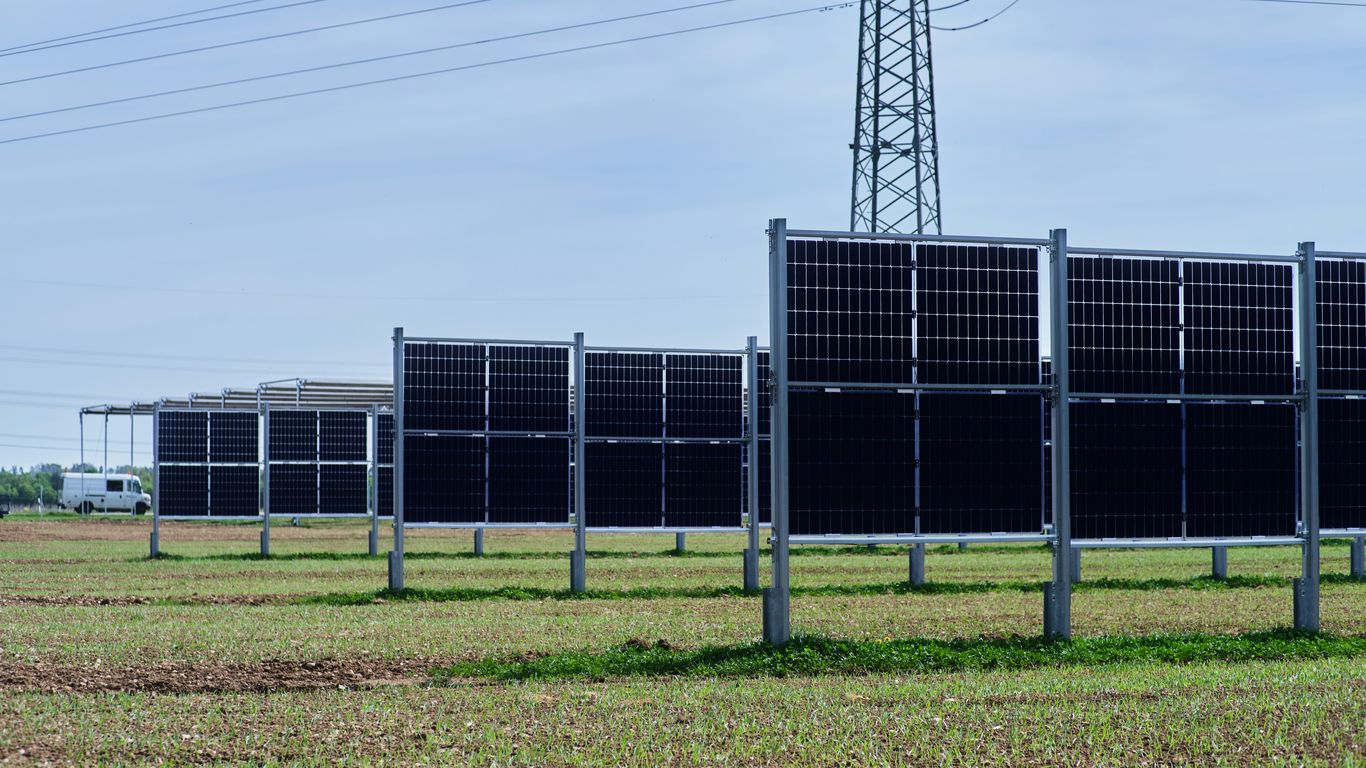
Okay, so let’s talk about batteries and what happens to them. It’s a pretty big deal as we move more towards electric vehicles and renewable energy. You might think there’s a mountain of old EV batteries piling up right now, ready to be recycled. Turns out, it’s not quite like that, at least not yet.
Extended Lifespans Of Electric Vehicle Batteries
One of the surprising things is how long these batteries are actually lasting. Early on, people figured EV batteries would be toast after maybe five or six years. But they’re proving to be way more durable. We’re seeing batteries last closer to ten years, sometimes even longer, before they’re really considered ‘end-of-life’ for driving.
Repurposing Batteries For Stationary Storage
And here’s where it gets interesting: a lot of these "old" EV batteries aren’t just sitting around waiting for a recycling plant. Companies are taking them and giving them a second life. They’re refurbishing them and using them for stationary energy storage. Think of it like giving a retired athlete a coaching job – they’ve still got plenty of value to offer. These repurposed batteries can help store solar or wind power for homes, businesses, or even the grid itself. This extends their usefulness for another decade or so.
The Emerging Battery Recycling Landscape
Because batteries are lasting longer and getting repurposed, the sheer volume of batteries ready for recycling isn’t as huge as some predicted. This means the recycling industry, while growing, is still gearing up for the massive wave that’s coming. It’s not that recycling isn’t happening, it’s just that the supply of batteries hitting their absolute final end-of-life is lower than expected right now. But don’t worry, that surge is coming. We’re seeing new recycling facilities being built and processes refined. It’s a bit of a timing thing, but the infrastructure is definitely being put in place. The key takeaway is that batteries are providing value for longer, both in vehicles and in new storage applications, before they even reach the recycling stage.
Decarbonization Strategies Beyond Electrification
While electrifying everything we can is a huge part of the climate puzzle, it’s not the whole picture. Some areas just don’t make sense to electrify, or there are better, less disruptive ways to cut emissions. Think about agriculture, heavy industry, or even how we heat our homes and buildings. These sectors often have unique challenges that require different kinds of solutions.
Biological Nitrogen Fixation In Agriculture
Farming uses a lot of synthetic nitrogen fertilizer, which is a big source of greenhouse gases and water pollution. But what if crops could get their nitrogen from the air, like plants do naturally? Scientists are working on ways to get microbes to help plants fix nitrogen. Companies are already putting these microbes into products that farmers can use. For example, some corn farmers in the US are using these products and are able to cut back on synthetic fertilizers by about 20% to 30%. It’s not a complete replacement yet, but these small changes add up across millions of acres. This means we can grow food with fewer emissions, without asking farmers to completely change how they farm.
Industrial Substitutions For Reduced Emissions
In industry, we’re seeing changes that don’t involve switching to electricity. For instance, in construction, using mass timber instead of concrete and steel can significantly lower the carbon footprint of buildings. Think of tall wooden buildings – they look and function just like traditional ones, but they use materials that store carbon. This approach is gaining traction, especially in places like Canada and Austria, where they’re building entire industries around it. It’s about changing the materials we use, not necessarily how we build.
Heat Decarbonization Through Utility Comfort Sales
Heating our homes and businesses is another area where electrification isn’t always the easiest path. Instead of just selling natural gas, some utility companies are starting to think about selling ‘thermal comfort’ – essentially, keeping people warm or cool. This shift in thinking allows them to promote solutions like heat pumps and district heating systems, which are much more efficient than burning fossil fuels. In places like the Netherlands, cities are planning to disconnect entire neighborhoods from the natural gas grid, moving residents to electric heating or shared heating systems. This planned approach helps manage the transition smoothly, avoiding the problems of old infrastructure sitting unused. It’s about rethinking how we deliver heat services, making them cleaner and more efficient without relying on burning gas.
Looking Ahead
So, what does all this mean for where we’re headed with energy? It’s clear the future isn’t some far-off dream; it’s already happening in pockets around the world. We’ve seen how things like solar power and electric vehicles are taking off, sometimes because governments get out of the way, and other times through big, planned projects. The key takeaway is that what works in practice, what makes sense economically and operationally, is what’s going to spread. It’s not just about new tech; it’s also about figuring out the rules, the planning, and how to get people on board. The path forward involves recognizing these successful models and figuring out how to scale them up, making sure they work for everyone. It’s a complex puzzle, but the pieces are starting to fit together.