
South Korea is really stepping up its game in the world of artificial intelligence. It’s not just about keeping up; they’re aiming to lead. With a strong background in tech and a clear vision, the country is making big moves. This article looks at what South Korea is doing with AI, why it matters globally, and what we can expect next.
Key Takeaways
- South Korea is building on its strengths in areas like semiconductors and manufacturing to become a major player in AI.
- The country is focused on developing its own national AI capabilities, often referred to as ‘sovereign AI,’ to ensure strategic independence and tailor solutions to its needs.
- AI is being actively used to change how industries like healthcare, beauty, manufacturing, and telecommunications operate in South Korea.
- There’s a big push to train people with AI skills, with universities and education programs playing a key role in preparing the workforce.
- South Korea is looking to work with other countries on AI and believes its cultural approach can influence how AI is used worldwide, aiming for global leadership.
South Korea’s Ascendancy in the Global AI Arena
Leveraging Unique Strengths for AI Innovation
South Korea isn’t just jumping on the AI bandwagon; it’s building its own lane. The country has a knack for turning technological prowess into real-world applications. Think about it: Korea is already a world leader in things like memory chips and advanced manufacturing. This isn’t just about making better phones or faster computers; it’s about having the foundational tech to build sophisticated AI systems from the ground up. They’re not just consumers of AI; they’re actively creating it, using their existing strengths to push the boundaries.
From Semiconductor Prowess to AI Leadership
It’s no secret that South Korea dominates the semiconductor market, especially in memory chips. This isn’t a small thing when it comes to AI. AI models, particularly the big ones, need massive amounts of computing power and memory. Having this domestic capability means Korea has a significant advantage. They can design and produce the very hardware that powers AI, giving them more control and speed in development. It’s like having the best ingredients and the best kitchen – you’re bound to cook up something amazing.
A Full-Stack Powerhouse in Technology and Industry
Korea’s AI game goes beyond just chips. They’re strong across the board. Look at robotics: the country has one of the highest robot densities in the world, meaning robots are everywhere in factories and industries. This hands-on experience with automation and physical systems is a huge plus for developing AI that interacts with the real world. Plus, their manufacturing sector is top-notch, and they’re making waves in areas like healthcare too. This broad industrial base means AI isn’t just an abstract concept; it’s being applied and tested in practical, everyday settings, making Korea a complete AI player.
Pioneering Sovereign AI and National Ambitions
South Korea isn’t just playing catch-up in the AI game; it’s setting its own rules. A big part of this is the push for what’s called "sovereign AI." Think of it as building our own AI, tailored to our needs and values, rather than relying solely on what other countries create. This isn’t just about national pride, though that’s part of it. It’s about having strategic independence, making sure our data stays ours, and aligning AI development with our unique cultural landscape. It’s a move that’s both exciting and, honestly, a little bit debated.
The Strategic Imperative of Sovereign AI
Why all the fuss about sovereign AI? Well, it boils down to a few key things. For starters, it’s about not being dependent on foreign tech giants for something as critical as artificial intelligence. This independence is vital for national security and economic stability. Plus, when you build your own AI, you can make sure it reflects your own cultural nuances and ethical standards. It’s like having a national identity for your digital brain.
- Strategic Independence: Reduces reliance on external AI systems.
- Data Sovereignty: Keeps sensitive national data secure and under local control.
- Cultural Alignment: Ensures AI development respects and reflects Korean values and society.
- Economic Opportunities: Creates domestic jobs and industries around AI development and deployment.
Developing National AI Models: Opportunities and Challenges
South Korea has set ambitious goals, like developing its own national AI models, sometimes referred to as "K-AI." The idea is to create top-tier foundation models that can compete on a global scale. This is a massive undertaking, though. Building these models requires huge amounts of data and computing power, and frankly, it’s a tough race when countries like the US and China are already so far ahead. It’s a bit like trying to build a whole new operating system when everyone’s already using Windows or macOS. It’s a huge challenge to find a unique angle that makes it worth the effort.
| Area of Focus | Current Status |
|---|---|
| Foundation Models | Developing national models (e.g., K-AI project) |
| Computing Power | Investing in infrastructure, but still a gap |
| Data Availability | Leveraging domestic data resources |
| Global Competition | Facing established players in US and China |
Government Initiatives to Foster AI Independence
The government is really putting its weight behind this. They’ve been pouring money into AI research and development, setting up programs to get universities and companies working together. There’s a significant investment planned, with a good chunk going towards projects at places like Seoul National University. The goal is clear: to become a global AI powerhouse, not just a user of AI, but a creator. It’s a long-term vision, and they’re taking concrete steps to make it happen, including new laws and support measures to help Korean companies and researchers lead the charge.
Transforming Industries with Artificial Intelligence
AI’s Impact on Healthcare and Beauty Sectors
South Korea is really leaning into AI to make things better in healthcare and beauty. Think about it – AI can help doctors figure out what’s wrong with you faster, or even help design new medicines. It’s not just about fixing people, though. In the beauty world, AI is being used to help people find the perfect makeup or skincare routine. Companies like Amorepacific are using AI to cut through all the confusing choices and give you personalized recommendations. It’s like having a super-smart assistant for your health and your look.
Enhancing Manufacturing and Robotics with AI
Manufacturing is a huge deal in Korea, and AI is changing the game. One big challenge is that a lot of skilled workers, the ones who really know how to do things by hand, are getting older and retiring. AI can help capture that know-how, the stuff that’s hard to write down, and put it into machines. This means robots can get smarter and more adaptable. We’re seeing AI help design things, like new materials or even genetic tools, way faster than before. Plus, Korea is already a leader in robots, and AI is just making them even more capable. This push for smarter robots and capturing worker knowledge is key to keeping Korean manufacturing competitive.
AI-Driven Advancements in Telecommunications
When it comes to staying connected, AI is playing a bigger role than you might think. In telecommunications, AI is being used to manage networks more efficiently, making sure your calls and internet are smooth. It can also help predict when equipment might fail, so companies can fix it before it causes problems. This means fewer dropped calls and faster internet speeds for everyone. AI is also helping to create new services, making communication more personalized and useful.
Cultivating AI Talent and Educational Ecosystems
South Korea knows that building a future powered by AI isn’t just about having the best tech; it’s about having the people who can create, use, and improve it. This means a big push in education, from universities right down to how we teach kids in school. The government is really getting involved, planning programs to train teachers and setting up rules for using AI safely. It’s all about making sure everyone, everywhere, can get up to speed with AI knowledge. This initiative aims to foster cooperation and integrate AI knowledge across educational institutions.
The Role of Universities in AI Development
Universities are basically ground zero for AI innovation in South Korea. They’re not just teaching students; they’re actively researching and developing new AI applications. Think of them as the engines driving progress. They’re working on creating AI tools that help students learn better, not just find quick answers. For example, some platforms are being designed to act more like tutors, guiding students through complex topics instead of just spitting out facts. This approach helps students really grapple with the material, which is where true learning happens. It’s a shift from just getting an answer to actually earning the knowledge.
Building an AI-Ready Workforce
To keep up with the global AI race, South Korea needs a workforce that’s comfortable and skilled with artificial intelligence. This isn’t just for tech jobs either; AI is becoming part of many different industries. The country is investing heavily in making sure people have the skills needed to work alongside AI. This includes training programs and making sure that AI is seen as a tool to boost productivity and create new opportunities, rather than just a replacement for jobs. The goal is to have people who can effectively use AI to solve problems and drive innovation.
AI-Powered Education and Skill Development
Education itself is getting a serious AI upgrade. We’re seeing new tools and methods designed to make learning more effective and accessible. One big area is personalized learning, where AI can adapt to each student’s pace and style. Imagine having a personal tutor available anytime, helping you understand difficult subjects. This kind of one-on-one support, which used to be rare, could become common thanks to AI. Of course, there are challenges, like making sure students don’t just use AI as a shortcut. But when used correctly, guided by educators, AI can really make learning better. It’s about using these new technologies to help students achieve more and prepare them for a future where AI is everywhere. If you’re interested in how AI is changing education, looking into the work being done by organizations like OpenAI can be quite insightful.
Global Collaboration and South Korea’s AI Vision
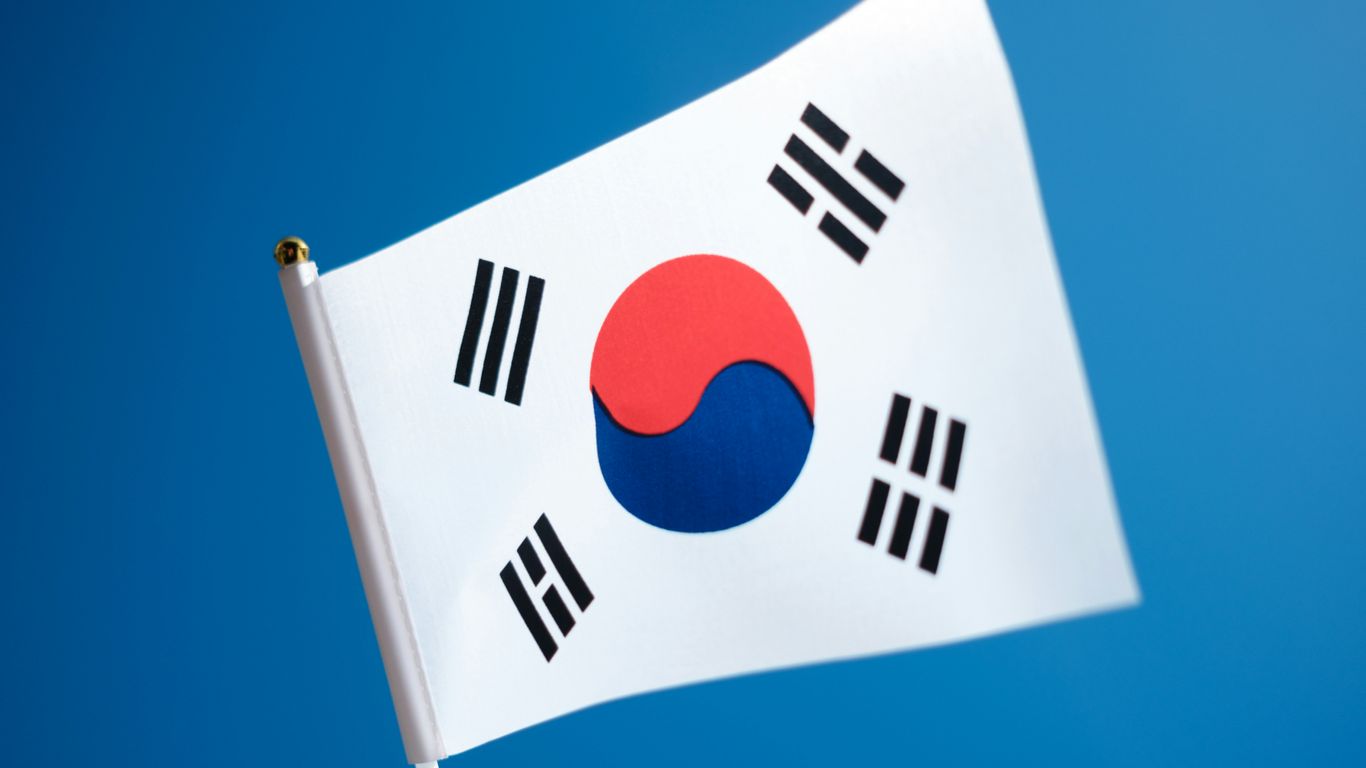
South Korea isn’t just building its own AI future; it’s actively looking outward, connecting with global players and sharing its unique perspective. It’s a two-way street, really. On one hand, Korean companies and researchers are teaming up with international leaders to push the boundaries of what AI can do. Think partnerships between big names like Seoul National University and global AI pioneers such as OpenAI. These collaborations aren’t just about swapping tech; they’re about combining different strengths and viewpoints to create AI that’s not only smart but also responsible and aligned with human values.
Partnerships Driving AI Innovation
These collaborations are pretty significant. For instance, the partnership between Seoul National University (SNU) and OpenAI is a big deal. It’s designed to bring together global AI knowledge with Korea’s strong academic research. The goal is to make sure that AI advancements actually lead to real-world benefits, both in Korea and elsewhere. It’s about more than just the technology itself; it’s about how people can use it. SNU students, for example, get a chance to work on cutting-edge projects and gain experience that can help them shine on the world stage. This kind of teamwork is seen as a key step in Korea’s plan to become a top-tier AI nation.
The Influence of South Korean Culture on AI Adoption
It’s not just about the tech giants, though. South Korea’s cultural landscape plays a surprisingly big role in how AI is adopted. You see this in how quickly new technologies are picked up and integrated into daily life. The famous ‘bali bali’ (hurry, hurry) culture, for example, means there’s a drive to make things faster and more efficient, which AI can certainly help with. Think about the beauty industry, where companies like Amorepacific are using AI to give personalized advice. They’ve developed an AI Beauty Counselor app that looks at your photo, figures out your skin type, and suggests products. It even lets you chat with the AI about your concerns. This kind of practical, people-focused application of AI is something that really stands out.
Contributing to Global AI Progress
South Korea’s vision extends beyond its own borders. The country aims to be a significant contributor to the global AI conversation. This involves not only developing advanced AI technologies but also shaping the ethical guidelines and standards for AI development worldwide. By pushing for initiatives like ‘sovereign AI’ – developing national AI capabilities while also engaging in international cooperation – Korea is trying to carve out its own path. This approach balances the need for national strategic independence with the reality that AI progress is a global effort. The idea is that by building its own strong AI foundation, Korea can then share its innovations and expertise, helping to advance AI for everyone, everywhere.
Economic Growth Fueled by AI Investments

It’s no secret that South Korea is betting big on artificial intelligence, and for good reason. The potential economic upside is massive. We’re talking about a significant boost to the nation’s GDP, with projections showing AI could add a substantial percentage to annual growth rates. It’s a bit like the early days of semiconductors; nobody was entirely sure how big of an impact they’d have, but look at us now. The speed at which AI is being adopted globally is unprecedented, and South Korea is right there at the forefront.
AI’s Projected Impact on National Economic Growth
Economists are still crunching the numbers, and honestly, there’s a wide range of predictions out there. Some see a modest uptick, while others foresee a more dramatic transformation. What’s clear is that AI isn’t just about chatbots. Think about scientific breakthroughs, defense applications, and making government services more efficient. These are the areas where AI can really move the needle, potentially accelerating economic growth much faster than we might initially expect. It’s a complex picture, and the exact figures are still developing, but the trend is undeniably upward.
Strategic Investments in AI Infrastructure
Building the foundation for AI success requires serious investment. This includes not just the hardware and computing power needed to train and run AI models, but also the digital infrastructure that supports it all. Right now, a lot of this critical compute capacity is concentrated in a few major players. For South Korea to truly lead, continued investment in its own AI infrastructure is key. This is where the country’s history of innovation, particularly in semiconductors, really comes into play. It’s about creating the backbone that will support future AI advancements and ensure access to AI capabilities.
The Return on Investment in AI Capabilities
So, what’s the payoff for all this investment? It’s multifaceted. For businesses, AI is already driving growth, improving operations, and creating new opportunities. We’re seeing a significant percentage of Korean workers already using generative AI at work, and many companies have integrated AI into their core processes. This translates to both top-line revenue increases and bottom-line savings. Beyond individual companies, the national economy stands to benefit from increased productivity, new industries, and a more skilled workforce. The growth in AI users, especially among younger demographics, suggests a bright future for AI adoption and its economic benefits. It’s a cycle: investment leads to innovation, which leads to economic growth, which then fuels further investment.
Looking Ahead
So, what does all this mean for South Korea and the rest of the world? It’s clear the country is making some serious moves in the AI space, not just talking about it. With big investments and a focus on things like physical AI and making sure they have their own tech, Korea is really trying to lead the pack. It’s not just about building fancy models, but also about how AI fits into everyday life and work, making things easier and maybe even creating new opportunities. While there are definitely questions about how this will all play out economically and globally, Korea’s history of innovation suggests they’re serious about this. It feels like we’re just at the start of this AI journey, and Korea is definitely one to watch as it figures out its own path and shares its advancements with everyone else.
Frequently Asked Questions
What makes South Korea good at AI?
South Korea is really good at AI because they are already leaders in making computer chips and have strong industries like making robots and advanced technology. They are also great at things like healthcare and beauty products, and they are investing a lot of money to become even better at AI.
What is ‘sovereign AI’ and why does Korea want it?
Sovereign AI means a country wants to build its own AI technology, like its own computer programs and models, instead of just using ones made by other countries. Korea wants this to be more independent, keep its data safe, and make sure AI fits with its own culture and needs.
How is AI changing Korean businesses?
AI is helping Korean businesses in many ways. For example, a beauty company is using AI to give personalized advice on makeup and skincare. A big phone company is using AI to make its work faster and safer. AI is helping companies create new things and connect better with customers.
Is Korea training enough people to work with AI?
Yes, Korea is working hard to train people for AI jobs. They are investing in schools and programs to help people learn about AI. Having smart people who know how to use and create AI is super important for the country’s future success.
Does Korea work with other countries on AI?
Yes, Korea believes in working with others. They are partnering with companies like OpenAI and universities like Seoul National University. This helps them share ideas, learn from each other, and make sure AI is used for good all around the world.
How much money is Korea spending on AI?
South Korea is putting a huge amount of money into AI. They have created large funds specifically for investing in AI technology, research, and the infrastructure needed to support it. This shows they are very serious about becoming a top AI nation.