
So, you’re curious about how to buy meme coins in 2025? It’s understandable. These digital tokens, often born from internet jokes, have exploded in popularity, offering a wild ride with the potential for big wins – and big losses. If you’re looking to get in on the action, this guide breaks down what you need to know, from setting up your digital wallet to spotting the next viral sensation, all while keeping your hard-earned cash as safe as possible. Let’s figure out how to buy meme coins together.
Key Takeaways
- Meme coins are digital currencies inspired by internet trends, often lacking real-world use but driven by community hype and potential for rapid gains.
- To buy meme coins, you’ll need a digital wallet and choose between centralized exchanges (like Binance) for ease of use or decentralized exchanges for newer tokens.
- Finding promising meme coins involves watching social media trends, checking community engagement, and looking at token details for transparency.
- Be aware that meme coins are extremely volatile and prone to scams; thorough research is vital before investing any money.
- Securing your meme coin investments means using reliable wallets and following best practices to protect your assets from theft or loss.
Understanding the Allure of Meme Coins
What Exactly Are Meme Coins?
Meme coins are a bit of a wild card in the crypto world. Unlike Bitcoin, which was designed as a digital currency, or Ethereum, built for smart contracts, meme coins usually start as a joke or a social media trend. Think of them as digital tokens inspired by internet memes, funny pictures, or even just a catchy idea. They often have a massive supply of coins, which can make them seem less valuable per coin, but this also means they can be more prone to big price swings. Their value isn’t typically tied to any underlying technology or real-world use case; instead, it’s all about what people think and talk about them online.
Why the Frenzy? Potential for High Returns
So, why do people get so excited about these meme coins? Well, the main draw is the potential for really big, fast profits. We’ve seen coins like Dogecoin and Shiba Inu go from practically nothing to being worth billions in a surprisingly short amount of time. It’s like hitting the jackpot, and that possibility attracts a lot of attention. People see these stories and think, "Maybe I can get in on the next big thing before it explodes." It’s a high-risk, high-reward situation, and for some, the chance of making a lot of money quickly is too tempting to pass up.
The Power of Community and Viral Momentum
What really makes meme coins tick is their community. These aren’t just digital assets; they’re often rallying points for online groups. Think of it like a digital fan club. When a community gets behind a meme coin, they promote it everywhere – on social media, forums, and chat groups. This constant buzz, or viral momentum, can push the coin’s price up, even if there’s no real reason for it. It’s a self-fulfilling prophecy: people talk about it, more people buy it, and that makes the price go up, which encourages even more people to talk about it. It’s a cycle driven by hype and collective enthusiasm.
Essential Steps on How to Buy Meme Coins
So, you’re looking to jump into the meme coin craze? It’s not as complicated as it might seem, but you do need to follow a few steps. Think of it like setting up an online shopping account, but for digital money. The whole process boils down to getting a digital wallet, picking a place to trade, and then actually buying the coins.
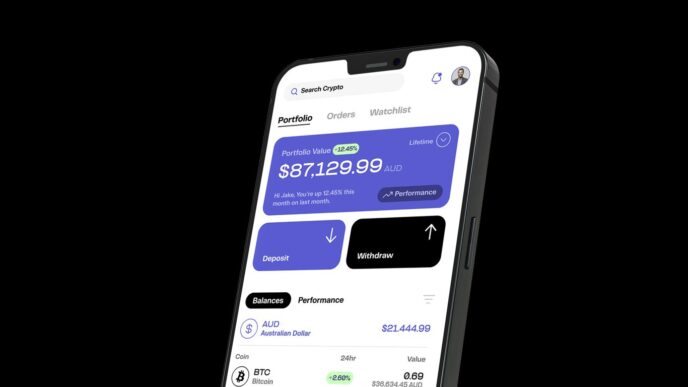
Setting Up Your Digital Wallet
First things first, you need a place to store your meme coins once you buy them. This is where a digital wallet comes in. It’s like a personal bank account for your crypto. There are different types, but for meme coins, a software wallet that you can download onto your phone or computer is usually a good starting point. Some popular ones include MetaMask, Trust Wallet, or Phantom. When you set one up, you’ll get a "seed phrase" – a list of words. Guard this phrase like it’s the key to your actual house; if you lose it, you lose access to your crypto.
Choosing the Right Exchange Platform
Next, you need an exchange. This is where you’ll swap your regular money (like USD) for cryptocurrency. There are two main types: Centralized Exchanges (CEXs) and Decentralized Exchanges (DEXs). CEXs are more like traditional online stores – easier to use, often have customer support, and you can buy meme coins directly with fiat currency. Platforms like Binance are a good example of a CEX where you can buy various cryptocurrencies. DEXs, on the other hand, are more for experienced users and offer access to a wider, often newer, range of tokens, but they can be a bit trickier to navigate. For beginners, starting with a CEX is usually the way to go.
Funding Your Account and Making the Purchase
Once you’ve picked your exchange and set up your wallet, it’s time to fund your account. You’ll typically link your bank account or use a debit card to deposit funds. After your money arrives on the exchange, you can then search for the meme coin you want to buy. You’ll enter the amount you wish to spend, review the transaction details (including any fees), and confirm your purchase. It’s a good idea to start with a small amount, especially if you’re new to this, just to get a feel for how it all works. Remember, meme coins can be super volatile, so only invest what you can afford to lose.
Navigating Exchanges: CEXs vs. DEXs for Meme Coins
Alright, so you’ve decided to jump into the wild world of meme coins. That’s cool. But before you can snag that next viral token, you need to figure out where to actually buy it. Think of it like choosing a store – some are big and familiar, others are smaller and have unique stuff. In the crypto space, these ‘stores’ are called exchanges, and there are two main types: Centralized Exchanges (CEXs) and Decentralized Exchanges (DEXs).
Centralized Exchanges: Ease of Use and Accessibility
These are probably what most people think of when they hear ‘crypto exchange.’ Think of places like Binance, Bybit, or Kraken. They’re run by a company, have customer support, and generally feel more like a traditional online service. For beginners, CEXs are often the easiest way to get started. You can usually deposit regular money (like USD or EUR) directly and then use it to buy crypto. They also tend to have more established coins listed, and sometimes, if a meme coin gets really popular, it might get listed on a CEX.
- User-friendly interface, great for newcomers.
- Often accept traditional payment methods.
- Can offer higher liquidity for popular coins.
However, CEXs can be a bit slower to list brand new, super-speculative meme coins. They have listing processes, and sometimes those newer, riskier tokens don’t make the cut.
Decentralized Exchanges: Access to Newer Tokens
Now, DEXs are a whole different ballgame. These operate without a central company in charge. Instead, they run on smart contracts, and you interact with them directly from your own crypto wallet. This is where you’ll often find the newest, freshest meme coins, sometimes even before they get any real attention. If you’re looking to get in on the ground floor of a potentially explosive new token, a DEX is likely where you’ll need to go. You’ll need a crypto wallet set up, like MetaMask, and you’ll typically trade one crypto for another (e.g., swapping Ethereum for a new meme coin).
- Access to a wider range of new and obscure tokens.
- You maintain control of your private keys.
- Trading happens directly from your wallet.
The trade-off is that DEXs can be a bit more complex to use, and you’re generally trading crypto for crypto, not directly with your bank account money. You also need to be extra careful about the tokens you’re buying, as anyone can list a token on a DEX, meaning scams are more common. For discovering newer tokens, DEXs are often better.
Key Factors When Selecting an Exchange
So, which one is right for you? It really depends on what you’re looking for. If you’re just starting out and want a simple way to buy some well-known meme coins, a CEX might be your best bet. If you’re feeling adventurous and want to hunt for the next big thing, you’ll probably need to get comfortable with a DEX. Here’s a quick rundown:
- Ease of Use: How simple is the platform to figure out?
- Token Availability: Does it list the meme coins you’re interested in?
- Fees: What does it cost to trade and withdraw?
- Security: How safe are your funds on the platform?
- Payment Methods: Can you easily deposit the money you want to use?
Identifying Promising Meme Coin Opportunities
So, you’re looking to find the next big meme coin, huh? It’s like trying to catch lightning in a bottle, but with a bit of savvy, you might just spot a winner before everyone else does. It’s not just about picking a funny picture; there’s actually some detective work involved.
Monitoring Social Media Trends and Buzz
Honestly, this is where most meme coins get their start. Think of platforms like Twitter (or X, as it’s called now), Reddit, and even TikTok. These places are buzzing with chatter about new coins. If you see a particular coin popping up a lot, getting a ton of likes, retweets, or upvotes, that’s a sign it’s gaining traction. It doesn’t guarantee success, not by a long shot, but it’s a good indicator that people are talking about it. The earlier you spot this buzz, the better your chances of getting in before the price really takes off. It’s like hearing about a cool new band before they hit the mainstream charts.
Assessing Community Engagement and Support
This is super important. Meme coins often live or die by their community. A coin with a strong, active group of supporters is way more likely to stick around and grow. You want to see people genuinely excited, discussing ideas, and promoting the coin. Check out their Telegram groups, Discord servers, or subreddits. Are people actively chatting? Are the developers responding to questions? A lively community means people believe in the project and are willing to put in the effort. It’s the difference between a flash in the pan and something with staying power.
Evaluating Tokenomics and Developer Transparency
Okay, this part can get a little technical, but it’s worth paying attention to. Tokenomics is basically how the coin works – how many are out there, how they’re given out, and so on. Look at things like the total supply. Is it ridiculously high, or is it more manageable? How is the coin distributed? Are the developers holding a huge chunk, or is it spread out more fairly? Also, see if the developers are open about what they’re doing. Do they have a roadmap? Are they communicating updates? A project that’s upfront about its plans and has a sensible token structure is generally a safer bet than one that’s shrouded in mystery. It’s rare to find perfect tokenomics in the meme coin world, but spotting a project that tries to get it right can set it apart.
Popular Meme Coins to Consider in 2025
Alright, so you’re looking to jump into the meme coin scene in 2025. It’s a wild ride, for sure, but some coins have definitely made a name for themselves. While past performance isn’t a crystal ball for the future, checking out what’s already popular can give you a good starting point. Remember, though, this isn’t financial advice – just a look at some of the big players.
The Enduring Appeal of Dogecoin
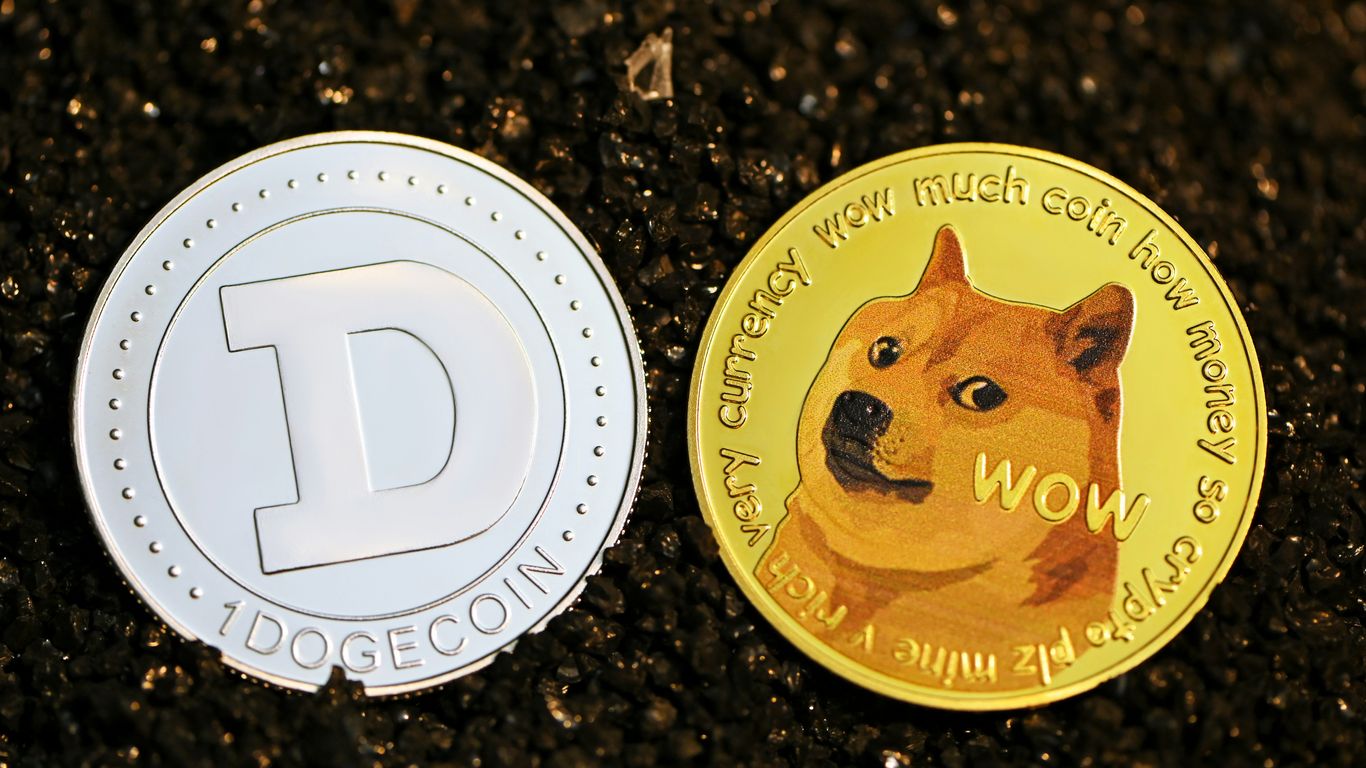
Dogecoin (DOGE) is the OG, the one that started it all. It’s pretty wild to think that something born from a joke is still a major player. Its massive community is a huge part of why it sticks around. Plus, you’ve got those celebrity endorsements, which, like it or not, really move the needle in the crypto world. It’s got a huge circulating supply, which means it’s not exactly scarce, but its market cap is still pretty substantial. This coin has really proven it’s more than just a fleeting trend, carving out its own unique space.
Shiba Inu’s Ecosystem Growth
Shiba Inu (SHIB) came along calling itself the "Dogecoin killer," and it certainly shook things up. It started on Ethereum and has since grown way beyond just being a meme. They’ve been building out an entire ecosystem, including things like decentralized exchanges and ways to earn rewards through staking. It’s got a significant market cap and a massive community that’s really active. While it started as a meme, SHIB has been trying to add more utility, which is something to watch.
Emerging Contenders and Niche Tokens
Beyond the big two, the meme coin space is always buzzing with new contenders. You’ve got coins like Pepe (PEPE), inspired by that famous frog meme, which gained a ton of traction purely on its meme status and community backing. Then there’s Dogwifhat (WIF) and Bonk (BONK), which have gained popularity on the Solana blockchain, known for its faster transactions and lower fees compared to Ethereum. These newer coins often rely heavily on viral marketing and strong social media presence. It’s worth keeping an eye on these, but they can be even more volatile than the established ones. Finding these early often involves deep dives into social media trends and community forums. If you’re curious about how these coins gain traction, looking into how meme coins gain momentum can be quite insightful.
Mitigating Risks When You Buy Meme Coins
Okay, so you’re thinking about jumping into the meme coin world. It’s exciting, for sure, with the potential for some wild gains. But let’s be real, it’s also a bit of a minefield out there. These coins can go up faster than a rocket, but they can also crash just as quickly. So, before you put your hard-earned cash into something like Doge or Shiba Inu, or even some of the newer ones popping up, it’s super important to know what you’re getting into.
Understanding Extreme Volatility
Meme coins are basically built on hype and community vibes. That’s what makes them move so fast. One day, everyone’s talking about a coin, and its price is through the roof. The next day? Crickets. This isn’t like buying stocks where there’s usually some underlying business value. With meme coins, the value is often just what people think it’s worth, driven by social media trends. This means prices can swing wildly, sometimes by 50% or more in a single day. You absolutely have to be prepared for the possibility of losing a significant chunk of your investment, or even all of it, very quickly. It’s not for the faint of heart, and definitely not a place to put your emergency fund.
Recognizing and Avoiding Scams and Rug Pulls
This is a big one. Because meme coins are so new and often lack real utility, they attract a lot of bad actors. You’ll hear terms like ‘rug pull,’ which is basically when the creators of a coin suddenly disappear with all the money invested. It’s like they pull the rug out from under everyone. How do you spot these? Well, it’s tricky, but here are some red flags:
- Too Good to Be True Promises: If a project is promising guaranteed massive returns with no risk, run the other way. Seriously.
- Anonymous or Unverifiable Developers: While not all anonymous projects are scams, it’s a lot harder to trust a team you can’t find any information about.
- Sudden Liquidity Drains: Keep an eye on trading activity. If a lot of the coin’s supply is held by a few wallets, and those wallets suddenly sell off a huge amount, that’s a bad sign.
- Aggressive, Hype-Driven Marketing: While meme coins thrive on buzz, projects that rely solely on hype and pressure tactics, without any substance, are often suspect.
The Importance of Due Diligence
So, what’s the solution? Do your homework. It sounds boring, but it’s the most important step. Before you buy any meme coin, take some time to look into it. Check out their social media – is the community active and engaged, or is it just bots? Look at the tokenomics – how many coins are there? Who owns them? Are they locked up? See if the project has been audited by a reputable firm. Even if a coin seems fun and has a cool meme behind it, understanding these basics can save you a lot of heartache. Think of it like checking reviews before buying something online; you wouldn’t buy a dodgy product without looking into it, right? The crypto space is no different, maybe even more so.
Securing Your Meme Coin Investments
Alright, so you’ve picked out some meme coins and made the purchase. That’s awesome! But now comes the part where you actually keep them safe. It’s not exactly like putting cash in a piggy bank, you know? The crypto world moves fast, and unfortunately, there are always folks looking to take advantage. So, let’s talk about how to protect what you’ve bought.
Choosing Secure Wallet Solutions
First off, where are you keeping these digital coins? If you’re leaving them on an exchange, that’s like leaving your wallet on the counter at a busy cafe. Not the best idea. You really want to move them to a personal wallet. There are a couple of main types:
- Hot Wallets: These are connected to the internet, like mobile apps or browser extensions. They’re convenient for quick trades, but they’re more vulnerable. Think of it like your everyday spending wallet.
- Cold Wallets: These are offline, like hardware devices (think a fancy USB stick). They offer the highest level of security because they aren’t connected to the internet. If you’re holding a significant amount, a hardware wallet is definitely the way to go. This is your best bet for long-term storage.
Best Practices for Asset Protection
Beyond just picking a wallet, there are some habits you need to get into. It’s all about being smart and a little bit paranoid, honestly.
- Guard Your Seed Phrase: This is the most important thing. It’s a list of words that can recover your wallet if you lose access. Write it down, store it somewhere super safe (not on your computer!), and never share it with anyone. Ever.
- Use Strong, Unique Passwords: Obvious, right? But seriously, don’t reuse passwords. And enable two-factor authentication (2FA) wherever possible, preferably using an authenticator app, not just SMS.
- Be Wary of Links and Downloads: Phishing scams are rampant. Don’t click on suspicious links in emails or social media messages, and never download software from untrusted sources. Stick to official websites and app stores.
- Verify Contract Addresses: When buying on a decentralized exchange, always double-check the token’s contract address. Scammers create fake tokens that look identical to real ones. You can usually find the correct address on the project’s official website or a reputable tracker like CoinGecko.
Monitoring Your Portfolio Effectively
Keeping track of your meme coins is also part of security. You need to know what’s going on.
- Regularly Check Balances: Make sure your holdings look right. If something seems off, investigate immediately.
- Stay Informed About Projects: Keep an eye on the communities and official announcements of the meme coins you own. This helps you spot potential issues or scams early. It’s also good to know about any secret premium memecoin trading strategy that might be emerging.
- Review Exchange Security Settings: If you still use centralized exchanges for trading, regularly check your account’s security settings. Look for unfamiliar login locations or active API keys you don’t recognize.
Protecting your meme coins isn’t a one-time thing; it’s an ongoing process. By taking these steps, you significantly reduce the risk of losing your hard-earned crypto to hackers or scams.
Wrapping It Up
So, we’ve gone over how to get your hands on meme coins, which, let’s be honest, can feel a bit wild. Remember, these coins really take off because of online buzz and people getting excited together. It’s not quite like buying regular crypto. If you’re thinking about jumping into presales or looking for new coins, keep your eyes peeled. And definitely don’t forget to keep your coins safe using good wallets like Ledger or Trezor. Places like Binance, Bybit, or MEXC are solid spots to start if you’re wondering where to buy. Ultimately, knowing how to buy is just the first step. The crypto world is all about balancing the risks with what you might gain. Just be smart about it, stay in the loop, and who knows, you might just catch the next big meme coin wave.
Frequently Asked Questions
What exactly is a meme coin?
Think of meme coins as digital money inspired by funny internet pictures or jokes. Unlike regular coins like Bitcoin, which are made to be used for payments or complex tech stuff, meme coins are mostly about fun and what’s popular online. Their value often comes from how many people are talking about them and sharing them, not necessarily from what they can do.
Why do people get so excited about meme coins?
The main reason people get excited is the chance to make a lot of money really fast. Some meme coins have gone up in value super quickly, making early buyers rich. Also, being part of a big online group that supports a coin can be fun. It’s like being part of a club that’s trying to make something cool happen.
Where can I buy meme coins?
You can buy meme coins on two main types of online places: Centralized Exchanges (CEXs) and Decentralized Exchanges (DEXs). CEXs like Binance or Bybit are like online stores where you create an account and buy coins. DEXs, like Uniswap, let you trade directly from your digital wallet without a middleman, and often have newer coins available.
How do I know if a meme coin is a good one to buy?
It’s tricky because meme coins are risky! But, you can look at a few things. See how much people are talking about it on social media like Twitter or Reddit. Check if the people making the coin are open about what they’re doing and if the coin has a strong, active group of fans. Also, try to understand how the coin works and how many are out there.
Are meme coins safe to invest in?
Meme coins are very risky. Their prices can jump up or crash down super fast because they depend on trends and hype. There’s also a danger of scams, where people create fake coins to steal your money. It’s super important to do your homework and only invest money you can afford to lose.
How can I keep my meme coins safe after I buy them?
Once you own meme coins, you need a safe place to store them. Using a digital wallet is key. For extra safety, consider ‘cold wallets’ like Ledger or Trezor, which are like digital piggy banks not connected to the internet. Always use strong passwords and be careful about where you click online to avoid hackers.