
So, you’re looking into contract manufacturing companies, huh? It’s a big topic, and honestly, it can feel like a maze sometimes. Basically, it’s when one company pays another company to make their stuff. Think of it like hiring a specialist instead of trying to do everything yourself. This guide is all about breaking down what you need to know, from the nitty-gritty of agreements to how these companies can actually help your business grow. We’ll cover the different ways you can work with them and what to watch out for.
Key Takeaways
- Working with contract manufacturing companies means you can get products made without buying all the expensive equipment yourself. It’s a smart way for smaller businesses to get started and save money.
- There are different ways to use contract manufacturing, like getting a whole product made under your brand or just having specific parts created. You can pick the option that fits your business best.
- Making sure the quality is good is super important. This means checking everything carefully, having solid systems in place, and making sure the manufacturer follows all the rules and has the right certifications.
- Using contract manufacturing can really help your business grow. You can make more products when you need to, save money on production, and spend more time focusing on what your company does best, like selling or designing.
- The world of contract manufacturing is always changing, with new tech and different ways of doing things popping up. Companies that can keep up with these changes and also think about the environment will likely do the best.
Understanding Contract Manufacturing Partnerships
So, you’re thinking about getting someone else to make your stuff? That’s where contract manufacturing comes in. Basically, it’s a setup where you hire another company to produce your products or parts for you. This isn’t just about saving a buck, though that’s a big part of it. It’s about tapping into skills and equipment you might not have yourself, without having to buy it all.
Defining Contract Manufacturing Agreements
At its heart, a contract manufacturing agreement is the rulebook for your partnership. It spells out exactly what needs to be made, how it should be made, and what quality standards it has to meet. Think of it as the blueprint for your production. It covers everything from the raw materials used to the final packaging. Having a clear, detailed contract is super important to avoid mix-ups later on.
Here’s what you’ll typically find in one:
- Product Specifications: The nitty-gritty details of your product.
- Quality Standards: What counts as acceptable quality.
- Timelines: When things need to be done.
- Pricing: How much it all costs.
- Intellectual Property: Who owns the design and any innovations.
Transitioning from In-House Production
Sometimes, companies decide to stop making things themselves and hand it over to a contract manufacturer. This can happen for a bunch of reasons. Maybe their own factory is old and needs a huge upgrade, or perhaps they want to free up cash and focus on designing new products instead of managing a production line. It’s a big shift, and it means trusting another company with your product. You need to make sure the transition is smooth, so there aren’t any gaps in getting your products to customers. It’s a good idea to look into how contract manufacturing works if you’re considering this move.
The Role of Original Equipment Manufacturers
Original Equipment Manufacturers, or OEMs, are often the ones doing the actual making in these deals. Sometimes, a company will design a product and then hire an OEM to build it for them. Other times, the OEM might even help with the design or suggest improvements. They’re the ones with the factory floor, the machines, and the skilled workers. They take your ideas or designs and turn them into physical goods. It’s a collaborative effort, and finding the right OEM is key to getting your product made well and on time.
Exploring Diverse Contract Manufacturing Models
When you’re looking to get products made, it’s not a one-size-fits-all situation. Contract manufacturing comes in a few different flavors, and picking the right one can make a big difference for your business. It’s all about finding a partner that fits your specific needs, whether you’re just starting out or looking to scale up.
Private Label Manufacturing Solutions
This is a really common setup. Basically, you work with a manufacturer who makes a complete product based on your designs and specifications. Then, you slap your own brand name on it and sell it. It’s a great way to get new products out there without having to build your own factory. Think of things like cosmetics, certain food items, or even general consumer goods – lots of brands use this model to expand their product lines quickly. It lets you focus on marketing and sales while someone else handles the actual making of the stuff.
Specialized Component Manufacturing
Sometimes, you don’t need someone to make the whole thing. Maybe you’ve got the final assembly down, but you need a specific part made with special equipment or a particular skill set. That’s where component manufacturing comes in. A contract manufacturer can focus on producing just that one piece, making sure it’s top-notch. This is super important for complex products where different parts need to meet really precise standards. They’ve got the specialized machinery and know-how to get it done right, so you can trust the quality of that specific component before it even gets to your assembly line.
End-to-End Manufacturing Services
This is the most hands-off option for you. With end-to-end services, the contract manufacturer takes care of pretty much everything. We’re talking from getting the raw materials all the way through to the finished product ready to ship. They manage the whole production cycle, keep an eye on quality at every step, and often handle the supply chain logistics too. It’s like a turnkey solution, especially useful if you have a complicated product or just want to outsource the entire production process. It means you can get a finished item without getting bogged down in the day-to-day manufacturing details.
Ensuring Quality and Mitigating Risks
When you’re working with a contract manufacturer, keeping an eye on quality and potential problems is super important. It’s not just about getting the product made; it’s about making sure it’s made right, every single time. This means setting up solid processes from the get-go.
Advanced Quality Control Processes
Think of quality control as the watchful eye over the entire production line. It starts even before the manufacturing begins, with checking the raw materials that come in. Are they what they’re supposed to be? Then, during production, there are checks at various stages to catch any issues early. Finally, the finished product gets a thorough once-over. This isn’t just a quick look; it involves specific tests and inspections designed to catch defects. For example, in the medical device sector, these checks are incredibly detailed, ensuring every component meets exact specifications. Even packaging needs to be checked to make sure it protects the product all the way to the customer.
Robust Quality Assurance Systems
Quality assurance is a bit broader than just control. It’s about the whole system that makes sure quality happens. This involves having clear procedures for everything, from how to handle materials to how to test the final goods. Detailed records are a big part of this. You need to know where materials came from, what happened during production, and what tests were done. This makes it easy to track down problems if they pop up and prove that everything was done correctly. It’s all about building trust and making sure the manufacturer is consistently meeting standards. Having a good system in place helps prevent problems before they even start.
Certification and Compliance Standards
Different industries have different rules, and contract manufacturers need to follow them. This is where certifications and compliance come in. For industries like medical devices or food production, there are strict regulations you have to meet. Your contract manufacturer should already have the necessary certifications, like ISO standards, and be up-to-date on all the latest rules. It’s your job to make sure they do. This isn’t just a formality; it’s about safety and making sure your product is legal to sell. You’ll want to check their compliance records regularly, especially if regulations change.
Supply Chain Risk Mitigation Strategies
Things can go wrong with the supply chain, and it’s good to have a plan. This could mean having more than one supplier for key parts, or even working with a couple of different manufacturers in different locations. This way, if one supplier runs out of materials or a shipment gets delayed, you have backups. It’s also about protecting your ideas. You don’t want your product designs falling into the wrong hands. This involves strong legal agreements and sometimes even physical security measures at the manufacturing site. Thinking ahead about these potential problems, like material shortages or shipping delays, can save a lot of headaches down the road. Automated tools can help manage these risks and ensure contract compliance.
Here are some common risks and how to address them:
- Material Shortages: Work with manufacturers who have multiple suppliers for critical components.
- Production Delays: Build buffer time into your production schedule and have contingency plans.
- Intellectual Property Theft: Implement strict NDAs, secure data transfer protocols, and consider manufacturers with strong physical security.
- Quality Failures: Conduct regular audits, require detailed quality reports, and have clear rejection criteria.
- Logistical Issues: Understand the manufacturer’s shipping and customs processes and consider nearshoring options.
Leveraging Contract Manufacturing for Growth
So, you’ve got a great product idea, or maybe you’re already selling something and want to make more. But building your own factory? That’s a huge undertaking, right? This is where contract manufacturing really shines. It’s not just about saving a few bucks; it’s about smart business moves that help you grow faster and smarter.
Achieving Cost Efficiency and Scalability
Let’s talk money first. Building a factory from scratch means buying land, constructing buildings, purchasing expensive machinery, and hiring a whole crew. That’s a massive chunk of cash that could be used elsewhere, like marketing your product or developing new features. Contract manufacturers already have the facilities and the equipment. You pay for the production you need, when you need it. This means you don’t get stuck with idle machines or a huge building that’s too big for your current sales.
- Avoids large upfront capital investment. Your money stays in your business, not tied up in bricks and mortar.
- Pay-as-you-go production. You only pay for what you produce, making it easier to manage cash flow.
- Access to advanced equipment. You get to use top-notch machinery without buying it yourself.
When your sales suddenly jump – which is a good problem to have! – a good contract manufacturer can ramp up production quickly. They have the capacity and the experienced staff ready to go. This flexibility is gold. You can handle sudden demand spikes without missing out on sales, and you can also scale back easily if market conditions change, without the burden of a massive, underutilized facility.
Focusing on Core Business Competencies
Think about what you’re really good at. Is it designing innovative products? Building a strong brand? Connecting with your customers? Probably not managing a production line, dealing with equipment maintenance, or hiring and training factory workers. By outsourcing the manufacturing part, you free up your time and your team’s energy to concentrate on these core strengths. This strategic shift allows you to innovate and grow your business more effectively. Instead of getting bogged down in the day-to-day operations of a factory, you can focus on product development, marketing strategies, and customer service, which are the real drivers of long-term success.
Adapting to Market Demands
Markets change. Consumer tastes shift, new technologies emerge, and competitors pop up. Being able to adapt quickly is key to survival and growth. Contract manufacturers can help with this agility. If you need to tweak a product design, switch materials, or even create a completely new product line, a contract manufacturer can often make those changes faster than if you were doing it all in-house. They have the flexibility built into their operations. Plus, if you want to test a new market or a different region, some contract manufacturers have facilities in various locations, making it easier to produce goods closer to your new customers, potentially reducing shipping costs and import duties. This responsiveness means you can stay ahead of the curve and meet customer needs as they evolve.
Industry Applications and Global Dynamics
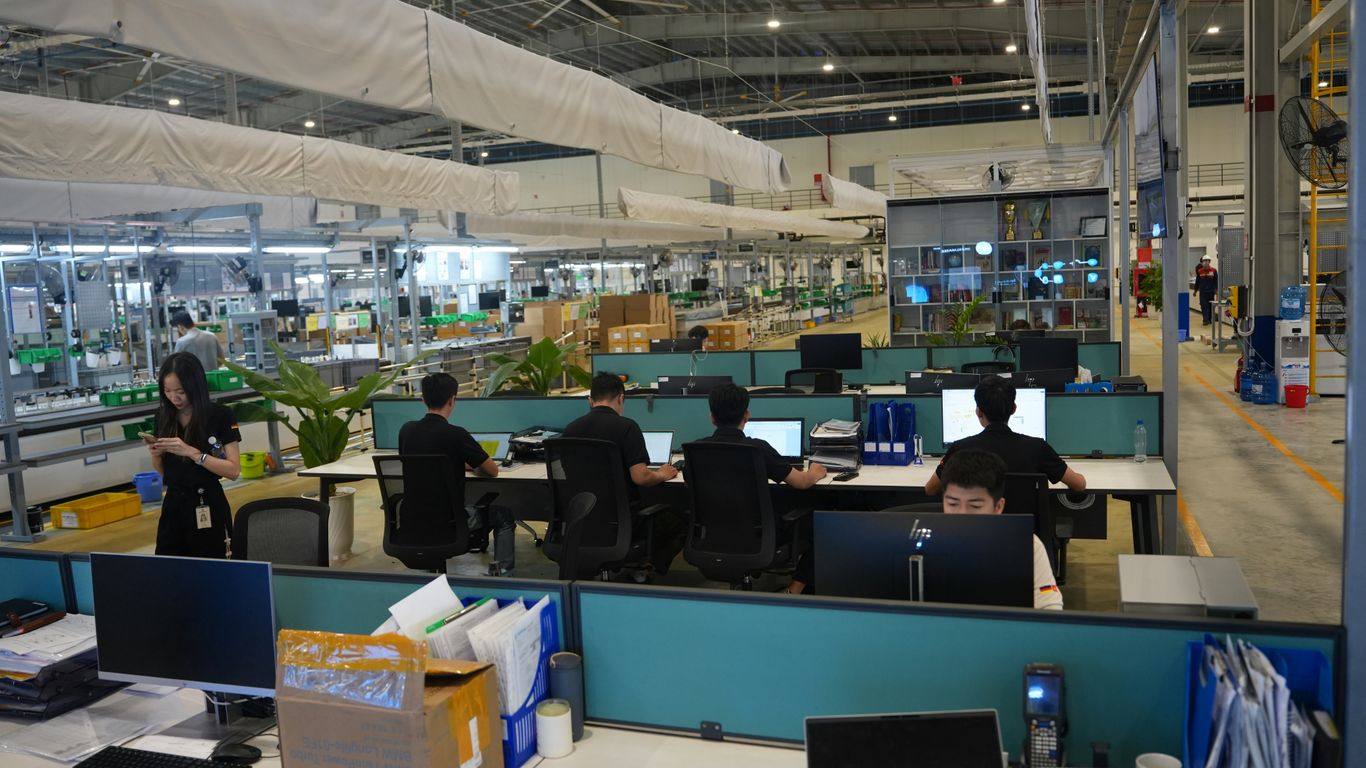
Different industries lean on contract manufacturing for all sorts of reasons. It’s not just about saving a buck anymore; it’s about getting specialized skills and keeping up with how fast things change.
Medical Device Manufacturing Excellence
When it comes to medical devices, precision and safety are non-negotiable. Contract manufacturers in this space need to meet some really strict rules. Think about implants or diagnostic tools – they have to be perfect. Companies that make these devices often work with specialized contract manufacturers because they have the right clean rooms, the specific certifications, and the know-how to handle sensitive materials and processes. It’s a high-stakes game where quality control isn’t just a department, it’s the whole point.
Automotive Component Production
The auto industry is another big user of contract manufacturing. Cars are getting more complex with all the electronics and new materials. Contract manufacturers help car companies produce everything from engine parts and interior components to complex electronic modules. The push for electric vehicles (EVs) has really changed the game, creating a huge demand for new types of batteries, power electronics, and specialized sensors. This means contract manufacturers need to be adaptable and invest in new technologies to keep up with what automakers need.
Consumer Electronics Assembly
This is probably where most people think of contract manufacturing first. Think smartphones, laptops, smart home gadgets. The consumer electronics market moves at lightning speed. Companies need to get new products out fast and in huge numbers. Contract manufacturers are key here because they have the massive production lines and the flexibility to switch between different products quickly. They handle everything from sourcing components to final assembly and testing, allowing the brands to focus on design and marketing.
Navigating Global Market Dynamics
Where a product is made is becoming a bigger question. We’re seeing a shift away from just relying on one region. Companies are looking at building manufacturing closer to where their customers are, partly to cut down on shipping times and costs, and partly because of global uncertainties. This means more regional manufacturing hubs are popping up. For example, North America is seeing more production come back, and Europe is strengthening its manufacturing base. Asia is still a giant, but the trend is towards a more distributed network of factories. This global dance means contract manufacturers need to be ready to operate in different places and understand local rules and markets.
Future Trends in Contract Manufacturing
The world of contract manufacturing isn’t standing still, not by a long shot. Things are changing fast, and if you want to stay ahead, you’ve got to keep up. It’s not just about getting stuff made anymore; it’s about smarter, faster, and greener ways of doing it.
Technology Integration in Manufacturing Services
This is a big one. We’re seeing a lot more automation, robots, and even AI popping up in factories. Think about it: robots can do repetitive tasks all day without getting tired, and AI can help predict when a machine might break down before it actually does. This means fewer mistakes, less downtime, and ultimately, better quality products. It’s like giving the manufacturing process a serious upgrade.
- Robotics and Automation: More collaborative robots (cobots) working alongside people, making production lines more flexible.
- Artificial Intelligence (AI): Used for everything from quality checks to optimizing production schedules and predicting equipment failures.
- Internet of Things (IoT): Sensors on machines feeding data back to a central system, giving a real-time look at what’s happening on the factory floor.
Emerging Manufacturing Models
Beyond just the tech, the way manufacturing is done is also shifting. We’re seeing more specialized services and a move towards making things closer to where they’ll be sold. This helps cut down on shipping times and costs, and it makes supply chains a bit more reliable, which is something we’ve all learned is pretty important.
- Nearshoring: Bringing production closer to home markets to reduce risks and speed up delivery.
- On-Demand Manufacturing: Producing goods only when they are ordered, cutting down on waste and inventory costs.
- Hyper-Specialization: Contract manufacturers focusing on very specific niche processes or materials, becoming experts in a particular area.
Sustainability Considerations
Companies are starting to care a lot more about their environmental impact, and that includes how their products are made. Contract manufacturers are feeling the pressure to adopt greener practices. This means looking at things like reducing energy use, minimizing waste, and using more sustainable materials. It’s becoming less of an option and more of a requirement for businesses to partner with manufacturers who prioritize eco-friendly operations.
- Reduced Carbon Footprint: Implementing energy-efficient processes and exploring renewable energy sources.
- Waste Reduction: Focusing on circular economy principles and minimizing material waste during production.
- Sustainable Materials: Sourcing and using environmentally friendly raw materials.
Wrapping It Up
So, we’ve gone over a lot about how contract manufacturing works and why it’s a big deal for so many businesses today. It’s not just about saving a few bucks; it’s about being smart with your resources, getting things made right, and being able to change gears when the market does. Finding the right partner is key, though. You want someone you can trust to make your product well and communicate clearly. By picking the right manufacturer and keeping things straightforward, you can really give your business a boost and stay ahead of the game. It’s a partnership that can really pay off when you get it right.
Frequently Asked Questions
What exactly is contract manufacturing?
Think of it like this: contract manufacturing is when one company pays another company to make its products. The company that makes the product follows the exact instructions and designs given to them. This way, the first company doesn’t have to build its own big factory.
Who usually uses contract manufacturing?
It’s super helpful for people just starting out with a new product, small businesses, or online sellers. They can get their products made without spending a ton of money on machines and buildings. It lets them focus on selling and growing their business.
How can I make sure my product ideas stay safe?
It’s really important to have a clear contract that says who owns your ideas. Also, only work with manufacturers you trust, who promise to keep your designs a secret and have good security for your information.
What are some common problems I might run into?
Sometimes, making sure the quality is always the same can be tricky. Also, clear communication is key, and sometimes there can be misunderstandings. Protecting your ideas is another thing to watch out for. But with good planning and clear agreements, these issues can be managed.
Can contract manufacturing help my small business grow bigger?
Absolutely! It’s one of the biggest benefits. If your product suddenly becomes really popular, you can easily ask the contract manufacturer to make more. You don’t have to worry about buying more equipment or hiring lots of new people yourself.
What’s the difference between private label and component manufacturing?
Private label means the factory makes a whole product that you sell under your brand name. Component manufacturing is when they just make a specific part that goes into a bigger product. It’s like making just the wheels for a car, instead of the whole car.