Alright, so picking out a new car these days can feel like a maze, right? Especially with all the new electric vehicle brands popping up and making their mark. The year 2026 is a big one for cars, with a lot of cool tech and different types of rides hitting the road. We’ve seen a huge shift from just gas guzzlers to hybrids and fully electric models that are actually pretty impressive now. Forget just looking at horsepower; we’re talking about software, charging speed, and how the car feels to drive. It’s a lot to take in, so let’s break down some of the top electric vehicle brands and models that are really standing out.
Key Takeaways
- The 2026 automotive market is full of choices, with electric vehicles (EVs) now a mainstream option, not just for early adopters.
- Many new EVs offer better range and faster charging than before, tackling common concerns like range anxiety.
- Hybrids are still a strong contender, offering efficiency without relying solely on charging infrastructure.
- Software is becoming a huge part of cars, with updates that can improve performance and add features over time.
- When choosing, think about your daily driving needs, long-term costs, and what features matter most to you, not just the sticker price.
1. Tesla Model 3
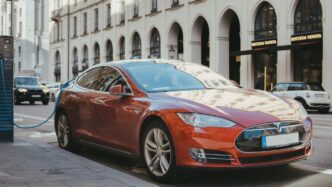
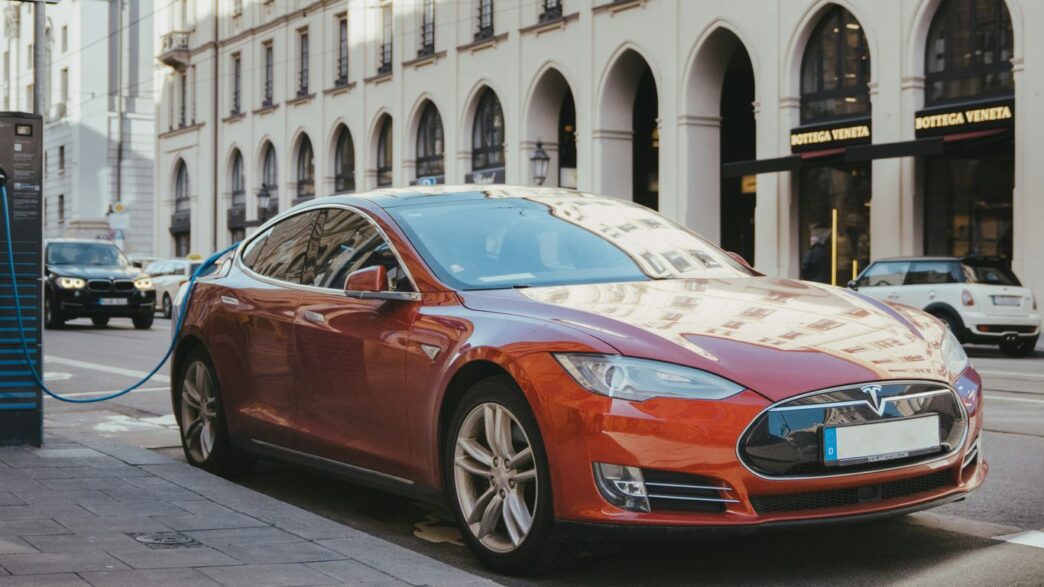
The Tesla Model 3, especially the updated "Highland" version for 2026, continues to be a major player in the electric car scene. Tesla really seemed to listen to feedback with this update, making the car quieter inside and generally better built than some earlier models. It feels pretty solid now.
What’s cool is how efficient it is. The Long Range versions can easily push past 300 miles on a single charge, even when you’re not exactly babying it. Plus, you get that huge network of Superchargers, which is still a big deal when you need to top up on a road trip. It’s not just about the driving, though. Tesla’s software is usually ahead of the curve, and the car gets over-the-air updates that add new features or fix things, which is pretty neat.
Here are a few things that stand out:
- Improved Cabin Experience: Less road noise and better build quality make it a more pleasant place to be.
- Efficient Heat Pump: Helps keep the cabin warm in winter without draining the battery too fast.
- Supercharger Network Access: Still one of the best and most reliable charging infrastructures out there.
- Vehicle-to-Load (V2L): You can actually use the car’s battery to power external devices, which could be handy in a pinch.
Honestly, for a lot of people, the Model 3 hits a sweet spot between performance, range, and the sheer convenience of Tesla’s charging and software ecosystem. It’s a practical choice that still feels pretty futuristic.
2. Porsche Macan Electric
Porsche’s first all-electric SUV, the Macan Electric, is a pretty big deal. It’s built on a new platform called PPE, which is a joint effort with Audi, and it really shows in how it drives. This SUV handles like a much smaller car, which is saying something for a vehicle of its size. They’ve packed it with tech, including rear-axle steering and fancy air suspension, making it feel super agile on the road.
One of the standout features is its charging speed. Thanks to an 800-volt system, you can get a significant charge in a short amount of time at compatible fast chargers. It’s a big step up for electric SUVs, especially if you’re looking for that Porsche driving feel but in an electric package.
Here’s a quick look at what you can expect:
- Performance: Expect quick acceleration and a sporty feel, true to the Porsche name.
- Charging: Lightning-fast charging capabilities thanks to the 800V architecture.
- Handling: Advanced suspension and steering systems contribute to impressive agility.
- Build Quality: Porsche’s reputation for solid construction is carried over.
If you’re curious about the nitty-gritty details, like specific range figures, trim options, and pricing, there’s a detailed review of the 2026 Porsche Macan EV that goes into all of that. It’s definitely a vehicle that aims to set a new benchmark in the electric SUV segment.
3. BMW i5

BMW has taken its well-known 5 Series and given it the full electric treatment with the i5. It feels pretty familiar if you’ve ever been in a regular 5 Series, which is a good thing. They managed to pack in all the tech and comfort you’d expect, but it still feels like a BMW to drive.
The i5 aims to blend that executive feel with the instant torque and quietness of electric power. It’s not just about getting from A to B; it’s about doing it in a way that feels refined and engaging.
Here’s a quick look at what you get:
- Performance Options: You can choose between the i5 eDrive40, which offers 335 horsepower and rear-wheel drive, or the i5 xDrive40 with 389 horsepower and all-wheel drive. The AWD version gets you to 60 mph a bit quicker.
- Driving Feel: BMW talks about a balanced mix of performance and efficiency, and it generally lives up to that. The available adaptive air suspension really helps smooth out the ride.
- Range: The eDrive40 model can go between 278 and 310 miles on a charge, while the xDrive40 is rated for 259 to 278 miles. These are EPA estimates, so real-world range will vary.
- Tech Inside: It features BMW’s Operating System 8.5 with that big Curved Display, and a pretty decent Harman Kardon sound system comes standard. You can also customize your drive with different ‘My Modes’ like Personal, Sport, and Efficient.
4. Mercedes-Benz EQS
The Mercedes-Benz EQS is basically the electric version of their fancy S-Class, and it really shows. It’s got this super sleek, aerodynamic look that’s pretty unique for an EV. This car is all about luxury and packing in the latest tech.
When you get inside, the big MBUX Hyperscreen is hard to miss. It’s this massive curved display that stretches across the whole dashboard, and it’s pretty wild. You can get seats that massage you, heat up, or cool down, and the sound system is top-notch. It even has a system to make the cabin smell nice, which is a neat touch.
Here’s a quick look at what you can expect:
- Performance Options:
- EQS 450: Around 355 horsepower, rear-wheel drive. Gets to 60 mph in about 5.9 seconds.
- EQS 450 4MATIC: Same horsepower but with all-wheel drive, hitting 60 mph in about 5.4 seconds.
- EQS 580 4MATIC: A beefier 536 horsepower, all-wheel drive, and it’s quick, doing 0-60 mph in just over 4 seconds.
- Range: You can expect up to around 390 miles on a single charge with the EQS 450, which is pretty good for long trips.
- Charging: It can charge pretty fast, getting from 10% to 80% in about 31 minutes at a fast charger. A full charge at home on a Level 2 charger takes about 11.5 hours.
It’s definitely more of a comfortable cruiser than a sports car, but it handles really well, especially with the rear-wheel steering that makes it surprisingly nimble in tight spots. If you want a high-end electric sedan that feels like a luxury lounge on wheels, the EQS is a strong contender.
5. Audi A6 Sportback e-tron
Audi’s A6 Sportback e-tron is a pretty slick addition to the electric scene, especially if you’re looking for something that blends luxury with a good amount of driving range. It’s built on Audi’s new Premium Platform Electric (PPE) architecture, which is a big deal because it helps this car go further on a single charge than most other Audis out there. This makes it a really solid choice for longer trips without constantly worrying about finding a charger.
When you’re behind the wheel, it feels like a proper Audi – smooth, refined, and with that signature quattro all-wheel-drive grip if you opt for that version. It’s not exactly a sports car, but it’s definitely not boring to drive. It handles well, and the ride is comfortable, especially if you get the Prestige trim with its adaptive air suspension. It’s designed to be efficient, too, with a really aerodynamic shape that helps it cut through the air.
Here’s a quick look at what it offers:
- Range: You can expect up to 392 miles on a full charge, depending on how you spec it (think wheels and packages).
- Performance: The rear-wheel-drive model has 362 horsepower and hits 60 mph in about 5.2 seconds, while the all-wheel-drive quattro version bumps that up to 422 horsepower and a 4.3-second 0-60 time.
- Charging: Thanks to its 800-volt system, it can charge up really fast. We’re talking about going from 10% to 80% in roughly 21 minutes at a fast charger. It also has two charging ports, which is a nice touch for convenience.
Inside, it’s all Audi, meaning high-quality materials and good tech. You get things like a panoramic glass roof, cool lighting options, and seats that fold down for extra cargo space. It’s a well-rounded package that feels both modern and luxurious.
6. Audi e-tron GT
The Audi e-tron GT is a seriously cool electric car that really blurs the lines between a sports car and a comfortable cruiser. For 2025, Audi gave it a pretty significant update, making it even better. It shares some of its guts with the Porsche Taycan, which is a good sign for performance.
When you get behind the wheel, you’ll notice it feels like a true driver’s car. It’s got that sporty feel, but it’s also refined enough for longer trips. The updated models come with more power, especially the RS version which is just bonkers fast. You can get up to 912 horsepower with launch control, hitting 60 mph in a blink. Even the base S e-tron GT is no slouch, offering 670 hp.
Here’s a quick look at the performance:
- S e-tron GT: 670 hp, 0-60 mph in 3.3 seconds
- RS e-tron GT performance: 912 hp, 0-60 mph in 2.4 seconds
Audi also improved the range for the 2025 models. The S e-tron GT is rated for about 300 miles on a charge, which is pretty decent for a car this powerful. They’ve also tweaked the aerodynamics and drivetrain to be more efficient. Plus, the charging is super quick thanks to its 800-volt system. You can get from 5% to 80% in about 22.5 minutes if you find a fast enough charger. It’s nice to know you can get a significant charge in a short break. You can check out the latest pricing and lease options for the Audi S e-tron GT.
Inside, you’ll find some nice updates too, like a new steering wheel and some cool new color options. They’re even offering leather-free interior choices, which is great for those who prefer that. Overall, the e-tron GT is a fantastic option if you want an electric car that looks sharp, feels amazing to drive, and still has that luxury Audi touch.
7. Porsche Taycan
Alright, let’s talk about the Porsche Taycan. If you’re looking for an electric car that feels like a true sports car, this is definitely one to check out. Porsche really went all-in on making sure this EV still has that signature driving feel. They updated it pretty significantly for 2025, bumping up the power, giving it more range, and making it charge faster.
The 2025 Taycan is a big deal, with improvements across the board. It handles like a dream, with sharp steering and instant response, which is exactly what you’d expect from Porsche. They’ve made adaptive air suspension standard now, which helps smooth things out.
Here’s a quick look at what you can expect:
- Performance: It’s quick. Like, really quick. The base models hit 60 mph in about 4.5 seconds, and the top-tier Turbo S can do it in a mind-blowing 2.3 seconds. There’s even a Turbo GT model that’s seriously powerful.
- Range: They’ve managed to squeeze more miles out of it, with some versions getting up to 421 miles on a charge (that’s a big jump from the older models). This is thanks to a lighter battery, better aerodynamics, and just general efficiency tweaks.
- Charging: This is where Porsche’s 800-volt system shines. You can get from 10% to 80% charge in about 18 minutes if you find a fast enough charger. They’ve also improved how long it can sustain those high charging speeds.
It’s not just about speed and range, though. The interior has been updated with the latest Porsche tech, including a new steering wheel with a mode switch and better integration for things like Apple CarPlay. If you’re serious about electric performance and want that Porsche pedigree, the Taycan is a top contender. You can find more details about the 2026 Porsche Taycan if you want to dig deeper.
8. Mercedes-Benz C 300 e
The Mercedes-Benz C 300 e is a really interesting option if you’re looking for a plug-in hybrid that doesn’t feel like a compromise. It’s available as both a sedan and an estate, which is nice. What really sets it apart is the battery size – it’s pretty big for a hybrid, around 25.4 kWh. This means you can actually get a decent amount of driving done on just electricity, often over 100 kilometers. For most people, that’s enough to cover their daily commute and errands without even touching the gas engine. It’s like having two cars in one: a quiet electric vehicle for the week and a traditional hybrid for longer trips.
When you do need the gas engine, it works together with the electric motor to give you a smooth ride. Plus, the regenerative braking helps recharge the battery a bit and is easier on the regular brakes, which should mean they last longer. It’s a smart bit of engineering that makes sense for a lot of drivers who want efficiency without the full commitment to an EV charging routine.
Here’s a quick look at what makes it stand out:
- Impressive Electric Range: Over 100 km of electric-only driving is possible, covering most daily needs.
- Dual Powertrain: Combines electric power for efficiency with a gasoline engine for longer journeys.
- Smooth Operation: Offers a refined driving experience, blending electric torque with gasoline power.
- Reduced Maintenance: Regenerative braking and a less-stressed gasoline engine can lead to lower upkeep.
9. Hyundai Tucson Hybrid
The Hyundai Tucson Hybrid is a solid choice if you’re looking for a practical SUV that doesn’t break the bank. It really shines when it comes to the tech and safety features you get as standard, which is pretty impressive for its price point. You’ll find a smooth ride and a good amount of cargo space, making it a decent option for families or anyone who needs to haul stuff.
However, it’s not all perfect. Some drivers have noted that the acceleration, especially from the base engine, can feel a bit sluggish. The hybrid powertrain, while efficient, also isn’t exactly going to win any races. It’s more about getting you from point A to point B comfortably and economically.
Here’s a quick look at some of its specs:
| Feature | Specification |
|---|---|
| Drivetrain Type | AWD (Electronic/Mechanical) |
| Ground Clearance | 181 mm |
| Cargo Volume | 616 L |
| Primary Advantage | Technology and Efficiency |
When you’re comparing it to other SUVs in its class, the Tucson Hybrid often stands out for its value. It packs a lot of features that you might expect to pay more for. If you’re interested in seeing how it stacks up against competitors, you might want to check out Hyundai’s official site for more details on their current lineup.
10. Mazda CX-50
Alright, let’s talk about the Mazda CX-50. If you’re someone who actually enjoys the act of driving, and maybe you’re not quite ready to go full electric but still want something that feels a bit more special than your average crossover, this one’s worth a look. Mazda really put some thought into making this car feel good to be in and good to drive.
The CX-50 stands out for its sharp handling and a cabin that feels a step above its price point. It’s got this traditional automatic transmission, which some folks prefer over the continuously variable ones you find in a lot of other cars. Plus, their i-Activ all-wheel-drive system is pretty smart, always trying to send power where it’s needed, which is nice whether you’re on a slippery road or just want a bit more grip.
Here’s a quick rundown of what makes it a solid choice:
- Engaging Drive: The chassis tuning is definitely geared towards making you feel connected to the road. It’s not just about getting from A to B; it’s about enjoying the journey.
- Interior Quality: Honestly, the inside of the CX-50 is really well done. The materials feel nice, and the design is clean and driver-focused. It feels more premium than you might expect.
- All-Wheel Drive Capability: The standard AWD system is predictive and works well, giving you confidence in various conditions, from light off-roading to just dealing with bad weather.
- Rugged Styling: It’s got a look that’s a bit more outdoorsy and tough compared to some of its sleeker rivals, which might appeal to a lot of people.
While it’s not a plug-in hybrid or a full EV, the CX-50 offers a compelling blend of style, driving enjoyment, and practicality that’s hard to beat in the current SUV market.
Wrapping It Up
So, looking back at everything, 2026 really is a big year for cars. It feels like we’ve got more options than ever, and honestly, most of them are pretty good. Cars aren’t just for getting around anymore; they’re like these smart gadgets that connect to our lives. Whether you want something super efficient for the city, a fancy electric SUV, or even one of those last-of-their-kind sports cars, there’s something out there. It really just comes down to what you need and what you can spend. Don’t just read about cars, though. Go check them out, try them out, and see what feels right for you. That’s the best way to find the car that fits your life.
Frequently Asked Questions
What makes electric cars better in 2026 compared to older models?
By 2026, electric cars have gotten much better. They can go much farther on a single charge, and charging them up is way faster than before. Plus, they have cool new features like being able to power things outside your car and smarter systems that can be updated over the air, kind of like your phone.
Are hybrid cars still a good option in 2026?
Yes, hybrid cars are still a great choice in 2026! They offer a good mix of using electricity for shorter trips and a gas engine for longer drives, so you don’t have to worry as much about finding charging stations. They’re also very fuel-efficient.
What is a ‘software-defined vehicle’?
A ‘software-defined vehicle’ is basically a car that acts like a smart device. It uses software to control many of its functions, and these can be updated wirelessly, just like apps on your phone. This means your car can get new features or improvements over time without you having to visit a mechanic.
Are Chinese electric car brands becoming more popular globally?
Yes, Chinese electric car companies are expected to play a bigger role in global markets by 2026. They are making impressive cars that are competitive in terms of technology and price, and they are expanding their reach to many countries.
What are the main things to consider when buying a car in 2026?
When choosing a car in 2026, think about how you’ll use it most often – for city driving, family trips, or long commutes. Also, consider the total cost of owning the car over a few years, including gas or electricity, insurance, and maintenance, not just the price tag.
What are some new battery technologies to watch for in 2026?
In 2026, we’re seeing new battery types like sodium-ion batteries becoming more common, and some cars will start using semi-solid-state batteries. These are designed to be more efficient and potentially last longer, making electric cars even more practical.