So, GE HealthCare is a big deal in the medical tech world, right? But like any major player, it’s got rivals nipping at its heels. As we look ahead to 2025, it’s smart to see who else is making waves. We’re talking about companies that are really good at what they do, pushing boundaries, and sometimes even doing things a little differently. It’s not just about who’s biggest, but who’s innovating and grabbing attention. Let’s check out some of the main competitors of GE HealthCare that you should keep an eye on.
Key Takeaways
- Siemens Healthineers is a major competitor, especially in imaging and diagnostics, with a strong focus on AI and digital tools. Their purchase of Varian Medical Systems also beefed up their cancer care offerings.
- Philips Healthcare offers a wide range of medical gear and is pushing hard on connected care and patient-focused solutions, particularly in cardiology.
- Canon Medical Systems is a strong contender in specific imaging areas like CT and ultrasound, and they have a solid presence in certain parts of the world.
- Fujifilm Holdings is also in the medical imaging game, and they’re expanding their informatics side, using their imaging backgrounds to compete.
- Beyond the big names, there are specialized companies focusing on areas like biomanufacturing tools and cell therapy, plus newer players with AI diagnostics or advanced point-of-care devices that could shake things up.
Siemens Healthineers: A Formidable Imaging and Diagnostics Rival
When you look at the big players in medical tech, Siemens Healthineers definitely stands out as a major competitor to GE HealthCare. They’re really strong in medical imaging and diagnostics, areas where GE HealthCare also has a big footprint. It feels like they’re always pushing the envelope, especially with new tech.
Innovation in AI and Digital Solutions
Siemens Healthineers has been putting a lot of effort into artificial intelligence and digital tools for healthcare. They’re developing systems that can help doctors analyze images faster and more accurately. Think about AI helping to spot subtle signs of disease that might be missed otherwise. They also have platforms designed to connect different pieces of equipment and patient data, making workflows smoother for hospitals.
Strong Presence in High-End Hospital Markets
This company has a solid reputation and a strong foothold in major hospitals, particularly those that need top-of-the-line imaging equipment. They often compete for the big contracts where hospitals are looking for the most advanced CT scanners, MRI machines, and other complex diagnostic tools. It’s a segment where GE HealthCare also aims to be, so there’s direct competition for these valuable clients.
Acquisition of Varian Medical Systems
One big move that really shook things up was Siemens Healthineers acquiring Varian Medical Systems. Varian is a leader in cancer care, especially in areas like radiation therapy. This acquisition significantly boosted Siemens Healthineers’ presence in oncology, giving them a more complete offering in cancer diagnosis and treatment. It’s a strategic play that broadens their competitive scope beyond just imaging and diagnostics into a critical area of patient care.
The healthcare technology market is constantly evolving, and companies like Siemens Healthineers are showing how important it is to invest heavily in research and development. Their focus on integrating AI and expanding into areas like oncology through acquisitions demonstrates a clear strategy to capture a larger share of the medical technology pie. It’s not just about having good products; it’s about having a vision for the future of patient care.
Here’s a quick look at some of their key areas:
- Medical Imaging: CT, MRI, X-ray, Ultrasound
- In-vitro Diagnostics: Lab equipment and tests
- Advanced Therapies: Particularly in oncology following the Varian acquisition
- Digital Health Platforms: Connecting devices and data for better insights
Philips Healthcare: Integrated Solutions and Patient-Centric Approach
Philips Healthcare is another big name you’ll see competing with GE HealthCare. They’re really focused on putting together different pieces of healthcare technology so they work well together, and they put the patient at the center of it all. It’s not just about selling one machine; it’s about how everything connects to help people get better.
Broad Product Range in Imaging and Monitoring
Philips has a really wide selection of products. Think about imaging – they’ve got MRI machines, CT scanners, X-ray equipment, and ultrasound devices. But they also make a lot of patient monitoring gear, like the stuff you see in hospitals that tracks heart rates, blood pressure, and oxygen levels. This broad range means they can equip a whole hospital department, not just one room.
Focus on Connected Care and Cardiology
One area where Philips really shines is in connected care. This means using technology to keep an eye on patients even when they’re not in the hospital, or making sure different devices talk to each other smoothly. They’re also strong in cardiology, offering solutions for everything from diagnosing heart conditions to managing them long-term. They’ve got tools that help doctors see inside the heart and devices that can help patients manage their heart health at home.
Emphasis on Patient-Centric Strategies
What sets Philips apart is their push to make healthcare more about the individual. They’re developing systems that aim to make the patient’s journey through the healthcare system smoother. This includes things like making diagnostic tests less invasive or providing tools that help patients and their families stay informed and involved in their care. It’s about making technology work for people, not the other way around.
Philips is trying to build a healthcare system that’s more proactive and less reactive, using technology to keep people healthier for longer and manage conditions more effectively outside of traditional hospital settings.
Here’s a look at some of their key product areas:
- Diagnostic Imaging: CT, MRI, X-ray, Ultrasound
- Patient Monitoring: ICU monitors, telehealth devices, wearable sensors
- Cardiology Solutions: ECG, echo, cardiac MRI, interventional cardiology tools
- Connected Care Platforms: Software for remote patient management and data integration
Canon Medical Systems Corporation: Expertise in Key Imaging Modalities
When we talk about medical imaging, Canon Medical Systems Corporation is definitely a name that pops up, especially in certain areas. They’ve really carved out a niche for themselves, and it’s worth looking at how they stack up against the big players.
Leadership in CT and Ultrasound Technology
Canon has made some serious waves with its CT and ultrasound equipment. They’ve been pushing the envelope on image quality and speed, which is pretty important when doctors need to see things clearly and quickly. Think about it: faster scans mean less time for patients to hold their breath or feel uncomfortable, and better images can mean a more accurate diagnosis right from the start. They’ve put a lot of effort into making their systems user-friendly too, which helps out the folks actually operating the machines all day.
Competitive Presence in Specific Regions
While GE HealthCare and Siemens Healthineers are pretty much everywhere, Canon often has a stronger foothold in particular geographic areas or within certain types of healthcare facilities. This means they might be the go-to choice for many hospitals and clinics in places like Asia, or for specialized imaging centers. Their strategy seems to be about really owning those specific markets rather than trying to be everything to everyone, everywhere.
Focus on Advanced Imaging Capabilities
Canon isn’t just about the basics. They’re investing in making their imaging technology smarter and more capable. This includes things like:
- Developing lower-dose CT scanning options to reduce patient radiation exposure.
- Improving ultrasound technology for clearer views, especially in challenging situations like imaging through bone or obese patients.
- Integrating AI features to help with image analysis and workflow, though perhaps not as broadly as some competitors.
It’s interesting to see how companies like Canon focus their R&D. Instead of spreading themselves thin, they concentrate on making their core imaging technologies really stand out. This can lead to some impressive advancements in those specific areas, giving them an edge where it counts most for their customers.
Their approach means that while they might not have the same massive product portfolio as some of the giants, they are a serious contender in the imaging space, particularly for institutions that prioritize top-tier CT and ultrasound performance.
Fujifilm Holdings Corporation: Expanding Imaging and Informatics Offerings

Fujifilm Holdings Corporation, a name many associate with cameras and film, has quietly but steadily built a significant presence in the medical technology space. They aren’t just dabbling; they’re actively competing with the big players, including GE HealthCare, especially in the imaging and data management areas. It’s a move that makes sense when you think about their deep roots in image capture and processing.
Direct Competition in Medical Imaging
Fujifilm’s medical division is a serious contender. They’ve got a solid lineup of imaging equipment, from X-ray systems to ultrasound machines. What’s interesting is how they’re pushing into areas that directly overlap with GE HealthCare’s core business. They’re not afraid to go head-to-head, offering advanced solutions that aim to provide clear images and reliable diagnostics. Their focus on developing high-resolution imaging technologies is a key part of their strategy to gain market share.
Integrated Informatics Solutions
Beyond the hardware, Fujifilm is also making strides in the software side of things. They understand that in today’s healthcare environment, managing and interpreting all the data generated by imaging devices is just as important as capturing the images themselves. They’re developing systems that aim to connect different imaging modalities and streamline the workflow for radiologists and other clinicians. This push into informatics is about making data more accessible and useful, which is something GE HealthCare also prioritizes with its Edison platform.
Leveraging Photographic Expertise in Healthcare
It’s easy to forget that Fujifilm’s history is in photography. This background gives them a unique perspective and a deep well of knowledge when it comes to image science. They’re applying this to medical imaging, looking for ways to improve image quality, reduce scan times, and make diagnostic processes more efficient. Think about their work in areas like digital radiography and endoscopy – it all stems from that core competency in capturing and refining visual information. They’re also exploring how their expertise can be applied to new areas, like advanced wound care and even regenerative medicine, showing a broad vision for their healthcare future.
Fujifilm’s approach seems to be about taking what they’re already good at – creating clear, detailed images – and applying it to solve complex medical challenges. It’s a smart way to build on existing strengths rather than starting from scratch in a new field. This strategy allows them to compete effectively by offering specialized knowledge and refined technology.
Here’s a look at some of their key areas:
- Radiography: Offering digital X-ray systems that provide high-quality images with reduced radiation doses.
- Endoscopy: Developing advanced video endoscopes for minimally invasive procedures.
- Ultrasound: Providing a range of ultrasound systems for various diagnostic applications.
- Picture Archiving and Communication Systems (PACS): Building solutions for storing, retrieving, and viewing medical images.
Specialized Competitors in Biomanufacturing and Cell Therapy
Tools and Services for Biopharmaceutical Production
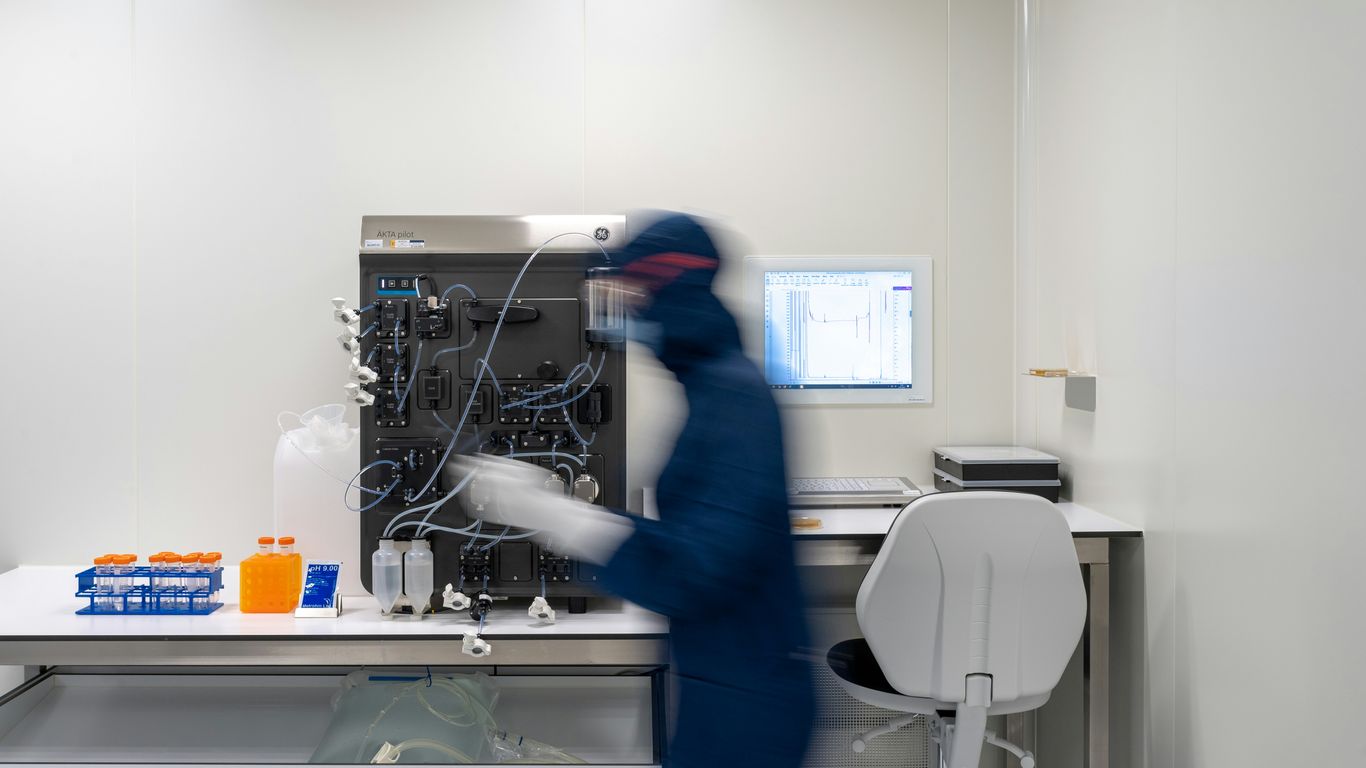
Beyond the big names in imaging and diagnostics, GE HealthCare also faces competition in the biomanufacturing and cell therapy space. This is where companies that make the tools and provide the services for creating biopharmaceuticals and advanced cell therapies come into play. Think of it like this: if GE HealthCare is building the hospital, these companies are providing the specialized equipment and supplies needed for cutting-edge labs and production facilities. They’re not always directly competing on the same product lines, but they are definitely part of the same ecosystem, and GE HealthCare needs to keep an eye on them.
Competition Based on Technological Specialization
These specialized competitors often stand out because they’ve honed in on a particular area. Instead of trying to do everything, they focus on being really good at one thing, like developing advanced bioreactors, novel cell culture media, or sophisticated gene editing tools. This deep focus means they can sometimes offer solutions that are more advanced or tailored to specific needs than a larger, more diversified company might.
Here are a few areas where this specialization is really evident:
- Cell Culture Media: Companies developing specialized nutrient broths for growing specific types of cells, like CAR-T cells for cancer therapy.
- Bioreactor Technology: Innovators creating new designs for bioreactors that improve cell growth efficiency or allow for continuous manufacturing processes.
- Downstream Processing: Firms focused on the complex steps of purifying and isolating therapeutic proteins or cells after they’ve been produced.
- Gene Editing Tools: Providers of CRISPR-based technologies or other gene modification systems used in cell and gene therapy development.
Ensuring Supply Chain Reliability
For GE HealthCare and its customers in biomanufacturing, a reliable supply chain is non-negotiable. When you’re producing life-saving therapies, you can’t afford delays or shortages of critical components. This means that competitors in this space are often judged not just on their technology, but also on their ability to consistently deliver high-quality products on time, every time. This often involves robust quality control systems and strong logistics networks.
The biomanufacturing and cell therapy sector is growing rapidly, driven by advancements in medicine and an increasing demand for personalized treatments. Companies that can offer innovative solutions while maintaining a dependable supply chain are well-positioned to capture market share. This requires significant investment in both research and development, as well as in manufacturing and distribution capabilities.
Emerging Players and Niche Technology Disruptors
Beyond the big names, the healthcare tech scene is buzzing with smaller companies and startups. These guys aren’t trying to do everything; instead, they’re laser-focused on specific areas, often using new tech to shake things up. Think of them as the wild cards in the game, the ones who might just surprise everyone.
AI-Powered Diagnostic Software
Artificial intelligence is a huge deal, and a lot of smaller outfits are building software that can help doctors spot problems faster or more accurately. These tools can analyze scans, patient data, or even genetic information. The goal is to make diagnostics quicker and more precise, sometimes catching things that might be missed otherwise. It’s still early days for some of this tech, and getting doctors to fully trust AI can be a hurdle, but the potential is definitely there.
Advanced Point-of-Care Devices
Another area where smaller companies are making waves is in point-of-care (POC) devices. These are the gadgets that let you do tests or get readings right there, where the patient is – like in a doctor’s office, an ambulance, or even at home. We’re talking about faster results for things like blood tests, infection detection, or monitoring vital signs. The big draw here is convenience and speed, cutting down on the time it takes to get answers and start treatment.
Challenging Traditional Market Segments
These emerging players, with their specialized tech, are really starting to poke holes in the traditional way of doing things. They’re not always going head-to-head with the giants on their own turf. Instead, they’re finding gaps, offering solutions that are more agile, more affordable, or just plain better for a specific need. This forces the bigger companies to pay attention and keep innovating, which is good for everyone in the long run.
The healthcare industry is always looking for ways to improve. While the big companies have the resources, these smaller, focused players often bring fresh ideas and a willingness to take risks. They’re the ones pushing the boundaries, and that’s what keeps the whole field moving forward.
Here’s a quick look at what makes these disruptors tick:
- Focus: They concentrate on solving one or two problems really well.
- Agility: Being smaller means they can adapt to changes and new tech much faster.
- Innovation: Often, they’re built around a groundbreaking piece of technology or a new approach.
- Cost: Sometimes, their specialized solutions can be more budget-friendly for certain applications.
It’s a dynamic space, and keeping an eye on these emerging companies is smart. They might not have the market share of GE HealthCare today, but they’re the ones to watch for the innovations of tomorrow.
Looking Ahead
So, as we wrap up our look at GE HealthCare’s competitive scene for 2025, it’s clear the company is in a tough but familiar spot. They’ve got a solid foundation with their wide range of products, a global reach that’s hard to beat, and a decent financial standing. But let’s be real, the medical tech world isn’t standing still. Companies like Siemens Healthineers and Philips are right there with them, pushing new ideas, especially with AI and digital health. Plus, there are always smaller, innovative players popping up. GE HealthCare’s game plan seems to be all about staying ahead with tech, expanding where they can, and working with others. It’s going to be interesting to see how they keep up the pace and hold their ground in this fast-moving market.