Remember 2012? It feels like a different era for cars, especially when you think about electric vehicles. Back then, the idea of ditching gas stations was still pretty new for most people. But some car companies were already pushing forward, showing us what electric driving could really be like. Let’s take a little trip back and see what was happening with 2012 electric vehicles – it was a pretty interesting time.
Key Takeaways
- The Tesla Model S really stood out in 2012, showing off a big touchscreen and good range, making electric cars seem more exciting and practical.
- Cars like the Ford Fusion Hybrid and Nissan Leaf made electric and hybrid options more common and easier for people to get.
- New tech like large touchscreens and software updates over the air started appearing, changing how we interact with cars.
- Beyond regular cars, there were hints of electric sports cars and commercial vehicles, suggesting electric power could be used in many different ways.
- Things like government help, better battery tech, and people wanting greener options were all pushing electric vehicles forward, even though there were still big challenges like cost and charging.
Pioneering Electric Vehicles of 2012
The year 2012 was a pretty big deal for electric cars. It felt like the moment when EVs started to move from being just a quirky idea to something people could actually see themselves driving. A few cars really stood out and showed what was possible.
The Groundbreaking Tesla Model S
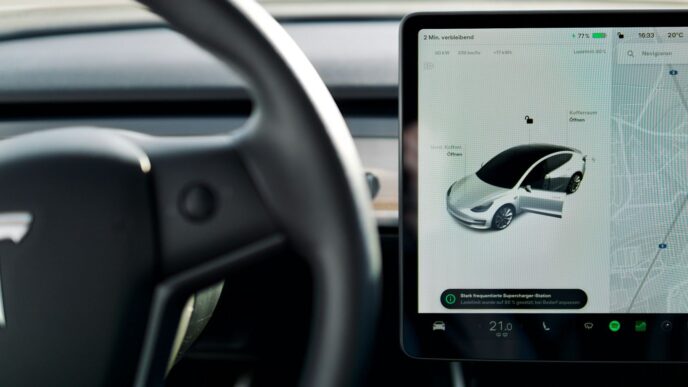
Let’s be honest, the Tesla Model S was the one everyone talked about. It wasn’t just electric; it was cool. This car redefined what an electric vehicle could be, blending luxury, performance, and a serious dose of tech. It looked sharp, and the range it offered – up to 265 miles on some versions – meant you weren’t constantly worried about running out of juice on longer trips. Plus, it could actually fit people, with an optional third row making it a seven-seater. Inside, that massive 17-inch touchscreen controlled almost everything. It was like driving a smartphone on wheels, a big change from the usual buttons and knobs. And the idea of getting software updates over the air? That was straight out of the future.
Ford Fusion Hybrid: A Seamless Integration
Ford also made waves with its Fusion Hybrid. This car was great because it showed that you didn’t have to go fully electric to be more eco-friendly. It managed to blend the gas engine and electric motor so smoothly that you barely noticed the switch. It was a practical choice for people who wanted better fuel economy without a huge change in how they drove or what their car looked like. It proved that hybrids could be comfortable and stylish, not just functional.
Nissan Leaf: Accessible Electric Driving
The Nissan Leaf was another important player. It was one of the first all-electric cars that a lot of regular folks could actually buy. It wasn’t trying to be a luxury car or a sports car; it was designed to be a practical, everyday vehicle. The Leaf made electric driving more accessible to the masses, showing that EVs could fit into daily life for commuting and errands. It was a solid step towards making electric cars a common sight on the road.
Technological Innovations in 2012 Electric Cars
Revolutionary Touchscreen Interfaces
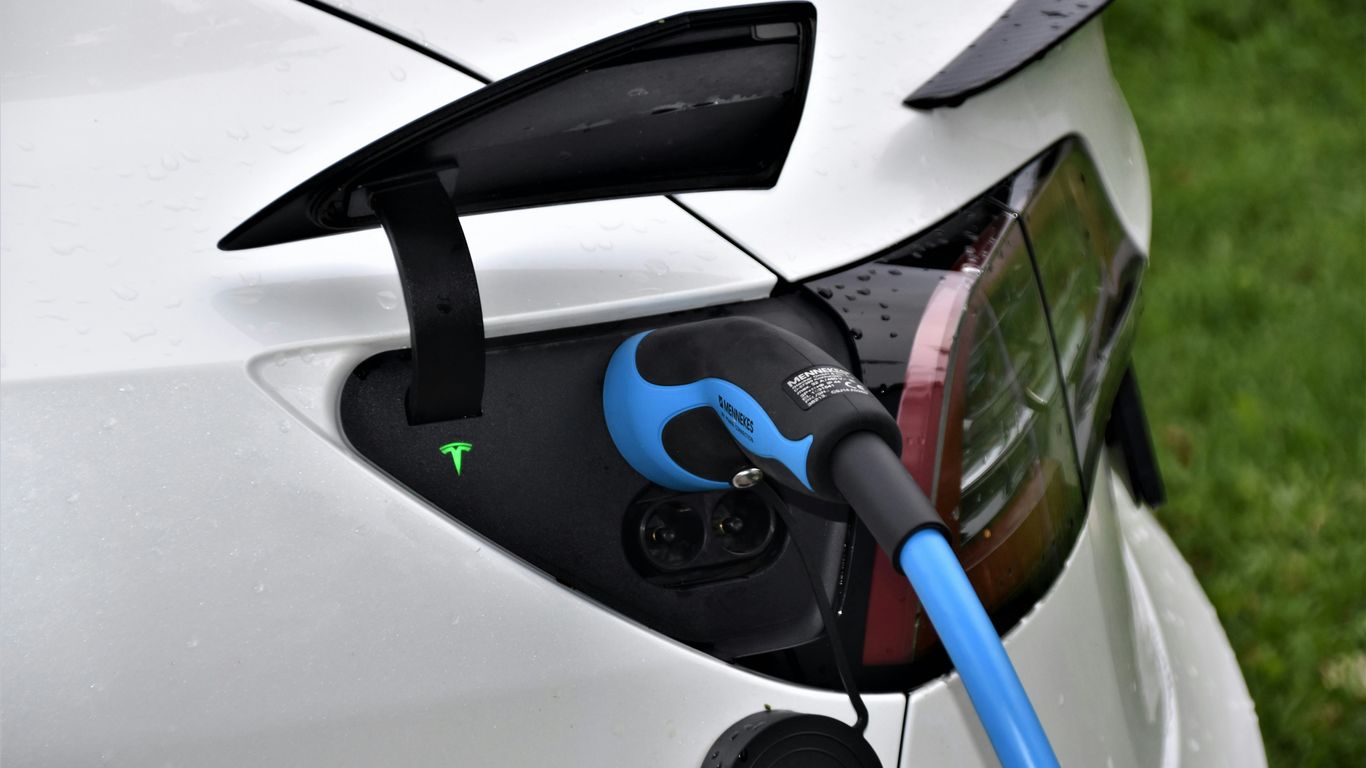
Remember fumbling with a million tiny buttons to adjust the radio or the air conditioning? Well, 2012 started to change all that. Cars like the Tesla Model S really pushed the envelope with massive touchscreens. It felt like you were interacting with a giant smartphone, not a car. Everything from navigation to music controls was right there, a simple tap away. This made the car’s interior look cleaner and, honestly, a lot more futuristic. It was a big shift from the dashboard clutter we were used to.
Over-the-Air Software Updates
This was a pretty big deal back then, something we usually only saw with our phones or computers. Instead of having to take your car into the dealership for every little software tweak or upgrade, some manufacturers started offering "over-the-air" updates. This meant your car could get new features or fixes just by connecting to the internet, often wirelessly. It was a sign that cars were becoming more like connected devices, capable of improving over time without a trip to the mechanic. It really changed how people thought about car ownership and maintenance.
Advanced Battery Choices and Range
One of the biggest hurdles for electric cars has always been how far they can go on a single charge, right? In 2012, manufacturers were really starting to offer more options when it came to battery packs. This meant buyers could often choose between different ranges. For example, you might have a base model with a decent range for city driving, and then an option for a larger battery that gave you more miles for longer trips. This flexibility helped ease some of the "range anxiety" people felt, making electric cars seem more practical for a wider variety of drivers. It showed that battery technology was improving, offering better performance and more choices.
The Evolving Landscape of Electric Mobility
Challenging Automotive Conventions
Back in 2012, electric cars weren’t just about being green; they were starting to really shake things up in the car world. Automakers were realizing that electric power wasn’t just for small, quirky cars anymore. We saw manufacturers begin to push the envelope, showing that electric vehicles could be just as exciting, practical, and even luxurious as their gasoline-powered cousins. It was a big shift from the old way of thinking, where electric was often seen as a compromise. Suddenly, cars like the Tesla Model S were proving that you could have amazing performance and a long driving range without burning a drop of gas. This really made people rethink what a car could be.
Inspiring Future Advancements
The innovations seen in 2012 electric vehicles didn’t just stop there. They laid the groundwork for so much that came after. Think about it: the big touchscreens, the idea of getting software updates wirelessly – these were pretty new concepts for cars back then. They showed other companies what was possible and pushed them to develop their own tech. It was like a spark that ignited a race to create even better electric cars. We started seeing more battery options, better charging speeds, and designs that were more appealing to a wider audience. It really set a tone for the future of the auto industry.
Rethinking Transportation Solutions
Beyond just individual cars, the rise of electric vehicles in 2012 also got people thinking differently about how we get around. It wasn’t just about replacing gas cars with electric ones; it was about imagining new ways to move people and goods. This included looking at electric options for delivery fleets, public transport, and even smaller personal transport. The idea was to create a more sustainable and efficient transportation system overall. It was the beginning of a much bigger conversation about how we can use technology to make our cities cleaner and our commutes better.
Specialty Electric Vehicles Emerge
Beyond the everyday sedans and hatchbacks, 2012 also saw the beginnings of electric vehicles designed for more specific jobs and lifestyles. It wasn’t just about commuting anymore; manufacturers started thinking about how EVs could fit into different parts of our lives.
High-Performance Electric Sports Cars
For the speed demons out there, 2012 was an interesting year. While not as common as mainstream EVs, the idea of electric power matching or even beating gasoline engines in sports cars was starting to take shape. These weren’t just about being green; they were about raw performance. Think quick acceleration and handling that could give traditional sports cars a run for their money. The promise was a thrilling drive without the guilt of burning fossil fuels.
Electric Vans and Trucks for Commerce
Businesses started looking at electric options too. Delivery companies and tradespeople began to see the potential in electric vans and trucks. The idea was simple: lower running costs and less pollution for fleets that cover a lot of miles. While the infrastructure wasn’t fully there yet, the wheels were turning on electrifying commercial transport. This meant quieter city streets and potentially big savings for businesses.
Adventure-Ready Electric SUVs
Who says electric cars can’t go off-road? In 2012, we saw the early signs of electric SUVs designed for more rugged use. These vehicles aimed to combine the capability of an SUV with the benefits of electric power. Whether it was for weekend getaways or just tackling rougher terrain, these EVs showed that electric mobility could extend beyond paved roads. It was about offering an eco-friendly option for those who liked to explore.
Driving Forces Behind Electric Adoption
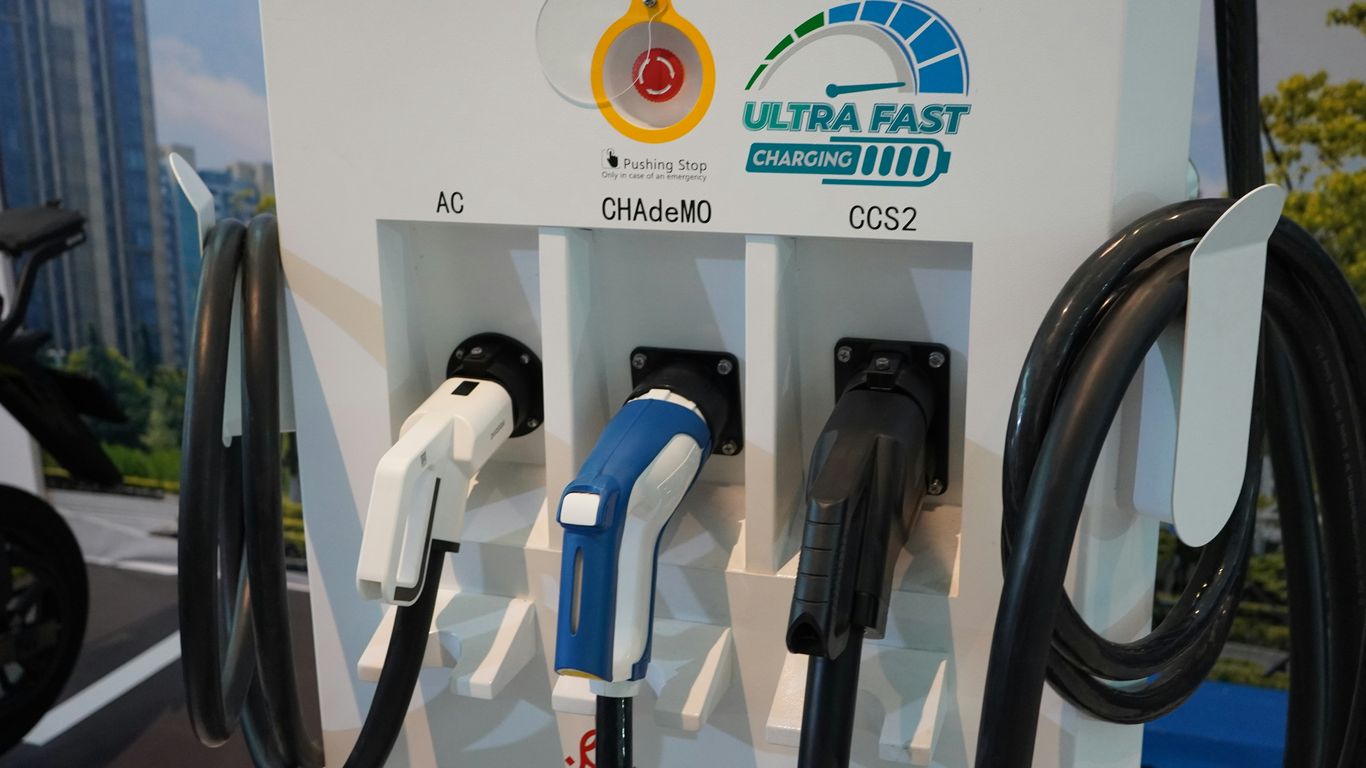
So, what was really pushing people to consider these new electric cars back in 2012? It wasn’t just one thing, but a mix of factors that started to get things moving.
Technological Advancements in Powertrains
For starters, the actual tech inside these cars got a lot better. We’re talking about the motors and the batteries. They weren’t just experimental anymore; they were becoming more reliable and, importantly, offering more miles on a single charge. This made the idea of owning an EV seem less like a gamble and more like a practical choice for daily driving. Think about it: if you can actually get to work and back without worrying if you’ll make it home, that’s a big deal.
Governmental Incentives and Regulations
Governments played a pretty big role too. Many countries, including the US, started offering tax credits or rebates for buying electric vehicles. This made the sticker price a bit more manageable, which was key since EVs were still pretty pricey. Plus, there were stricter rules about emissions coming down the pipeline, pushing car companies to offer greener options. It was a nudge, and sometimes a shove, in the direction of electric.
Here’s a look at some incentives that were around:
- Federal Tax Credits: Often a few thousand dollars off the purchase price.
- State Rebates: Some states offered additional money back.
- Local Perks: Things like HOV lane access or reduced registration fees.
Growing Consumer Demand for Sustainability
And then there was us, the consumers. More and more people were starting to think about the environment and their own carbon footprint. News about climate change was everywhere, and folks wanted to do their part. Driving an electric car felt like a tangible way to make a difference. It wasn’t just about the tech or the money; it was about feeling good about the choices you were making for the planet. Plus, let’s be honest, the idea of a quieter, smoother ride was pretty appealing too.
Challenges and Considerations for Electric Vehicles
Even with all the excitement around electric cars in 2012, it wasn’t all smooth sailing. There were some pretty big hurdles that folks had to think about, and honestly, some of them are still around today.
High Development and Production Costs
Making these new electric cars wasn’t cheap, not by a long shot. Companies were spending a ton of money figuring out the best battery tech, building new factories, and just generally trying to get these vehicles out the door. Because they weren’t making millions of them like they were with gas cars, the cost for each individual car ended up being pretty high. It’s like trying to bake a single fancy cake versus a whole batch – the single one costs more per serving, right?
Infrastructure and Range Anxiety
This was, and still is, a big one. Back in 2012, finding a place to charge your electric car wasn’t easy. Charging stations weren’t everywhere like gas stations are. So, people worried a lot about running out of power on a trip. This fear, often called ‘range anxiety,’ made a lot of people hesitant to buy an EV, especially if they had longer commutes or liked to take road trips. You had to really plan your journeys around where you could plug in.
Here’s a look at how range was often perceived:
- Early EV Range (2012): Typically between 70-150 miles on a full charge.
- Charging Time: Often took several hours for a full charge at home, or longer at public stations.
- Infrastructure Availability: Limited public charging stations, mostly in specific urban areas or along certain routes.
Market Education and Consumer Needs
Let’s be real, most people were used to gas cars. They knew how they worked, where to get gas, and what to expect. Electric cars were new and different. Automakers had to spend time and effort explaining how EVs worked, their benefits, and how to live with one. Plus, not everyone’s needs were met by the early EV models. If you needed a truck for work or a car that could go hundreds of miles without stopping, the 2012 options just didn’t cut it. Meeting diverse consumer needs while educating the public was a major balancing act.
Looking Back, Moving Forward
So, thinking back to 2012, it’s pretty wild to see how far electric cars have come. Back then, cars like the Tesla Model S, the Ford Fusion Hybrid, and the Nissan Leaf were really pushing the envelope. They showed us that electric could be cool, practical, and even a bit fancy. It wasn’t just about saving the planet; it was about having a car that was genuinely fun and packed with new tech, like those big touchscreens. While they might seem a bit dated now compared to today’s EVs, those early models were super important. They got people talking, got manufacturers thinking, and basically kicked off the whole electric car movement we’re seeing today. It’s a good reminder that even the first steps can lead to big changes down the road.