

The world of cyber rules and regulations, especially those coming from the executive branch, is always changing. It can feel like a lot to keep up with, especially with new threats popping up all the time. This guide breaks down what you need to know about the latest cyber executive orders, focusing on practical steps rather than just checking boxes. We’ll look at what’s important now, how to handle new tech, and how to keep your team and systems safe.
Key Takeaways
- Cyber executive orders are shifting focus from simple compliance to actual security practices, emphasizing how software is built and used.
- Software Bills of Materials (SBOMs) and following the NIST Secure Software Development Framework (SSDF) are still important for transparency and secure coding.
- New technologies like AI are changing the cyber threat landscape, requiring updated strategies for cloud, IoT, and ransomware defense.
- Building a strong cyber workforce through better hiring, training, and AI literacy is key to staying ahead of threats.
- Understanding state-sponsored cyber programs and collaborating within the wider cyber ecosystem are vital for dealing with international cyber challenges.
Understanding the Evolving Cyber Executive Orders Landscape
The world of cybersecurity directives, especially those coming from the executive branch, is always on the move. It feels like just when you get a handle on one set of rules, another one pops up, changing the game a bit. It’s less about just checking boxes and more about actually doing security right.
Shifting Focus: From Compliance to Practice
We’ve seen a trend where the emphasis is moving away from just meeting a list of requirements to actually making sure our software and systems are secure in practice. Think of it like this: instead of just proving you read the manual for your new gadget, you’re actually using it correctly and safely. This means agencies and companies are being pushed to really get good at building secure software from the ground up, not just tacking security on at the end. It’s about making security a normal part of the development process.
The Enduring Importance of Software Quality and Transparency
No matter how the rules change, some things just stay important. High-quality software and being open about what’s in it are still big deals. This means we need to keep asking for details about the software we use, like Software Bills of Materials (SBOMs). These are like ingredient lists for software, telling us what components are inside. Knowing what’s in your software helps you understand potential risks. Vendors who are serious about security will be happy to share this information.
Integrating Security from the Outset: ‘Start Left’ Principles
This idea of "starting left" is a big one. It means building security into the very beginning of the development process, even before coding really gets going. It’s a step beyond just "shifting left," which often means adding security checks later in the development cycle. "Start left" is about making security a core consideration from the initial design phase. This approach helps catch problems early when they are much easier and cheaper to fix.
Here’s a quick look at what that means:
- Early Design: Security requirements are part of the initial planning.
- Developer Focus: Developers are equipped and encouraged to build securely.
- Continuous Checks: Security is checked regularly throughout the development process.
- Transparency: Knowing what’s in your software is key to managing risk.
Key Pillars of Modern Cybersecurity Directives
The Role of Software Bills of Materials (SBOMs)
Knowing what your software is made of is more important than ever. That’s where a Software Bill of Materials (SBOM) comes in. Basically, an SBOM is a full list of all the parts and pieces—like libraries, frameworks, and other third-party components—that go into your software. This isn’t just a fancy new term. Without it, patching vulnerabilities or fixing issues means lots of guesswork.
Here’s why SBOMs stand out:
- Quickly identify risky software components.
- Speed up response when new vulnerabilities hit the news.
- Help with compliance during audits or government reviews.
A lot of software nowadays uses open-source code or reusable modules. If a security hole pops up in one library, an SBOM tells you exactly where it’s hiding in your own tools.
Adherence to NIST Secure Software Development Framework (SSDF)
Agencies aren’t just checking boxes anymore; they want proof of real-world secure development. That’s where the NIST SSDF steps in. It’s less about paperwork, more about building safer habits for software teams. The main point of SSDF is this: bake security into every step, from idea to deployment.
SSDF covers things like:
- Planning how to handle security threats ahead of time.
- Testing code often—and not just when things go wrong.
- Documenting changes and being transparent with stakeholders.
It might sound daunting, but the framework is about helping teams catch problems before they cause trouble. Regular refactoring and secure practices should just become part of the daily routine.
Continuous Code Analysis and Review
Gone are the days when developers shipped code and crossed their fingers. Ongoing code analysis is now a must. This means using automated tools that look for weak spots, alongside manual code reviews by fellow developers.
Benefits of continuous review include:
- Find bugs before they cause real-world issues.
- Reduce the cost and pain of patching bugs later.
- Encourage better coding by making everyone double-check each other’s work.
| Method | What It Does | How It Helps |
|---|---|---|
| Static Analysis | Scans code for flaws | Catches issues early |
| Dynamic Analysis | Tests running programs | Finds runtime errors |
| Peer Code Reviews | Manual check by teammates | Improves knowledge |
Continuous analysis and review don’t mean perfect security—but they’re the fastest way to spot and squash mistakes before they turn into headlines.
All these pillars work best together. One alone won’t cut it. Use SBOMs for clarity, SSDF for process, and regular code checks for day-to-day protection, and you’re well on your way to better, safer software.
Addressing Emerging Threats and Technologies
The digital world keeps changing, and so do the ways bad actors try to get in. It’s not just about old viruses anymore. We’re seeing new kinds of problems pop up, especially with how we use technology.
The Impact of Artificial Intelligence on Cyber Defenses
Artificial intelligence, or AI, is a big one. It’s making things faster and smarter for us, but it’s also helping cybercriminals. They’re using AI tools to make their attacks more effective, automate tasks, and even find new ways to get around security. Think of it like this: AI can help them write better scam emails or figure out weak spots in systems much quicker than before. This means our defenses need to get smarter too, using AI to spot and stop threats before they cause damage. It’s a constant race to keep up.
Securing Cloud and IoT Environments
More and more, we’re storing data and running services in the cloud. That’s convenient, but it opens up new doors for attackers if not managed right. We need to make sure that cloud setups are locked down tight with things like encryption and constant watching. The same goes for the Internet of Things, or IoT – all those smart devices in our homes and workplaces. Each one is a potential entry point. Keeping them secure means managing them well and making sure they aren’t talking to parts of the network they don’t need to. It’s about putting up good fences around these connected things.
Combating Evolving Ransomware Tactics
Ransomware is still a huge headache. It’s not just about locking up files anymore. Attackers are getting creative, sometimes using multiple layers of encryption to make recovery harder. They also try to blend in with normal network activity, making it tough to spot them until it’s too late. Some are even using less common programming languages to write their malicious code, hoping to sneak past security software that’s looking for more familiar threats. Fighting this means staying alert, sharing information, and working together across different groups to stay one step ahead of these changing methods.
Strengthening the Cyber Workforce
Look, keeping our digital defenses strong isn’t just about fancy firewalls or complex code. It really comes down to the people. We need folks who know what they’re doing, and that means paying attention to how we find, keep, and train our cybersecurity teams. It’s a constant challenge, but a necessary one.
Recruiting and Retaining Technical Talent
Finding good people is tough. The demand for cybersecurity pros is sky-high, and it’s only going up. We’re talking about people who can actually spot and stop threats, not just follow a checklist. This means companies and agencies need to get creative. Think about offering better pay, sure, but also look at flexible work arrangements, chances to work on interesting projects, and clear paths for career growth. It’s not just about filling a seat; it’s about building a team that wants to stick around and get better.
Fostering AI Literacy Across Teams
Artificial intelligence is changing everything, and cybersecurity is no exception. It’s not enough for just a few specialists to understand AI. Everyone on the team needs a basic grasp of what AI can do, both for defense and for attackers. This doesn’t mean everyone needs to be an AI developer, but they should know how AI tools are being used in security operations and how to spot potential AI-driven threats. This kind of knowledge helps everyone make better decisions and work more effectively. We’re seeing a lot of focus on advancing quantum technologies and AI is right there with it.
Continuous Training and Skill Development
The cyber world moves fast. What worked last year might be old news today. So, ongoing training is non-negotiable. This isn’t just about ticking boxes for compliance. It’s about real, hands-on learning. Think about:
- Regular workshops on new attack methods.
- Simulated cyberattack drills to test response times.
- Encouraging certifications and advanced courses.
- Sharing knowledge from recent security incidents.
The goal is to keep skills sharp and minds adaptable. When your team is constantly learning, they’re better prepared for whatever comes next. It’s about building a culture where learning is part of the job, not just an afterthought.
Navigating International Cyber Threats
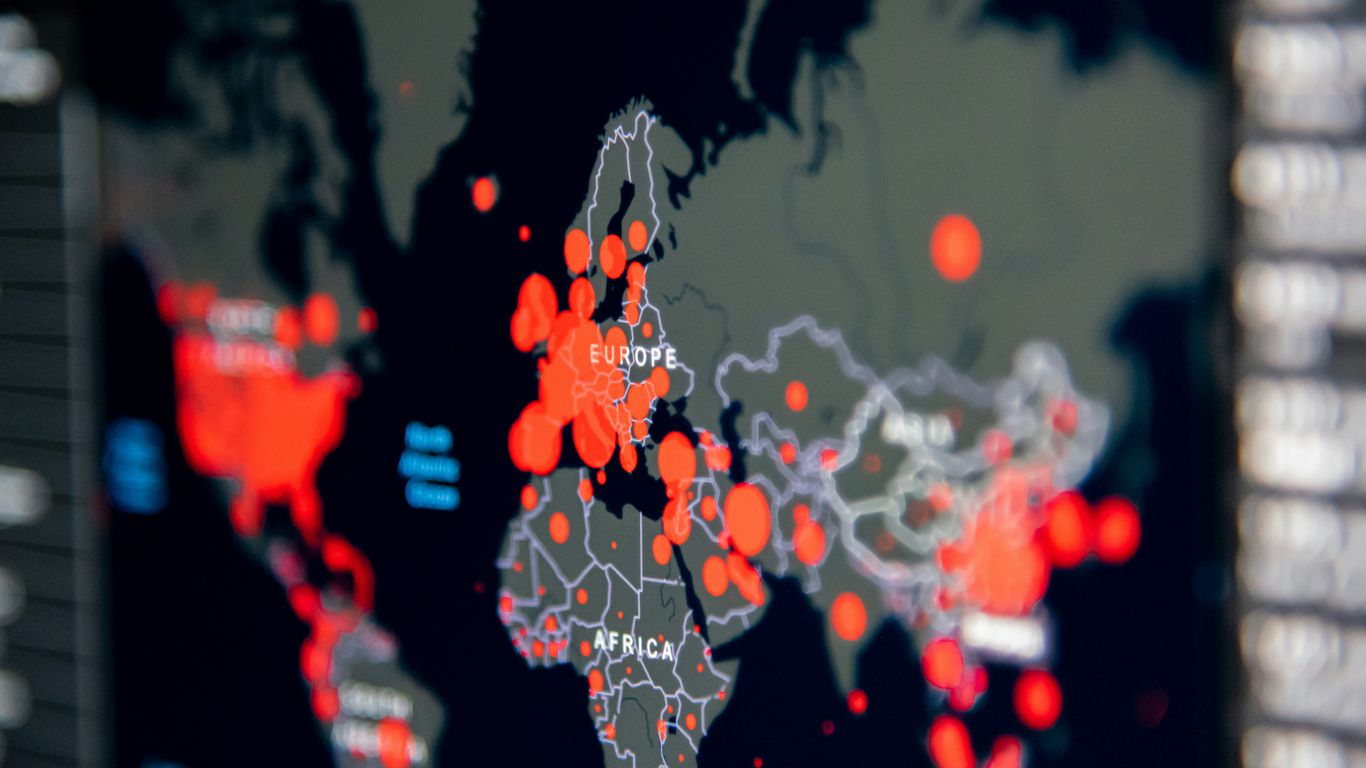
It feels like every day there’s a new headline about cyber threats, and a lot of it isn’t just coming from random hackers. We’re seeing more and more activity from countries themselves, or groups they support. These state-sponsored programs are getting pretty sophisticated, and they’re not just after government secrets anymore. They’re targeting critical infrastructure, businesses, and even individuals.
State-Sponsored Cyber Programs and Their Objectives
When we talk about state-sponsored cyber programs, we’re looking at nations actively using digital tools for their own goals. Think espionage, stealing intellectual property, or even disrupting other countries’ operations. The big players like China, Russia, and Iran are definitely on the radar, but other countries are building up their capabilities too. They’re often trying to challenge existing powers and push their own ideas about how the internet should work, which usually means more control and surveillance. It’s a complex web where geopolitical rivalries play out in cyberspace. These nations also use a network of commercial companies and researchers to help them, sometimes to hide their tracks or get tools they can’t build themselves. It’s a bit like a shadow economy supporting these digital operations.
The Role of Emerging Cyber Powers
Beyond the established players, we’re also seeing countries that want to be major global players start to develop their own cyber programs. India is one example. While their focus might be more on internal issues or regional rivals right now, they’re still building capabilities that could eventually impact us. They might use these tools to keep an eye on their own citizens living abroad or to gain an edge in international dealings. It’s a sign that the global cyber landscape is always shifting, with new actors constantly trying to climb the ranks.
Leveraging the Wider Cyber Ecosystem
It’s not just governments acting alone. They’re tapping into a whole ecosystem of private companies, contractors, and research groups. This wider network helps them get specialized tools, find vulnerabilities, or even just mask their activities. For countries that are still building their own cyber skills, this ecosystem is a way to acquire advanced capabilities faster than they could develop them from scratch. Understanding this interconnectedness is key to grasping the full picture of international cyber threats. The Global Cybersecurity Outlook 2026 report touches on how these global divisions and rapid tech changes are making things more complicated for everyone.
Proactive Defense Against Cybercrime
Look, cybercrime isn’t some far-off problem anymore. It’s happening every day, and honestly, it’s getting more creative. We’re seeing a lot more sophisticated attacks, and relying on old methods just won’t cut it. The big thing is to get ahead of it, you know? Don’t wait for something bad to happen. Being prepared is way better than dealing with the mess afterward.
Preventing Phishing and Social Engineering Attacks
Phishing emails and social engineering tactics are still super common ways attackers try to get in. They play on people’s trust or urgency. Think about those emails that look like they’re from your bank, asking you to click a link to verify your account. Or that phone call pretending to be from IT support, asking for your password. It’s all about tricking people.
Here’s what you can do:
- Educate your team: Regular training on how to spot suspicious emails, links, and requests is key. Make it clear what to do if they see something off – like reporting it immediately.
- Use email filters: Good spam and phishing filters can catch a lot of the bad stuff before it even reaches your employees’ inboxes.
- Test your defenses: Run simulated phishing campaigns to see how well your team is doing and where they might need more help. It’s a good way to find weak spots.
Developing Robust Data Breach Response Plans
Even with the best defenses, sometimes a breach still happens. Having a solid plan for what to do when that occurs is really important. It’s not just about fixing the technical problem; it’s about managing the fallout.
Your plan should cover:
- Immediate containment: How do you stop the bleeding? This means isolating affected systems and preventing further damage.
- Investigation: Figure out what happened, how it happened, and what data was compromised. This is where you might need outside help.
- Notification: Who needs to know? This includes affected customers, partners, and regulatory bodies. There are specific timelines and rules for this.
- Recovery: Getting systems back online and secure. This also involves learning from the incident to prevent it from happening again.
Mitigating Risks from Uncommon Programming Languages
We often focus on the big, common languages, but attackers can exploit vulnerabilities in less common ones too. If your organization uses niche languages or older systems, you might have blind spots.
Consider these points:
- Inventory your tech stack: Know exactly what languages and frameworks you’re using, even the obscure ones. You can’t protect what you don’t know you have.
- Seek specialized security tools: Standard security tools might not be equipped to scan or analyze code written in less common languages. You might need to find specific solutions or consult with experts.
- Vendor risk management: If you rely on third-party software built with these languages, make sure your vendors have strong security practices. It’s about securing your entire supply chain.
Being proactive means looking at all the angles, not just the obvious ones. It’s a constant effort, but it’s the only way to stay ahead.
Wrapping It Up
So, we’ve gone through a lot about cyber executive orders and what they mean. It’s clear that even as the rules change, the main job stays the same: keep the data and systems safe. Things like knowing what’s in your software with SBOMs and building security right from the start are still super important. It’s not just about checking boxes; it’s about actually doing things the right way. As technology keeps moving, especially with AI popping up everywhere, we need to keep learning and adapting. The goal is always to build and use software securely, no matter what new directives come down the pipe. It’s a team effort, and staying aware is key.
Frequently Asked Questions
What are Executive Orders about cybersecurity?
Executive Orders are like official instructions from the President to government agencies about how to handle cybersecurity. They set rules and goals to help protect computer systems and information from online attacks.
Why is software quality important for cybersecurity?
Think of software like a house. If the house is built with weak materials or has many flaws, it’s easier for bad guys to break in. Good quality software is built carefully, making it much harder for hackers to find weaknesses and cause trouble.
What is an SBOM and why does it matter?
SBOM stands for Software Bill of Materials. It’s like a list of all the ingredients in a software program. Knowing exactly what’s inside helps security teams find and fix any risky parts before they can be exploited.
What does ‘Start Left’ mean in cybersecurity?
‘Start Left’ means building security into software right from the very beginning of the development process, not trying to add it later. It’s like making sure a house has strong locks and alarms when it’s first built, instead of adding them after someone tries to break in.
How is Artificial Intelligence (AI) changing cybersecurity?
AI can be used to help defend against cyberattacks by spotting unusual activity faster. However, hackers can also use AI to create more sophisticated attacks, so we need to be smart about using it for defense and understand its risks.
Why is it important to train people about cybersecurity?
Many cyberattacks happen because people are tricked, like in phishing scams. Training helps everyone understand these tricks and how to avoid them, making them a stronger part of the defense system.