

The year is 2026, and the world of the tech startup USA is looking pretty different from just a few years ago. It feels like there’s a ton of money out there for startups, but also, a lot of them are still not making it. We’re seeing big changes, especially with AI becoming way more advanced, and where companies are actually setting up shop isn’t just the usual spots anymore. Plus, the skills people need to get hired are shifting fast. It’s a lot to keep up with if you’re building something new.
Key Takeaways
- Capital is available, but it’s concentrating in fewer, bigger deals, making it harder for generalist startups to get funding.
- Agentic AI is shifting from a simple tool to a more collaborative ‘teammate,’ changing how software is built and used.
- Tech hubs are spreading out, with cities like Austin, Raleigh-Durham, and Salt Lake City offering new opportunities beyond the traditional coastal areas.
- Skills in AI, machine learning, data engineering, and cybersecurity are in high demand as they drive current startup growth.
- Companies are adopting hybrid work models and multi-city strategies to find talent, balancing remote work with in-person collaboration.
The Evolving Landscape of Tech Startup USA
Navigating Unprecedented Capital Availability
It feels like just yesterday we were all scrambling for every last dollar, right? Well, things have shifted. Venture capital is flowing like never before, with global funding hitting over $97 billion in Q3 2025 alone. Projections show this market could reach nearly $760 billion by 2029. This isn’t just about more money; it’s about a different kind of investment. AI startups, for instance, snagged a massive 46% of all global venture funding in late 2025. It’s a wild time, and while the cash is there, it’s being directed in some pretty specific ways.
Understanding Consistent Failure Rates
Here’s a tough pill to swallow: despite all the tech advancements and all the money sloshing around, startups are still failing at a pretty high rate. Around 20% don’t make it past their first year, half are gone by year five, and a whopping 90% don’t see their tenth anniversary. Why? A big chunk of the time, it’s because they’re building stuff nobody actually wants. All the fancy AI in the world won’t help if your product misses the mark. It’s like having a top-tier chef but no customers – the skill is there, but the demand isn’t.
The Shift from Generalist to Specialist Startups
We’re seeing a real change in what kinds of companies are getting attention. Gone are the days when a broad approach was enough. Now, it’s all about specialization. Think about the skills that are really driving growth:
- AI and Machine Learning: These capabilities are showing up in over half of US tech job postings, a huge jump from just a year prior.
- Data Engineering: With all the focus on AI, having clean, ready data is more important than ever. This role is becoming second only to software engineering in demand.
- Cybersecurity: This isn’t going away. Almost every IT pro agrees it’s vital, and there are hundreds of thousands of open positions nationally, especially for cloud security experts.
This focus on specialized skills means startups need to be laser-focused on their niche to stand out and attract both talent and investment.
The Agentic AI Revolution and Its Impact
It feels like just yesterday we were talking about AI as a fancy autocomplete or a way to summarize long emails. Now, we’re seeing a whole new level of AI emerge: agentic AI. This isn’t just about making tasks faster; it’s about AI systems that can actually plan, collaborate, and get things done with less direct human input. Think of it less like a tool you use and more like a coworker you can rely on.
AI as a Teammate, Not Just a Tool
We’re moving from AI that helps us find information to AI that can actually reason and act on it. For example, AI can now look at financial reports and build models, or help reconcile different accounting systems. In 2026, the big leap is "multiplayer mode." Since most work involves multiple people or companies, AI needs to work across these different parties. Imagine an AI helping a buyer negotiate with a seller, or an AI coordinating maintenance requests between a tenant and a repair service. This coordination across different roles and permissions is where vertical software, built for specific industries, really shines. Instead of each person using AI separately, agentic AI can connect these efforts, route tasks to the right people, and keep everyone on the same page. This collaborative layer is what will make AI applications stickier and harder to replace.
Challenges and Opportunities in Agentic AI Adoption
While the potential is huge, it’s not all smooth sailing. Global spending on AI systems is projected to hit $300 billion by 2026, showing just how much investment is pouring in. However, there’s a real risk. Some reports suggest that a significant chunk of agentic AI projects might get canceled within a couple of years. Why? Costs can balloon, the actual business benefit might be unclear, or companies might not have the right safety measures in place. For startups, this creates a fork in the road: build with these new AI agents or risk being outpaced by competitors who do.
Avoiding ‘Agent Washing’ in Product Development
With all this excitement, there’s a temptation for companies to jump on the AI bandwagon without really delivering. This is what some are calling ‘agent washing’ – basically, rebranding existing products as agentic AI without adding truly new capabilities. It’s important to look past the buzzwords. The real value will come from AI that’s deeply integrated into specific industry workflows and can genuinely coordinate actions between different parties. Gartner predicts that by the end of 2026, about 40% of enterprise applications will have task-specific AI agents. The key for startups will be to focus on building AI that solves real problems and integrates well, rather than just slapping an AI label on something old. The goal is to create AI that acts like a true teammate, not just a fancier version of what we already have.
Emerging Tech Hubs Beyond Coastal Dominance
Forget the old maps. While San Francisco and Seattle used to be the only places to be for tech startups, things have really shifted. Now, you’ve got a bunch of other cities popping up, offering great talent and a better cost of living. It’s like the tech world finally realized there’s a whole country out there!
Austin: Where European Tech Meets Lone Star Innovation
Austin isn’t really
In-Demand Tech Skills Driving Startup Growth
So, what skills are actually getting noticed in the startup world right now? It’s not just about knowing how to code anymore. The landscape has shifted, and companies are looking for people who can do more, especially with all the new AI stuff popping up.
The Dominance of AI and Machine Learning
This is probably not a surprise to anyone. AI and machine learning are everywhere. By the end of 2025, you saw AI and ML mentioned in over half of all US tech job postings. That’s a big jump from the year before. Most companies are planning to spend more on AI, which makes sense. It’s changing how businesses work, from customer service to product development.
The Critical Role of Data Engineering
If AI is the engine, then data engineering is the fuel. You can’t have smart AI without clean, well-organized data. That’s why data engineers are in such high demand. They’re the ones making sure the information AI systems use is accurate and ready to go. Think of it like preparing ingredients before you can cook a great meal. Without good prep, the dish won’t turn out right.
Cybersecurity: An Ever-Present Necessity
This one’s been important for a while, and it’s not going anywhere. With more data and more online activity, keeping things secure is a huge deal. Almost everyone in IT agrees that cybersecurity is a must-have. There are still a lot of open jobs in this area, especially for people who know cloud security. It’s a constant battle to stay ahead of threats, and startups need good people to protect their systems and their customers’ information.
Strategic Talent Acquisition in a Hybrid World
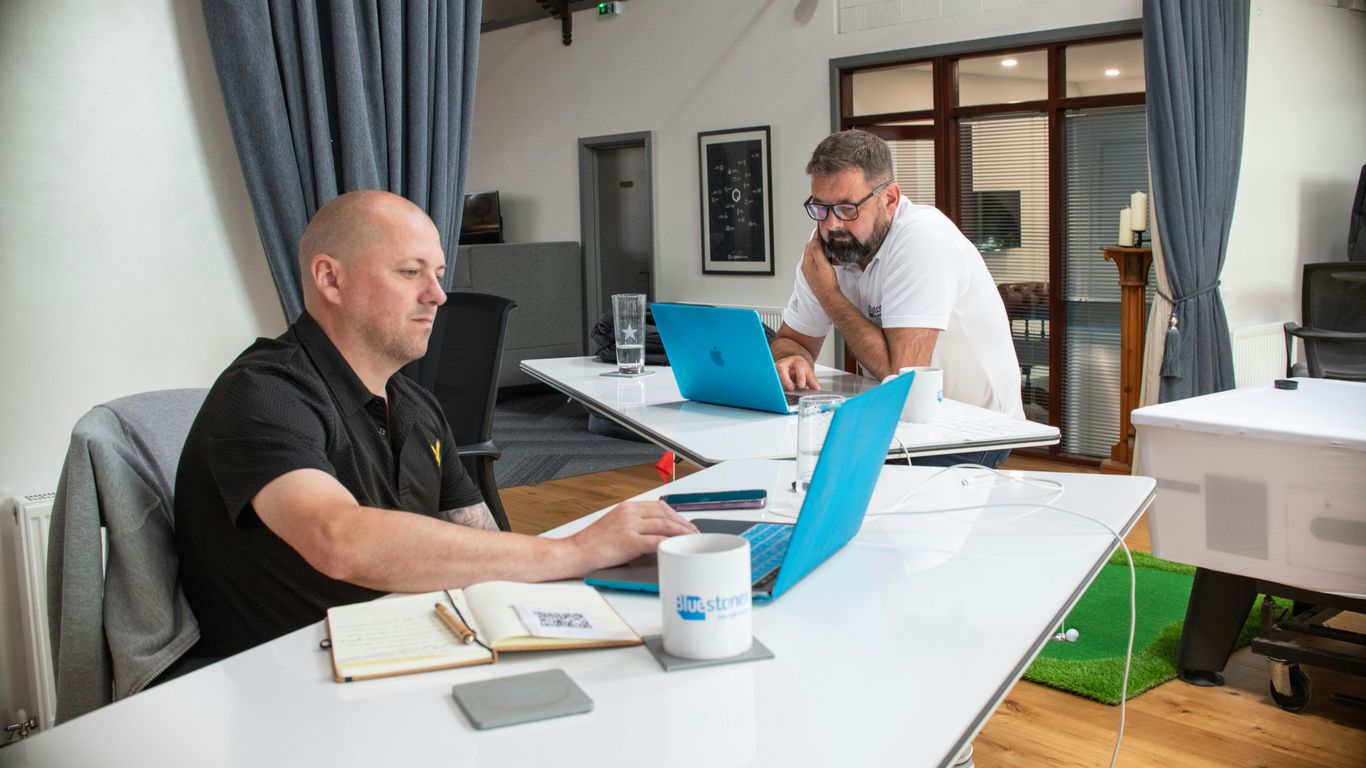
Finding the right people is still a huge part of building a tech company, even in 2026. The way we hire has changed a lot, especially with more people working from home or in different cities. It’s not just about filling seats anymore; it’s about building smart teams that can actually get things done.
Multi-City Strategies for Optimized Talent Pools
Companies are getting smarter about where they look for talent. Instead of just sticking to the big, expensive cities, many are setting up shop in a few different places. Think about having your main engineering team in a place like Austin, where there’s a good tech scene but it’s not as crazy expensive as Silicon Valley. Then, maybe you have a smaller, specialized group, like your AI research folks, in another spot, perhaps near a university town with strong research programs. This way, you can tap into different kinds of talent without breaking the bank. It’s like casting a wider net, but doing it in a really focused way.
Balancing Remote Flexibility with Collaboration
We’ve all learned that people can do great work from anywhere. But, you can’t just let everyone do their own thing all the time. You still need people to connect, brainstorm, and feel like part of a team. So, companies are trying to find that sweet spot. Maybe you have core hours when everyone needs to be online for meetings, or you set up shared digital spaces where people can work together on projects in real-time. It’s about giving people the freedom to work where they’re most productive, but also making sure they can still collaborate effectively when needed. It’s a tricky balance, for sure.
Leveraging Regional Hubs for Specialized Expertise
Beyond the big tech cities, there are smaller areas that are becoming really good at specific things. For example, some places are known for their cybersecurity talent because of local universities or government research. Others might have a strong group of people who are experts in data engineering because of the industries nearby. The trick is to figure out what kind of talent your startup really needs and then find those regional hotspots where that expertise is concentrated. Instead of trying to attract a niche expert to a major city where they might be poached by a dozen other companies, you can often find them more easily, and perhaps more affordably, in these specialized hubs. It’s about being strategic and knowing where to look.
Data Sovereignty and Continuous Data Rooms
Okay, so let’s talk about something that’s really changing the game for startups in 2026: how they handle their data. It’s not just about keeping things safe anymore; it’s about trust and being ready for anything.
Data Sovereignty as a New Trust Signal
Remember when startups could just operate however they wanted, especially with data? Those days are pretty much over. With companies working across borders and dealing with different privacy rules like GDPR and CCPA, knowing where your data lives and how it’s protected is a big deal. Investors are looking at this closely. If you can’t clearly explain your data’s location and security measures, it creates a "trust gap." Many top-notch virtual data rooms (VDRs) now offer "regional hosting" as a standard feature. This attention to detail, often checked against security standards, can really make or break a deal.
The Power of Engagement Analytics in Fundraising
This is a pretty neat trick: modern VDRs can show you exactly what investors are looking at and for how long. Think of it like a heatmap for your documents. If a potential investor spends hours digging into your intellectual property but barely glances at your financials, you know what to focus on in your next meeting. It stops you from guessing and lets you be proactive. You can send over extra info before they even ask, keeping the momentum going.
The Rise of the ‘Continuous Data Room’ Model
This is a big shift in how companies operate. Instead of just getting a data room ready when it’s time to raise money, the best startups keep theirs updated all the time. Your company’s ownership structure, board meeting notes, and important contracts are always current in a secure place. This means when a big acquisition offer pops up unexpectedly, or you’re ready for your next funding round, you’re not scrambling. You have a "single source of truth" ready to go in minutes. It shows you’re organized and already thinking like a mature company, which is a huge confidence booster.
Looking Ahead: The Evolving Startup Scene
So, what does all this mean for the future? It’s clear that 2026 isn’t just another year for tech startups in the US; it’s a turning point. The landscape is shifting, with AI becoming less of a novelty and more of a core tool, and new tech hubs popping up outside the usual spots. Success won’t just be about having a good idea anymore. It’s going to be about smart execution, understanding what people actually need, and being able to adapt quickly. Those who can figure out how to work with these new AI tools, focus on real problems, and build solid teams in these growing markets are the ones who will likely make it. It’s a challenging but exciting time to be building something new.
Frequently Asked Questions
Why are so many startups still failing even with more money available?
Even though there’s a lot of money for startups, many still don’t make it. The main reason is that they build things nobody actually wants. Having lots of cash doesn’t help if people don’t need or like your product. It’s like having a fancy tool but no job for it to do.
What is ‘Agentic AI’ and how is it different from regular AI?
Agentic AI is like a super-smart helper that can figure things out and get jobs done on its own, not just follow simple instructions. Think of it less like a calculator and more like a coworker who can plan and work with others to reach a goal without you telling them every little step.
Are there new places for tech startups besides California and New York?
Yes! Places like Austin, Texas, Raleigh-Durham in North Carolina, and Salt Lake City, Utah, are becoming big tech spots. They offer good talent, lower costs, and a friendly environment for businesses, attracting companies that used to only look at the coasts.
What tech skills are most important for startups right now?
Skills related to Artificial Intelligence (AI) and Machine Learning are super important. Also, knowing how to handle and prepare data (data engineering) is key because AI needs good data to work. And, of course, keeping things safe from hackers (cybersecurity) is always a must.
How are companies finding workers in today’s world with remote work?
Companies are using smart strategies. They might set up main offices in places with lower costs but still have smaller teams in big tech cities. They also offer flexible work, but often find that having some central meeting spots helps teams work together better, even if people work from home sometimes.
What is a ‘Continuous Data Room’ and why is it important for startups?
A ‘Continuous Data Room’ is like a secure online filing cabinet that startups keep updated all the time with important company info, like legal papers and financial details. It’s important because it means they are always ready to show investors or buyers their information quickly, making them look organized and trustworthy.