Keeping up with the fast-paced world of electronics can feel like a full-time job. New tech seems to pop up every week, and understanding what’s actually important takes time. EE Times is a great resource for sorting through all the noise. We’ll look at some of the big shifts happening right now, from the chips inside our devices to how they talk to each other and the power they use. It’s a lot, but it’s also pretty interesting stuff.
Key Takeaways
- New chip designs are making computers faster and smarter, especially for AI tasks. EE Times covers how these chips are built and what they can do.
- Faster wireless is here. Think better internet and smoother connections for all your gadgets, thanks to things like Wi-Fi 7 and advanced 5G.
- How we power our devices is changing. We’re seeing more efficient ways to manage energy and better batteries, which is good for the planet.
- The brains inside everyday electronics, like microcontrollers, are getting more powerful and secure. This impacts everything from smart appliances to industrial machines.
- Cars are becoming computers on wheels. EE Times looks at how self-driving tech, fancy in-car screens, and electric vehicle parts are developing.
Exploring Advanced Semiconductor Innovations
Semiconductors are the brains of pretty much everything electronic these days, and the pace of change is just wild. It feels like every week there’s some new breakthrough that promises to make our gadgets faster, smarter, and more efficient. Let’s break down what’s happening.
Next-Generation Chip Architectures
We’re seeing a big shift in how chips are designed. Gone are the days of just cramming more cores onto a single piece of silicon. Now, companies are looking at specialized architectures. Think chiplets, for example. Instead of one giant, complex chip, you have smaller, specialized pieces that are connected together. This makes manufacturing easier and allows for more flexibility. This approach is really changing the game for high-performance computing. It’s also helping to push the boundaries for things like mobile processors and data center hardware.
AI Accelerators and Their Impact
Artificial intelligence is everywhere, and it needs serious processing power. That’s where AI accelerators come in. These are specialized chips designed specifically to handle the heavy lifting of machine learning and AI tasks. They’re way more efficient than general-purpose CPUs for these jobs. You’ll find them in everything from your smartphone to massive server farms. The demand for these chips is just exploding, and it’s driving a lot of innovation in the semiconductor industry. Keeping up with the latest semiconductor news is key here.
The Future of Memory Technology
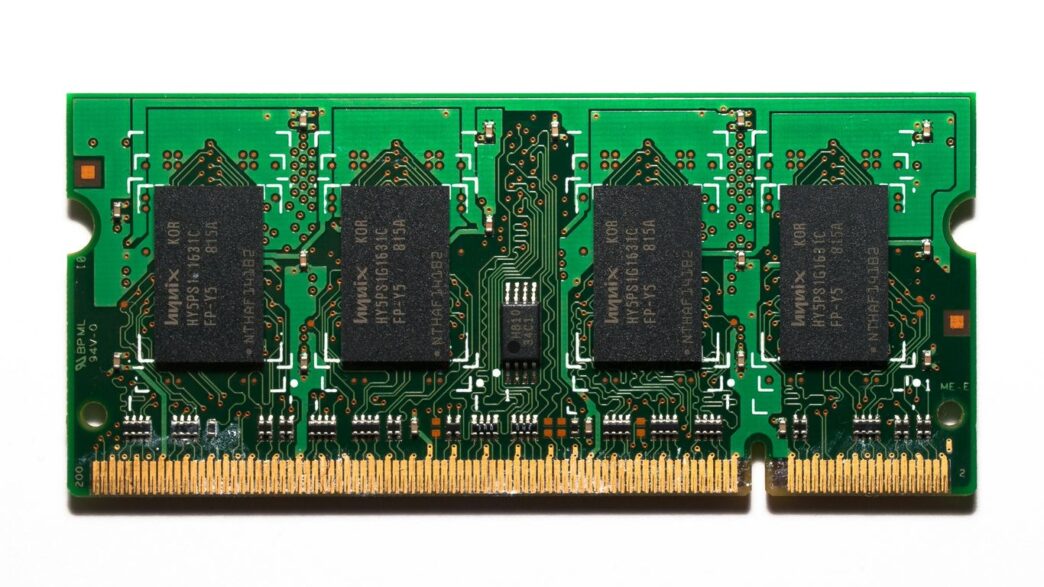
Memory is another area that’s seeing a lot of action. We need faster and denser memory to keep up with all the data being generated. Things like High Bandwidth Memory (HBM) are becoming more common in high-end applications. Beyond that, researchers are exploring new memory types that could offer even better performance and lower power consumption. Some promising candidates include:
- Phase-change memory (PCM)
- Resistive RAM (ReRAM)
- Magnetoresistive RAM (MRAM)
These technologies could eventually replace or supplement current DRAM and NAND flash, leading to significant improvements in speed and efficiency for all sorts of devices.
Decoding the Latest in Connectivity

Connectivity is changing fast, and it’s not just about faster internet speeds anymore. We’re seeing a big shift in how devices talk to each other, making everything from our phones to our factories work better.
5G Evolution and Beyond
So, 5G is here, but it’s not standing still. The next steps are all about making it even more reliable and capable. Think about lower latency – that’s the delay between sending a signal and getting a response. For things like remote surgery or controlling complex machinery, that tiny delay matters a lot. We’re also looking at network slicing, which lets operators create virtual networks tailored for specific uses, like one for critical infrastructure and another for general mobile use. This makes the network more efficient and secure. It’s pretty wild to think about how much more we’ll be able to do with these improved networks. For the latest on this, you can check out EE Times news.
Wi-Fi 7: Unlocking New Speeds
While we’re talking about speed, Wi-Fi 7 is the next big thing for our homes and offices. It promises much higher throughput, meaning you can download big files in seconds, not minutes. But it’s not just about raw speed. Wi-Fi 7 also brings better handling of multiple devices at once, which is great for busy households or crowded public spaces. It uses wider channels and more advanced modulation techniques to get more data through. This means smoother streaming, better online gaming, and more responsive smart home devices.
IoT Communication Protocols
For the Internet of Things (IoT), the way devices communicate is just as important as how fast. We’re seeing a few key protocols really stand out:
- MQTT: This is a lightweight messaging protocol, perfect for devices with limited power and bandwidth. It’s like a simple way for devices to send short messages back and forth.
- CoAP: Constrained Application Protocol is designed for simple devices that can’t handle the complexity of HTTP. It’s more efficient for machine-to-machine communication.
- LoRaWAN: This is a long-range, low-power wireless technology. It’s ideal for sensors spread out over large areas, like in smart agriculture or city-wide monitoring.
Choosing the right protocol depends a lot on what the devices need to do, how much power they have, and how far apart they are. It’s a complex puzzle, but getting it right means a more connected and efficient world.
Powering the Future: Energy Solutions

Okay, so let’s talk about keeping all these cool new electronics running. It’s not just about making them smarter or faster; it’s also about how we power them, and honestly, that’s getting pretty interesting.
Sustainable Power Management ICs
This is a big one. We’re seeing integrated circuits (ICs) designed specifically to be kinder to the planet. Think about devices that sip power instead of guzzling it. These chips are getting really good at managing how much energy a system uses, especially when it’s not doing much. They can wake up parts of a device only when needed, or switch to super low-power modes. It’s all about reducing waste. The goal is to make electronics more efficient from the ground up.
Here are a few things these ICs help with:
- Reducing standby power drain.
- Optimizing battery life in portable gadgets.
- Allowing for smaller, lighter power supplies.
- Minimizing heat generation, which also saves energy.
Battery Technology Advancements
Batteries are the heart of so many portable devices, right? Well, they’re not standing still. We’re seeing a lot of work on making batteries that last longer, charge faster, and are safer. Solid-state batteries are still a hot topic, promising more energy density and less risk of fire compared to the lithium-ion ones we’re used to. Plus, there’s research into using different materials to get more juice out of the same size battery. It’s not just about cramming more lithium in there; it’s about smarter chemistry.
Efficient Power Conversion Techniques
Whenever you plug something in or use a battery, you’re dealing with power conversion – changing voltage or current levels. Making these conversions more efficient means less energy is lost as heat. This is super important for everything from the big power adapters for laptops to the tiny circuits inside your phone. New designs for things like buck and boost converters are getting better at this. It might sound technical, but it means your devices run cooler and your battery lasts longer. It’s a quiet but vital part of electronics design.
Embedded Systems and Microcontrollers
Real-Time Operating Systems
So, you’ve got this embedded system, right? It needs to do things now, not whenever it feels like it. That’s where Real-Time Operating Systems, or RTOS, come in. They’re not like your typical desktop OS that might pause for a bit to load something. RTOS are built for predictability. They manage tasks, making sure the important ones get done on time, every time. Think of a car’s airbag system – it can’t afford to be late. RTOS handles that kind of time-sensitive work. They break down complex jobs into smaller pieces, called tasks, and then schedule them to run. Some common RTOS include FreeRTOS, Zephyr, and VxWorks. Choosing the right one depends on how many tasks you have, how fast they need to run, and how much memory you’ve got to play with.
AI Accelerators and Their Impact
Okay, so AI is everywhere now, and embedded systems are getting smarter too. But running complex AI models on a tiny microcontroller? That’s tough. That’s why we’re seeing more AI accelerators popping up. These are specialized chips designed to speed up AI calculations, like figuring out what’s in a picture or understanding spoken words. They take the heavy lifting off the main processor, making AI features possible in devices like smart cameras, voice assistants, and even some industrial robots. These accelerators are making edge AI a reality, meaning devices can process data locally without needing to send it all to the cloud. This is great for privacy and speed. We’re seeing different types, from small neural processing units (NPUs) to more powerful dedicated AI chips.
The Future of Memory Technology
Memory is always a bottleneck, especially when you’re dealing with big data or complex operations. For embedded systems, it’s a constant balancing act between speed, size, and cost. We’re seeing a push for faster memory types like LPDDR5, which is more power-efficient and quicker than older versions. Then there’s the ongoing work on non-volatile memory, like MRAM and ReRAM, which can hold data even when the power is off. This could change how embedded systems boot up and operate. Plus, the way memory is integrated with processors is changing too, with things like 3D stacking and advanced packaging techniques trying to get memory closer to the processing cores for quicker access. It’s all about making these systems faster and more capable without using too much power or space.
Automotive Electronics Trends
The car is changing, and fast. It’s not just about getting from point A to point B anymore. Electronics are taking over, making cars smarter, safer, and way more interesting.
Autonomous Driving Systems
This is the big one, right? Self-driving cars. It’s not quite here for everyone yet, but the tech is moving. We’re talking about sensors everywhere – cameras, radar, lidar – all working together to see the road. Then there are the computers inside, processing all that data to make decisions. The goal is to make driving safer by taking human error out of the equation. It’s a complex puzzle with a lot of pieces, from mapping to predicting what other drivers will do.
In-Vehicle Infotainment
Remember when cars just had a radio? Now, the dashboard is like a mini-computer. Big screens are common, showing navigation, playing music, and connecting to your phone. It’s all about keeping drivers and passengers entertained and informed. We’re seeing more advanced voice controls too, so you can just talk to your car to get things done. It’s making the inside of the car feel more like a living room on wheels.
Electric Vehicle Powertrains
Electric cars are a huge part of the automotive electronics story. It’s not just the battery, though that’s a big part. There are complex power electronics managing how electricity flows from the battery to the motor. This includes things like inverters and converters that change the electricity’s form. The efficiency of these systems directly impacts how far an EV can go on a single charge. Plus, the charging systems themselves are getting smarter, communicating with the car and the grid.
The Evolving Landscape of Consumer Electronics
Consumer electronics are changing fast, aren’t they? It feels like every week there’s something new hitting the market. We’re seeing some pretty cool stuff emerge, making our daily lives a bit different, and sometimes, a lot more connected.
Wearable Technology Innovations
Smartwatches and fitness trackers are way past just counting steps now. They’re getting more sophisticated, monitoring things like heart rhythm, blood oxygen, and even stress levels. Some new devices are starting to look at sleep patterns in more detail, giving you advice on how to get better rest. The big push is towards making these wearables more proactive in health monitoring, not just reactive. Think about it: your watch could potentially flag a health issue before you even feel sick. It’s a big step from just telling time.
Here’s a quick look at what’s new:
- Health Sensors: More accurate heart rate, ECG, SpO2, and even skin temperature sensors are becoming standard.
- Battery Life: Companies are working hard to make devices last longer between charges, which has always been a pain point.
- Integration: Better connection with smartphones and other devices for a smoother experience.
Smart Home Device Integration
Our homes are getting smarter, too. It’s not just about having a smart speaker anymore. We’re seeing more devices that talk to each other. Your lights can turn on when your smart lock detects you’ve arrived home, or your thermostat can adjust based on whether you’re home or away. The goal is to make managing your home easier and more efficient. It’s still a bit of a puzzle sometimes, getting all these different brands to play nicely, but things are improving.
Key areas of development include:
- Interoperability Standards: Efforts to make devices from different companies work together more easily.
- Energy Management: Smart devices helping to reduce electricity bills by optimizing heating, cooling, and lighting.
- Security: Making sure your connected home is safe from unauthorized access.
Augmented and Virtual Reality Hardware
VR and AR are slowly but surely making their way into more mainstream consumer products. While VR headsets are still mostly for gaming and immersive experiences, AR is starting to show up in everyday gadgets. Think about glasses that can overlay directions onto your view of the street or provide real-time information about objects you’re looking at. The hardware is getting lighter, more comfortable, and the displays are getting sharper. It’s still early days for widespread adoption, but the potential is pretty significant for how we interact with digital information and the world around us.
Wrapping It Up
So, that’s a quick look at what’s new in electronics. It feels like things are always changing, doesn’t it? One minute you’re reading about one cool gadget, and the next, there’s something even newer. Keeping up can be a lot, but that’s why we’re here. EE Times tries to make sense of it all, so you don’t have to spend all your time scrolling. We’ll keep an eye on the next big thing, whether it’s in chips, AI, or whatever else pops up. Stick around, and we’ll figure it out together.
Frequently Asked Questions
What’s new with computer chips?
New chips are being made to be super fast and smart, especially for things like artificial intelligence (AI). Think of them as the brains of future gadgets, getting better and better at handling complex tasks quickly.
How is internet connection changing?
Internet speeds are getting much faster with new technologies like 5G and Wi-Fi 7. This means things like streaming videos or playing online games will be smoother and quicker than ever before.
Are there new ways to save power?
Yes! Scientists are creating smarter ways to manage electricity in devices. They’re also improving batteries so they last longer and developing better ways to convert power, making electronics more eco-friendly.
What are embedded systems?
These are small computer systems found inside other devices, like in your microwave or a car. They help these devices do specific jobs, and now they’re getting smarter and more secure.
What’s happening in car technology?
Cars are becoming more like computers on wheels! They’re getting better at driving themselves, have cooler screens for entertainment, and electric car parts are improving to make them go further on a charge.
What are the latest gadgets people are using?
People are using cool new gadgets like smartwatches and fitness trackers that do more than just tell time. Also, devices in our homes are connecting to work together, and we’re seeing more advanced virtual and augmented reality gear.