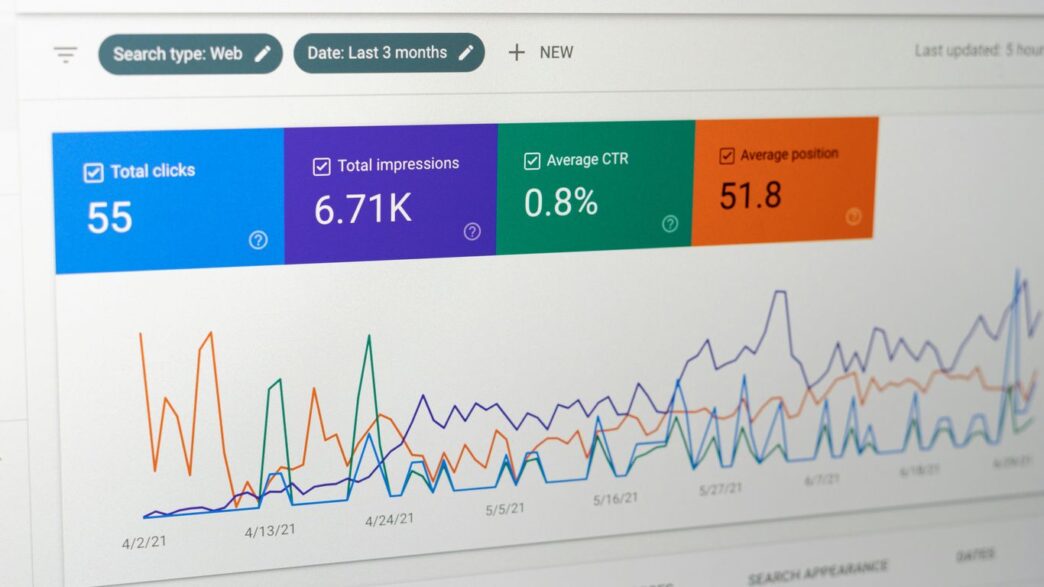
Okay, so SEO is kind of a wild ride lately, right? It feels like every other week there’s some new update from Google, and now with AI popping up everywhere, it’s even more to keep track of. Google still handles most searches, so we can’t just ignore it. These algorithm changes aren’t just about where you show up; they’re changing how people even find and look at stuff, especially with AI trying to give answers directly. This post is going to break down what’s new with Google and other important updates, so you can tweak your SEO game, stay visible, and feel more confident about what’s happening with search.
Key Takeaways
- Google’s recent seo update focuses on rewarding content that’s genuinely helpful and created for people, not just search engines.
- AI is changing search, but well-optimized content for traditional search still has a good chance of being used and recommended by AI.
- New updates are putting more weight on originality, usefulness, and author credibility, especially for health, finance, and legal topics.
- Google Discover and regular search now need different approaches; focus on strong visuals and timely topics for Discover.
- Technical SEO basics like HTTPS, mobile speed, and avoiding crawl waste from filters are still important, alongside demonstrating clear experience and expertise.
Understanding The Latest Seo Update
Okay, so Google just dropped another update, and it’s a big one. It feels like every few months, they tweak things, and suddenly, what worked yesterday doesn’t quite cut it today. This latest round isn’t just about minor adjustments; it’s about how search itself is changing, especially with AI becoming a bigger player. The core idea is that Google wants to show people the most helpful and trustworthy stuff out there.
Core Algorithm Adjustments And Their Impact
Google’s core algorithm updates are like a general tune-up for their search engine. They don’t target specific sites or issues, but rather refine how Google understands and ranks all sorts of content. The March 2026 update, for instance, started rolling out on the 27th and took a couple of weeks to settle. During this time, many sites saw their rankings jump around. This is normal, but it means you can’t really judge the full effect until things calm down. The main goal here is to better match what people are searching for with the best possible results. They’re putting more weight on content that’s original, useful, and actually credible. It’s all about rewarding content made for people, not just for search engines.
Spam Detection Enhancements
Alongside the core updates, Google is also getting tougher on spam. This means they’re improving how they catch things like keyword stuffing, automatically generated gibberish, and shady link-building tactics. If your site has been trying to game the system, you might have seen a drop in your rankings. On the flip side, sites that stick to Google’s guidelines and focus on providing real value to users are generally unaffected. It’s a clear signal that manipulative practices just won’t fly anymore. They want to keep search results clean and reliable for everyone.
The Role Of AI In Search Evolution
Artificial intelligence is changing how we find information online, and Google is right there with it. AI is influencing not just how content is ranked, but how it’s presented and recommended. Think about AI Overviews and how they summarize information. This means that simply having good keywords isn’t enough. You need content that’s genuinely informative and answers user questions thoroughly. Google’s aim is to make search more intuitive and helpful, and AI is a big part of that. It’s a shift towards a more intelligent search experience, and staying on top of these changes is key for visibility in search.
Key Changes In Recent Google Algorithm Updates
Google’s been busy, rolling out updates that really shake things up. It’s not just about tweaking a few things anymore; these changes are pretty significant. The main idea seems to be pushing websites to be more helpful and honest with their content. They’re really trying to make sure you find what you’re looking for, and not just some spammy page that tricked the system.
Focus On People-First Content
This is a big one. Google wants content created for people, not just for search engines. Think about it: what would you want to see if you searched for something? Probably something clear, useful, and written by someone who actually knows what they’re talking about. They’ve been pretty clear about this for a while, but the recent updates are putting more weight on it. If your site is full of pages that feel like they were just churned out to hit some keywords, you might see a drop. It’s about genuine value and answering user questions directly. This is a core part of Google’s evolving search.
Evaluating Originality And Usefulness
Google is getting smarter at spotting content that’s just rehashing what’s already out there. They’re looking for unique insights, original research, or a fresh perspective. If you’re just copying and pasting or using basic AI to generate generic text, it’s probably not going to cut it anymore. They want to reward content that’s genuinely useful and provides a deeper dive into a topic. This means putting in the work to create something truly original.
Combating Manipulative Ranking Practices
This is where the spam updates come in. Google is cracking down harder on anything that looks like gaming the system. This includes things like:
- Stuffing pages with keywords that don’t make sense in context.
- Building fake links to try and boost your site’s authority.
- Using sneaky redirects or cloaking content.
- Creating content that’s automatically generated and offers no real value.
They’re getting better at identifying these tactics, and sites that rely on them are likely to see their rankings suffer. The goal is to keep the search results clean and trustworthy, which is a constant effort for Google’s algorithm.
Adapting Your Strategy For The New Search Landscape
So, the search world has changed, and it feels like we’re all trying to catch up, right? It’s not just about keywords anymore. Google’s latest updates are pushing us to think more about what people actually want when they type something into the search bar. This means putting the user’s needs front and center in everything we do.
Prioritizing User Intent And Experience
Think about it: when you search for something, you want a quick, clear answer. You don’t want to wade through pages of fluff. Google is getting really good at figuring out what you really mean, even if you don’t type it perfectly. So, your content needs to match that intent. If someone searches for "best budget laptops," they probably don’t want a history of laptops. They want a list of good, affordable options. Making sure your pages load fast, are easy to read on a phone, and directly answer the question asked is super important now. It’s about making the whole experience smooth and helpful for the person looking for information. This is a big part of why content quality is so important.
Building Topical Authority And Depth
Instead of just writing a few articles on a topic, Google wants to see that you’re a real authority. This means creating a bunch of content that covers a subject from all angles. Imagine you have a website about baking. You wouldn’t just write one post about cookies. You’d write about different types of cookies, how to store them, the science behind baking, troubleshooting common problems, and maybe even interviews with bakers. This creates what we call "topical authority." It shows Google, and more importantly, users, that you know your stuff. It’s like building a whole library on a subject, not just a single pamphlet. This depth is what helps you stand out.
Leveraging AI As A Content Assistant
Now, AI is everywhere, and it can be a helpful tool. Think of it as a junior writer or a research assistant. It can help you brainstorm ideas, draft outlines, or even write initial versions of content. But here’s the catch: you can’t just hit publish on whatever AI spits out. It often lacks that human touch, personal experience, and nuanced understanding that makes content truly great. You still need a human editor, someone with real knowledge, to review, refine, and add that unique perspective. AI can speed things up, but it can’t replace genuine insight or expert review. It’s about working smarter, not just faster.
Navigating Google Discover And AI Overviews
Okay, so Google’s made some big moves, and it feels like we’ve got two different worlds to think about now: regular search and then there’s Google Discover. They’re not playing by the same rules anymore, which is kind of a big deal. Discover used to be this nice little bonus, but now it’s got its own specific strategy you need to pay attention to. It’s not enough to just do well in search and expect Discover to follow.
Distinct Strategies For Discover
Discover is all about showing people content based on what they’re interested in, not what they’re actively searching for. Think of it like a personalized magazine feed. To get your content seen here, you really need to focus on a few things. First off, images. They need to be good, like, really good. We’re talking high resolution, at least 1200 pixels wide. A strong visual can make someone stop scrolling. Also, timing is everything. Most of the action happens within the first 48 to 72 hours after you publish. So, if you’ve got something timely, get it out there. And those headlines? They need to be catchy but also honest. If people click and bounce right back to the feed, Discover might not show your stuff as much. It’s a bit of a balancing act.
Optimizing Content For AI Recommendations
Now, about those AI Overviews. These are popping up at the top of search results, and they’re changing how people interact with search. A lot of sites are seeing fewer clicks because people are getting their answers right there. It’s a bit of a shift, and understanding how your content fits into this new landscape is key. Google’s not penalizing AI-assisted content outright, but they are getting better at spotting low-quality stuff. If AI helped you write something, but you, as a human expert, reviewed it, added your own insights, and made sure it was accurate, that’s generally fine. The real issue is when content is just churned out with little human input or expertise. You can use AI as a tool to help you be more efficient, but it can’t replace actual knowledge and experience. This is especially true for YMYL (Your Money Your Life) topics like health or finance; you need to show you know what you’re talking about. You can check out how these AI Overviews are affecting organic keyword rankings to get a better idea.
The Importance Of Visuals In Discover
We touched on images for Discover, but it’s worth repeating because it’s that important. High-quality, eye-catching visuals are non-negotiable. Think about it: you’re scrolling through a feed, and what stops you? Usually, it’s a great picture or graphic. For Discover, this means investing in good photography or custom graphics. Beyond just resolution, the image needs to be relevant and compelling. It’s not just about slapping any old picture on there; it needs to draw people in and accurately represent the content. This focus on visuals, combined with timely and accurate content, is how you start to build a presence in Discover. It’s a different game than traditional search, and the impact of AI Overviews on search traffic is something every site owner needs to be aware of.
Technical SEO Considerations Post-Update
Okay, so after all these algorithm changes, what’s actually going on under the hood with your website? It’s not just about the content anymore, right? We need to make sure the technical stuff is solid.
Addressing Crawl Inefficiencies
Google’s bots are always crawling around, looking at your pages. But sometimes, they waste a lot of time on pages that don’t really matter. Think about product filters on e-commerce sites, or those endless combinations of tags. They create tons of URLs that probably won’t rank and don’t help anyone buy anything. Google’s been talking about this a lot. Reducing this ‘crawl waste’ is a big deal for making sure the important pages get seen. It means looking at how your site handles these dynamic URLs. Using things like canonical tags or noindex directives correctly can really help.
Ensuring HTTPS and Mobile Performance
This isn’t exactly new, but it’s still super important. Having HTTPS enabled is a given these days; it’s about security and trust. And mobile performance? Forget about it if your site is slow or clunky on phones. Most people are searching on their phones, so if your site isn’t fast and easy to use there, you’re going to lose out. Google’s December 2025 Rendering Update really hammered home how important it is for search engines to be able to process your content smoothly, and that includes mobile rendering.
Structured Data Simplification
Google has been simplifying some of the ways search results look. They’ve mentioned that some specific types of structured data, the code that helps Google understand your content better, are being phased out or changed. This doesn’t mean structured data is dead, not at all. It just means they’re streamlining things. The focus is shifting towards the data that really helps users and provides clear information. So, while you don’t need to panic, it’s a good idea to check if the structured data you’re using is still relevant and effective for the current search landscape. It’s about making sure your data is clear and helpful, not just present.
Demonstrating E-E-A-T In Your Content
Okay, so let’s talk about E-E-A-T. You’ve probably heard the term a lot lately, and for good reason. It stands for Experience, Expertise, Authoritativeness, and Trustworthiness. Google really wants to show people content that comes from people who know what they’re talking about, and who have actually done the thing they’re writing about. It’s not just about having a website anymore; it’s about proving you’re a reliable source.
Showcasing First-Hand Experience
This is where you get to talk about what you’ve actually done. Did you use the product? Did you visit the place? Did you go through the process yourself? Don’t just summarize what others say. Share your own stories, your own observations. Think about writing a review for a new gadget you bought. Instead of just listing the specs, you’d talk about how it felt to hold, how easy it was to set up, and if it actually made your life easier. That’s the kind of real-world detail that shows you have direct experience. It’s about adding that personal touch that AI just can’t replicate. For example, if you’re writing about a hiking trail, describe the mud you slipped in, the view from the summit, or the unexpected wildlife you saw. These details make your content unique and believable.
Highlighting Expertise and Authoritativeness
This part is about showing you’re knowledgeable and recognized in your field. It’s not enough to just know something; you need to show how you know it and why others think you’re a good source. This could mean having detailed author bios that list your qualifications, education, or years of work in a specific area. Think about a doctor writing about a health condition – their medical degree and years of practice are huge signals of expertise. Authoritativeness often comes from what others say about you. This can be seen in mentions from other reputable sites, awards you’ve won, or even just being a regular speaker at industry events. Building up a solid reputation online takes time, but it’s worth it.
Building Trust Through Transparency
Trust is the bedrock of E-E-A-T. People need to feel confident that your information is accurate and that you’re being upfront with them. This means citing your sources, especially for sensitive topics like health or finance. If you’re sharing statistics, link to the original study. If you’re making claims, back them up with evidence. Transparency also extends to how your site operates. Having a clear ‘About Us’ page that explains who you are and your mission is important. Make sure your contact information is easy to find. For YMYL (Your Money Your Life) topics, this is especially critical. Showing you have clear editorial policies and that your content is reviewed by qualified individuals adds another layer of trust. Ultimately, Google wants to serve content that users can rely on, and demonstrating these E-E-A-T signals is key to achieving that.
Wrapping It Up
So, yeah, SEO is definitely not standing still. With all these updates, especially with AI popping up everywhere, it feels like we’re always trying to catch up. But honestly, the core stuff hasn’t really changed that much. Google still wants to show people good, helpful content. Whether it’s for regular search or for Discover, making something useful and trustworthy is the main thing. Don’t get too caught up in the technical weeds; focus on your audience and what they actually need. Keep an eye on things, make smart changes, and you’ll be fine.
Frequently Asked Questions
What’s the main idea behind the latest Google SEO updates?
Google is trying to make search results more helpful and trustworthy. They want to show content that people actually want to read, not just stuff made to trick search engines. This means focusing on creating really good, original content that answers questions and gives real value to readers.
How does AI affect my website’s SEO now?
AI is changing how people find information. While Google still uses its main search system, AI tools can also give answers directly. The good news is that if your content is already great for regular search (helpful, expert, and trustworthy), AI tools are more likely to use it and recommend it too.
What does ‘people-first content’ mean for my website?
It means writing and creating content for your audience, not for search engines. Think about what questions your readers have and answer them clearly and thoroughly. Make sure your content is easy to understand and provides real help or information. It’s about being useful to humans first.
Is it still important to have good technical SEO?
Yes, absolutely! Even with all the changes, technical SEO is still key. This includes making sure your website is fast, works well on phones, and is easy for search engines to find and understand. Things like secure connections (HTTPS) and organized site structure remain important.
What is E-E-A-T and why is it important?
E-E-A-T stands for Experience, Expertise, Authoritativeness, and Trustworthiness. Google uses these to judge how good your content is. It means showing that you have real experience with the topic, know what you’re talking about, are a recognized source, and can be trusted. Sharing real-life examples and having clear author info helps a lot.
How is Google Discover different from regular search results?
Google Discover is more about showing content people might be interested in, based on their past activity, rather than what they actively search for. To do well in Discover, you need eye-catching images, timely content, and headlines that are accurate but also interesting. It’s a different way to get your content seen.