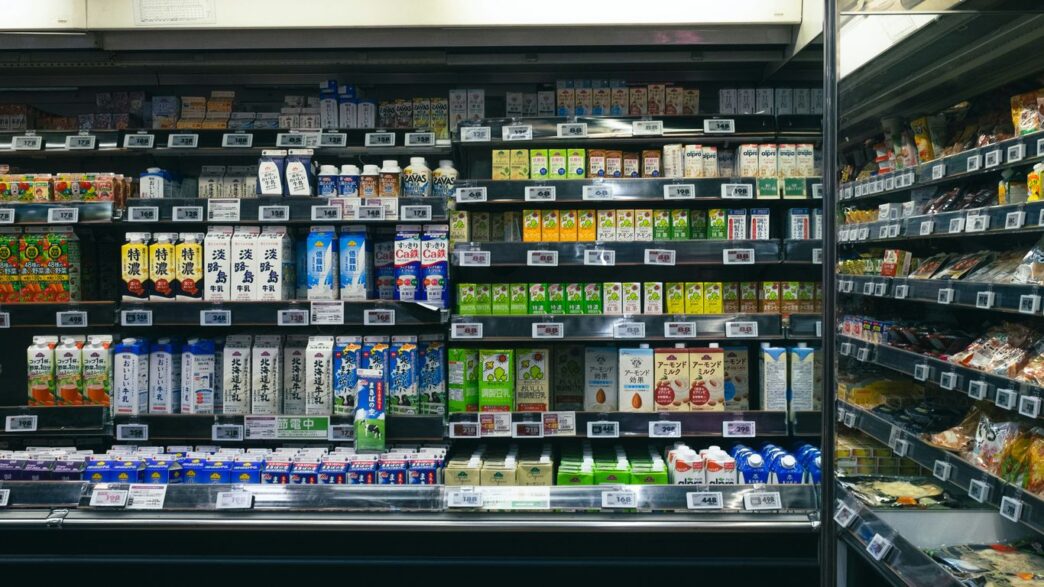
You might have noticed fewer milk cartons on the shelves lately, and it’s not just your imagination. The year 2025 is presenting some real hurdles for the dairy industry, leading to what many are calling a milk shortage 2025. From farm-level issues to global market shifts, a lot is going on behind the scenes. Let’s break down why this is happening and what can be done about it.
Key Takeaways
- The dairy industry is grappling with a significant milk shortage 2025, driven by a mix of supply chain snags, changing consumer habits, and rising costs.
- Dairy farms are facing increased operational expenses, from feed to labor, impacting their ability to maintain consistent production levels.
- A critical shortage of replacement heifers, the lowest in 47 years, poses a long-term challenge for herd expansion and future milk supply.
- The spread of Avian Influenza (H5N1) has disrupted production in key dairy regions, adding another layer of complexity to the milk shortage 2025.
- Adapting to market demands by focusing on milk components like protein and fat, alongside embracing sustainability and financial tools, offers a path forward for dairy producers.
Understanding the Roots of the Milk Shortage 2025
So, you’ve probably noticed the milk aisle looking a bit sparse lately, right? It’s not just you. This whole milk shortage thing in 2025 has a few layers to it, and it’s not one single thing that broke the camel’s back, so to speak. It’s more like a perfect storm of issues that have been brewing for a while.
Supply Chain Disruptions and Their Impact
Remember how everything got weird with shipping and getting stuff during the pandemic? Well, that ripple effect is still hitting the dairy industry. Getting feed to the farms, getting the milk from the farms to the processing plants, and then getting the final products to your local store – it’s all a big logistical puzzle. When one piece of that puzzle gets stuck, the whole thing can slow down. Plus, we’ve had some pretty wild weather lately, and that can really mess with dairy farms, affecting everything from the cows’ health to the crops they eat.
Shifting Consumer Demand and Production Challenges
People’s buying habits have changed a lot. With more folks cooking at home and maybe trying out new diets, the demand for certain dairy products has gone up, while for others, it’s shifted. Dairy farmers are trying to keep up, but it’s not like flipping a switch. Building up herds takes time, and changing production lines to make, say, more high-protein yogurt instead of just gallons of milk isn’t an overnight job. They’re also dealing with fewer young cows ready to join the milking lines – we’re at a 47-year low for those replacement heifers, which is a big deal for future supply.
The Role of Inflation in Product Availability
And then there’s the money side of things. Inflation means everything costs more. Feed for the cows, fuel for the trucks, fertilizer for the feed crops – it all adds up. When the costs to produce milk go way up, farmers have to make tough choices. Sometimes, that means they can’t produce as much, or they have to pass those costs on, which can make products less available if people can’t afford them. It’s a tricky balance trying to keep prices reasonable while also making sure farms can stay in business.
Navigating Market Volatility and Price Fluctuations
It feels like the dairy market is a bit of a rollercoaster right now, and honestly, it’s making things tough for farmers. We’re seeing milk prices swing around quite a bit. The forecast for the average all-milk price in 2025 is sitting at about $23.05 per hundredweight, which is actually a bit lower than what we saw a couple of years back. This dip seems to be a mix of things, including how much other countries are buying from us and some adjustments processors are making. They’re getting more flexibility with how they calculate payments, which can sometimes mean less money in farmers’ pockets, squeezing already tight margins.
Declining Milk Prices and Processor Adjustments
So, the price farmers are getting for their milk isn’t as high as it used to be. This is partly because global demand has softened a bit. Plus, the way milk is marketed and paid for is changing. Processors are getting more leeway, which is great for them, but it can mean farmers take home less. It’s like the whole system is trying to find its footing again.
Global Trade Uncertainty and Tariff Impacts
Trade is another big piece of this puzzle. Things are a bit shaky when we look at selling our dairy products overseas. For instance, starting February 1, 2025, there’s a new 25% tax on dairy products going between the U.S. and Canada. This kind of thing can really mess with exports. When trade gets uncertain, buyers here at home might hold back, waiting to see what happens, which also affects prices. It makes planning ahead feel like a shot in the dark sometimes.
Rising Operational Costs for Dairy Farms
On top of all this market stuff, running a dairy farm just keeps getting more expensive. We’re looking at feed costs that have gone up significantly over the last few years. Add to that the rising prices for fertilizer, getting things transported, and those ongoing global supply chain headaches, and you’ve got a recipe for higher operating expenses. It feels like every part of the farm’s budget is under pressure.
Addressing the Dairy Replacement Heifer Crisis
It’s no secret that the dairy industry is facing some serious headwinds, and one of the biggest headaches right now is the shortage of young cows ready to join the milking herd. We’re talking about dairy replacement heifers, and their numbers have hit a 47-year low. As of January 2025, there were only about 3.91 million of them across the U.S. That’s a pretty stark drop from a decade ago when we had closer to 31 heifers for every 100 cows. Now, that ratio is down to just 27 heifers per 100 cows. This scarcity means we need to be smarter than ever about how we manage and plan for our future herds.
The Significance of a 47-Year Low in Heifer Numbers
This low number isn’t just a statistic; it’s a direct signal that future milk production could be constrained. Think about it: older cows eventually retire from the herd, and they need younger replacements to step in. When there aren’t enough young heifers coming up, farms can’t maintain or grow their milking cow numbers. This situation has been brewing for a while, with the heifer-to-cow ratio steadily declining over the past ten years. It means that the cows we have now are getting older, and the pipeline for new milk producers is running dry.
Increased Costs Associated with Replacement Cows
With fewer heifers available, the cost to acquire them has naturally gone up. We’re seeing prices for good replacement heifers climbing, with some estimates putting the cost at around $2,650 to $2,700 per head. That’s a significant investment for any dairy farmer. When you’re paying that much for a young cow, you want to make sure she’s going to be a productive member of the herd for a long time. This high cost forces producers to really think twice about their expansion plans and whether they can afford to bring in new animals, even if they have the barn space.
Strategic Herd Replacement Planning for Sustainability
So, what’s a farmer to do? The key is strategic planning. Instead of just hoping for more heifers to appear, farms need to focus on making the most of the ones they have and ensuring the health and longevity of their current cows. This involves:
- Improving overall herd health: This means paying close attention to the management of transition cows, focusing on nutrition, and ensuring cows are healthy and strong milk producers throughout their lives. Helping cows live longer means they stay in the milking string longer, reducing the immediate need for replacements.
- Focusing on genetics: It’s not just about the number of cows, but the quality. Farmers are increasingly looking at genetic traits that boost milk components like fat and protein, as these are often what processors pay for. Traits like Profitable Lifetime Index (PLI), Net Merit (NM$), and Daughter Pregnancy Rate (DPR) are becoming more important.
- Optimizing breeding and reproduction: Making sure that every breeding cycle counts and that heifers are born and raised efficiently is critical. This includes looking at things like Feed Conversion Efficiency (FCE) to ensure the feed is being used effectively.
Essentially, the goal is to make each cow count, maximizing her lifetime production and value to the farm. It’s about building a more sustainable herd for the long haul, even when the supply of new animals is tight.
Mitigating the Impact of Avian Influenza on Dairy
Understanding the H5N1 Virus and Its Genotypes
So, bird flu, or Avian Influenza, has become a real headache for dairy farmers lately, especially out in California. While things have calmed down a bit in recent months, the H5N1 virus can still cause some serious problems. The USDA has confirmed two different versions, or genotypes, of the virus in 2025: D1.1 and B3.13. This is important because they might need different approaches to manage them. If a herd gets hit with the virus, you could see milk production drop by a hefty 30-40%, and it might take six to eight weeks to get back to normal. Back in October 2024, the California Department of Food and Agriculture confirmed H5N1 on over 55 dairies, but at one point, it was much higher, affecting nearly 75% of the state’s dairies.
Economic Repercussions of Bird Flu Outbreaks
When bird flu hits a dairy, the financial hit can be substantial. Beyond the immediate drop in milk production, which directly impacts revenue, there are other costs. Think about the extra labor needed to care for sick animals, potential veterinary bills, and the cost of implementing stricter biosecurity measures. The disruption to operations can also affect milk quality and, in turn, the price processors are willing to pay. The loss of milk volume alone can quickly add up, making it tough for farms to meet their financial obligations.
Implementing Robust Biosecurity Measures on Farms
Protecting your herd from Avian Influenza means being really careful about what comes onto your farm and how things are managed. It’s all about good biosecurity. Here are some key steps to consider:
- Limit Visitors: Only let essential people onto the farm. Keep track of who is coming and going.
- Employee Practices: Make sure your employees have dedicated work clothes and footwear. They should also wash their hands frequently, especially after working with different groups of animals.
- Cleaning and Disinfection: Regularly clean and disinfect areas that are high-risk for spreading disease. This includes milking parlors, areas where calves are born, and any equipment that moves between different parts of the farm.
- Animal Separation: If possible, keep different types of animals separate. For instance, try to keep poultry away from your dairy cattle to reduce the chance of the virus jumping between species.
- Testing and Isolation: The USDA requires testing lactating cows before they can move across state lines. It’s also a good idea to isolate any new animals that come onto the farm for a period. If you notice cows showing symptoms like a sudden drop in milk, fever, or unusual milk consistency, separate them from the rest of the herd right away.
Adapting Production to Evolving Market Demands
It feels like the dairy market is always changing, and 2025 is no different. We’re seeing a big shift away from just chasing the highest milk volume. Now, what’s actually in the milk is getting more attention. Buyers are paying closer attention to things like butterfat and protein content. This means you can actually make more money without necessarily milking more cows. It’s a pretty interesting change.
Focusing on Milk Component Yields Over Volume
So, how do we actually do this? A lot of it comes down to what we’re feeding our cows. Getting the nutrition dialed in can really change the composition of the milk. It’s not just about feeding more, but feeding smarter. We also need to look at which cows we’re breeding. The goal is to get cows that naturally produce milk with the components buyers want. It’s a bit of a puzzle, but figuring out the right feed mix and breeding program can make a real difference to your milk check.
Capitalizing on High-Protein and Specialty Dairy Markets
Beyond the standard milk components, there are also these growing markets for specialty dairy products. Think about things like A2 milk, or milk from cows that are fed non-GMO feed, or even milk from cows that spend time grazing. These markets often offer premiums, and they don’t always require huge changes to how you operate. It’s about finding those niches where you can get a better price for your milk. The demand for high-protein products, in particular, is really taking off. This segment is expected to see significant growth, so it’s definitely worth exploring.
Leveraging Data for Optimized Feeding and Breeding Strategies
This is where the tech comes in. To really nail down those component yields and hit those specialty markets, you need good data. Using farm management software that pulls together information on cow health, breeding records, and milk production is key. It lets you see what’s happening on your farm in real-time. Advanced tools can even analyze this data to spot patterns you might miss. They can help identify potential issues before they become big problems. Making decisions based on solid data, rather than just a hunch, is becoming the new standard for staying profitable.
Here’s a quick look at how different components can impact your earnings:
| Component | Average Price (2025 Forecast) | Potential Premium | Notes |
|---|---|---|---|
| Butterfat | $2.50/lb | Up to 10% | Varies with market demand |
| Protein | $2.00/lb | Up to 15% | High-protein products driving demand |
| Specialty Milk | Varies | 5-20% | A2, Non-GMO, Pasture-Raised, etc. |
By understanding these market dynamics and using data to fine-tune your feeding and breeding, you can better position your farm for success in this changing landscape.
Leveraging Sustainability and Financial Tools

It feels like everywhere you turn these days, there’s talk about sustainability. And for dairy farms, it’s not just a buzzword; it’s becoming a real part of how you can keep the farm running and even make a bit more money. The government is actually putting some serious cash into this, with programs designed to help farms adopt greener practices. For instance, the USDA has a big pot of money, like $7.7 billion, set aside for climate-smart farming stuff in 2025. You can get a piece of that by doing things like improving how you manage manure or using feed additives that cut down on methane.
And it’s not just Uncle Sam. Big dairy companies and brands are starting to pay attention too. They’re looking for farms that are doing their part for the environment, and some are even offering extra payments, or "premiums," for milk that comes from farms with good sustainability records. It’s like getting paid a little extra for doing the right thing. Some programs, like the Dairy Feed in Focus, have paid farmers thousands annually just for using better practices.
Here are a few ways farms are making this work:
- Explore Government Incentives: Look into programs like those from the USDA that offer funding for conservation and climate-smart agriculture. These can help offset the cost of new equipment or practices.
- Partner with Processors: Talk to your milk processor about their sustainability goals. Many are willing to offer premiums or support for farms that meet certain environmental benchmarks.
- Adopt Methane-Reducing Feed Additives: These can not only help lower your farm’s environmental footprint but also qualify you for bonuses from both private companies and government initiatives.
- Improve Water Management: With water becoming more scarce and expensive, systems that recycle water or growing drought-resistant crops can save money and resources.
- Reduce Pollution: Using manure digesters to create energy or practicing precision feeding can help meet emissions goals and potentially create new revenue streams.
Beyond just the environmental side, there are financial tools that can help smooth out the bumps. Things like futures contracts and options can be used to lock in prices for your milk or feed, giving you a more predictable income. It’s all about using these resources to build a more stable and profitable future for your dairy operation.
Looking Ahead: What’s Next for Our Milk Supply
So, yeah, the milk aisle might have looked a little sparse this year, and it’s been a bit of a headache for everyone. We’ve seen how a bunch of things, from farm issues and labor problems to even global trade stuff, can mess with what we find at the store. It’s a reminder that getting that carton of milk to our fridge is way more complicated than it seems. But the good news is, farmers are tough and they’re figuring things out. They’re looking at new ways to farm, using smarter tech, and finding ways to make their operations work better. It might take a little time, but things are moving in the right direction. We’ll likely see those familiar milk jugs back on the shelves, and maybe we’ll all have a bit more appreciation for what it takes to get them there.
Frequently Asked Questions
Why is milk hard to find in stores right now?
Milk can be tough to find because of a few main reasons. Supply chains, which are like the roads that get products from farms to stores, have been messed up by things like the pandemic and bad weather. Also, more people are buying milk than usual, and it’s getting more expensive for farmers to grow feed and transport milk. All these things make it harder to keep shelves full.
Are milk prices going up a lot?
Milk prices have been a bit up and down. While the price farmers get for milk has gone down a bit, the cost for them to run their farms, like buying feed and paying workers, has gone up. This makes it tricky for everyone, and sometimes it means fewer products are available or prices might change.
What’s the deal with the ‘heifer crisis’?
A ‘heifer crisis’ means there aren’t enough young female cows (heifers) ready to become milk cows. This is a big problem because older cows need to be replaced to keep milk production going. It’s been a long time since we’ve had this few heifers, and it’s making it more expensive and harder to get new cows for dairy farms.
How does bird flu affect milk?
A type of bird flu, called H5N1, has shown up in dairy cows. When cows get sick, they produce less milk, sometimes a lot less. This can lower the total amount of milk available. Farmers are working hard to keep their cows healthy and stop the virus from spreading by being extra careful about cleanliness and keeping sick animals separate.
Are farmers changing how they make milk?
Yes, farmers are starting to focus more on the quality of what’s in the milk, like protein and fat, rather than just how much milk they produce. They’re also looking into making special dairy products that people want more of, like high-protein options. Using technology and data helps them feed and breed their cows in the best way possible.
Are there programs to help farmers be more eco-friendly?
Definitely! The government has programs that give money to farmers for using practices that are good for the environment, like improving soil health or reducing greenhouse gases. Also, some companies that buy milk are willing to pay farmers extra if they can show they are being sustainable. These tools help farmers stay financially stable while also taking care of the planet.