Understanding Level 3 Autonomous Vehicles
Level 3 autonomous vehicles represent a significant step forward in how we think about driving. Unlike earlier systems that just assist the driver, Level 3 cars can actually handle the driving task under specific conditions. This means the car can manage steering, acceleration, braking, and even make decisions like changing lanes or passing slower vehicles, all without direct human input. It’s a big change, moving from a car that helps you drive to a car that drives itself, but only when the conditions are right.
Defining Conditional Driving Automation
Conditional Driving Automation, the technical term for Level 3, means the vehicle’s automated driving system is capable of performing all aspects of the driving task and monitoring the driving environment under certain operational conditions. However, it’s not a ‘set it and forget it’ situation. The system will alert the human driver when it can no longer handle the driving conditions and needs them to take over. Think of it like a very capable co-pilot who can fly the plane for a while but will hand the controls back to the captain when things get tricky.
Key Capabilities of Level 3 Systems
Level 3 systems come with a set of impressive features:
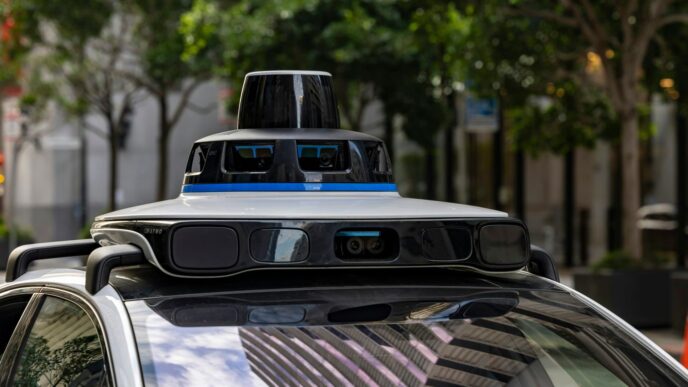
- Environmental Monitoring: Advanced sensors like cameras, radar, and lidar work together to create a detailed picture of the car’s surroundings. This allows the system to see other vehicles, pedestrians, road signs, and lane markings.
- Dynamic Driving Tasks: The car can perform complex driving maneuvers, such as overtaking slower vehicles on a highway or navigating through moderate traffic. It can decide when it’s safe to do so based on the data it’s collecting.
- Decision Making: The AI powering the system analyzes the environmental data and makes driving decisions in real-time. This includes adjusting speed, maintaining a safe distance from other cars, and staying within the lane.
- System Handover Requests: When the system encounters a situation it can’t handle – like severe weather or complex construction zones – it will prompt the human driver to take control. This handover process is designed to give the driver enough time to safely resume command.
The Human Fallback Driver Role
This is where Level 3 differs most from higher levels of autonomy. The human driver is still very much a part of the equation, but their role changes. They are no longer actively driving but must be ready to step in when the system requests it. This means:
- Situational Awareness: While the car is driving, the human driver needs to remain aware of their surroundings and the vehicle’s status. They can’t be completely disengaged, like sleeping or watching a movie.
- Readiness to Intervene: The driver must be prepared to take over control within a specified timeframe when prompted by the vehicle. This requires a certain level of alertness and quick reaction time.
- Understanding Limitations: Drivers need to know the specific conditions under which their Level 3 system operates. For example, a system might only work on highways with clear lane markings and under certain speed limits.
The Technology Behind Level 3 Autonomy
So, how exactly do these Level 3 cars pull off their conditional driving magic? It’s not just one thing; it’s a whole system working together. Think of it like a really smart co-pilot that can handle some tasks, but still needs you to be ready for anything.
Sensor Fusion for Environmental Awareness
First off, the car needs to know what’s going on around it. It does this using a bunch of different sensors. You’ve got cameras that see things like lane lines, traffic lights, and signs. Then there are radar systems that use radio waves to figure out how far away other cars are and how fast they’re moving, even when it’s foggy or raining. LiDAR is another big one; it uses lasers to create a super detailed 3D map of everything nearby, spotting even small things like a stray piece of debris. The real trick is sensor fusion – taking all that information from different sensors and combining it into one clear picture. This way, if one sensor isn’t working perfectly, the others can still give the car the data it needs.
AI and Decision-Making Processes
Once the car has all this data from its sensors, it needs to figure out what to do with it. That’s where artificial intelligence (AI) comes in. The car’s computer, using complex algorithms, processes all the sensor information in a flash. It’s constantly analyzing the environment, predicting what other cars or pedestrians might do, and then making decisions about steering, braking, and accelerating. For Level 3, this AI is programmed to handle specific driving situations, like changing lanes on a highway or navigating traffic jams, but it also knows when it needs to hand control back to the human driver.
Operational Design Domains Explained
Now, Level 3 cars don’t just work everywhere, all the time. They have something called an Operational Design Domain, or ODD. This is basically a set of conditions under which the autonomous system is designed to work safely. Think of it like the car’s ‘comfort zone’. For Level 3, the ODD is usually limited to specific types of roads, like highways, and certain weather conditions. It might also specify speed limits or traffic densities. If the car is outside its ODD – maybe it’s a really bad snowstorm or you’re on a complex city street – it will alert the driver that it’s time to take over. This is a key part of why Level 3 requires that human fallback driver.
Real-World Deployment and Examples
So, where are we actually seeing these Level 3 systems out there? It’s not quite like the sci-fi movies yet, but things are definitely moving. Companies have been working on this for a while, and we’re starting to see some real vehicles with these capabilities hit the road, though often with some pretty specific rules about where and when they can be used.
Pioneering Level 3 Systems
Several automakers have been at the forefront, introducing systems that allow drivers to take their hands off the wheel under certain conditions. Think of systems designed for highway driving, where the car can handle steering, acceleration, and braking while you’re stuck in traffic or cruising along a well-marked road. The key here is that the system will alert the driver when it needs them to take back control. It’s a big step, but it still relies on that human driver being ready to jump back in.
Some of the early systems focus on specific scenarios:
- Traffic Jam Assist: This allows the vehicle to manage stop-and-go traffic on highways, keeping a safe distance from the car ahead and staying within its lane.
- Highway Pilot: Designed for more open highway driving, this system can handle lane changes and maintain speed, but usually requires the driver to be ready to intervene.
- Automated Parking: While not strictly Level 3 driving, some advanced parking assist systems operate on similar principles, allowing the car to maneuver itself into a spot while the driver exits.
Geographical Availability and Limitations
Right now, Level 3 systems aren’t everywhere. Their availability is often tied to specific regions and even specific roads within those regions. Manufacturers have to be really clear about the "Operational Design Domain" (ODD) for these systems. This means the car is only designed to operate safely under a very particular set of conditions.
Here are some common limitations you’ll find:
- Road Type: Often restricted to highways or major, well-maintained roads with clear lane markings.
- Weather Conditions: Heavy rain, snow, fog, or even direct sunlight glare can prevent the system from working.
- Speed Limits: Some systems have speed restrictions, especially in areas where they might encounter more complex traffic situations.
- Daylight Hours: Certain systems might be limited to daytime operation.
It’s a bit like the car saying, "I can handle this part, but only if it’s nice out, on this specific road, and you’re paying attention."
Future Rollout in Canada
Canada is looking at how to bring these technologies to its roads, but it’s a careful process. Regulations are still being developed, and testing is ongoing. We’re likely to see a phased approach, similar to what’s happening in other parts of the world.
- Initial Testing: Expect to see more pilot programs and testing phases in specific Canadian cities or provinces.
- Highway Focus: The initial rollout will probably focus on major highways connecting cities, where the driving environment is more predictable.
- Regulatory Alignment: Canadian authorities are working to align with international standards and create frameworks that address safety, liability, and data privacy.
It’s going to take time for Level 3 systems to become commonplace across Canada, but the groundwork is being laid. The goal is to introduce these advanced features safely, making sure both the technology and the rules keep pace with each other.
Navigating the Regulatory Landscape
International Standards and Frameworks
Getting self-driving cars, especially Level 3 systems, to work safely on public roads means everyone needs to be on the same page. That’s where international standards come in. Think of them as the rulebook that helps make sure these complex systems are developed and tested consistently. For instance, ISO/SAE PAS 22736 is a big one, laying out definitions and categories for driving automation. It helps avoid confusion about what a "Level 3" system actually is and what it’s supposed to do. Then there are standards like ISO 22737, which gets more specific, setting rules for low-speed automated driving systems, like those you might see in a controlled environment or a shuttle service. These standards aren’t just about making the tech work; they’re about making it work safely and predictably, which is a huge deal when you’re talking about putting these vehicles in front of people.
Evolving Legal and Liability Considerations
This is where things get really interesting, and honestly, a bit messy. When a human driver causes an accident, we generally know who’s responsible. But with Level 3 systems, where the car handles driving under certain conditions but a human needs to be ready to take over, it’s not so clear-cut. Who’s liable when something goes wrong – the car owner, the manufacturer, or the software developer? This question is a major hurdle. Right now, laws are still catching up. We’re seeing discussions about how insurance will work, how accidents will be investigated, and what happens when a car’s system fails or a driver doesn’t react fast enough when asked to take control. It’s a legal grey area that needs a lot of clarification before these cars become commonplace.
The Role of Government Approval
Before any Level 3 vehicle can hit the road, governments have a big role to play. They’re the ones who ultimately decide what’s safe for public use. This involves setting up testing protocols, approving specific technologies, and creating regulations that cover everything from how these cars should behave on the road to what data they can collect. For example, governments might set specific speed limits for automated systems or require certain safety features, like advanced pedestrian detection. They also need to figure out how to certify that a vehicle meets all the safety requirements. It’s a slow process because it involves many different agencies and requires a deep understanding of the technology, but it’s absolutely necessary to build public confidence and ensure these vehicles integrate safely into our existing transportation system.
Challenges and Future Outlook for Level 3
Level 3 autonomous vehicles, while a big step forward, still have some hurdles to clear before they become commonplace. It’s not just about the tech itself; there are other big pieces to the puzzle.
Addressing Public Trust and Acceptance
Getting people to actually trust a car that drives itself is a major challenge. We’ve all seen movies where cars go haywire, right? While that’s fiction, the fear of the unknown is real. For Level 3, where the human driver still needs to be ready to take over, this trust issue is even more complex. People need to feel confident that the car will alert them in time and that they can safely resume control when needed. Building this confidence requires a lot of education and clear, consistent performance in real-world driving.
Here’s what helps build that trust:
- Transparency: Clearly explaining how the system works and its limitations.
- Reliability: Consistent performance in its intended driving conditions.
- Education: Informing the public about the benefits and how to use the systems safely.
- Demonstration: Showing the technology working safely over extended periods.
Cybersecurity and Data Privacy Concerns
These cars are basically computers on wheels, connected to the internet. That means they’re targets for hackers. Imagine someone taking control of your car remotely – pretty scary stuff. Keeping the vehicle’s systems secure from cyberattacks is absolutely vital. Plus, these cars collect a ton of data about where you go and how you drive. Making sure that data is kept private and isn’t misused is another big concern that needs solid solutions.
The Path Towards Higher Autonomy Levels
Level 3 is a stepping stone. The ultimate goal for many is Level 5, where the car handles everything, everywhere, no human needed. But getting there is a long road. We need to solve the tricky problems that Level 3 systems face, like dealing with bad weather or unexpected situations on the road. Each step towards higher levels of autonomy involves refining the technology, improving sensors, and making AI smarter. It’s a gradual process, and each level needs to be proven safe and reliable before we can move on to the next.
The Road Ahead
So, where does all this leave us with Level 3 cars? It’s a big step, for sure. We’re not quite at the point where you can just zone out completely on your commute, but these cars can handle a lot more on their own. It means drivers still need to pay attention and be ready to jump back in, but it’s a clear sign that things are moving forward. As the tech gets better and the rules catch up, we’ll likely see more of these cars on the road. It’s an exciting time, but it’s also important to remember that we’re still learning and adapting to this new way of driving. Keep an eye on how things develop; it’s going to be interesting.