The way we get and use energy is changing, and it’s happening fast. For a long time, we’ve relied heavily on things like coal and oil, but that’s not really working for us anymore, especially with climate change being such a big deal. Now, everyone’s looking at cleaner options, like solar and wind power, and trying to figure out how to make it all work without breaking the bank or leaving people in the dark. It’s a huge shift, and it affects everything from how countries get along to how we invest our money and build our future.
Key Takeaways
- Fossil fuels like coal, oil, and natural gas are expected to reach their peak demand before 2030, marking a significant change in the global energy world. However, current usage levels are still too high to meet climate goals.
- Renewable energy sources, particularly solar and wind power, are becoming cheaper and are being deployed at a much faster rate, driving much of the growth in new power generation.
- Investing in clean energy technologies is on the rise, with global investments increasing significantly. This includes a major push in solar development and electric vehicles.
- China plays a major role in global energy trends, influencing demand and leading in the adoption of wind, solar, and electric vehicles, though its own energy demand is set to peak soon.
- Making sure everyone has access to affordable and reliable energy is a big challenge, especially in developing countries. This requires significant investment in grids, storage, and new technologies, often needing public-private partnerships.
The Evolving Global Energy World Landscape
The way we power our world is changing, and it’s happening faster than many expected. For a long time, coal, oil, and gas were the main engines of progress, fueling economies and making modern life possible. But we’re seeing the downsides now – climate issues, pollution, and worries about where our energy will come from in the future. So, we’re in the middle of a big shift, moving towards cleaner ways to get our energy.
The Unstoppable Clean Energy Transition
It’s pretty clear now that the move to cleaner energy sources isn’t going to stop. Technology keeps getting better and cheaper, and governments are pushing for change. This isn’t just about cutting down on pollution; it’s about building a more stable and reliable energy system for everyone.
- Solar and wind power costs have dropped dramatically. This makes them competitive with older energy sources.
- Investment in clean tech is booming. We’re seeing billions poured into solar, electric vehicles, and other green solutions.
- Policy changes are accelerating the shift. Many countries are setting targets and creating rules to encourage renewable energy.
Navigating the Complexities of Energy Transformation
This whole energy change isn’t a simple flip of a switch. It’s complicated because every place is different. Some countries have lots of sun and wind, others have different resources. Existing power lines and infrastructure play a big role too. Plus, what one country prioritizes – like energy independence or economic growth – might be different from another.
- Natural gas is often seen as a temporary fix. It burns cleaner than coal, but it’s still a fossil fuel. Its role as a ‘bridge fuel’ is debated.
- Energy security is a major driver. Recent global events have made countries think harder about having reliable energy supplies.
- Economic factors are key. The falling costs of renewables are making them a more attractive option, even without government help.
The Critical Role of Policy Frameworks
Governments play a huge part in how this energy transition plays out. The rules and incentives they put in place send strong signals to businesses and investors about where to put their money. Without clear and consistent policies, the shift can slow down or become unpredictable.
- Setting carbon pricing or emissions standards can make polluting more expensive.
- Offering tax credits or subsidies for renewable energy projects can speed up their development.
- Investing in grid upgrades and research helps integrate new energy sources and develop future technologies.
Shifting Dynamics in Fossil Fuel Markets
For over a century, coal, oil, and natural gas have been the backbone of global industry and daily life. But that picture is changing, and fast. We’re seeing a real shake-up in how these traditional energy sources fit into the bigger picture.
The Legacy of Coal: Confronting a Carbon-Intensive Past
Coal has powered a lot of our progress, but we all know it comes with a heavy environmental price tag. Now, the financial world is starting to catch on. Big investment groups and banks are pulling back from coal projects. It’s getting harder and harder to get money for new coal plants, and even existing ones are facing pressure. This means a lot of coal-dependent communities are in for some tough changes, and we need to think about how to support them through this shift.
- Capital flight from coal projects is accelerating.
- Major financial institutions are enacting coal exclusion policies.
- Insurance companies are reducing their involvement in underwriting new coal facilities.
Natural Gas: The Controversial Bridge Fuel
Natural gas often gets called a "bridge fuel." When you burn it for electricity, it puts out about half the carbon dioxide that coal does, which has helped some countries lower their emissions. Plus, gas power plants can fire up and down quickly, which is handy for balancing out solar and wind power when they’re not producing much. But there’s a catch: methane leaks. If methane escapes from gas wells or pipelines, it’s a much more potent greenhouse gas than CO2 in the short term. Some recent studies suggest these leaks might be worse than we thought, making its "cleaner" reputation a bit shaky.
The Predicted Peak of Fossil Fuel Demand
Experts are talking about a point, likely before 2030, where the world’s demand for fossil fuels will actually start to go down. This isn’t just about climate goals; it’s also about business sense. Pouring more money into new oil and gas projects might not make sense if the world isn’t going to need that much of it later on. Companies are starting to realize this, and it’s pushing them to rethink where they put their money. The message is clear: relying heavily on fossil fuels carries significant business risks alongside the environmental ones. This is why we’re seeing more interest in renewables, energy efficiency, and ways to capture carbon.
The Rise of Renewable Energy and Clean Technologies
Accelerating Solar and Wind Power Deployment
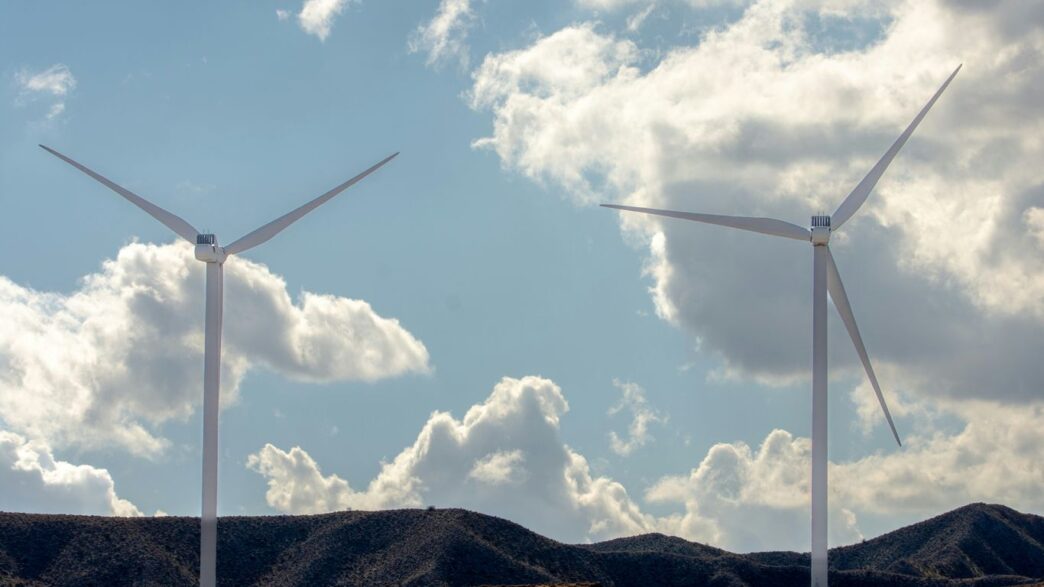
It’s pretty wild how fast solar and wind power are taking over. Seriously, just a few years ago, they seemed like niche options, but now they’re leading the charge. A big part of this is that making solar panels and wind turbines has gotten way cheaper. Think of it like mass production for everything else – the more you make, the less each one costs. Plus, the technology itself keeps getting better. Those wind turbines are taller, and solar panels are more efficient than ever. It’s not just about being green anymore; these projects are often the most cost-effective choice, even without government help. Companies are jumping on board too, signing deals to buy renewable power directly. It’s a huge shift.
The Growing Importance of Energy Storage
Okay, so solar and wind are great, but they don’t work when the sun isn’t shining or the wind isn’t blowing, right? That’s where energy storage comes in. Batteries are the big player here, but there are other methods too, like pumped hydro storage. Basically, we’re getting better at storing the excess energy generated during peak times so we can use it later when demand is high or renewable output is low. This is super important for keeping the lights on reliably as we use more solar and wind. It’s like having a backup generator, but on a much larger scale.
Innovation in Hydrogen and Advanced Nuclear
Beyond solar and wind, there’s a lot of buzz around other clean technologies. Hydrogen is getting a lot of attention as a potential fuel for things that are hard to electrify, like heavy industry or long-haul transport. It can be produced using renewable energy, making it a clean option. Then there’s advanced nuclear power. While it’s a more debated topic, new reactor designs promise to be safer and produce less waste. These technologies, alongside improvements in grid management and other clean fuels, are all part of the bigger picture for a cleaner energy future.
Investment and Financial Strategies for the Future
Okay, so the energy world is changing, and that means where the money goes is changing too. It’s not just about digging up coal or pumping oil anymore. We’re talking about putting serious cash into new ways of powering our lives.
Capital Allocation in the Global Energy World
Companies that want to stick around need to think hard about where they’re putting their money right now. If you’re still heavily invested in old-school fossil fuels, you might be in for a rough ride. The smart money is moving towards things like solar farms, wind turbines, and better ways to store all that clean energy. It’s a big shift, and the decisions made today will shape how energy companies look in ten, twenty, or even fifty years. Think of it like deciding whether to invest in horse-drawn carriages or early automobiles back in the day. Which one do you think won out?
Divestment and Investment Exclusion Trends
More and more, big investors are looking at the risks of climate change and deciding to pull their money out of companies that rely heavily on fossil fuels. It’s not just about being green; it’s about smart business. They’re seeing that holding onto coal or oil assets could become a real problem down the line, both because of potential regulations and because the world is moving away from them. This trend is pushing companies to clean up their act or risk losing out on needed funding.
Financing the Energy Transition in Emerging Markets
This is where things get really interesting, and honestly, a bit tricky. Developing countries need more energy as they grow, but they also need to do it cleanly. The amount of money needed is huge – we’re talking trillions. A lot of this has to come from private investors, but it’s a riskier game for them. That’s why things like special loans, green bonds, and help from international development groups are so important. They help lower the risk so that money can flow into building solar power in India or wind farms in Brazil. It’s about finding ways to help these countries leapfrog over the dirty energy phase and go straight to cleaner options.
Here’s a look at the kind of money we’re talking about:
| Region/Category | Estimated Annual Investment Needed (Early 2030s) | Current Private Sector Investment (Approx.) |
|---|---|---|
| Emerging Markets & Developing Economies (excl. China) | $0.9 – $1.1 trillion | $135 billion |
| Global Clean Energy Transition (Total) | Trillions | Varies significantly |
Getting this financing right is key to making sure everyone benefits from the energy shift, not just the wealthy nations.
Ensuring Energy Security and Resilience
Okay, so the world’s energy system is changing, and that brings up some big questions about keeping the lights on and making sure everyone can afford it. It’s not just about switching to solar panels and wind turbines; it’s about making sure the whole system stays stable, especially when things get a bit chaotic.
Diversification Away From Concentrated Resources
For a long time, many countries relied heavily on just a few sources for their energy, often in places that weren’t exactly stable. Think about oil and gas – if one region has a problem, prices can jump all over the place, and supply can get shaky. The big idea now is to spread things out. This means not just relying on one type of fuel, but also looking at different ways to get that fuel, and even producing more energy closer to home. It’s like not putting all your eggs in one basket, but for energy.
- Boosting local renewable energy production: More solar farms and wind turbines in different areas mean less reliance on imports.
- Exploring new fuel sources: Looking into things like green hydrogen or advanced biofuels can add more options to the mix.
- Securing supply chains: Making sure we have the materials and equipment needed for new energy tech from various places, not just one or two.
Strengthening Electricity Grids and Infrastructure
As we electrify more of our lives – think electric cars and heating – our electricity grids are going to be under a lot more pressure. They need to be tougher and smarter. Old grids weren’t built for the two-way flow of power that comes with lots of solar panels on people’s roofs, or for handling sudden surges in demand. We’re talking about upgrading lines, adding more digital controls so we can manage the flow better, and making sure everything can handle extreme weather events.
- Grid Modernization: This involves updating old power lines and substations, and adding smart technology that allows for better monitoring and control.
- Energy Storage Integration: Batteries, like those used with solar farms, are becoming super important. They can store excess energy when it’s sunny or windy and release it when it’s needed most, like during peak evening hours.
- Demand-Side Management: Encouraging people and businesses to shift their energy use away from peak times can really help balance the load on the grid.
Affordability and Resilience in Emerging Markets
This whole energy shift can be tough on developing countries. They often have less money to invest in new technologies, and their populations might be more vulnerable to price spikes. Governments have spent a lot of money trying to keep energy prices down for people, but that’s not a long-term fix. The goal is to get cheaper, cleaner technologies into these places so they can build a more stable energy future without breaking the bank. Making sure everyone, no matter where they live, can access and afford reliable energy is a huge part of this puzzle. It means finding ways to finance these big upfront costs and making sure the new systems can withstand local challenges, whether that’s extreme heat or unreliable supply chains.
Geopolitical Influences on the Global Energy World

Energy Security Concerns Amidst Tensions
Things have gotten pretty tense globally, and it’s really making countries think hard about where their energy comes from. Remember that big energy crisis last year? It really shook things up, and now, keeping energy supplies steady is a top priority for a lot of nations. It’s not just about having enough power; it’s about having it reliably, without being too dependent on any one place. This has led to a lot of talk about diversifying energy sources and building up reserves, just in case. The push for energy independence is stronger than ever.
China’s Impact on Global Energy Trends
China has always been a huge player in how much energy the world uses. For a long time, they were the main reason global energy demand kept going up. But things are changing. China’s economy is shifting, and its growth is slowing down a bit. Because of this, their total energy use is expected to hit its peak pretty soon, maybe by 2025. Even with this slowdown, China is still a massive force in clean energy. They’re responsible for a huge chunk of new solar and wind power being added globally, and they sell a lot of electric cars too. So, what China does really matters for the whole planet’s energy picture.
International Cooperation Frameworks
Getting everyone on the same page about energy is a big challenge. Different countries have different needs and priorities. Some are worried about keeping their lights on, others are focused on cutting emissions, and some see economic chances in new energy tech. There are international groups trying to get countries to work together on things like setting standards for new fuels or sharing technology. It’s slow going, though. Building trust and finding common ground when energy is so tied to national interests and security is tough. Still, without some level of cooperation, tackling big issues like climate change and making sure everyone has access to energy will be much harder.
Looking Ahead
So, where does all this leave us? The energy world is definitely in motion, and it’s not slowing down. We’re seeing a big push towards cleaner ways to power our lives, driven by both new tech and what governments are pushing for. It’s not just about cutting down on pollution, though that’s a huge part of it. It’s also about building a more stable and reliable way to get energy for everyone, everywhere. This shift won’t be the same for every country, of course. Some are focused on making sure they have enough power, others on the money-making chances, and some on protecting the environment. But the main thing is, things are changing, and it’s going to affect how we all live. It’s a big deal, and the choices we make now will shape things for a long time.