The utility industry is in for a big year in 2026. Things are changing fast, and it feels like every aspect of how we get and use power is being looked at again. We’re seeing new demands pop up everywhere, from electric cars to giant computer centers, all while the grid itself is facing more strain. Plus, the weather is getting wilder, making reliability a bigger worry. It’s a lot to handle, but it also means there are chances to build a better, more solid system for everyone. Let’s look at the main trends shaping the utility industry right now.
Key Takeaways
- New demand from things like electric vehicles and AI data centers is changing how much power we need and when, making the old load curves less useful.
- The grid is hitting its limits with more demand and fewer places to build new power sources, leading to longer waits for new projects.
- Artificial intelligence is becoming a bigger deal, not just for making things run smoother but also for driving up energy use itself.
- Making the grid tougher against bad weather and other disasters is more important than ever, with utilities looking at broader plans beyond just physical fixes.
- There’s a shortage of workers in the utility sector, and new tech like AI is needed to help current staff do more with less.
1. New Load Curve
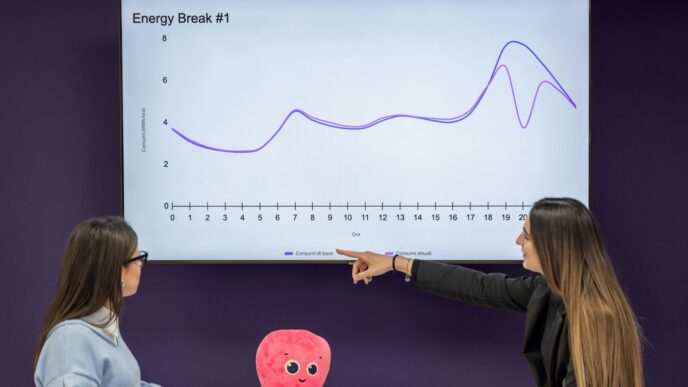
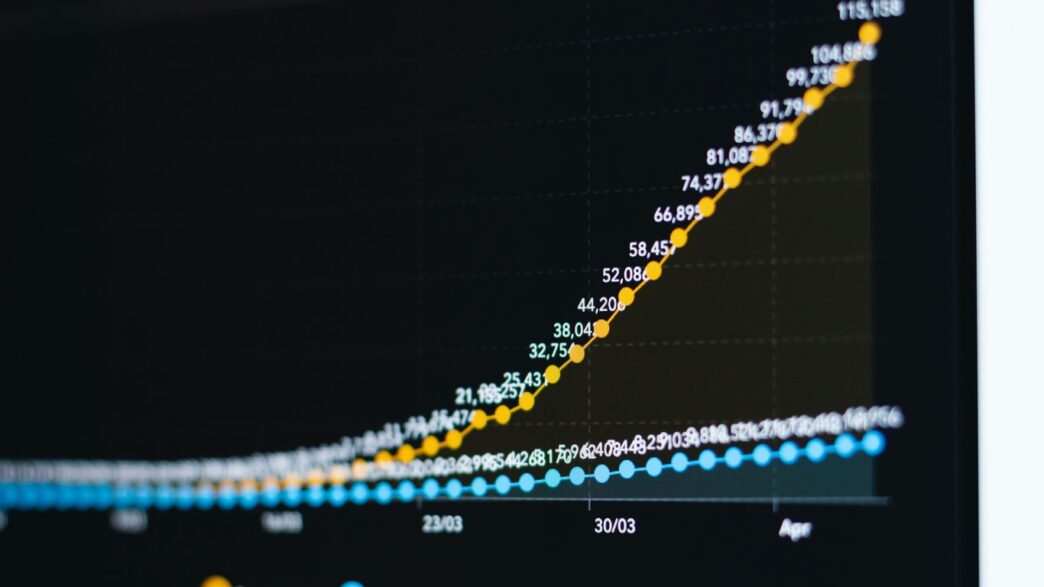
Remember when the electricity demand curve looked pretty much like a flat line for years? Yeah, that’s old news. By 2026, we’re looking at a completely different picture. Think less ‘gentle slope’ and more ‘hockey stick’ – a sharp upward turn that’s catching a lot of folks off guard.
What’s driving this dramatic shift? It’s a mix of things, really. The big one is the push for electrification across the board. We’re talking about more electric vehicles plugging in, homes and offices switching to electric heating, and industries electrifying their processes. Plus, all that digital transformation and the explosion of data centers and AI factories are gobbling up power like never before. These hyperscale users can demand hundreds of megawatts, which is like powering a small city from a single spot.
This isn’t just about more demand; it’s about different demand. The old, predictable patterns are gone. We’re seeing more intense peaks and valleys, and the grid is feeling the strain. It’s creating a real challenge to match where power is generated with where it’s needed, especially when these massive new loads pop up much faster than traditional utility planning cycles.
Here’s a quick look at what’s changing:
- Electrification: More EVs, electric heating, and industrial processes mean a higher baseline demand.
- Data Centers & AI: These facilities are becoming massive power consumers, often built on tight timelines.
- Digital Transformation: Every industry is becoming more digital, adding to the overall electricity need.
- Volatility: The new load curve is less predictable, with sharper swings between high and low demand periods.
The old way of planning for steady, predictable growth just doesn’t cut it anymore. Utilities need to rethink how they forecast and manage power supply to keep up with this new, dynamic reality.
2. Grid Constraints
It feels like every day there’s a new demand on the power grid. We’re seeing more and more electric cars plugging in, buildings switching to electric heat, and all sorts of industries going digital. Plus, those massive data centers are gobbling up electricity. All this adds up to a grid that’s working overtime, and frankly, it’s struggling to keep up.
The old way of doing things just isn’t cutting it anymore. We’re seeing pressure points pop up all over the place, especially where power is needed versus where it’s made. This isn’t just a minor inconvenience; it’s creating real operational headaches and risks for utility companies.
Here’s a look at some of the main issues:
- Interconnection Queues: Getting new power projects, especially renewables, connected to the grid has become a major bottleneck. The lines are long, and the process can be slow, holding up much-needed clean energy.
- Load Imbalance: Demand isn’t spread out evenly anymore. We have these huge spikes in electricity use, often in different places than where the power is generated, leading to an unbalanced system.
- Infrastructure Strain: The existing power lines and substations weren’t built for this kind of intense, fluctuating demand. They’re getting pushed to their limits, and in some cases, they’re just not up to the task.
Utilities are really having to rethink how they plan for capacity. It’s not just about having enough power, but about where and when that power is needed, and if the grid can actually deliver it. This means looking at generation, transmission, and distribution all together, with a much closer eye on real-world delivery limits.
3. Artificial Intelligence
Artificial intelligence, or AI, is really starting to make waves in the utility world, and it’s not just about making things a little more efficient anymore. It’s becoming a core part of how utilities manage a grid that’s getting more complicated by the day. Think about it: AI can help predict when equipment might fail, meaning fewer unexpected outages and less money spent on emergency repairs. It’s also getting good at forecasting energy demand, which is super important when you’ve got new, big energy users like data centers popping up.
AI is becoming a foundational capability for managing complexity, prioritizing investments, and scaling execution in an environment defined by rapid change.
Here’s a quick look at what AI is doing:
- Predictive Maintenance: AI analyzes data from sensors to spot potential problems before they cause a breakdown. This means utilities can schedule maintenance proactively, saving time and money.
- Demand Forecasting: By looking at historical data and current conditions, AI can predict how much power will be needed, helping utilities balance supply and demand more effectively.
- Operational Efficiency: AI can automate tasks, optimize grid operations in real-time, and even help with things like customer service by personalizing interactions.
Of course, it’s not all smooth sailing. The rise of AI itself is creating new challenges. All those AI training facilities and data centers need a ton of power, putting extra strain on the grid. Plus, there’s the risk of cyberattacks where bad actors could feed AI false information, potentially causing major disruptions. Utilities also need to be mindful that AI trained on specific scenarios might struggle when faced with something completely new. It’s a powerful tool, but it needs careful handling and a lot of good data to work right.
4. Grid Resiliency
It feels like every year, the weather just gets wilder, right? We’re seeing more intense storms, longer droughts, and just generally more extreme conditions. For utility companies, this means the old ways of just keeping the lights on aren’t quite enough anymore. They’re really having to rethink how to keep the grid up and running when things go haywire.
Utilities are shifting from just reacting to disasters to building systems that can handle them better from the start. This isn’t just about having a good plan for when a hurricane hits; it’s about making the whole system tougher. Think about it: more frequent wildfires mean utilities have to be super careful about how they manage power lines in dry areas. And those crazy floods we saw? They can take out substations in a heartbeat. So, what are they doing about it?
- Hardening the Grid: This is the classic approach. It means physically making things stronger – think stronger poles, undergrounding lines in critical areas, and using more robust equipment that can withstand harsh weather.
- Better Monitoring and Response: With more sensors and smarter technology, utilities can spot problems faster. This means they can sometimes fix things before they cause a big outage, or at least get crews out there quicker when something does go wrong.
- Diversifying Power Sources: Relying on just one or two big power plants can be risky. Having a mix of energy sources, including more distributed ones like solar and battery storage, can help keep power flowing even if one part of the system goes down.
- Cybersecurity: It might not seem like it, but keeping the digital side of the grid safe is a huge part of resilience. Hackers could cause as much chaos as a bad storm, so protecting those systems is a top priority.
It’s a big job, and it costs a lot of money, but with the climate acting up like it is, it’s becoming less of an option and more of a necessity. They’re also looking at ways to get government help and work with communities to make these upgrades happen.
5. Workforce Constraints
It’s not just about new tech or changing demand; the biggest hurdle for utilities in 2026 is people. We’re seeing a real talent crunch across the board. Think engineers, the folks out in the field doing the hard work, system operators, and even project managers – they’re all in short supply. And here’s the kicker: a lot of experienced utility workers are hitting retirement age. This means we’re losing a ton of knowledge and skills right when we need them most to handle all these other big industry shifts.
The energy transition is creating a talent bottleneck that’s hard to ignore.
So, what’s the plan? Utilities are looking at a few things. For starters, they’re trying to make their current teams more productive using digital tools. It’s not about replacing people, but about giving them better ways to do their jobs. Think smarter software and better data access.
Here are some ways utilities are trying to tackle this:
- Boosting Partnerships: Working more closely with universities and trade schools to get new talent trained up on the skills needed for today’s grid. This means updating what’s taught in classes to match what’s actually happening in the field.
- New Work Models: Trying out different ways to keep experienced workers involved, like offering flexible roles for retirees or setting up mentorship programs where seasoned pros can pass on their knowledge to newer employees.
- Focusing on Retention: Making sure the people they have want to stay. This can involve better training, clearer career paths, and creating a work environment that values their contributions.
It’s a tough situation, for sure. But by getting creative and focusing on both bringing in new talent and keeping the experienced folks happy and productive, utilities are hoping to bridge this gap.
6. Electrification
Okay, so electrification. It’s a big deal, right? We’re talking about pretty much everything that used to run on gas or oil now switching over to electricity. Think cars, heating systems in homes and offices, even some factories are making the jump. This isn’t some far-off future thing; it’s happening now and really changing how much power we need.
This shift is creating a whole new kind of demand on the grid, unlike anything we’ve seen before. It’s not just about more power overall, but also about when and where that power is needed. This makes things complicated for utilities trying to keep the lights on everywhere, all the time.
Here’s a quick look at what’s driving this:
- Transportation: Electric vehicles (EVs) are becoming more common. People are charging them at home, at work, and at public stations. This adds a significant chunk to the electricity bill, especially during peak hours if not managed well.
- Buildings: Heating and cooling systems are moving away from natural gas. Heat pumps and electric furnaces are replacing older tech, meaning more consistent electrical load throughout the day and year.
- Industry: Factories are looking to electrify processes to reduce emissions and sometimes for efficiency gains. This can mean big, concentrated power needs.
Managing all this new electrical demand is a puzzle. Utilities are looking at ways to encourage charging EVs during off-peak hours, for example. Pilot programs have shown that with the right price signals, like dynamic pricing, most EV charging can be shifted to times when the grid isn’t as busy. It’s all about balancing the load so the grid doesn’t get overloaded. This means utilities need smarter ways to manage charging schedules and integrate all these new electrical devices into the existing energy system without causing blackouts.
7. Data Centers
Okay, so data centers. They’re popping up everywhere, right? And they’re hungry for power. Like, a lot of power. This isn’t some niche thing anymore; it’s a major driver of electricity demand, especially with all the AI stuff happening. Utilities are really having to figure out how to keep up.
The sheer scale of energy these facilities need is changing how grids are planned and operated. It’s not just about having enough power; it’s about having it where and when it’s needed, and making sure the grid can handle the constant draw. Some data centers are getting pretty smart about their energy use, though. They’re looking into ways to shift their power needs around, especially for tasks that aren’t super time-sensitive. Think of it like doing laundry when the electricity is cheaper – these big operations can sometimes do that with their computing tasks.
Here’s a quick look at what’s going on:
- Massive Energy Consumers: Data centers are becoming some of the biggest single users of electricity in many areas. Their growth is directly impacting utility load forecasts.
- Grid Integration Challenges: Getting these huge loads connected to the grid isn’t always straightforward. There are often long queues for new connections, and utilities need to upgrade infrastructure to handle the demand.
- Potential Grid Assets: On the flip side, some data centers can actually help the grid. By being flexible with their power consumption, they can help balance supply and demand, especially during peak times or when there are unexpected issues.
- Location Matters: Where a data center is built can really affect the local grid. Utilities have to consider the existing infrastructure and how to best serve these new, large energy users without causing problems for everyone else.
8. Advanced Metering Infrastructure
Remember those old analog meters that spun around? Yeah, those are pretty much on their way out. Advanced Metering Infrastructure, or AMI, is the next step, and it’s a big one. Think of it as giving your electric meter a serious upgrade. Instead of just recording how much power you used, these new smart meters can talk back and forth with the utility company in near real-time.
This two-way communication is a game-changer for how utilities manage the grid and how we understand our own energy use. It means more accurate billing, no more estimated readings, and faster detection of outages. Plus, it opens the door for things like dynamic pricing, where you might pay less for electricity during off-peak hours. It’s not just about the meter itself, though. It’s about the whole system that collects and uses that data.
Here’s what AMI is really bringing to the table:
- Real-Time Data: Utilities get instant updates on energy consumption and grid conditions. This helps them spot problems, like a downed line, much quicker and figure out exactly where it is. It also helps them balance supply and demand better.
- Improved Billing and Revenue: With precise, up-to-the-minute data, billing becomes way more accurate. This cuts down on billing errors and helps utilities avoid losing money due to inaccurate readings.
- Customer Engagement: You can actually see how much energy you’re using, and when. Some systems can even help identify appliances that are using too much power or might be about to break down. This gives you more control over your bills and energy habits.
- Grid Management: AMI helps utilities manage demand better, especially during those super-hot or cold days when everyone is cranking their AC or heat. They can send signals to encourage people to use less power during peak times, which helps keep the grid stable and prevents overloads.
It’s more than just swapping out old meters; it’s about building a smarter, more responsive energy system for everyone.
9. Renewable Energy
Okay, so renewable energy. It’s a big deal, right? By 2026, we’re looking at renewables actually producing more electricity than coal. That’s a pretty massive shift. It means the whole industry is changing gears, moving away from old-school fossil fuels and really leaning into things like solar and wind.
But it’s not all sunshine and breezes. Renewables are, well, unpredictable. You can’t just flip a switch and make the sun shine or the wind blow harder when you need it. This is where things get interesting. Utilities are having to get smarter about how they manage this variability. We’re seeing a lot more focus on things like Virtual Power Plants (VPPs) and Distributed Energy Resources Management Systems (DERMs). These systems, often cloud-based now, help manage all these scattered energy sources more effectively. The goal is to make storing and moving renewable energy smooth and efficient.
Here’s a quick look at how renewables are shaping up across different regions:
- Africa: Around 24% renewable energy generation.
- Asia: About 25% renewable energy generation.
- Europe: A solid 39% from renewables.
- North America: Roughly 28% from renewable sources.
- South America: Leading the pack with about 76% renewable energy.
- World Average: Sitting at about 32% renewable energy generation.
To handle the ups and downs of renewable output, utilities are increasingly using advanced tools. Think AI and digital twins. These technologies help predict when energy will be needed and how much power can be generated. They can also simulate different scenarios, like what happens during a storm or if a plant goes offline. This kind of planning is key to keeping the lights on when relying more on sources that aren’t always available on demand.
10. Smart Grid Modernization
Okay, so the grid is getting a serious upgrade, and it’s about time. We’re talking about making it smarter, more connected, and way more efficient. Think of it like upgrading your old flip phone to the latest smartphone – it just does so much more.
The core idea is to build a grid that can handle all the new demands we’re throwing at it, like electric cars and all those new data centers, while also being more reliable. This involves a bunch of different pieces working together. We’re seeing more sensors out there, giving us real-time info on how the grid is performing. This means utilities can spot problems before they become big outages, which is a huge win for everyone.
Here’s a quick look at what’s happening:
- Better Data Flow: New meters (like AMI 2.0) are sending in data much more often, sometimes almost instantly. This helps with billing, spotting issues, and even figuring out which appliances are using too much power or might be about to break.
- Handling New Loads: With more EVs charging and big data centers popping up, the grid needs to be flexible. Smart grid tech helps manage these big energy users, sometimes even using them to help balance the grid when needed.
- Integrating Renewables: Getting solar and wind power onto the grid smoothly is a big deal. Smart grids make it easier to manage the ups and downs of renewable energy sources, so we can use more clean power without causing problems.
It’s not just about slapping new tech on old systems. It’s a whole rethink of how the grid operates, using data and smart controls to keep things running smoothly, even when things get busy. This modernization is key to keeping the lights on and supporting all the new energy needs we’re seeing.
Looking Ahead
So, as we wrap up our look at 2026, it’s pretty clear the utility world is in for a wild ride. We’re seeing huge shifts with everything getting electrified, data centers popping up everywhere, and the grid itself feeling the strain. It’s a lot to handle, and honestly, it’s not going to be a walk in the park. But here’s the thing: all this change also opens up some big chances. Utilities can actually rebuild things smarter, making the system tougher and more connected. This means thinking differently, working together more, and planning way ahead, not just making small fixes. It’s time for everyone involved – the companies, the rule-makers, and the folks who build this stuff – to get on the same page and figure out how we’re going to power the future. The challenges are real, but so is the opportunity to build a better, more reliable energy system for everyone.