1. Introduction To Biomedical Engineering
So, what exactly is biomedical engineering? Think of it as the place where engineering meets medicine. It’s a field all about using engineering know-how to solve problems in biology and healthcare. These folks are the brains behind a lot of the medical tech we see today, from the machines that help doctors diagnose illnesses to the artificial limbs that give people back their mobility.
It’s a pretty cool gig if you’re into science and want to make a real difference in people’s lives. Biomedical engineers get to work on all sorts of projects. They might be designing new medical devices, like pacemakers or advanced imaging systems. Or maybe they’re working on improving existing ones, making them safer or more effective. Some are even involved in research, trying to understand how the body works at a deeper level and how technology can help.
Basically, if there’s a way to apply engineering principles to make healthcare better, you’ll find a biomedical engineer involved. It’s a field that’s constantly evolving, with new challenges and opportunities popping up all the time. The ultimate goal is to improve patient care and health outcomes through technological innovation.
Here’s a quick look at some of the areas biomedical engineers get involved in:
- Medical Device Design: Creating everything from simple tools to complex machinery.
- Research and Development: Pushing the boundaries of medical technology and understanding.
- Clinical Support: Making sure the equipment in hospitals runs smoothly and safely.
- Prosthetics and Artificial Organs: Helping people regain function and quality of life.
2. Educational Requirements And Skills
So, you’re thinking about becoming a biomedical engineer? That’s awesome! It’s a field that really blends science and technology to help people. To get started, you’ll typically need a bachelor’s degree in Biomedical Engineering itself, or something pretty close like biology, mechanical engineering, or electrical engineering. Your coursework will be a mix of tough stuff like advanced math, physics, biology, and physiology, alongside core engineering principles. Think of it as building a really solid foundation.
But it’s not just about hitting the books. You’ve got to be good at figuring things out. Problem-solving is a huge part of this job. You’ll be faced with challenges that don’t have a single right answer, so you need to be able to break them down, brainstorm, and test out different approaches. Curiosity is your friend here – always asking ‘why?’ and ‘what if?’ helps a ton.
Beyond the technical side, you’ll need to be a good communicator. Most engineering projects aren’t solo missions; they’re team efforts. You’ll have to explain your designs, listen to what others have to say, and work with people from all sorts of backgrounds. This means writing clear reports, giving presentations, and sometimes explaining super complex ideas in simple terms. Being able to work well with others and share your ideas effectively is key.
Here’s a quick rundown of some skills that really help:
- Analytical Thinking: Breaking down complex problems into manageable parts.
- Creativity: Coming up with new ideas for devices and solutions.
- Attention to Detail: Making sure designs are precise and safe.
- Teamwork: Collaborating effectively with colleagues and other professionals.
- Adaptability: Being ready to learn new technologies and methods as they emerge.
Many people also go on to get a master’s or even a Ph.D. if they want to specialize in a specific area, like medical imaging or tissue engineering, or if they’re aiming for research or academic roles. It’s a path that requires dedication, but the payoff in terms of making a real difference is pretty significant.
3. Career Advancement And Specializations
So, you’ve got your biomedical engineering degree. What’s next? Well, the cool thing about this field is that it’s not a dead end. You can actually move up and get really good at one specific thing if you want.
Think about it like this: you might start out as a junior engineer, maybe helping out with research or designing parts for a new medical gadget. After you’ve been around for a bit and learned the ropes, you could end up managing a whole project or leading a team. Having good leadership skills and being able to come up with new ideas really opens doors. This applies whether you’re working for a big company, a university, or even a hospital.
Another way to get ahead is by going back to school or getting special training. Lots of folks get master’s or even PhDs to become experts in areas like medical imaging or prosthetics. You can also get certifications, like the Certified Biomedical Equipment Technician (CBET), which basically shows everyone you know your stuff in a particular area. It can make you stand out when you’re looking for a job or a promotion.
Here are a few common paths you might see:
- Research and Development: This is where you’re creating new things. Think designing advanced prosthetics, developing better ways to deliver medication, or working on the next generation of wearable health trackers.
- Clinical Engineering: This involves working directly in hospitals, making sure all the medical equipment is running smoothly, safely, and is up-to-date. You’re the go-to person for all things tech in a healthcare setting.
- Product Development: You could be involved in taking a medical device from an idea all the way to something that’s actually manufactured and sold. This means a lot of testing and making sure it works perfectly.
4. Biomedical Engineering Career Paths
So, you’ve got this biomedical engineering degree, now what? It’s not just one road you can take; this field branches out in a bunch of directions. Think of it like a choose-your-own-adventure book, but with more lab coats and less dragons.
One big area is research and development (R&D). This is where you’re basically inventing the future of medicine. You could be designing new pacemakers that are way smarter than the old ones, or figuring out how to make artificial limbs feel more natural. It also involves working on things like drug delivery systems – making sure medicine gets where it needs to go in the body, exactly when it needs to. Plus, there’s the whole wearable tech side of things, like smartwatches that actually monitor your health in a meaningful way.
Then there’s clinical engineering. These folks are the bridge between the fancy new medical tech and the doctors and nurses who use it every day. They make sure all the equipment in a hospital, from MRI machines to simple blood pressure cuffs, is working correctly, is safe, and is up-to-date. They might also train hospital staff on how to use new gadgets. It’s a pretty hands-on role, making sure the technology actually helps people in a real-world setting.
Here are a few other paths you might consider:
- Medical Device Design: Focusing specifically on creating and improving the tools doctors use, like surgical robots or diagnostic equipment.
- Biomaterials Science: Working with materials that interact with the body, like developing better implants or scaffolds for tissue regeneration.
- Biomechanics: Applying engineering principles to understand how the body moves and functions, often leading to work in prosthetics, orthotics, or sports medicine.
- Rehabilitation Engineering: Designing assistive devices and technologies to help people with disabilities improve their independence and quality of life.
It’s a field that really lets you pick what kind of impact you want to make, whether that’s in a lab, a hospital, or a company developing the next big thing in healthcare.
5. Research And Development
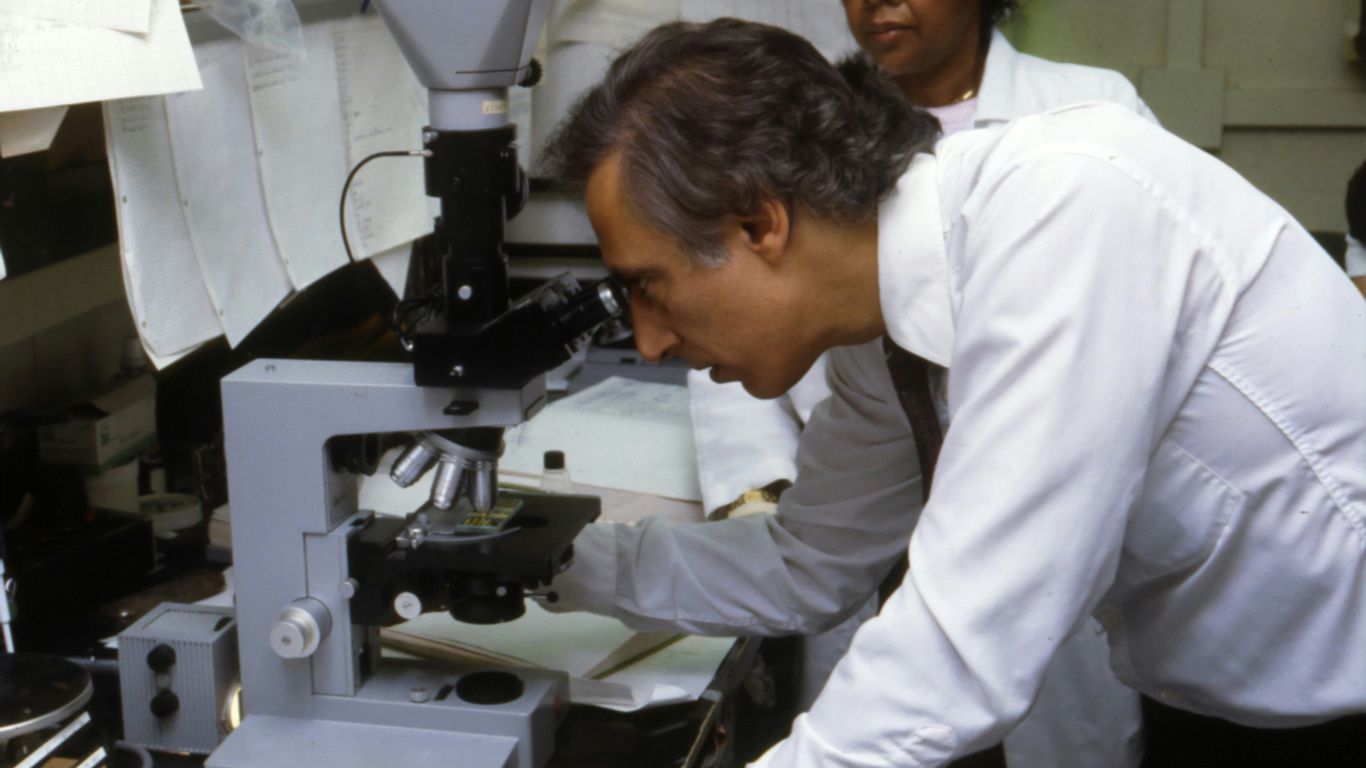
When you think about biomedical engineering, a big part of it is research and development, or R&D. This is where new ideas for medical stuff get dreamed up and turned into actual things that can help people. It’s not just about making a new gadget; it’s about figuring out how to make healthcare better through technology.
Think about it: engineers in R&D are the ones working on things like smarter pacemakers, artificial organs that work better, or even new ways to deliver medicine inside the body. They might be tweaking designs for diagnostic tools, like advanced imaging machines, or developing wearable sensors that can track your health 24/7. It’s a field that’s always pushing boundaries.
Here’s a look at some key areas within R&D:
- Medical Device Design: This involves creating everything from tiny implantable devices to larger pieces of equipment used in hospitals. The goal is to make devices that are safe, effective, and easy for doctors and patients to use.
- Pharmaceutical Innovation: Biomedical engineers can help develop new ways to get drugs into the body, making treatments more effective and reducing side effects. They also work on improving how drugs are made.
- Healthcare Technology: This covers a broad range of innovations, including telemedicine platforms that let you see a doctor remotely, or software that helps analyze patient data to spot potential health issues early.
The core of R&D is innovation, aiming to solve unmet medical needs and improve patient outcomes. It requires a mix of creativity, technical skill, and a good understanding of biology and medicine. You’ll often find engineers working in teams with doctors, scientists, and other specialists to bring these new technologies to life.
6. Clinical Engineering
Clinical engineering is where the rubber meets the road for biomedical engineers in a healthcare setting. Think of these folks as the guardians of the hospital’s technology. They’re the ones making sure all the fancy machines, from the MRI scanners to the simple IV pumps, are working just right, all the time. It’s a hands-on job, really focused on keeping things running smoothly and safely for patients.
What does that actually look like day-to-day? Well, clinical engineers are involved in a bunch of things:
- Selecting and Setting Up New Gear: When a hospital decides to buy a new piece of equipment, clinical engineers are often part of the team that figures out which one is best and then gets it installed correctly.
- Maintenance and Repairs: This is a big one. They perform regular checks, calibrations, and fixes on medical devices to prevent breakdowns. Nobody wants a critical piece of equipment failing when it’s needed most.
- Safety and Compliance: They have to make sure all the equipment meets strict safety standards and government regulations. This isn’t just about paperwork; it’s about protecting patients and staff.
- Training: Sometimes, they’ll train doctors, nurses, and other hospital staff on how to properly use new or complex medical devices.
Their work is absolutely vital for the day-to-day operation of any modern hospital. While you might not see them directly interacting with patients as much as a doctor or nurse, their behind-the-scenes efforts are what keep the entire medical system functioning effectively and safely. It’s a role that requires a solid technical background combined with a practical understanding of how a hospital actually works.
7. Challenges And Rewards Of A Biomedical Engineering Career
Working as a biomedical engineer definitely has its ups and downs, like any job, right? On one hand, you’re dealing with some seriously complex stuff. You’re trying to blend engineering smarts with how living things work, which means you’ve got to be good at a lot of different things and work with all sorts of people – doctors, biologists, other engineers. It’s not always a walk in the park.
Then there are the rules and regulations. Making sure medical devices and technologies are safe and actually work the way they’re supposed to involves a lot of paperwork and jumping through hoops. It can slow things down, for sure. Plus, technology changes so fast in this field. What’s cutting-edge today might be old news next year, so you’re always learning. Sometimes, especially in research, you’re up against tight budgets and limited resources, which can make it tough to get big projects off the ground.
But here’s the really good part: you get to make a real difference in people’s lives. Knowing that your work helps patients get better, improves their quality of life, or even saves lives is incredibly rewarding. It’s not just about the intellectual challenge; it’s about the impact. And let’s be honest, the pay isn’t too shabby either. Biomedical engineers often earn a good living, with median annual wages reflecting the importance of their contributions to healthcare.
Here are some of the key aspects to consider:
- Complexity: Merging engineering with biology requires broad knowledge and collaboration.
- Regulation: Navigating strict rules for medical devices can be a hurdle.
- Pace of Change: Continuous learning is a must to keep up with new tech.
- Resource Limits: Budgets can sometimes restrict progress.
Despite the hurdles, the chance to innovate and directly improve health outcomes makes it a pretty special career path.
8. What Is A Biomedical Engineer?
So, what exactly does a biomedical engineer do? Think of them as the bridge builders between the worlds of engineering and medicine. They’re the folks who take engineering principles – the stuff about design, problem-solving, and how things work – and apply them to biological and health-related challenges. It’s a pretty neat gig if you’re someone who likes figuring out how things tick and also wants to make a real difference in people’s lives.
These professionals are involved in a whole range of activities. For starters, they design and develop medical devices. This could be anything from a simple diagnostic tool to something as complex as an artificial limb or a pacemaker. They also work on improving existing technologies, like making MRI machines better or developing new ways to deliver medication. It’s not just about creating new gadgets, though. Biomedical engineers also play a role in managing and maintaining the medical equipment already in hospitals, making sure everything is safe and working properly.
Here’s a quick look at some of the areas they focus on:
- Medical Device Design: Creating new tools and equipment for diagnosis, treatment, and rehabilitation.
- Research and Development: Investigating new technologies, materials, and processes to advance healthcare.
- Clinical Support: Ensuring medical equipment is functional, safe, and used effectively in healthcare settings.
- Prosthetics and Artificial Organs: Developing artificial body parts and organs to restore function.
Essentially, a biomedical engineer is a problem-solver who uses a blend of technical know-how and an understanding of biology to improve health outcomes and patient care. Their work directly impacts how we diagnose, treat, and manage diseases, making them a vital part of modern healthcare.
9. Frequently Asked Questions
So, you’re thinking about biomedical engineering, huh? It’s a pretty cool field, blending medicine with engineering. But like anything, you’ve probably got some questions. Let’s clear a few things up.
What kind of jobs can I actually get with a biomedical engineering degree?
This is a big one, and the answer is: a lot! You’re not just limited to one path. Here are some common directions:
- Research and Development: Designing new medical devices, prosthetics, or even diagnostic tools. Think cutting-edge stuff.
- Clinical Engineering: Working in hospitals, making sure all the medical equipment is safe, functional, and up-to-date. Someone’s gotta keep those MRI machines running!
- Medical Device Industry: Companies that make pacemakers, artificial joints, or imaging systems often hire BMEs for design, testing, or sales.
- Biotechnology: Working with biological systems and living organisms to create products, like new drugs or therapies.
- Regulatory Affairs: Helping companies get their medical products approved by government agencies. It’s all about safety and compliance.
Is it hard to get into a good biomedical engineering program?
Generally, yes. These programs are usually competitive. They look for strong grades in science and math, especially physics, chemistry, biology, and calculus. Standardized test scores, like the SAT or ACT, also play a role. Some schools might even want to see some experience or interest in engineering or healthcare, maybe through projects or volunteer work. It’s a good idea to check the specific requirements for each college you’re interested in, as they can vary quite a bit.
What’s the day-to-day life of a biomedical engineer like?
It really depends on your specialization. If you’re in R&D, you might spend a lot of time in a lab, designing, building prototypes, and running tests. If you’re in a hospital as a clinical engineer, your day could involve troubleshooting equipment, meeting with doctors about their needs, or planning for new technology installations. Some roles involve a lot of computer work, like simulations or data analysis, while others are more hands-on. You’ll likely be working with teams, collaborating with other engineers, scientists, and medical professionals.
What are the biggest challenges in this field?
One of the main challenges is the pace of change. Medical technology is always evolving, so you have to be committed to lifelong learning. You also deal with strict regulations and safety standards, which are important but can slow down the development process. Sometimes, you might face ethical dilemmas, especially when working with human health. And, of course, getting new ideas from the lab into actual clinical use can be a long and difficult road.
And the rewards?
The rewards are pretty significant. You get to work on problems that directly impact people’s lives and health. Seeing a device you helped design improve someone’s quality of life or even save a life is incredibly fulfilling. It’s a field that’s constantly growing, offering job security and opportunities for advancement. Plus, you’re at the intersection of two fascinating fields: biology and engineering.
10. The Bottom Line
So, you’ve looked at the top schools for biomedical engineering in 2026, and now it’s time to figure out what really matters. Picking a college isn’t just about rankings; it’s about finding a place where you’ll thrive, learn, and get ready for whatever comes next. Think about what you want out of your college experience. Do you want a big university with tons of research opportunities, or a smaller, more focused program? What kind of campus vibe are you looking for? Some schools might have amazing labs, but if the student life isn’t a good fit, it could be a tough four years.
When you’re comparing programs, keep these things in mind:
- Academic Focus: Does the program have strong faculty in the specific areas of biomedical engineering that interest you, like biomechanics, medical imaging, or biomaterials?
- Research Opportunities: Look for schools that actively involve undergrads in research. This is where you’ll get hands-on experience that looks great on a resume and helps you figure out what you’re passionate about.
- Facilities and Resources: Are the labs up-to-date? Does the university have good career services to help you find internships and jobs after graduation?
- Student Life and Support: College is more than just classes. Consider the campus culture, student organizations, and support systems available. A good work-life balance is key, and some schools are better at helping students manage their workload.
Ultimately, the best biomedical engineering college for you is the one that aligns with your personal goals and learning style. Don’t be afraid to dig deeper than the surface-level stats. Reach out to current students, visit campuses if you can, and really try to get a feel for the environment. Your future in biomedical engineering starts with this choice, so make it a thoughtful one.
Your Biomedical Engineering Journey Starts Now
So, you’ve looked at some of the top schools for biomedical engineering. It’s a big decision, for sure. This field is all about making real differences in people’s lives, whether that’s through new medical devices or better ways to treat illnesses. The schools we’ve talked about are great places to start building the skills you’ll need. Remember, the best program for you is the one that sparks your curiosity and fits your goals. The world needs bright minds in biomedical engineering, and your journey to contributing to healthcare advancements can begin with choosing the right place to learn.