Rhode Island, known as the Ocean State, is looking at its energy future, and a big part of that involves wind power. We’re talking about big turbines out in the ocean. It sounds great, right? Clean energy and all that. But like anything new and big, there’s a lot to consider. This article takes a look at what’s going on with the rhode island power plant plans, the good and the not-so-good.
Key Takeaways
- Rhode Island’s first offshore wind farm, the Block Island Wind Farm, was a small pilot project, but it paved the way for larger developments.
- There are worries about how digging up the ocean floor and burying cables might affect marine life and habitats.
- Concerns exist about the heat discharged from offshore substations and potential impacts on local water temperatures and marine ecosystems.
- Some groups question whether offshore wind projects are truly as environmentally friendly as claimed, pointing to issues like diesel generators on turbines and heavy metal discharges.
- The future of energy in Rhode Island involves balancing the need for more power with protecting the environment, and public input is seen as important in deciding where projects go.
Rhode Island’s Offshore Wind Development
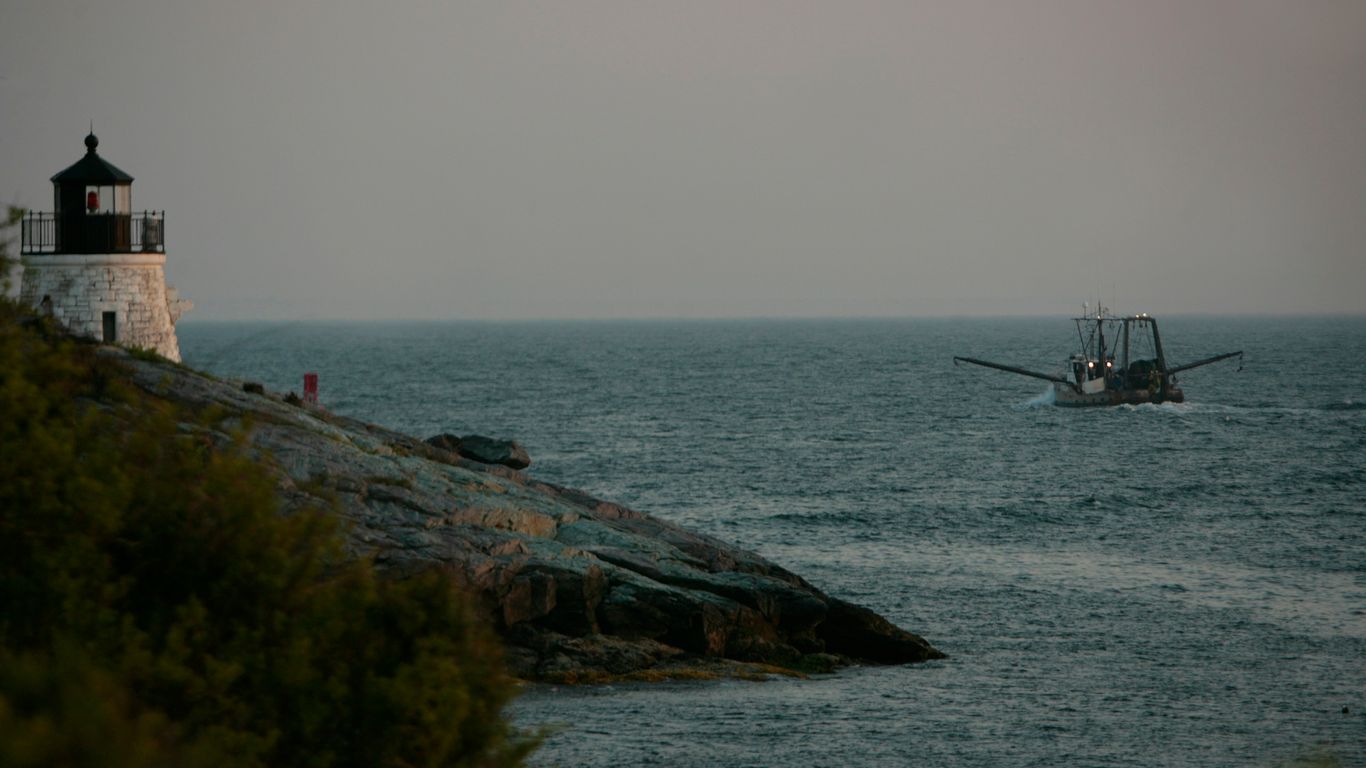
Rhode Island has been a trailblazer in the U.S. offshore wind scene, really kicking things off with the Block Island Wind Farm. It’s a pretty neat project, and honestly, it felt like a big step for renewable energy in the country.
Block Island Wind Farm: A Pilot Project
This was the first offshore wind farm built in the United States, and it’s located just off the coast of Block Island. It’s not a massive operation by global standards, featuring five turbines that together generate about 30 megawatts of power. That’s enough to power roughly 10,000 homes, which is a good start. The project was proposed by Deepwater Wind, and the Bureau of Ocean Energy Management (BOEM) had to check if anyone else was interested in the area before approving it – turns out, no one else was. Most of the physical parts of the farm are in state waters, so the U.S. Army Corps of Engineers looked into the environmental side of things.
Transmission System Approvals
Getting the power from the turbines to the shore is a whole other ballgame. For the Block Island Wind Farm, a key part of this was getting the go-ahead for the transmission system. BOEM made a decision that there was no competitive interest in the area for building this connection. Deepwater Wind applied for a right-of-way grant to lay an underwater cable, about eight nautical miles long, to connect the wind farm to the Rhode Island mainland. This was a pretty important step to get the project fully operational and delivering power.
Environmental Monitoring Efforts
Building something like this out at sea definitely raises questions about the environment. Because of this, there have been significant efforts to monitor what’s going on. Marine scientists have been busy collecting data on all sorts of things, from underwater noise during construction to how the seafloor changes. They’ve looked at noise levels in the water and in the air, visual impacts, changes to the ocean floor, and even what kinds of life are on the turbine foundations. It’s interesting because, in some cases, these foundations have actually become new habitats for sea creatures, almost like artificial reefs. These monitoring programs are really important for understanding the real-world effects and helping to guide future projects.
Environmental Concerns and Regulatory Scrutiny
When we talk about big energy projects, especially those out in the ocean, there’s always a lot to consider beyond just how much power they can make. For Rhode Island’s offshore wind ventures, this means looking closely at potential impacts on the marine world and how regulators are keeping an eye on things. It’s a complex picture, and people have different views on whether the benefits outweigh the risks.
Impacts of Dredging and Cable Burial
Getting the power from the turbines to the shore involves a lot of work underwater. This often means dredging, which is basically stirring up the seabed. This process can kick up sediment, potentially releasing things that have been buried for a long time, like heavy metals or other contaminants. Think of it like digging up old soil in your garden – you never quite know what might be lurking down there. Burying the cables that carry the electricity also involves disturbing the ocean floor. While necessary, these activities raise questions about how they affect the local environment, including water quality and the habitats of marine life.
Thermal Discharge and Marine Life
Some power generation methods involve cooling systems that release warmer water back into the ocean. This is known as thermal discharge. While the scale of this from offshore wind farms might be different than traditional power plants, it’s still something scientists and environmental groups watch. Changes in water temperature, even small ones, can affect marine ecosystems. Different species have specific temperature ranges they thrive in, and altering that could potentially shift fish populations or impact sensitive organisms. It’s a delicate balance, and understanding these effects is key.
Heavy Metal Discharges
Concerns have been raised about the potential for heavy metals to enter the marine environment. Sometimes, these discharges aren’t from the wind farm equipment itself but from disturbing previously contaminated sediments during construction, like dredging. The idea is that as the seabed is moved around, metals that were settled and out of the way can become suspended in the water column. This can be a worry for marine life that might ingest these metals or for the overall health of the ocean ecosystem. Monitoring these discharges and understanding their source and impact is a big part of the regulatory process.
Debates on Environmental Impact and Public Perception
Allegations of Greenwashing
It feels like there’s a real disconnect sometimes between what’s being said about these big energy projects and what’s actually happening. You hear a lot about "green" energy and helping the planet, which sounds great, right? But then you look closer, and there are these persistent questions about whether it’s all just a way to make industrial development look good. Some folks are pointing fingers, saying that the environmental benefits are being exaggerated, or that the real impacts are being downplayed. It’s like they’re trying to sell us a perfect picture, but the details don’t quite add up for everyone.
Grassroots Opposition and Funding
What’s interesting is that a lot of the pushback against these projects isn’t coming from big, well-funded groups. Instead, it’s often regular people, neighbors, and local organizations who are speaking up. They’re spending their own time and money to research these issues and voice their concerns. It’s a real grassroots effort, and it seems to be happening across the coast. On the flip side, there are whispers and some direct accusations that the projects themselves are backed by significant money and influence, with promises of funding tied to getting approvals. It makes you wonder who’s really pulling the strings.
Scientific Monitoring vs. Public Discourse
There’s a lot of talk about what the science says, and then there’s what people are actually experiencing or worried about. Supporters of the projects often point to studies and reports that say the environmental risks are minimal or manageable. They might say things like, "It meets the criteria, it’s cost-justified, and it doesn’t harm the environment." But then you have people who have spent countless hours digging into the details, looking at the potential effects of things like dredging, sediment disturbance, or even just the sheer scale of these installations. They feel their concerns are being dismissed or labeled as uninformed, when they believe they’re just trying to understand the real-world consequences. It’s a tough conversation when you have complex scientific data clashing with deeply felt community worries.
Technological Aspects of Offshore Power Generation
Substation Heat Generation and Cooling Systems
Offshore wind farms aren’t just giant pinwheels in the ocean; they involve some pretty complex tech. One aspect that doesn’t get talked about much is the heat generated by the electrical substations. These are basically the hubs where power from multiple turbines gets collected and stepped up to a higher voltage for transmission to shore. All that electricity flowing through transformers and switchgear creates a lot of heat. Keeping these substations cool is important for their operation and longevity. While some designs might rely on natural ocean currents to help dissipate heat, others may need active cooling systems. This can involve pumps circulating seawater, which then needs to be managed to avoid harming marine life. It’s a bit of a balancing act, making sure the tech works without messing up the environment it’s sitting in.
Backup Power and Fuel Storage
We all know wind doesn’t blow all the time, right? So, what happens when the turbines aren’t spinning fast enough to meet demand? This is where backup power comes into play. Some offshore wind projects might have on-site generators, often diesel-powered, to kick in during lulls. This means storing significant amounts of fuel, like diesel, and lubricants right out there in the ocean. It raises questions about safety, potential spills, and the environmental impact of burning fossil fuels to supplement a renewable energy source. The need for reliable backup power highlights the intermittent nature of wind energy and the challenges of achieving a fully green grid without significant advancements in energy storage.
Turbine Foundation Ecosystems
It’s kind of wild, but the structures holding up these massive turbines can actually create new habitats. What used to be a flat, sandy seabed can transform into a complex reef-like environment. Barnacles, mussels, and various fish species start to call these foundations home. Scientists are studying these "artificial reefs" to see how they affect local marine life. It’s a bit of a double-edged sword: the construction itself can be disruptive, but the resulting structures can provide shelter and a place for organisms to attach and grow. This unintended consequence is an active area of research, looking at how these new ecosystems interact with the surrounding ocean environment.
The Future of Rhode Island’s Energy Infrastructure
So, what’s next for Rhode Island’s power grid? It’s a big question, and the answer involves a mix of new tech and careful planning. We’re looking at a future where offshore wind plays an even bigger role, but it’s not just about building more turbines. It’s about making sure the whole system can handle it and that we’re doing it right for the environment and the people living here.
Projected Power Generation Capacity
Rhode Island has set some ambitious goals for renewable energy. The state aims to get a significant portion of its electricity from clean sources, with offshore wind being a major player. While specific numbers can change as projects develop, the trend is clear: more wind farms mean more clean power. This isn’t just about meeting targets; it’s about building a more resilient and sustainable energy supply for the state.
Balancing Energy Needs and Environmental Protection
This is where things get tricky. We want more clean energy, but we also need to protect our coast and marine life. It’s a balancing act. Think about it: building new infrastructure, even for clean energy, can have impacts. That’s why there’s a lot of focus on making sure projects are done in a way that minimizes harm. This includes things like:
- Careful site selection to avoid sensitive habitats.
- Using construction methods that reduce disruption to the ocean floor.
- Ongoing monitoring to track any effects on wildlife and water quality.
The goal is to grow our energy capacity without sacrificing the natural beauty and health of our coastal environment.
The Role of Public Input in Siting Decisions
Deciding where to build new energy projects, especially large ones like offshore wind farms or transmission lines, isn’t just up to developers and regulators. Public opinion matters, and it should. Local communities, fishermen, environmental groups, and everyday residents all have a stake in these decisions. Their input can help identify potential problems early on and lead to better outcomes. This often involves public hearings, comment periods, and direct engagement with stakeholders. It’s a way to make sure that the energy infrastructure we build serves the needs of everyone in Rhode Island, not just a select few.
Wrapping It Up
So, looking at Rhode Island’s power situation, it’s clear things are complicated. We’ve seen how the push for new energy sources, like offshore wind, comes with a lot of questions. While the idea of cleaner power is good, we also have to think about the real effects on our environment, both on land and in the ocean. People are talking about these issues, and it’s important to listen to all sides. Figuring out the best way forward means looking at all the facts, not just the promises. It’s a balancing act, and Rhode Island is right in the middle of it, trying to power its future while protecting what makes it the Ocean State.