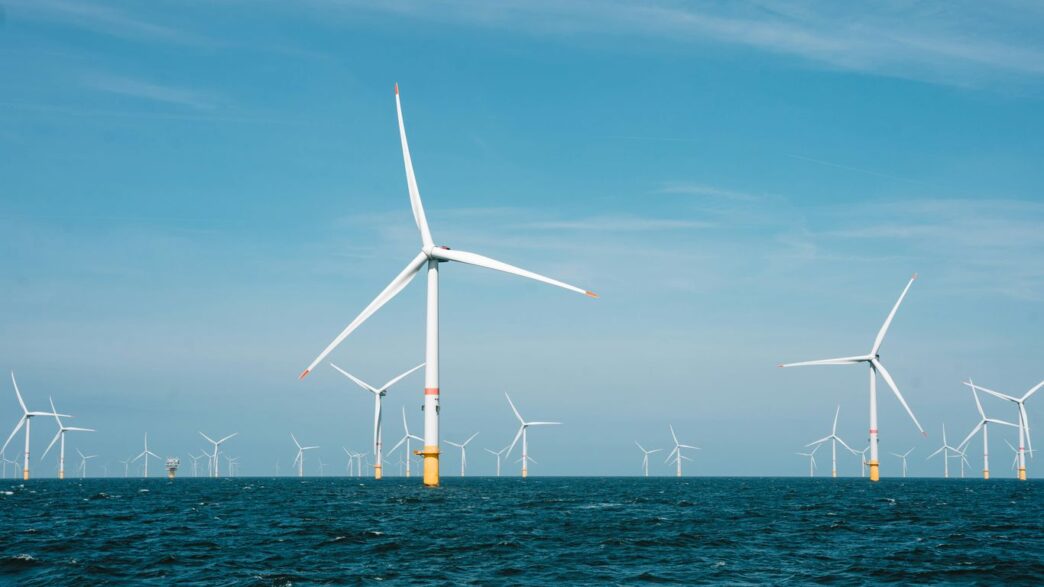
The news offshore wind sector in the US is going through some major ups and downs right now. It feels like just yesterday everyone was excited about huge projects and new policies, but things have really shifted. We’re seeing big changes that are making developers scratch their heads and questioning what’s next. This article looks at what’s happening, why it’s happening, and what it means for the future of wind power along our coasts.
Key Takeaways
- Federal policy has suddenly reversed course on offshore wind, stopping new project approvals and canceling designated development zones, creating a lot of uncertainty.
- Rising costs due to inflation and interest rates, along with problems getting materials, are making these big wind projects much harder and more expensive to build.
- Building offshore wind farms are massive undertakings, and trying to scale up this new energy industry quickly comes with a lot of challenges, including political hurdles.
- The future of projects already underway is unclear, with potential cuts to tax credits adding more financial pressure and making it tough for developers to commit to new investments.
- East Coast states have ambitious plans for offshore wind to meet climate goals and boost local economies, but they’re facing significant roadblocks from policy changes and economic issues.
Policy Reversal Creates Offshore Wind Uncertainty
Well, it looks like the offshore wind industry in the US just hit a major speed bump, and honestly, it’s a bit of a mess. After a period where things seemed to be moving forward, a pretty significant policy shift has thrown a lot of developers for a loop. The federal government has essentially pulled the rug out from under the sector, creating a cloud of uncertainty that’s making everyone nervous.
Federal Support Vanishes Amidst Policy Shift
It seems like the current administration has a different idea about energy priorities. Instead of continuing to back offshore wind, there’s been a move to pivot away from what they’re calling "unreliable" energy sources. This isn’t just a minor tweak; it’s a full-blown reversal that’s shaking the foundations of projects that were already in motion. Think of it like planning a big road trip, and then finding out the main highway you needed to take has been closed indefinitely. All those plans, the money spent, the logistics arranged – it all gets thrown into question.
Designated Wind Areas Rescinded
One of the most concrete actions taken is the rescinding of all previously designated wind energy areas (WEAs) on the Outer Continental Shelf. These areas were basically the government’s way of saying, "Here are the spots where we think offshore wind development makes sense." By taking them back, the federal government has effectively removed the roadmap for future offshore wind leases. This means the pipeline for new projects has been frozen solid. It’s like a farmer having their best fields suddenly declared off-limits for planting.
Projects Under Review Face Indefinite Delays
This is where things get really dicey for companies that have already sunk billions into projects. Several offshore wind farms that are either under construction or in advanced stages of development are now facing a full review. This review process could lead to stop-work orders, essentially halting progress indefinitely. For projects that are already partially built, this is a nightmare scenario. It puts massive investments at risk and creates a huge amount of financial and regulatory risk that developers weren’t expecting. The future of these projects, and by extension, a significant chunk of the US offshore wind pipeline, is now up in the air.
Economic and Supply Chain Disruptions Impact Industry
Inflation and Interest Rates Increase Project Costs
Things were looking pretty good for offshore wind not too long ago. States were setting ambitious goals, and developers were lining up. But then, the economic landscape shifted, and suddenly, building these massive projects got a whole lot more expensive. We’re talking about inflation really taking hold, making everything from steel to specialized labor cost more than anyone planned. On top of that, interest rates shot up. This means borrowing money to fund these huge undertakings became a much bigger financial burden. For projects that were already in the works, these rising costs put a serious strain on their budgets, sometimes making the original contracts unworkable.
Supply Chain Bottlenecks Hamper Development
It’s not just the direct costs. Getting the actual equipment and materials needed for offshore wind farms has become a real headache. The global supply chain, which was already a bit shaky, really struggled to keep up with the demand. Think about it: you need specialized ships, massive turbine components, and all sorts of other gear. When there aren’t enough of these things, or they can’t be transported efficiently, it slows everything down. This bottleneck means projects can’t move forward as planned, leading to delays and more uncertainty.
State Missteps Expose Industry Vulnerabilities
In the rush to be leaders in offshore wind, some states made decisions that, in hindsight, left the industry more exposed. They were eager to attract jobs and investment, which is understandable. But sometimes, the way contracts were structured or the support offered didn’t fully account for potential economic ups and downs. When costs started to climb and federal support wavered, these vulnerabilities became clear. It showed that while the ambition was there, the practical planning needed to weather economic storms wasn’t always robust enough.
Megaprojects Face Significant Hurdles
Offshore Wind Development as Megaprojects
Building offshore wind farms is a massive undertaking, plain and simple. We’re talking about projects that cost billions of dollars, often well over a billion, which puts them squarely in the category of "megaprojects." Think about it: these aren’t just a few turbines; they’re huge installations out at sea, and then you’ve got the massive onshore grid upgrades needed to actually get that power to homes and businesses. It’s a whole new sector we’re trying to build from the ground up, and doing it fast just adds another layer of difficulty.
Challenges in Scaling New Energy Sectors
Creating an entirely new energy industry is incredibly ambitious. It requires not just the technology but also changes in how our whole energy system works. When developers signed contracts years ago, they were working with cost estimates that seem like a distant dream now. Inflation, rising interest rates, and supply chain snags have sent the cost of materials like steel and copper through the roof. Labor costs have also climbed. Suddenly, those early project bids and power purchase agreements just don’t add up anymore, making it tough to secure financing.
Political Will Becomes Barrier to Entry
It feels like there’s been a constant stream of actions that put a wrench in the works. We’ve seen permits get withdrawn, like with the Atlantic Shores project. Then there were stop-work orders, such as the one that hit Empire Wind One in New York. Getting those projects back on track took an enormous amount of effort and time, costing millions. Even proposed changes to tax credits, which were supposed to help the industry, have been shortened, creating more uncertainty. This political back-and-forth makes it really hard for developers to plan and invest with confidence.
Outlook for Existing and Future Projects
So, where does all this leave the offshore wind projects that are already in the works, or the ones we thought were coming soon? It’s a bit of a messy situation, honestly.
Fate of Partially-Built Projects Under Review
Right now, the big question mark hangs over projects that are already partially built or deep into development. The government is taking a hard look at these, and there’s a real chance some could face stop-work orders. This would be a tough pill to swallow, essentially creating stranded assets and signaling a pretty shaky commitment to clean energy.
Impact of Proposed Tax Credit Cuts
On top of everything else, there’s talk in the Senate about cutting key tax credits that the offshore wind industry relies on. If these cuts go through, it’s going to add another layer of financial difficulty. It’s like trying to build something sturdy when the ground keeps shifting beneath you.
Final Investment Decisions Signal Developer Confidence
What we’re really watching for now are the Final Investment Decisions (FIDs) on major projects. These decisions are like a big thumbs-up or thumbs-down from developers. Can they still get the financing they need, even with all this political uncertainty and the potential for costs to keep climbing? A green light on an FID would show that some developers still see a path forward, but a delay or cancellation would really tell a different story about the industry’s confidence.
East Coast States’ Ambitions for Offshore Wind
Meeting Climate Goals with Carbon-Free Power
Lots of states along the East Coast are really pushing for offshore wind, and it’s not just about looking good for climate goals, though that’s a big part of it. They genuinely need more power, period. Their current energy systems are pretty stretched thin. Offshore wind offers a way to build out a lot of clean energy capacity, which is exactly what they’re aiming for. It’s seen as a key technology to help them meet their carbon-free power targets.
Driving Economic Development Through New Sectors
Beyond just the power itself, these states see offshore wind as a major economic engine. We’re talking about building up entirely new industries right here. This means creating jobs, training up a workforce for these new roles, and generally shaking up local economies. It’s a chance to bring investment and new business to areas that might have been overlooked for a while.
Developing Port Infrastructure and Supply Chains
To make all this happen, a lot of investment is going into upgrading and building new port facilities. Think about places like the New Bedford Marine Commerce Terminal, the New Jersey Wind Port, and others up and down the coast. These aren’t just for building turbines; they’re becoming hubs for manufacturing, assembly, and logistics. This also means developing the whole supply chain – from steel and cables to specialized ships and shipyards. It’s a whole ecosystem that needs to be built from the ground up, and these states are putting serious money into making it a reality.
Global Context of Offshore Wind Growth
Leading Global Markets for New Additions
Globally, offshore wind is a pretty established technology. Right now, there’s about 83 gigawatts of offshore wind capacity installed worldwide. To give you a sense of scale, the entire US grid is around 1000 gigawatts. Last year alone, we saw about 11 gigawatts added globally. Where did most of that go? Roughly half went to the European Union, and the other half to China. Within the EU, the UK is a big player, making up about 20% of the total, with Germany close behind at 11%. Denmark and Belgium also contribute around 3% each.
So, if you look at the biggest markets for new offshore wind installations, it’s pretty concentrated. China, the UK, Taiwan, Germany, and France together account for a massive 94% of all new additions. The US, when it set its ambitious goals, was really looking at how to catch up, with states leading the charge and then federal support coming in, especially with things like the Inflation Reduction Act. Ten states along the East Coast, from Maine all the way down to North Carolina, have set their own targets. Collectively, they’re aiming for about 83 gigawatts of planned capacity by 2050. That’s a huge amount – it’s more than all the electricity generation currently installed in New England and the New York ISO combined.
US Goals Compared to International Deployment
When we talk about the US goals, especially the previous federal target of 30 gigawatts by 2030, it’s important to see how that stacks up internationally. While the US has great potential, particularly on the East Coast with its narrow continental shelf and strong winds, it’s still playing catch-up. The conditions there are really good for fixed-bottom turbines, which are the dominant technology used worldwide. Plus, these areas are close to densely populated states that need a lot of power.
As of late 2024, before some recent policy shifts, the US had about 19 gigawatts of offshore wind projects that had received federal approval for construction. Out of that, around 5.9 gigawatts were actually in progress, meaning installation had started. This is a big jump from just five years prior, when we only had a handful of turbines in the water. However, even with these approvals, significant hurdles remain for many projects, and the pace of development is still far behind the leading global markets.
Aggressive State Commitments for Future Capacity
The ambitions of East Coast states are definitely impressive. They’re not just aiming to meet climate goals with carbon-free power, which is a major driver, but they also see offshore wind as a way to boost their economies. This involves building out new supply chains, training workers, and revitalizing neglected port infrastructure. We’ve seen billions invested in places like the New Bedford Marine Commerce Terminal, the Port of Providence, and the New Jersey Wind Port, among others. These investments are creating jobs and opportunities in steel, cable manufacturing, shipbuilding, and port operations.
These state-level commitments, totaling around 80 gigawatts for the East Coast by 2050, are a strong signal of intent. They represent a significant demand for clean energy and a commitment to developing a domestic offshore wind industry. However, the actual realization of these goals hinges on consistent policy support and the ability to overcome the complex challenges of scaling up such a massive new energy sector.
Looking Ahead: Uncertainty and Resilience
So, where does all this leave offshore wind in the US? It’s a bit of a mixed bag right now. We’ve seen some big policy shifts that have definitely thrown a wrench in the works, making things uncertain for developers and investments. Projects that seemed like they were ready to go are now facing delays, and the whole industry is having to rethink its game plan. Plus, we can’t forget the rising costs and supply chain issues that were already making things tough. It’s clear that building out this new energy sector is a huge undertaking, and it’s not going to be a smooth ride. The coming months will be key to watching how these projects fare and what the government decides next. It’s a bumpy road, for sure, but the need for clean energy and the potential economic benefits are still there, so we’ll have to see how it all shakes out.