Farming with both crops and animals together, often called livestock crop integration, is an old idea that’s getting a new look. It’s not just about growing food; it’s about making the whole farm work better. Think of it like a well-oiled machine where every part helps the others. This way of farming can really help make farms stronger, more sustainable, and better for the environment. We’re going to break down why this approach makes so much sense for modern agriculture.
Key Takeaways
- Mixing crops and livestock helps recycle farm resources, like using animal waste as fertilizer for crops, which cuts down on waste and saves money.
- This kind of farming can make farms more stable financially by having different income sources, reducing the risk if one part of the farm has a bad year.
- Combining crops and animals can naturally help control pests and diseases that might affect just crops or just animals, leading to healthier fields and animals.
- Livestock crop integration can help farms deal with tough weather and reduce pollution, making farming kinder to the planet.
- Setting up these integrated systems involves looking at the whole farm and planning how crops, animals, and other farm activities work together for the best results.
Enhancing Nutrient Cycling Through Livestock Crop Integration
Recycling Farm Resources with Livestock
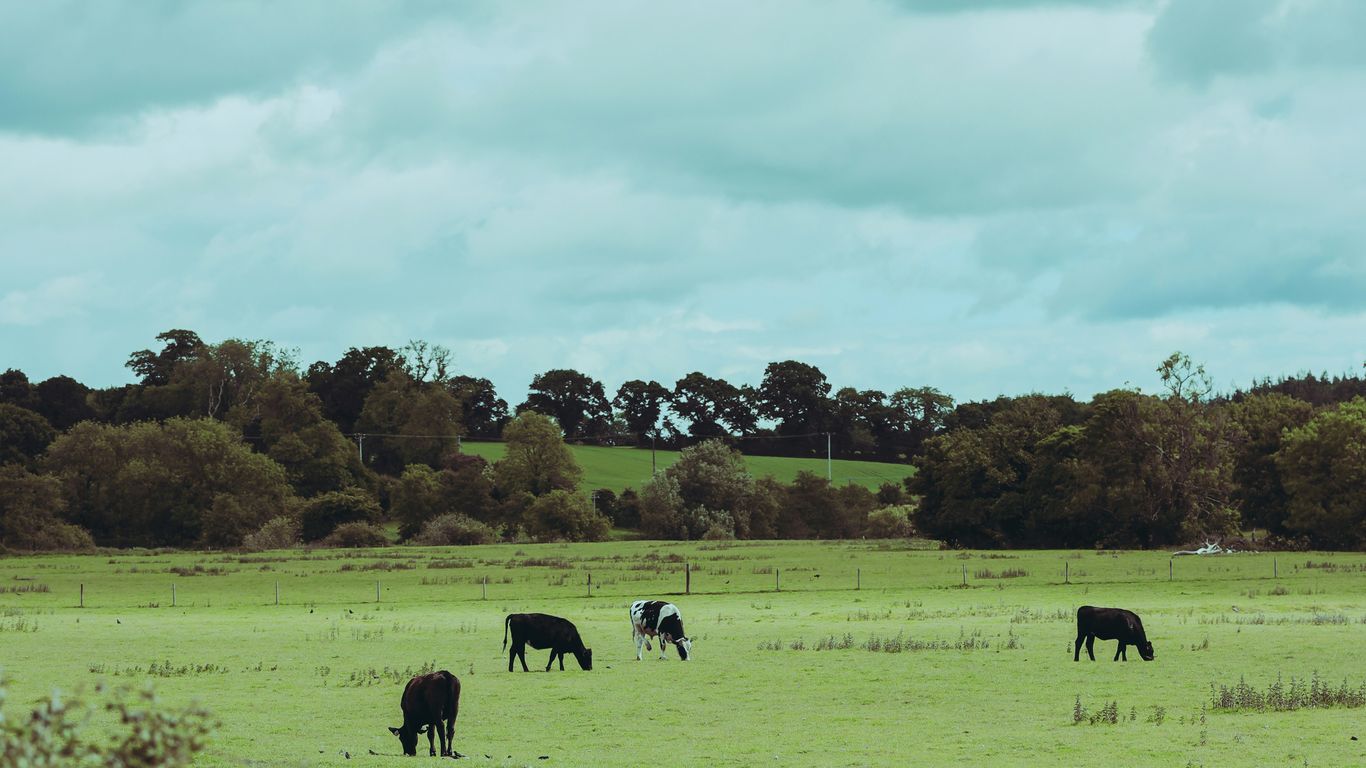
Think about it: farms used to be closed systems, right? Crops grew, animals ate the leftovers or grazed, and then their manure went back onto the fields. It just made sense. Bringing livestock back into the picture helps us do that again. Animals are really good at turning things we can’t eat – like crop residues or grass that’s not good for us – into something valuable, like meat or milk. This whole process means less waste on the farm. It’s about making the farm work like a natural ecosystem, where nothing is truly wasted.
Improving Soil Fertility with Animal Manure
This is where the magic really happens for your soil. Animal manure, whether it’s from cows, sheep, chickens, or even goats, is packed with nutrients. When you spread it on your fields, you’re basically giving your soil a superfood boost. This natural fertilizer helps plants grow stronger and healthier, reducing the need for synthetic stuff that can cost a lot and sometimes harm the soil in the long run. Plus, manure adds organic matter, which is like a sponge for water and helps improve the soil’s structure.
Here’s a quick look at what manure brings to the table:
- Nitrogen (N): Great for leafy growth.
- Phosphorus (P): Important for root development and flowering.
- Potassium (K): Helps with overall plant health and disease resistance.
- Micronutrients: All sorts of trace elements that plants need in small amounts.
Closing Nutrient Loops in Farming Systems
When crops and livestock work together, you create what we call a ‘closed-loop’ system. This means the nutrients that are grown in the crops can be fed to the animals, and then the nutrients in the animal waste are returned to the soil to grow more crops. It’s a continuous cycle. This approach cuts down on the need to buy expensive fertilizers from outside the farm and also reduces the risk of nutrients washing away into rivers and streams, which is bad for the environment. It’s a smarter, more sustainable way to farm that benefits both your wallet and the planet.
Economic Resilience and Diversification in Livestock Crop Systems
Farming can be a bit of a rollercoaster, right? One year you have a great harvest, the next year, maybe not so much. That’s where mixing crops and livestock really shines. It’s like having a few different baskets for your eggs, so if one has a problem, you’ve still got others. This setup helps spread out the risks.
Reducing Financial Risk Through Integrated Operations
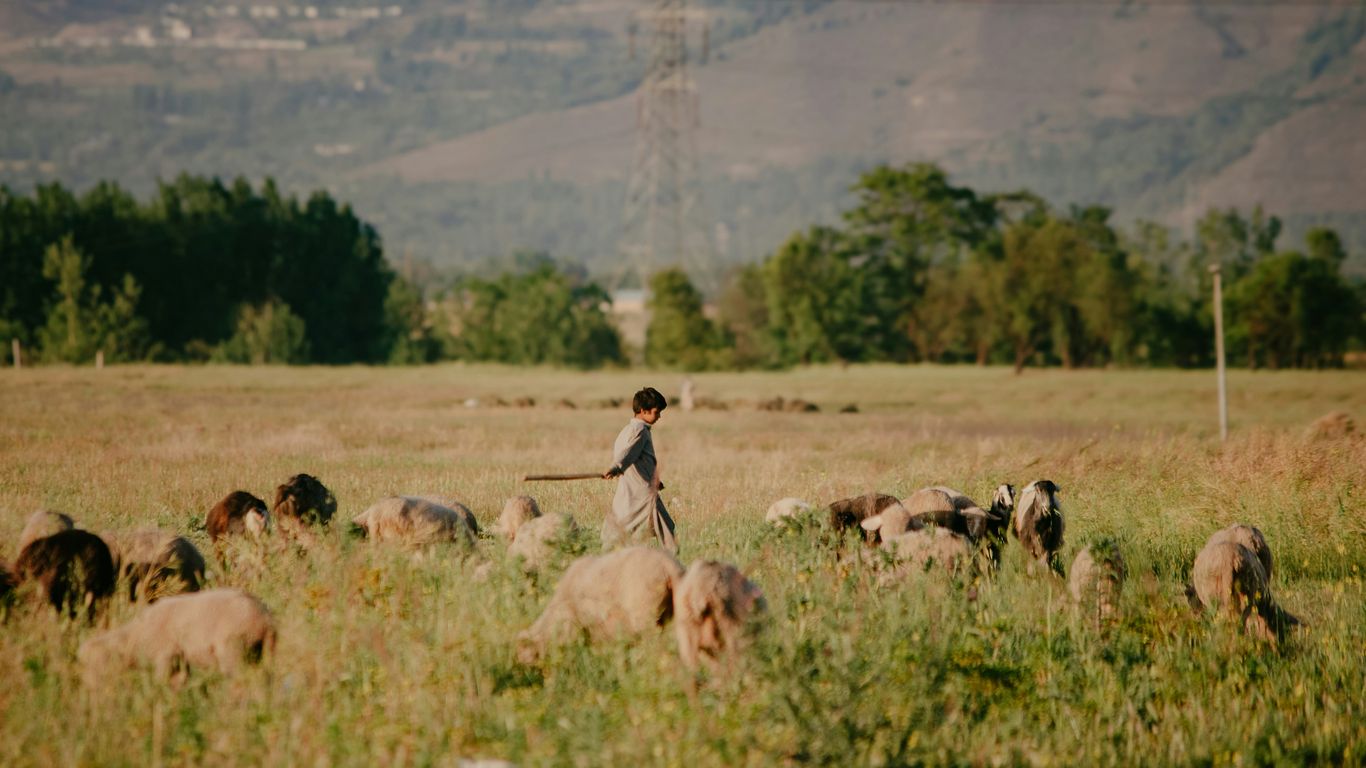
When you’re only growing one or two crops, a bad season or a sudden drop in market price can really hurt. But if you’ve also got animals, they can provide a steady income stream. Think about it: even if your corn doesn’t do well, your sheep might be bringing in consistent money from wool or meat sales. This diversification means you’re not putting all your financial eggs in one basket. It makes the whole farm more stable when things get tough.
Boosting Farm Income with Multiple Enterprises
It’s not just about avoiding losses; it’s also about making more money overall. By integrating livestock, you can use crop byproducts that might otherwise go to waste. For example, straw from grain crops can be used for animal bedding or feed. Animals, in turn, produce manure, which is a fantastic natural fertilizer for your crops. This creates a more circular system where resources are used more efficiently, leading to potentially higher profits from both crop and animal sales.
Achieving Greater Yield Efficiency
This integration can actually make your land and resources work harder. Animals grazing on cover crops or crop residues can help manage those plants and add nutrients back into the soil. This can lead to better soil health over time, which means healthier crops and potentially higher yields in the long run. It’s a bit like a well-oiled machine where each part helps the others perform better. For instance, a system might look something like this:
| Component | Benefit |
|---|---|
| Crop Residues | Feed/Bedding for Livestock |
| Livestock Manure | Natural Fertilizer for Crops |
| Cover Crops | Soil Health, Weed Suppression, Livestock Feed |
| Grazing Animals | Weed Control, Nutrient Distribution |
Ultimately, combining crops and livestock creates a more robust and less volatile farm business. It’s a smart way to build a farm that can handle ups and downs better.
Ecological Benefits of Combining Crops and Livestock
Bringing crops and livestock together on the same farm isn’t just an old-fashioned idea; it actually makes a lot of sense for the environment. Think about it: instead of sending farm waste off somewhere else, animals can eat crop residues or graze on fields that aren’t being used for cash crops. This turns things that would otherwise be waste into valuable products like meat, milk, or eggs. Plus, their manure is a natural fertilizer, which means less need for synthetic stuff that can harm the soil and water.
Interrupting Pest and Disease Cycles
One of the neatest things about mixing crops and animals is how it can mess with the life cycles of pests and diseases. When you have a field that’s just one crop year after year, it’s like rolling out the welcome mat for specific bugs and blights. But when you rotate crops and include livestock, you break that cycle. For example, letting animals graze on a field after harvest can eat weed seeds or disease spores. Or, planting a different crop the next season that pests don’t like can starve them out. It’s a natural way to keep populations in check.
Reducing Off-Farm Environmental Impacts
Farms that are just one thing, like only growing crops or only raising animals, often have to rely on outside resources. Crop farms might need lots of synthetic fertilizers and pesticides, which can run off into rivers and lakes. Livestock operations, if not managed well, can produce a lot of waste that pollutes the environment. When you integrate them, you start to close those loops. Animal manure gets put back on the fields, cutting down on fertilizer needs. Crop byproducts feed the animals. This creates a more self-contained system that puts less strain on the surrounding environment.
Enhancing Biodiversity on the Farm
Having both crops and livestock around can really liven things up, ecologically speaking. Different types of pastures, cover crops, and the presence of animals create varied habitats. This attracts a wider range of beneficial insects, birds, and other wildlife. For instance, hedgerows or buffer strips planted around fields can provide shelter and food for pollinators and predators of pests. Even the different stages of crop growth and the presence of grazing animals offer a mosaic of environments that support more life on the farm, making the whole system more robust.
Sustainable Livestock Crop Management Practices
When we talk about making farms work better together, managing crops and livestock in a smart way is key. It’s not just about throwing animals into a field with some plants; it’s about a thoughtful approach that benefits both. Getting these two parts of the farm to work in sync is where the real magic happens for sustainability.
Strategic Crop Rotation and Forage Management
Think of crop rotation like giving your soil a break and a chance to reset. Instead of planting the same thing year after year, you switch it up. This helps keep pests and diseases from getting too comfortable and builds up different nutrients in the soil. Forage management is all about the grasses and other plants that livestock eat. When you integrate these forages into your rotation, you’re not only feeding your animals but also improving the soil. Sometimes, farmers will use these forages as cover crops, which protect the soil when it’s not being used for main crops. The idea is to have a plan for what grows when, and how it helps the soil and the animals.
Optimizing Stocking Rates and Grazing
This is about making sure you have the right number of animals for the amount of land you have. Too many animals, and they can overgraze, damaging the pasture and compacting the soil. Too few, and you’re not making the most of the land’s potential. Smart grazing means moving animals around in a planned way. This lets the plants recover and grow back stronger. It also helps spread manure more evenly across the fields, which is great for soil fertility. It’s a balancing act, really, making sure the animals get enough to eat without wrecking the place they’re eating from.
Integrating Cover Crops for Soil Health
Cover crops are like a blanket for your soil when it’s not growing a main crop. You plant things like clover, vetch, or rye, not to harvest, but to protect the soil from erosion, suppress weeds, and add organic matter. When you integrate livestock, these cover crops can become a valuable food source. Animals can graze on them, or the cover crops can be harvested and fed to animals kept elsewhere. Either way, the nutrients from the cover crops, and eventually the manure from the animals that eat them, get cycled back into the soil. This whole process builds healthier soil, which means better crops down the line and less need for outside fertilizers.
Climate Change Adaptation and Mitigation with Livestock Crop Integration
Farming is definitely feeling the heat from climate change, right? We’re seeing more droughts, crazy storms, and just unpredictable weather that messes with our crops. But here’s the thing: our farming practices, especially how we handle greenhouse gases, play a big role in this whole climate situation. Integrating livestock back into our crop systems isn’t just some old-fashioned idea; it’s actually a smart way to make our farms tougher against these climate shifts and help dial down our environmental footprint.
Improving Stability Against Extreme Weather
When you’ve got a mix of crops and livestock, your farm tends to be a lot more resilient. Think about it – if one part of your operation struggles due to, say, a drought, the other parts might still be okay. This diversification means you’re not putting all your eggs in one basket. Studies have shown that these integrated systems can handle extreme weather events much better than farms that focus on just one thing. They tend to have more steady yields year after year, which is a huge relief when the weather’s being wild.
Reducing Greenhouse Gas Emissions
Farming contributes to greenhouse gas emissions, no doubt about it. But when you bring livestock and crops together in a smart way, you can actually cut down on those emissions. This happens in a few ways. For starters, you can recycle nutrients better, meaning you might need less synthetic fertilizer, which has a big carbon footprint. Also, practices like rotational grazing can improve soil health, and healthy soil stores more carbon. Some research even suggests that well-managed integrated systems can result in negative emissions, which sounds pretty amazing.
Enhancing Soil Carbon Sequestration
Our soils are like giant sponges for carbon, and we want to keep them that way. Integrating livestock can really help boost how much carbon our soil can hold. When animals graze on cover crops or crop residues, their manure adds organic matter back into the soil. This organic matter is key for building soil structure, improving water retention, and, importantly, locking away carbon. Over time, this process can turn agricultural land into a carbon sink, which is a win-win for the farm and the planet.
Designing Effective Livestock Crop Integration Models
So, you’ve got crops, and you’ve got livestock, and you’re thinking about bringing them together. It sounds simple enough, right? But making it work well, really work, takes some thought. It’s not just about throwing a few cows in a field next to your corn. We need to design these systems so everything benefits, from the soil to your wallet.
Whole-Farm Approach to Pest Management
Think about how crops and animals can help each other out with pests. Instead of just spraying chemicals, we can use the animals. For example, letting chickens roam a field after harvest can help clean up leftover grains and bugs. Or, rotating crops with pastures means pests that like one crop might not find a home when the next crop comes in, and the livestock can help manage weeds too. This kind of thinking means looking at your whole farm, not just one field or one animal, to figure out pest control.
Tailoring Systems for Semi-Arid Tropics
Farming in dry areas is tough. Water is scarce, and the land can get beat up easily. When you’re integrating crops and livestock here, you have to be smart. Maybe you use drought-tolerant grasses for grazing that also help hold the soil together. The manure from the animals can add much-needed nutrients back into the soil, reducing the need for expensive fertilizers that might just wash away. It’s all about making the most of what you have and working with the environment, not against it.
Incorporating Horticulture and Poultry
Don’t forget about smaller operations! Adding things like a kitchen garden or a small flock of chickens can make a big difference. The scraps from the garden can feed the chickens, and their manure is great for fertilizing the garden or other crops. This adds variety to your farm’s output and income. It’s about finding those little connections that make the whole system stronger and more productive. You might even find that a small plot of vegetables alongside your main crops, with chickens helping manage pests in both, makes a lot of sense.
Wrapping It Up
So, bringing crops and livestock back together on the farm isn’t just some old-fashioned idea; it’s actually a smart move for the future. We’ve seen how mixing things up can help the soil, cut down on waste, and even make the farm more resilient when the weather gets rough. Plus, it can lead to more stable income for farmers and healthier food for us. It’s not always the easiest path, and it takes some planning, but the benefits for both the land and the people working it are pretty clear. It’s about making farming work better for everyone, long-term.
Frequently Asked Questions
What is livestock-crop integration?
It’s like having plants and farm animals work together on the same farm. Instead of growing crops and raising animals separately, they are combined. This way, they can help each other out, making the farm run smoother and be better for the environment.
How does mixing crops and animals help the soil?
Animals give us manure, which is like superfood for the soil! When we spread manure on the fields, it adds important nutrients that help crops grow better. It’s a natural way to make the soil healthy without using as many artificial fertilizers.
Can this farming method save farmers money?
Yes, it can! By using resources like animal waste and crop leftovers, farms can reuse things instead of buying new ones. Also, having both crops and animals means farmers have more than one way to earn money, which is safer if one part of the farm has a bad year.
Does combining crops and animals help with pests or diseases?
It sure does! When animals graze on fields or when different crops are grown in rotation, it can break the life cycles of bugs and diseases that like to harm crops. This means fewer problems for the plants and less need for bug sprays.
How does this help with climate change?
Farms that mix crops and animals can be tougher against weird weather, like floods or droughts. Also, healthy soil from using manure can store more carbon from the air, and the whole system can produce fewer harmful gases that warm up the planet.
What are some good ways to combine crops and animals?
Good ways include rotating crops and letting animals graze on them at the right times, making sure not to have too many animals for the land available, and planting cover crops that help the soil. Sometimes, farmers also add things like poultry or small gardens to the mix.