
Running a healthcare facility these days is tough. There’s always pressure to do more with less, and keeping up with technology can feel like a full-time job on its own. That’s where healthcare managed IT services come in. Think of them as your IT department’s best friend, helping to smooth out all the technical bumps so you can focus on what really matters: taking care of patients. We’ll look at how these services can really make a difference, from the front desk to the back office.
Key Takeaways
- Healthcare managed IT services help streamline how patients are admitted and discharged, making things faster and smoother for everyone.
- These services can automate a lot of the daily paperwork and tasks, freeing up staff time to focus more on patient needs.
- Keeping patient data safe and following all the rules is a big deal, and managed IT services provide the tools and watchfulness to help with that.
- By making sure all the different computer systems and equipment talk to each other, managed IT services help different parts of the hospital work together better.
- Using healthcare managed IT services can lead to better patient outcomes and make sure your technology investments are working hard for you.
Enhancing Patient Care Through Optimized IT Processes
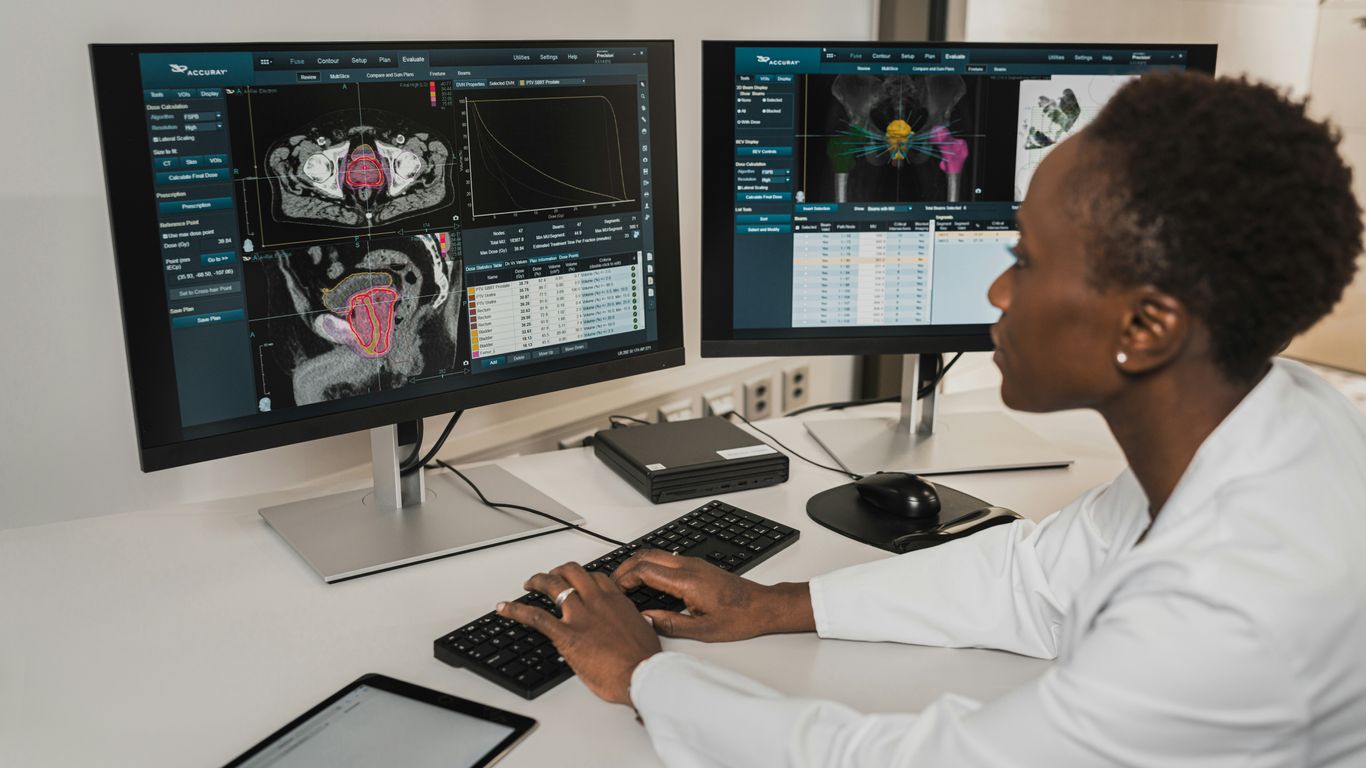
Think about how much smoother things run when the IT behind the scenes is actually working well. In healthcare, this isn’t just about convenience; it’s directly tied to how patients are treated. When IT processes are clunky or slow, it creates bottlenecks that can affect everything from a patient’s first interaction to their final discharge.
Streamlining Patient Admission and Discharge
Getting admitted to a hospital or clinic can be stressful enough. If the systems for registration are slow or prone to errors, it adds to that stress. Managed IT services can really help here by automating parts of the admission process. This means less waiting around for paperwork and more time for the medical team to focus on the patient’s needs right from the start. Similarly, when it’s time to go home, efficient discharge processes, supported by good IT, mean patients get the right instructions and follow-up care without delays. It’s about making these transitions as easy as possible.
Improving Incident Management and Service Requests
When something goes wrong with IT – maybe a system is down or a piece of equipment isn’t communicating – it needs to be fixed fast. In a hospital, a slow response can mean delays in patient care or even affect critical procedures. Managed IT services bring structure to how these problems are reported and solved. They set up clear ways for staff to request help and make sure those requests are prioritized and handled efficiently. This means fewer disruptions and a more reliable environment for everyone.
Facilitating Knowledge Management for Staff
Healthcare professionals need access to information, and they need it quickly. Whether it’s patient history, treatment protocols, or the latest research, having a well-organized system is key. Managed IT services can help create and maintain knowledge bases that are easy for staff to search and use. This means doctors and nurses can find the information they need to make informed decisions, leading to better patient care. It also helps new staff get up to speed faster by providing them with readily available resources.
Boosting Operational Efficiency with Healthcare Managed IT Services
Let’s face it, healthcare facilities are busy places. There’s always something happening, and keeping everything running smoothly can feel like a juggling act. That’s where managed IT services really shine, especially when it comes to making the day-to-day operations more efficient. They help take some of the load off, so your staff can focus on what really matters – the patients.
Automating Routine Administrative Tasks
Think about all the little tasks that eat up valuable time. Things like scheduling appointments, sending out reminders, or even processing basic paperwork. Managed IT services can step in and automate a lot of this. It’s not about replacing people, but about freeing them up. When a system can handle appointment confirmations or send out post-visit follow-ups automatically, your front desk staff have more time to deal with patients who are actually there, or handle more complex issues that need a human touch. This also cuts down on errors that can happen when people are rushed or doing repetitive work.
Optimizing Medical Equipment Inventory Management
Keeping track of medical equipment and supplies is a big job. You need to know what you have, where it is, and when it needs to be restocked or serviced. Managed IT can set up systems that give you real-time visibility into your inventory. This means fewer surprise shortages of critical supplies and less money tied up in excess stock. Plus, by tracking equipment usage and maintenance schedules, you can prevent costly breakdowns and ensure devices are always ready when needed. It’s about making sure the right tools are available at the right time, without a lot of guesswork.
Leveraging Automation and AI for Workflow Enhancement
Beyond just simple task automation, managed IT services can bring in more advanced tools like Artificial Intelligence (AI) to really smooth out workflows. Imagine AI helping to sort and prioritize incoming service requests, or even analyzing patient flow data to identify bottlenecks in real-time. This kind of smart automation can make a huge difference. It helps in:
- Predicting potential equipment failures before they happen.
- Streamlining the process of patient data entry and retrieval.
- Identifying patterns that can lead to better resource allocation.
By using these technologies, healthcare providers can operate more smoothly, reduce waste, and ultimately provide better care because the systems are working smarter, not just harder.
Ensuring Data Security and Regulatory Compliance
Keeping patient information safe and following all the rules is a big deal in healthcare. It’s not just about being a good provider; it’s a legal requirement. When you’re dealing with sensitive health records, the stakes are incredibly high. A data breach can mean serious trouble, not just for the patients whose privacy is violated, but for the healthcare organization itself. That’s where managed IT services really step in to help.
Protecting Sensitive Patient Data with Advanced Protocols
Think about all the information a hospital or clinic handles daily: medical histories, test results, personal contact details, insurance information. It’s a goldmine for cybercriminals. Managed IT services bring in specialized tools and knowledge to build strong defenses. This includes things like:
- Encryption: Scrambling data so that even if someone gets their hands on it, they can’t read it without the right key. This applies to data both when it’s being stored and when it’s being sent from one place to another.
- Access Controls: Making sure only the right people can see specific information. This means setting up different levels of access based on job roles, so a receptionist doesn’t have access to a surgeon’s detailed notes, for example.
- Regular Audits: Constantly checking who is accessing what data and when. This helps catch any unusual activity right away.
These advanced protocols are the first line of defense against unauthorized access.
Proactive Monitoring for Vulnerability Detection
It’s not enough to just put up defenses; you have to keep an eye on them and look for weaknesses before they become problems. Managed IT services do this by constantly watching your IT systems. They use sophisticated software to scan for potential threats, like outdated software that might have security holes or suspicious network traffic. It’s like having a security guard who’s always patrolling the perimeter, not just sitting at the front desk. This proactive approach means that many issues can be fixed before they ever impact patient care or data integrity. They’re looking for things like:
- Unusual login attempts from strange locations.
- Software that hasn’t been updated in a while.
- Sudden spikes in data leaving the network.
Maintaining Compliance with Evolving Healthcare Regulations
The rules for handling health data, like HIPAA in the US, are always changing. Keeping up with these regulations can be a full-time job on its own. Managed IT services have teams dedicated to staying on top of these changes. They help make sure that your systems and processes are always aligned with the latest requirements. This can involve:
- Documenting everything: Making sure all security measures and data handling procedures are properly recorded for audits.
- Training staff: Helping your employees understand their role in data security and compliance.
- Adapting systems: Updating software and hardware as needed to meet new standards.
By partnering with a managed IT service, healthcare organizations can feel more confident that they are not only protecting their patients’ sensitive information but also staying on the right side of the law, which is a win-win for everyone involved.
Supporting a Complex Healthcare Ecosystem
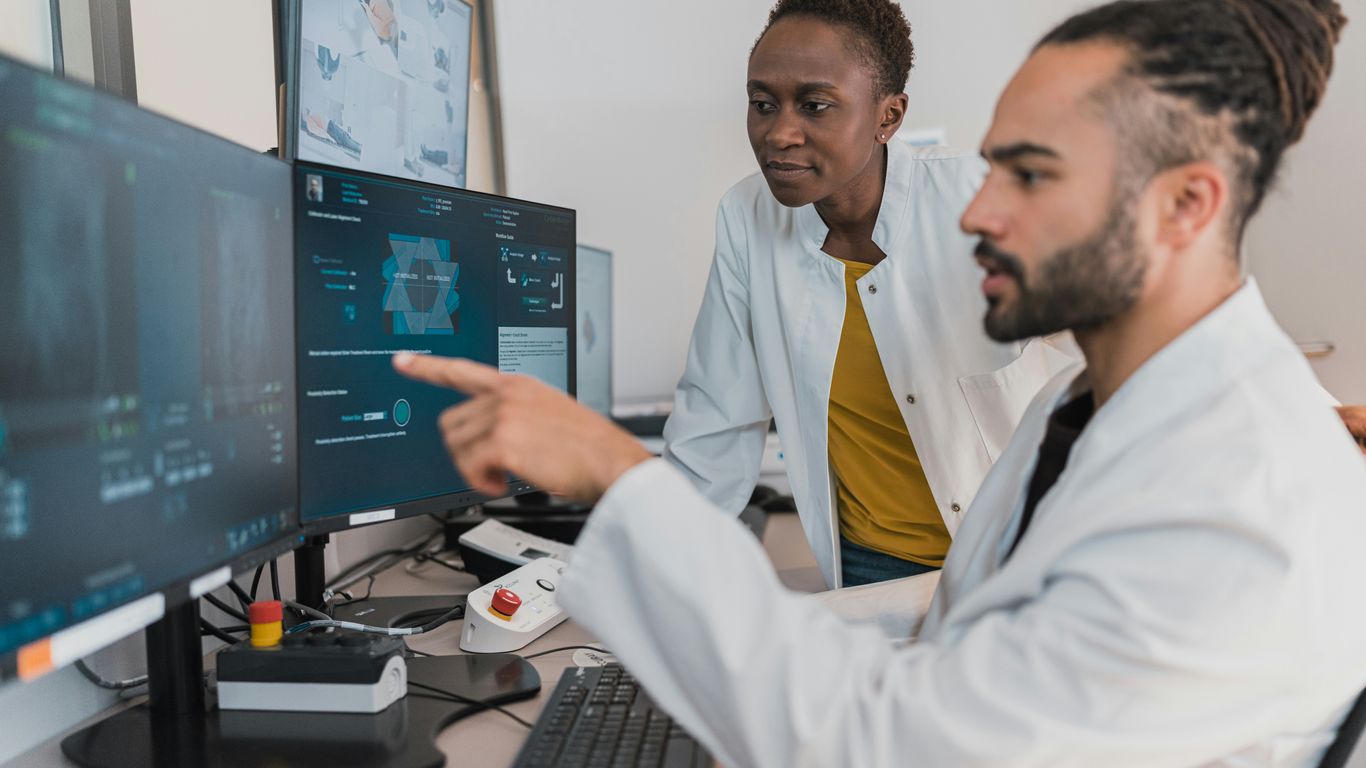
Healthcare today isn’t just one big system; it’s more like a whole bunch of different systems trying to work together. Think about it – you’ve got your main Electronic Health Record (EHR) system, which is like the central filing cabinet for patient info. But then there are all these other specialized programs for things like X-rays (RIS), lab results (LIS), or even specific departments like cardiology. When these systems don’t talk to each other properly, it creates a real mess.
This complexity often comes from how healthcare organizations grow. Maybe two hospitals merged, and now they have different software for the same job. Or perhaps doctors over the years just picked their favorite tools, leading to a jumble of applications. It’s like trying to build a house with tools from a dozen different toolboxes – some might be duplicates, and some might not fit together.
Integrating Multiple Healthcare Entities with Unified Platforms
Trying to get all these different software programs to communicate is a big job. Managed IT services can help by setting up ways for these systems to share information smoothly. This means a doctor in one department can see information from another department without having to hunt for it.
- Connecting the Dots: They work on making sure your EHR talks to your pharmacy system, your imaging software, and any other critical applications. This stops information from getting lost or duplicated.
- Standardizing Data: They help put in place common ways for data to be shared, so everyone is looking at the same, accurate information.
- Planning for Growth: As your organization adds new services or facilities, these services help make sure new systems can be added without causing more headaches.
Improving Coordination Across Different Facilities
When you have multiple clinics or hospitals under one umbrella, keeping everyone on the same page is tough. Managed IT can create a more connected environment.
- Centralized Access: Staff can access patient records and other necessary information from any location, as long as they have the right permissions.
- Shared Resources: It makes it easier to share specialized equipment or staff expertise across different sites.
- Consistent Workflows: By standardizing IT processes, you can make sure that patient care follows the same high standards, no matter which facility they visit.
Delivering Consistent, High-Quality Patient Care
Ultimately, all this IT juggling is about one thing: better patient care. When the technology works well, doctors and nurses have the information they need, when they need it. This means fewer mistakes, faster diagnoses, and more time spent actually caring for patients instead of wrestling with computers.
- Reduced Errors: Accurate and accessible patient data minimizes the risk of medical errors.
- Faster Treatment: Quick access to test results and patient history speeds up diagnosis and treatment planning.
- Better Patient Experience: Patients benefit from smoother check-ins, quicker service, and the confidence that their care team has all the necessary information.
The Strategic Advantage of Managed IT in Healthcare
So, what’s the big deal with managed IT services in healthcare? It’s not just about keeping the computers running, though that’s part of it. It’s about making the whole system work better, so doctors and nurses can focus on what they do best: taking care of people. Managed IT acts as the backbone, quietly supporting everything from patient records to appointment scheduling.
Think about it. Healthcare is complicated. You’ve got different departments, different buildings, and sometimes even different organizations all trying to work together. Managed IT helps tie all those loose ends together. They can set up systems so that when a patient moves from the ER to a regular room, their information follows them without a hitch. It’s about making sure everyone has the right information at the right time.
Here are a few ways managed IT really makes a difference:
- Smoother Operations: Routine tasks, like updating software or managing user accounts, get handled without you even noticing. This frees up your internal IT staff for bigger issues.
- Better Resource Use: They help keep track of all your medical equipment and software licenses. This means less waste and more money saved. You can get a clearer picture of what you have and what you actually need.
- Staying Ahead of Problems: Instead of waiting for something to break, managed IT teams are constantly watching for potential issues. They can often fix things before they even become a problem for patients or staff.
It’s like having a dedicated team that understands the unique pressures of the healthcare world. They can help you get more out of your existing technology and plan for the future. This kind of support is really important for health system leaders looking to improve how things run and make sure patients get the best care possible. It’s about building a more reliable and efficient healthcare environment for everyone involved.
Looking Ahead
So, it’s pretty clear that keeping healthcare running smoothly means IT has to be top-notch. Managed IT services aren’t just a nice-to-have anymore; they’re really what helps hospitals and clinics focus on what matters most – the patients. By taking care of the tech side of things, these services help make sure everything from patient records to appointment scheduling works without a hitch. This means less stress for the staff and better care for everyone. As technology keeps changing, leaning on IT experts is the smart move for any healthcare provider wanting to stay efficient and keep patients happy.
Frequently Asked Questions
What are the main benefits of using managed IT services in healthcare?
Managed IT services help healthcare providers give better patient care and run their operations more smoothly. They also make sure patient information is kept safe and that the organization follows all the rules. This means better service for patients and a more efficient workplace.
How do managed IT services make it easier to admit and discharge patients?
These services can automate parts of the admission and discharge process, like checking patient information. This helps cut down on wait times and makes sure rooms are ready faster. It means patients get the care they need more quickly.
Can managed IT services help with managing medical supplies?
Yes, they can keep a close eye on medical supplies. This helps make sure the right items are always in stock and that the organization doesn’t run out of important things. It also helps in ordering new supplies more efficiently.
What role does automation and AI play in healthcare IT?
Automation and AI can speed up many tasks, like analyzing patient information and answering common questions. They also help fix problems faster. This lets doctors and nurses spend more time focusing on patients instead of paperwork.
How do managed IT services protect patient data and privacy?
They use strong security measures to guard sensitive patient information. They also watch for any potential threats and help fix them quickly. This keeps patient data safe and follows all the important privacy rules.
How do managed IT services help different parts of a hospital work together?
Managed IT services can connect different computer systems and departments. This makes it easier for everyone to share information and work together smoothly. It helps ensure that patients receive consistent, high-quality care no matter where they are in the hospital.