

Keeping a healthcare facility running smoothly means more than just top-notch doctors and nurses. The technology behind the scenes plays a huge part, too. Think about it: patient records, appointment scheduling, even critical medical equipment all rely on IT. When that tech falters, patient care can suffer. That’s where managed IT services for healthcare come in. They’re like the behind-the-scenes crew that makes sure everything digital works right, so your medical staff can focus on what they do best – taking care of people.
Key Takeaways
- Managed IT services for healthcare help keep your IT systems running well, secure, and following the rules, so your team can focus on patients.
- These services boost efficiency by handling routine IT tasks, letting doctors and nurses spend more time with patients.
- Data security is a big deal in healthcare. Managed IT helps protect sensitive patient info and meet rules like HIPAA.
- Outsourcing IT can be more cost-effective and flexible than trying to manage it all in-house, especially as your needs change.
- Partnering with a good managed IT provider means getting access to special skills and new tech without the big upfront cost.
Enhancing Patient Care Through Optimized IT Infrastructure
Think about it: the whole point of a doctor’s office or a hospital is to help people get better, right? And these days, almost everything runs on computers and networks. If those systems aren’t working right, it can really slow things down, and nobody wants that when they’re not feeling well. That’s where making sure your IT stuff is in good shape comes in. It’s not just about having computers; it’s about having them work together smoothly so doctors and nurses can do their jobs without IT headaches.
Streamlining Healthcare Operations with Managed IT
When your IT systems are running well, everything just flows better. Imagine less time spent waiting for records to load or systems to boot up. Managed IT services help make this happen by keeping an eye on your technology all the time. They handle the day-to-day stuff so your staff doesn’t have to worry about it. This means more time for actual patient interaction and less time wrestling with printers or software glitches.
- Keeping systems up and running: Regular checks and updates prevent unexpected downtime.
- Making sure software works: Ensuring that applications, like your Electronic Health Records (EHRs), are always accessible and functioning correctly.
- Handling network issues: Fixing slow connections or Wi-Fi problems that can disrupt workflow.
The Digital Transformation of Healthcare Delivery
Healthcare has changed a lot. We’ve moved from stacks of paper files to digital records, which is a huge step. Having all patient information in one place, like through Electronic Health Records, means doctors have a clearer picture of a patient’s health history. This digital shift is great, but it needs a solid IT foundation to work. Managed IT services are the backbone that supports this digital transformation, making sure the technology is reliable and secure.
Empowering Providers with Reliable Technology
Doctors and nurses need tools they can count on. When technology fails, it’s not just an inconvenience; it can impact patient care. Managed IT services provide the stable and secure technology environment that healthcare professionals need. This reliability means they can focus on diagnosing, treating, and caring for patients without worrying if their computer will freeze or if they can access critical patient data when they need it most. Reliable technology directly translates to better patient outcomes.
Fortifying Healthcare Data Security and Compliance
Keeping patient information safe and sound is a huge deal, right? It’s not just about good practice; there are actual rules, like HIPAA, that healthcare providers have to follow. Breaking these rules can lead to some serious trouble, like big fines and a damaged reputation. Managed IT services really step in here to help make sure everything is buttoned up.
Safeguarding Sensitive Patient Information
Think about all the personal details doctors and hospitals have. It’s a goldmine for bad actors. Cybersecurity threats are always popping up, and healthcare places are often targets because that data is so valuable. Managed IT teams use all sorts of tools – like encryption and firewalls – to build a strong defense. They’re constantly watching for new dangers, helping to keep patient data out of the wrong hands. This helps maintain trust, which is, you know, pretty important in healthcare.
Ensuring HIPAA Compliance with Expert Support
Navigating the ins and outs of HIPAA can be a headache. Managed IT providers know these regulations inside and out. They help put the right systems in place and keep them updated so you’re not accidentally falling out of compliance. Regular checks and audits are part of the deal, too. This proactive approach means you’re less likely to face penalties for non-compliance and can focus more on patient care. They can help your organization meet stringent HIPAA regulations and protect sensitive patient records.
Proactive Cybersecurity Measures for Healthcare
It’s not just about reacting when something goes wrong; it’s about stopping it before it starts. Managed IT services often include 24/7 network monitoring. This means someone is always keeping an eye on your systems, day and night, all year round. If a problem starts to brew, they can often catch it and fix it before it becomes a major issue. This constant vigilance is key for:
- Keeping patient care running smoothly without interruptions.
- Making sure medical information is easy to access for those who need it.
- Allowing staff to work together securely, even when they’re not in the same room.
- Protecting against ransomware and other nasty cyberattacks that could shut everything down.
Boosting Operational Efficiency with Managed IT Services
Let’s be honest, running a healthcare facility means juggling a million things at once. The last thing anyone needs is for the IT systems to be a constant headache. That’s where managed IT services really step in to make life easier. They’re not just about fixing computers when they break; they’re about making sure everything runs smoothly behind the scenes so your staff can focus on what truly matters – patient care.
Automating Routine Tasks for Staff Focus
Think about all the repetitive, time-consuming tasks that eat up your staff’s day. Managed IT can take a lot of that off their plates. We’re talking about things like software updates, system backups, and even initial troubleshooting for common IT issues. By automating these processes, your nurses, doctors, and administrative staff get more time back. This means less time wrestling with technology and more time interacting with patients, which, let’s face it, is the whole point of healthcare. It’s about freeing up valuable human resources to do what they do best.
Improving Communication and Collaboration Tools
In healthcare, clear and quick communication is non-negotiable. Managed IT services can help implement and maintain robust communication platforms. This could be anything from secure messaging systems for doctors to better video conferencing tools for telehealth appointments or team meetings. When your communication tools work well, information flows better, decisions are made faster, and patient care coordination improves significantly. It helps break down silos between departments and ensures everyone is on the same page, reducing errors and delays. A well-connected team is a more effective team.
Leveraging Real-Time Data for Informed Decisions
Data is king in modern healthcare, but only if you can access and use it effectively. Managed IT partners can help set up systems that collect and analyze data in real-time. This isn’t just about crunching numbers; it’s about getting actionable insights. Imagine being able to see patient flow in real-time, identify bottlenecks in your operations, or track key performance indicators without waiting for end-of-month reports. This kind of immediate visibility allows for quick adjustments and strategic planning, leading to better resource allocation and improved patient outcomes. It’s about making smarter decisions, faster, based on what’s actually happening in your facility right now. This proactive approach to IT management is key to streamlining healthcare operations.
The Financial Advantages of Managed IT for Healthcare
Let’s talk about the money side of things. Running a healthcare facility means keeping a close eye on the budget, and sometimes, the IT stuff can really eat into that. That’s where managed IT services come in, offering a way to get top-notch tech support without breaking the bank.
Achieving Cost-Effectiveness Through Outsourcing
Think about it: hiring a full-time IT department with all the specialized skills needed for healthcare can get expensive. You’ve got salaries, benefits, ongoing training, and the constant need to keep up with new technology. When you outsource to a managed IT provider, you’re essentially paying for what you need, when you need it. It’s like having a whole IT team on call, but without the overhead. Many healthcare organizations find they can save a good chunk of money this way, sometimes up to 30%, freeing up funds that can go straight back into patient care or other critical areas. This shift allows resources to be redirected towards improving patient outcomes and facility upgrades.
Scalable IT Solutions for Dynamic Needs
Healthcare isn’t static, right? Patient loads change, new services are introduced, and technology keeps evolving. An in-house IT team might struggle to keep up with sudden demands or expansions. Managed IT services are built for this. They can easily scale up or down based on your facility’s current needs. Need more support during a busy season or when rolling out a new system? No problem. Expanding to a new location? They’ve got you covered. This flexibility means you’re not overpaying for resources you don’t always need, but you always have access to what you do.
Predictable Expenses for Budgetary Stability
One of the biggest headaches with IT is unexpected costs. A server crashes, a security breach happens – these can lead to massive, unplanned expenses. Managed IT services typically operate on a predictable monthly fee. This makes budgeting much simpler and more stable. You know what your IT costs will be each month, allowing for better financial planning and reducing the stress of potential IT emergencies. It’s a much more stable way to manage your technology budget.
Strategic Partnership: Managed IT vs. In-House Teams
When it comes to keeping your healthcare organization’s technology running smoothly, you’ve got a couple of main paths to consider: building your own IT department or bringing in outside help. It’s a big decision, and honestly, there’s no single right answer for everyone. Both approaches have their own set of pros and cons, and what works best really depends on what your specific clinic or hospital needs.
Accessing Specialized Expertise and Advanced Technology
One of the biggest draws of managed IT services is the access you get to a whole team of specialists. Think about it – these companies live and breathe IT. They’ve got people who are experts in cybersecurity, cloud computing, network infrastructure, and all sorts of other techy stuff. It’s tough for a single in-house team to keep up with every single new development, especially when they’re also dealing with day-to-day issues. Managed service providers, on the other hand, are constantly training and staying on top of the latest tools and threats. This means you’re likely getting access to more advanced technology and a deeper well of knowledge than you might be able to afford or manage internally. For instance, staying compliant with regulations like HIPAA requires a specific kind of technical know-how that a good managed IT partner can provide. They often have robust security measures already in place, which can significantly improve your organization’s security posture. Studies show that many healthcare organizations report better security after implementing managed IT services.
Comparing Resource Allocation and Support Availability
Let’s talk about resources. Running an in-house IT department means hiring staff, buying equipment, paying for training, and dealing with all the overhead that comes with it. It can get expensive fast, and sometimes you might find yourself with too many hands on deck or, more often, not enough. Managed IT services can offer a more predictable cost structure. You’re essentially paying for a service, and it’s often more scalable. Need more support during a busy period? Your managed provider can usually scale up. Need less? You can often scale down. Plus, many managed IT providers offer 24/7 support, which is a huge deal in healthcare where issues can pop up at any hour. An in-house team might only be available during business hours, leaving you vulnerable overnight or on weekends. This constant availability is a key reason why many organizations look into managed IT services.
Tailored Solutions for Unique Healthcare Challenges
While managed IT services bring broad expertise, an in-house team might seem like they offer more personalized attention because they’re right there. However, good managed service providers understand that healthcare isn’t one-size-fits-all. They work with you to understand your specific workflows, patient care goals, and compliance needs. They can develop tailored solutions that fit your unique situation. For example, if you’re looking to implement a new telemedicine platform or integrate AI for data analysis, a managed provider can help you navigate those complex projects. They can also help with critical areas like disaster recovery and business continuity planning, making sure your systems can bounce back quickly if something goes wrong. This structured approach limits data loss and protects your reputation. Ultimately, the goal is to find a partnership that supports your core mission: providing excellent patient care.
Innovating Healthcare Delivery with Managed Services
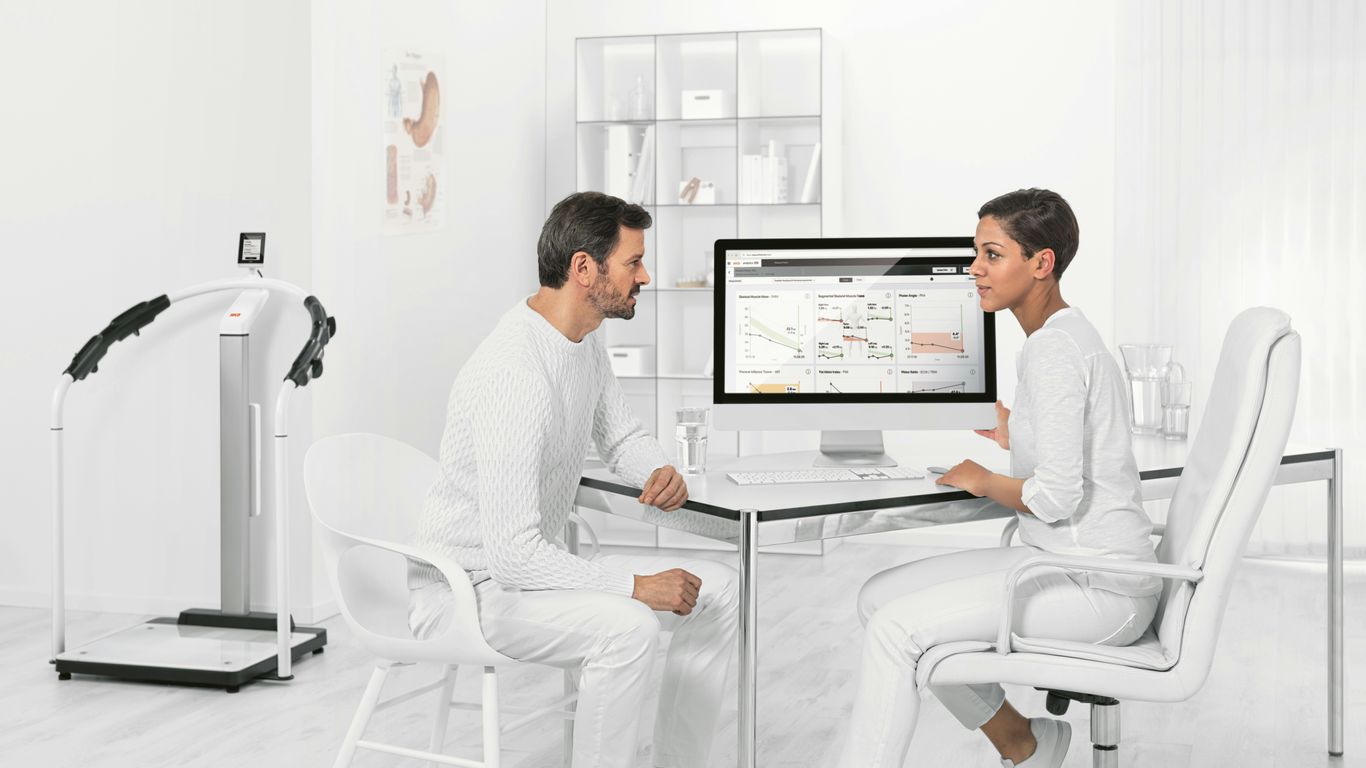
Healthcare isn’t standing still, and neither should its technology. Managed IT services are becoming a big deal for clinics and hospitals looking to stay ahead. Think about it: new ways to see patients, smarter ways to use data, and just generally better tech all around. This is where managed services really shine, helping healthcare providers adopt and use these new tools without getting bogged down in the technical details.
Supporting Telemedicine Platforms for Remote Care
Remember when seeing a doctor meant a trip to the office, no matter what? Telemedicine has changed that. Managed IT services are key to making these remote care options work smoothly. They help set up and maintain the video conferencing tools, secure patient portals, and make sure the connection is stable. This means patients can get care from home, which is a lifesaver for people who live far away or have trouble getting around. It’s not just about video calls; it’s about making sure patient records are accessible and secure no matter where the doctor or patient is.
- Reliable Video Conferencing: Ensuring clear, consistent calls for virtual appointments.
- Secure Patient Portals: Keeping patient information safe when they log in online.
- Data Synchronization: Making sure records update in real-time between in-person and remote visits.
- Device Management: Helping staff use tablets or laptops for telehealth effectively.
Integrating Artificial Intelligence and Data Analytics
We’re collecting more patient data than ever before. Managed IT services help make sense of it all. They can set up systems that use artificial intelligence (AI) and data analytics to find patterns. This isn’t about replacing doctors; it’s about giving them better information. For example, AI might flag a patient who’s at higher risk for a certain condition based on their history, allowing for earlier intervention. Data analytics can also show how well treatments are working across a whole group of patients, helping to improve care plans for everyone.
| Area of Improvement | Potential Impact |
|---|---|
| Early Disease Detection | Up to 20% faster identification of at-risk patients |
| Treatment Effectiveness | 15% improvement in patient outcomes through data-backed adjustments |
| Operational Bottlenecks | 10% reduction in wait times by analyzing patient flow |
Driving Growth Through Technological Advancement
Staying competitive means adopting new technologies. Managed IT services act as a partner in this process. They can help evaluate new software, integrate it with existing systems, and train staff. This could be anything from a new electronic health record (EHR) system that talks better with labs, to tools that help manage patient appointments more efficiently. By handling the IT heavy lifting, managed services allow healthcare organizations to focus on what they do best: caring for patients and growing their practice. This technological progress isn’t just about fancy gadgets; it’s about making healthcare more accessible, more effective, and more patient-centered.
Selecting the Right Managed IT Partner
So, you’ve decided that bringing in outside help for your IT needs makes sense. That’s a big step, and a good one, but picking the right company to partner with is super important. It’s not just about finding someone who knows computers; it’s about finding someone who gets healthcare.
Assessing Provider Expertise and Healthcare Specialization
First off, you really need to look at their background. Do they have a solid history working with other healthcare organizations? They should know the ins and outs of things like HIPAA, EHR systems, and all the other specific tech that keeps a medical practice running smoothly. It’s like hiring a specialist doctor – you want someone who knows your particular condition.
- Check for specific healthcare certifications or training.
- Ask for references from other medical clients.
- See if they understand common healthcare workflows.
Evaluating Flexibility and Proactive Support Capabilities
Things change fast in healthcare, and your IT needs will too. The company you choose needs to be able to grow with you and adapt. Are they just going to react when something breaks, or are they going to be watching things closely, spotting potential problems before they even happen? Proactive support is way better than just fixing things after they go wrong. You don’t want your systems down when a patient needs care.
| Service Area | Reactive Support | Proactive Support |
|---|---|---|
| Network Monitoring | Fixes outages | Predicts failures |
| Security Updates | Patches after | Prevents exploits |
| System Performance | Addresses slowdowns | Optimizes speed |
Ensuring Alignment with Organizational Goals
Finally, make sure they’re on the same page as you. What are your main goals? Is it better patient communication, more efficient record-keeping, or stronger data protection? Your IT partner should be able to show you how their services will help you hit those targets. It’s a partnership, after all, and you both need to be working towards the same outcomes. A good provider will feel like an extension of your own team, focused on helping you succeed.
Wrapping It Up
So, when you look at it all, managed IT services really are a big piece of the puzzle for healthcare today. Partnering with the right IT company means healthcare places can run smoother, patients can get better care, and all the tech headaches get handled. It just makes sense to let the pros manage the tech side of things so the doctors and nurses can focus on what they do best. As healthcare keeps using more tech, these services will only become more important. The places that use them smart will do well. Picking the right partner and working together makes a real difference in how good the care can be.
Frequently Asked Questions
What exactly are managed IT services for healthcare?
Think of managed IT services as having a team of tech experts who take care of all your clinic’s or hospital’s computer and network needs. They make sure everything runs smoothly, stays safe from hackers, and follows all the important rules, so doctors and nurses can focus on taking care of patients instead of worrying about technology problems.
How do these services help keep patient information safe?
Patient information is super important and needs to be protected. Managed IT services use special tools and constant watching to stop hackers from getting in. They also make sure the systems follow rules like HIPAA, which is all about keeping health records private and secure. It’s like having a digital bodyguard for all that sensitive data.
Can managed IT services really save a healthcare place money?
Yes, they often can! Instead of hiring a whole IT department, which can be very expensive, you pay a set amount for expert help. This makes costs more predictable, like knowing your monthly bill. Plus, when technology works well and doesn’t break down, it saves time and avoids costly mistakes, meaning more money can go towards patient care.
How do managed IT services help doctors and nurses do their jobs better?
When the computers and systems work right, doctors and nurses don’t have to deal with frustrating tech issues. Managed IT can also help set up tools for talking to patients from home (telemedicine) or make sure patient records are easy to find quickly. This means they have more time and better tools to focus on giving patients the best care possible.
What’s the difference between using managed IT and having our own IT staff?
Having your own IT staff means they are always right there, which is great for quick fixes. But, it can be costly to hire and train them for all the latest tech. Managed IT services bring a whole team of specialists with advanced tools and knowledge for a more predictable cost. They often have more experience with the specific tech needs of healthcare, like keeping up with security rules.
How do managed IT services help with new technology like telemedicine?
Telemedicine, or caring for patients remotely, needs strong and reliable technology. Managed IT services make sure these telemedicine platforms are secure, work without glitches, and are easy for both patients and doctors to use. They handle the technical side so healthcare providers can easily connect with and care for patients, no matter where they are.