So, Oura Ring 4 blood pressure monitoring. It’s a hot topic, and honestly, it’s pretty interesting stuff. High blood pressure, or hypertension, is a big deal for a lot of people, and it often sneaks up on you because, well, it doesn’t always show obvious signs. Oura is looking into ways to help us keep tabs on this, and they’ve even got a study going on. Let’s break down what this could mean for you and your health.
Key Takeaways
- Oura is working on a new feature for the Oura Ring 4 blood pressure monitoring, currently in early development.
- The company is conducting a ‘Blood Pressure Profile Study’ to gather data and aims for FDA approval for the feature.
- The study involves eligible Oura users providing health information and data from their ring, without needing cuffs or doctor visits.
- Existing Oura features like Resting Heart Rate, Cardio Capacity, and Heart Rate Variability can offer insights into cardiovascular health.
- Lifestyle changes, including diet, exercise, sleep, and stress management, are key for managing blood pressure, and Oura aims to help track these.
Understanding Oura Ring 4 Blood Pressure Monitoring
High blood pressure, or hypertension, is a sneaky condition. A lot of people have it and don’t even know because it often doesn’t show any symptoms. It’s a big deal because it’s linked to serious health issues down the line. Oura is looking into ways to help with this, and that’s where the Oura Ring 4 and its potential blood pressure features come in.
The Oura Blood Pressure Profile Study
Oura has started a research study called the Blood Pressure Profile Study. It’s happening in Oura Labs and is for members who meet certain requirements. The main goal here is to help Oura figure out how to build a feature that can spot hidden risks for high blood pressure. By joining this study, you’re not just getting a peek at what’s coming, but you’re also helping science move forward. It’s a way to contribute to heart health research without needing a blood pressure cuff or a doctor’s visit. You just wear your ring, answer some questions about your health history, and Oura uses your body’s signals to learn more.
Early Stages of Development
It’s important to know that this blood pressure monitoring feature is still in the early phases. Oura is actively collecting data and feedback from users participating in the study. They’re looking at how continuous, real-world data from the ring can help identify patterns that might be missed in a doctor’s office. Think of it like this: your ring is always with you, picking up on subtle changes throughout your day and night. This ongoing information could be key to spotting potential issues early on. Oura plans to submit this feature for FDA approval once it’s developed further.
Potential for FDA Approval
Because Oura is aiming to develop a feature that could help users identify hypertension risks, they intend to seek FDA approval. This means the feature would need to meet specific standards for accuracy and reliability. While Oura isn’t a medical device right now, developing a feature like blood pressure monitoring with the goal of FDA approval shows a serious commitment to providing health insights. It’s a step towards wearable technology playing a bigger role in proactive health management, potentially offering a new way for people to keep tabs on a critical health metric.
How Oura Aims to Detect Hypertension Risks

High blood pressure, or hypertension, is a sneaky condition. A lot of people don’t even know they have it because it often doesn’t show any symptoms. It’s estimated that nearly half of adults with hypertension are completely unaware. That’s where Oura’s approach comes in, trying to spot potential issues before they become major problems.
Leveraging Continuous Real-World Data
Instead of just a snapshot reading at the doctor’s office, Oura looks at what your body is doing all the time. By tracking things like your heart rate, heart rate variability, and sleep patterns day in and day out, the ring gathers a huge amount of information. This continuous stream of data helps paint a much fuller picture of your cardiovascular health than a single measurement ever could. It’s like comparing a single photo to a whole movie – you see so much more detail and nuance in the movie.
Identifying Unnoticed Early Patterns
Because hypertension often creeps up without warning, Oura’s goal is to find subtle changes that might indicate a developing risk. Think of it like noticing a tiny crack in a wall before it becomes a big problem. The ring’s sensors can pick up on shifts in your body’s signals that might be too small or too gradual for you to notice on your own. This could include changes in your resting heart rate trends overnight or how your body responds to stress throughout the day.
Translating Science into Everyday Guidance
Oura isn’t just collecting data; it’s trying to make sense of it for you. The idea is to take complex scientific information about heart health and turn it into practical advice. For example, if the ring’s data suggests a pattern that might be linked to hypertension risk, it could prompt you to look at your lifestyle. This might mean suggesting you pay closer attention to your diet, stress levels, or sleep habits, guiding you toward adjustments that could help manage your blood pressure.
Participating in Oura’s Blood Pressure Research
High blood pressure, or hypertension, is a big deal, and honestly, a lot of people don’t even know they have it. It often doesn’t show any signs, which is why it’s sometimes called the ‘silent killer.’ Oura is working on a way to help spot potential risks early, and they’re inviting some of their members to help out with this research.
Eligibility Criteria for the Study
So, who can join this Blood Pressure Profile Study? It’s not for everyone, but if you meet a few requirements, you might be able to contribute. You need to be based in the United States and use the English version of the Oura App. Beyond that, you’ll need to be 22 years or older and have an Oura Ring Gen3 or a newer model. There are a couple of exclusions, though: if you’re currently pregnant or within 12 weeks postpartum, you can’t participate. Also, if you have any kind of cardiac implant, like a pacemaker, you’re not eligible.
Here’s a quick rundown:
- Must be in the United States.
- Must use the English Oura App.
- Must be 22 years or older.
- Must own an Oura Ring Gen3 or newer.
- Not eligible if pregnant or within 12 weeks postpartum.
- Not eligible if you have a cardiac implant.
Contribution to Heart Health Research
By signing up for this study, you’re doing more than just trying out a new feature. You’re actually helping Oura gather real-world data that could lead to new ways wearable tech can support heart health research down the line. It’s a chance to contribute to science that might help a lot of people in the future. Your feedback and data can give researchers a better idea of how to use these rings to understand cardiovascular health better.
Data Collection Without Cuffs or Doctor Visits
One of the cool things about this study is how simple it is to participate. You don’t need any extra equipment like blood pressure cuffs, and there are no doctor visits required. All you have to do is wear your Oura Ring as usual and answer a few questions about your background history. Oura then takes the signals from your body, which your ring is already collecting, and uses them to build insights about your cardiovascular health. It’s all about making it easy for people to contribute to important health research without adding a lot of hassle to their lives.
Oura’s Existing Features for Cardiovascular Health
Even before the potential blood pressure monitoring arrives, your Oura Ring is already packed with ways to keep an eye on your heart health. It’s not just about counting steps; Oura gives you a look at trends that can tell you a lot about how your body is doing.
Tracking Resting Heart Rate Trends
Your resting heart rate (RHR) is a pretty good indicator of your overall cardiovascular fitness. When you’re consistently getting good sleep and managing stress, your RHR often trends lower. Oura tracks this for you every night, so you can see how your RHR changes over time. A consistently lower RHR can be a sign that your heart is getting stronger and more efficient. If you notice your RHR suddenly spiking or staying higher than usual, it might be your body telling you something’s up – maybe you’re getting sick, or perhaps you’ve been pushing yourself too hard without enough recovery.
Utilizing the Oura Meals Feature
What you eat has a big impact on your blood pressure and heart health. Oura’s Meals feature is designed to help you understand your food choices better. You snap a picture of your meal, and the app gives you a breakdown of its nutritional content, like fiber, protein, and added sugar. This makes it easier to see if you’re leaning towards a heart-healthy diet or if you’re consuming too much processed food or sugar, both of which can negatively affect blood pressure.
Inactivity Alerts for Circulation Support
Sitting for too long isn’t great for anyone’s circulation, and that can play a role in blood pressure. Oura will send you a nudge if you’ve been inactive for a while, usually around 50 minutes. This simple reminder encourages you to get up, move around, and get your blood flowing. It’s a small thing, but these little breaks throughout the day can add up to better circulation and can contribute to lowering your long-term risk of high blood pressure.
Leveraging Oura Data for Blood Pressure Management
Connecting Daily Habits to Oura Data
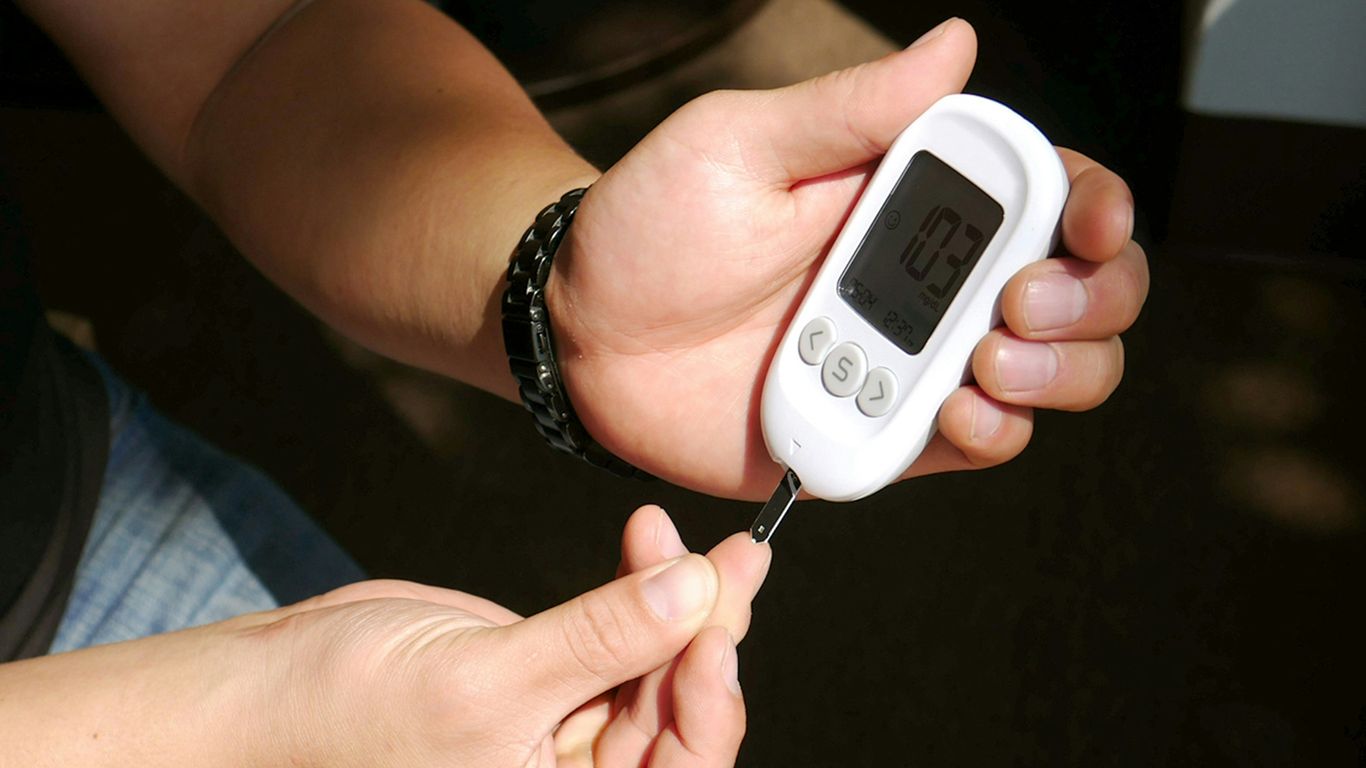
It’s pretty wild how much our daily choices can impact our bodies, right? The Oura Ring gives you a way to actually see some of those effects. You know, like when you have a late-night meal or a couple of drinks? You can tag those activities in the Oura app. Then, you can look at your data, especially your resting heart rate and sleep patterns, and see if there’s a connection. It’s like having a personal detective for your health, helping you spot those subtle links between what you do and how your body responds. Over time, you might notice that certain foods or late-night screen time really mess with your sleep quality, which, as we know, isn’t great for blood pressure.
Making Informed Lifestyle Adjustments
Once you start seeing these patterns, it makes making changes a lot easier. Instead of just guessing what might be good for you, you’ve got actual data. If you see your heart rate creeping up after a particularly stressful day, or your sleep score drops after eating certain things, you can make a conscious decision to adjust. Maybe that means trying to finish dinner a bit earlier, or finding a different way to unwind after work besides scrolling on your phone. It’s about using the information Oura provides to make small, smart tweaks that can add up to big differences for your long-term health.
The Role of Sleep and Stress Management
Sleep and stress are huge players when it comes to blood pressure. Oura tracks your sleep stages and duration, giving you a clear picture of how well you’re resting. Poor sleep can really put a strain on your system. Similarly, the ring monitors your stress levels throughout the day. If you’re consistently running high on stress, Oura can flag that. The app even offers guided meditations and breathing exercises, which are super helpful for bringing those stress levels back down. It’s all connected – better sleep and managed stress can really help keep your blood pressure in a healthier range.
Key Oura Metrics for Cardiovascular Improvement
So, you’re wearing your Oura Ring and getting all this data, but what does it actually mean for your heart health, especially when thinking about blood pressure? It’s not just about the numbers; it’s about understanding the trends and what they signal.
Understanding Cardio Capacity (VO2 Max)
Think of VO2 Max, or your Cardio Capacity, as a measure of how much oxygen your body can use during intense exercise. The higher this number, the fitter your cardiovascular system generally is. Improving your VO2 Max is linked to better blood pressure control and a lower chance of heart problems down the line. It’s a solid indicator that your aerobic fitness is heading in the right direction.
Interpreting Resting Heart Rate Trends
Your Resting Heart Rate (RHR) is what your heart rate is when you’re completely at rest, usually measured overnight. When your cardiovascular health improves, and sometimes as a side effect of blood pressure medication, your RHR often trends downward. Oura tracks this nightly, so you can see if your RHR is consistently lower over time. A lower RHR can be a good sign that your heart isn’t working as hard.
The Significance of Heart Rate Variability (HRV)
Heart Rate Variability (HRV) measures the tiny variations in time between your heartbeats. It’s a window into how your nervous system is doing. Generally, a higher HRV suggests your body is better at handling stress and recovering. If your HRV is trending upwards, it might mean your nervous system is becoming more balanced, which is good news for your blood pressure. Low HRV, on the other hand, can be associated with chronic stress and higher blood pressure.
Here’s a quick look at how these metrics can signal improvement:
- Cardio Capacity (VO2 Max): An increasing number means better aerobic fitness.
- Resting Heart Rate (RHR): A downward trend suggests your heart is becoming more efficient.
- Heart Rate Variability (HRV): An upward trend often indicates better stress management and nervous system balance.
Holistic Strategies for Lowering Blood Pressure
So, your doctor mentioned your blood pressure is a bit high. It’s easy to get worried, but take a breath. For many people, especially in the early stages, making some changes to your daily life can make a real difference. It’s not always about jumping straight to medication. Think of it as fine-tuning your body’s engine.
The Impact of a Heart-Healthy Diet
What you put on your plate really matters. Eating well is one of the most direct ways to help manage blood pressure. The DASH diet, for example, is a well-researched eating plan that focuses on fruits, vegetables, whole grains, lean proteins, and low-fat dairy. It’s all about getting lots of good stuff in while cutting back on things like sodium and added sugars. Studies show this kind of eating can bring down systolic blood pressure by about 6.7 mmHg and diastolic by 3.5 mmHg on average. That’s a pretty big deal, similar to what some single medications can do.
Here’s a quick look at what a heart-healthy diet often includes:
- Plenty of fruits and vegetables: Aim for a variety of colors.
- Whole grains: Think brown rice, oats, and whole wheat bread.
- Lean proteins: Fish, poultry, beans, and nuts are good choices.
- Low-fat dairy: Milk, yogurt, and cheese in moderation.
- Limit: Sodium (salt), red meat, sweets, and sugary drinks.
The Importance of Regular Movement
Sitting around too much is a known risk factor for high blood pressure, but the good news is that moving more is something you can control. Both cardio workouts and strength training help. Just getting regular exercise can lower systolic blood pressure by around 5 mmHg. Plus, your blood pressure actually dips for up to 24 hours after you finish exercising. Health groups generally suggest at least 30 minutes of moderate aerobic activity most days of the week, or strength training a couple of times a week. If 30 minutes straight feels like a lot, breaking it up into 10-minute chunks throughout the day works just as well.
Managing Stress for Better Health Outcomes
Stress can really take a toll on your body, and that includes your blood pressure. When you’re feeling stressed, your body releases hormones that can temporarily raise your blood pressure. Over time, chronic stress can contribute to persistently high readings. Finding ways to relax and de-stress is therefore really important for your heart health. Things like deep breathing exercises, meditation, or even just spending time in nature can help calm your system. Paying attention to how stress affects you personally, and taking steps to manage it, can have a noticeable positive impact on your blood pressure.
Wrapping It Up
So, what’s the takeaway here? Oura is definitely pushing forward with new ways to keep an eye on your health, especially when it comes to things like stress and, potentially, blood pressure down the line. While the blood pressure feature is still in the research phase and not ready for everyone just yet, it’s pretty cool that they’re working on it. In the meantime, the existing Oura features, like tracking sleep, activity, and stress, can still give you a good sense of your overall cardiovascular health. It’s all about using the data Oura gives you to make smarter choices for your well-being. Remember, though, Oura isn’t a doctor, so always chat with your healthcare provider about any health concerns.