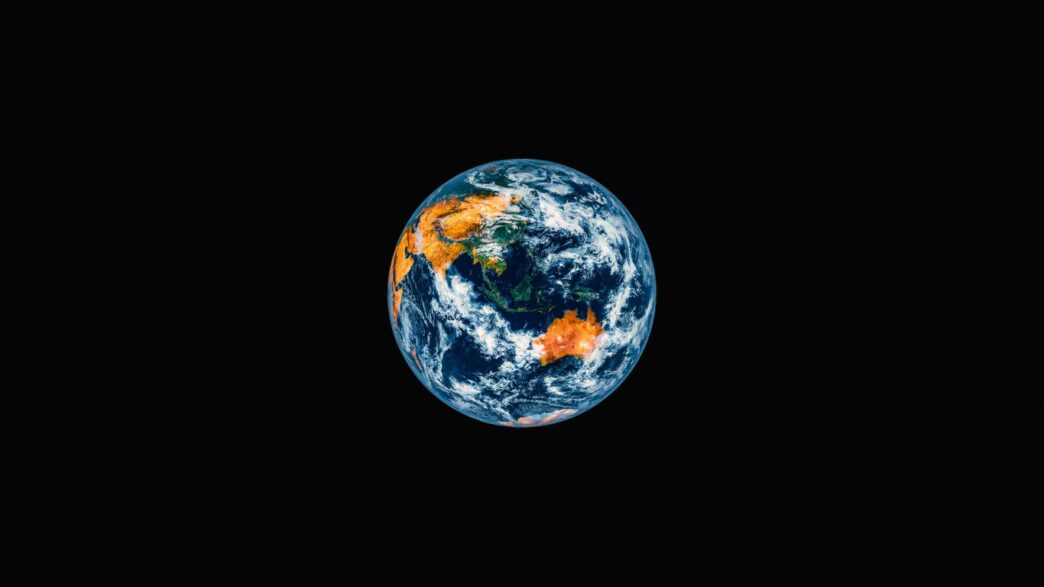
Ozone Layer 2026: A Global Recovery Snapshot
It’s pretty good news on the ozone layer front these days. We’re seeing solid signs of recovery, which is a huge win for the planet. The Montreal Protocol really did its job, phasing out most of the chemicals that were eating away at our protective shield.
Current Status of Ozone Layer Recovery
Things are looking up. The ozone hole, particularly the one over Antarctica, isn’t as bad as it used to be. Scientists are tracking this closely, and the data shows a clear trend towards healing. It’s not a quick fix, mind you, but the progress is undeniable. We’re talking about a gradual thickening of the layer, which means better protection from harmful UV radiation.
Impact of Montreal Protocol on Ozone Depletion
This is where the success story really lies. Back in the day, we were using a lot of chemicals like CFCs in things like aerosols and refrigerants. These were wreaking havoc on the ozone layer. The Montreal Protocol, signed in 1987, brought countries together to stop making and using these substances. It’s been incredibly effective, with almost all of the banned ozone-depleting chemicals now out of the picture. This global agreement is a prime example of what can happen when nations cooperate on environmental issues.
Ozone Hole Trends and Projections
Looking at the trends, the ozone hole has generally been shrinking. While there are year-to-year variations, often influenced by weather patterns, the long-term outlook is positive. Projections suggest that the ozone layer will largely recover to 1980s levels by around 2066 over the Antarctic, and even sooner in other regions. For example, the Arctic is expected to see recovery by 2045, and the rest of the world by 2040. It’s a testament to the sustained effort and monitoring that’s been in place.
Factors Influencing Ozone Layer Health
So, what’s actually messing with the ozone layer, or helping it out? It’s not just one thing, you know. There are a few big players.
Role of Ozone-Depleting Substances
This is the big one, the reason we even have the Montreal Protocol. For a long time, we were pumping out chemicals like chlorofluorocarbons (CFCs) and halons. These were in everything from hairspray and refrigerators to fire extinguishers. They’re super stable, which is why they worked so well, but that also meant they could float all the way up to the stratosphere. Once there, the UV radiation would break them down, releasing chlorine and bromine atoms. These atoms are like little ozone destroyers, each one can take out thousands of ozone molecules. The good news is, thanks to global agreements, the production and use of these substances have dropped by almost 99%. That’s a massive win.
Interplay with Climate Change and Greenhouse Gases
This is where things get a bit complicated. While we’ve been cleaning up ozone-depleting substances, we’ve also been pumping out greenhouse gases like carbon dioxide (CO2), methane, and nitrous oxide. These gases trap heat in the lower atmosphere, which actually cools the stratosphere. A cooler stratosphere can sometimes slow down the chemical reactions that destroy ozone, which might sound good, but it can also change atmospheric circulation patterns. Plus, some of the chemicals we phased out to protect the ozone layer were also potent greenhouse gases. So, by getting rid of them, we’ve also done a favor for the climate. It’s a tricky balance, and scientists are still figuring out all the connections.
Impact of Wildfires and Aerosols
Lately, we’ve been seeing more and more big wildfires, and these can have an effect too. Wildfires release a lot of stuff into the atmosphere, including aerosols and chemicals. Some of these can get high enough to interact with the ozone layer. There’s also talk about ‘geoengineering’ – basically, trying to cool the planet by putting aerosols into the stratosphere on purpose. While the idea is to reflect sunlight, scientists are worried this could mess with ozone recovery in unexpected ways. It’s a reminder that messing with the atmosphere, even with good intentions, can have side effects we don’t fully understand yet.
Monitoring and Scientific Assessments
Keeping tabs on the ozone layer’s health is a big job, and it relies on a lot of careful work from scientists and organizations around the world. It’s not just about looking up at the sky; it involves a whole system of tracking and reporting.
Systematic Ozone and UV Monitoring
We’ve got a network of ground-based stations and satellites constantly measuring ozone levels in the stratosphere. These aren’t just random checks; they’re systematic observations that give us a clear picture of what’s happening over time. Think of it like a doctor taking your vital signs regularly – it helps spot any changes early on. These measurements also help us understand how much ultraviolet (UV) radiation is reaching the surface, which is important for public health.
Here’s a look at what’s being monitored:
- Ozone concentrations: Measuring the amount of ozone in different parts of the atmosphere.
- UV radiation levels: Tracking the intensity of UV rays reaching the Earth’s surface.
- Atmospheric conditions: Observing factors like temperature and wind patterns that can affect ozone.
- Ozone-depleting substances: Monitoring the levels of chemicals that harm the ozone layer.
WMO and UNEP Scientific Reports
Organizations like the World Meteorological Organization (WMO) and the UN Environment Programme (UNEP) are key players here. They put together these big scientific assessment reports every few years. These reports are the go-to source for understanding the state of the ozone layer and how our actions are affecting it. The most recent assessment, released in early 2023, confirmed that the ozone layer is indeed on the mend, largely thanks to the Montreal Protocol. These reports bring together hundreds of scientists from all over the globe, pooling their data and knowledge. They look at everything from the chemistry of the atmosphere to the impact of new technologies.
Future Assessment Needs
While we’ve made great progress, we can’t just rest on our laurels. As we move forward, we need to keep our monitoring systems sharp and our assessments thorough. There are always new things to consider, like the potential impacts of climate change on ozone recovery or the effects of new industrial chemicals that might emerge. We also need to make sure that the data we collect is easily shared and accessible to researchers everywhere. This ongoing scientific scrutiny is what allows us to adapt our strategies and keep the ozone layer on its path to full recovery.
Global Efforts and Policy Implications
Successes of the Montreal Protocol
The Montreal Protocol on Substances that Deplete the Ozone Layer, signed back in 1987, is a pretty big deal. It’s basically an international agreement that got countries to agree to phase out the production and consumption of ozone-depleting substances (ODS). Think things like chlorofluorocarbons (CFCs) that used to be in aerosols and refrigerants. And guess what? It’s actually working. We’ve seen a significant drop in ODS levels since the protocol kicked in.
Here’s a quick look at what’s been achieved:
- 99% reduction in the consumption of ozone-depleting substances globally.
- Protection of billions of people from increased UV radiation.
- Significant contribution to the fight against climate change, as many ODS are also potent greenhouse gases.
This global cooperation shows that when countries come together with a common goal, we can actually fix big environmental problems. It’s a real success story.
Addressing Emerging Threats
While the Montreal Protocol has been a massive win, the job isn’t totally done. We’re always keeping an eye out for new issues that could pop up. For instance, there’s ongoing research into unexpected emissions of certain controlled substances, and scientists are looking at how new chemicals or industrial processes might affect the ozone layer down the line. Plus, we need to consider how things like climate change itself might interact with ozone recovery in ways we don’t fully understand yet. It’s about staying vigilant and adapting our strategies as new information comes to light.
International Cooperation for Ozone Protection
Protecting the ozone layer really is a team effort. The Montreal Protocol is the prime example, but there are other international agreements and scientific bodies that play a role too. Organizations like the World Meteorological Organization (WMO) and the UN Environment Programme (UNEP) regularly assess the state of the ozone layer and provide scientific reports that guide policy. This ongoing collaboration means countries can share data, discuss challenges, and make informed decisions together. It’s this kind of sustained international partnership that will keep the ozone layer on its path to full recovery.
Future Outlook for the Ozone Layer
Projected Recovery Timelines
So, what’s the big picture for the ozone layer going forward? The general consensus is that things are looking up, which is pretty great news. We’re talking about the ozone layer getting back to where it was before the 1980s, and that’s expected to happen around the 2060s for Antarctica, and even sooner for other parts of the world. For instance, the Arctic might see its ozone levels return to normal by around 2045. This steady recovery is a testament to the global commitment made through the Montreal Protocol. It’s not a quick fix, mind you; these things take time, but the trend is definitely positive.
Potential Challenges to Recovery
Even with the good news, it’s not all smooth sailing. There are a few things that could throw a wrench in the works. One of the main concerns is the continued production and use of certain chemicals that, while not as bad as the original ozone-eaters, can still have an impact. We also need to keep an eye on how climate change itself might affect ozone recovery. Things like changes in atmospheric circulation patterns, driven by a warming planet, could potentially alter how ozone is distributed. Plus, unexpected events like massive volcanic eruptions or even the increasing frequency of large wildfires can release substances into the atmosphere that might temporarily affect ozone levels. It’s a complex system, and we need to stay vigilant.
Synergies Between Ozone and Climate Action
It’s really interesting how actions taken to protect the ozone layer can actually help with climate change, and vice versa. Many of the chemicals that used to eat away at the ozone layer, like chlorofluorocarbons (CFCs), were also super potent greenhouse gases. By phasing them out under the Montreal Protocol, we’ve actually done a lot to slow down global warming too. Now, as we look at new refrigerants and other chemicals, there’s a push to use ones that are not only ozone-friendly but also have a low global warming potential. This dual benefit is a win-win. It shows that smart environmental policies can have multiple positive outcomes, making our efforts more effective across the board.
Wrapping Up: The Ozone Layer’s Comeback and What’s Next
So, it looks like the ozone layer is doing pretty well, all things considered. Reports show it’s on track to heal up over the next few decades, which is great news. The hole in 2024 wasn’t as bad as some years, and that’s thanks to everyone sticking to the rules about those ozone-depleting chemicals. It’s a good reminder that when we work together on environmental stuff, we can actually make a difference. Of course, the planet still has bigger problems, like rising temperatures and all the extreme weather that comes with it, so we can’t just relax. But for the ozone layer, it’s a win. We just need to keep an eye on things and keep doing what works.