Understanding Polestar’s Advanced Pilot Assist System
Modern cars are way more than just metal and wheels these days. They’re basically computers on wheels, and a lot of what makes them tick, especially the fancy driver assistance stuff, comes down to software. Think of it like your smartphone – it gets better with updates, and so do cars. This software is what allows systems like Polestar’s Pilot Assist to work, helping out with driving tasks.
The Role of Software in Modern Vehicles
It’s wild how much software is packed into cars now. It’s not just for the infotainment screen anymore. Software controls everything from engine performance to safety features. For driver assistance, it’s the brain that takes in information from sensors and tells the car what to do – speed up, slow down, steer. Automakers are really focusing on this because it’s how they can add new features and improve existing ones over time, often through updates you can get without even going to the dealership.
Levels of Autonomy Explained
When we talk about self-driving, it’s not really an all-or-nothing thing. There’s a whole scale, and it’s usually broken down into levels. Most advanced systems today, including Polestar’s Pilot Assist, fall into what’s called Level 2. This means the car can handle steering, acceleration, and braking under certain conditions, but you, the driver, still need to keep your hands on the wheel and pay attention. Higher levels, like Level 3 where the car can handle more complex situations and you can take your eyes off the road for a bit, are still pretty new and not widely available. It’s important to know where your car fits on this scale.
| Level | Description |
|---|---|
| 0 | No Automation |
| 1 | Driver Assistance (e.g., adaptive cruise control) |
| 2 | Partial Automation (e.g., adaptive cruise control + lane keeping) |
| 3 | Conditional Automation (car drives itself under specific conditions) |
| 4 | High Automation (car drives itself in most conditions) |
| 5 | Full Automation (car drives itself everywhere, no human needed) |
Consumer Expectations for In-Car Technology
People expect a lot from their cars now, and it’s not just about getting from point A to point B. We want our cars to be connected, personalized, and helpful. Think about how you use your phone – you expect apps to work smoothly and maybe even get new features. Drivers are starting to expect the same from their cars. They want technology that makes driving easier and more comfortable, and they want it to be easy to use. This shift means car companies are competing more on the software and the in-car experience than ever before.
Core Features of Polestar’s Autonomous Capabilities
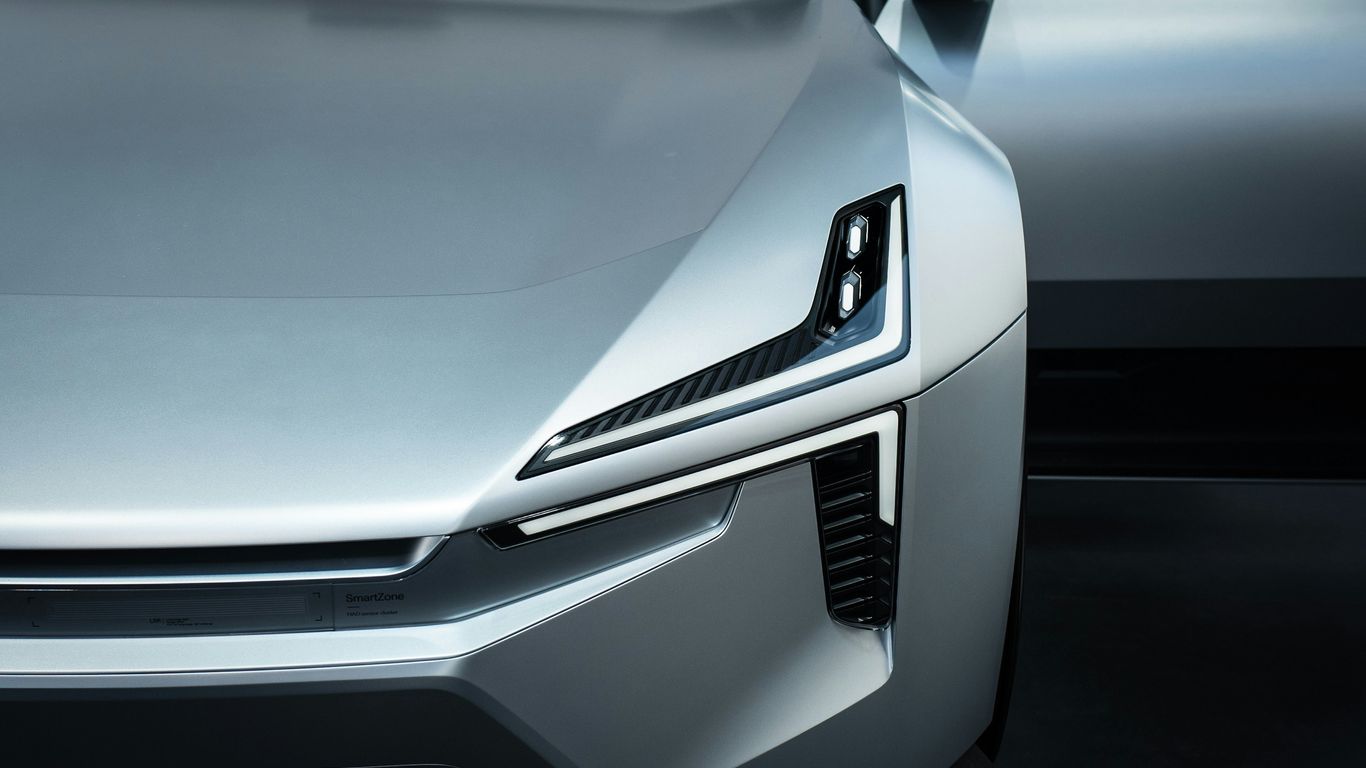
Polestar’s Pilot Assist system is all about making your drive easier and safer, especially on those long highway stretches or in tricky traffic. It’s not about taking the wheel completely out of your hands, but rather giving you a helping hand when you need it most. Think of it as a really smart co-pilot.
Adaptive Cruise Control and Lane Keeping
This is probably the most used part of the system. Adaptive Cruise Control (ACC) does more than just keep a set speed. It actually watches the car in front of you and adjusts your speed to match, keeping a safe distance. If the car ahead slows down, so do you. If it speeds up, you get back up to your set speed. It’s pretty neat for highway driving, cutting down on a lot of the stop-and-go hassle.
Then there’s Lane Keeping Assist (LKA). This feature uses cameras to see the lane markings on the road. If you start to drift out of your lane without signaling, the car will gently nudge you back into the center. It’s designed to prevent unintentional lane departures, which can be a lifesaver. Together, ACC and LKA work hand-in-hand to make highway cruising feel much more relaxed.
Automated Lane Changes
This is where things get a bit more advanced. When you’re using the Adaptive Cruise Control and have your turn signal on, the car can actually help you change lanes. You just flick the indicator, and if the system sees a clear path, it will steer the car into the next lane for you. It’s a smooth process, but it’s important to remember that you’re still in charge. You need to make sure the lane is actually clear and safe before you even think about signaling. It’s a great feature for overtaking slower vehicles or moving to a different lane on a busy road.
Parking Assistance Systems
Parking can be a pain, right? Polestar’s Pilot Assist includes systems to help with that too. Depending on the specific model and options, you might get features like:
- Park Assist: This system can help steer the car into parallel or perpendicular parking spots. You control the speed, but the car handles the steering, making tight spots much less stressful.
- 360-degree Camera: While not strictly an autonomous feature, the cameras provide a bird’s-eye view of your surroundings, making it super easy to see exactly where your wheels are in relation to curbs and other obstacles.
- Remote Park Assist: On some higher trims, you can even use your smartphone to move the car into or out of a parking space when you’re standing outside the vehicle. This is handy if you’ve parked in a really tight spot and need a little extra room to get in.
Safety and Security in Polestar Self Driving
When we talk about cars that can drive themselves, the first thing that pops into most people’s minds is probably safety. It’s a big deal, right? Polestar knows this, and they’ve put a lot of thought into making sure their Pilot Assist system is as secure as it is helpful.
Cybersecurity Measures for Vehicle Software
Think of your car’s software like the brain of the operation. Just like your computer or phone, it needs protection. Polestar is serious about keeping the software on their vehicles safe from outside interference. They’re using strong security practices to stop unauthorized access, which is super important. This helps prevent the car’s systems from being messed with remotely. They’re also making sure that when updates come through, they’re legit and secure, so you don’t have to worry about your car getting ‘hacked’ or behaving strangely because of bad code.
Sensor Technology for Environmental Awareness
To drive safely, a car needs to ‘see’ everything around it, kind of like we do. Polestar’s system uses a bunch of different sensors – cameras, radar, and sometimes even lidar – to get a full picture of the road. These sensors work together to detect other cars, pedestrians, cyclists, and road signs, even when visibility isn’t great, like in fog or at night. It’s not just about seeing things, though; it’s about understanding what they are and how they’re moving. This constant stream of data helps the car make smart decisions.
Driver Monitoring and Intervention
Even with advanced systems, the driver is still a key part of the equation, especially in current levels of assisted driving. Polestar’s Pilot Assist includes ways to keep an eye on the driver. Cameras inside the car can check if you’re paying attention to the road and if your hands are on the wheel when needed. If the system notices you’re distracted or not ready to take over when it prompts you, it has built-in ways to alert you. These alerts can start simple, like a chime, and get more insistent if you don’t respond. In some cases, if the driver remains unresponsive, the car can even bring itself to a safe stop.
The User Experience with Polestar’s Pilot Assist
Polestar’s Pilot Assist isn’t just about the tech under the hood; it’s about how that tech actually feels and works for you, the driver. It’s designed to make your time behind the wheel, or even just in the car, more comfortable and less of a chore. The goal is to make advanced driving assistance feel natural, not intrusive.
Personalization of Driving Assistance
Think of Pilot Assist like a co-pilot who learns your preferences. You can tweak how it behaves. For instance, you can adjust how close the Adaptive Cruise Control follows the car in front, or how quickly the system reacts to lane changes. It’s not a one-size-fits-all deal. You can set things up to match your driving style, whether you prefer a more relaxed approach or something a bit more responsive. This means the car adapts to you, not the other way around.
Here’s a quick look at some adjustable settings:
- Following Distance: Choose from multiple levels to keep your preferred gap to the vehicle ahead.
- Lane Keeping Sensitivity: Decide how assertively the system keeps you centered in your lane.
- Speed Adaptation: Set how the system adjusts speed for curves or upcoming speed limit changes.
Intuitive Interface Design
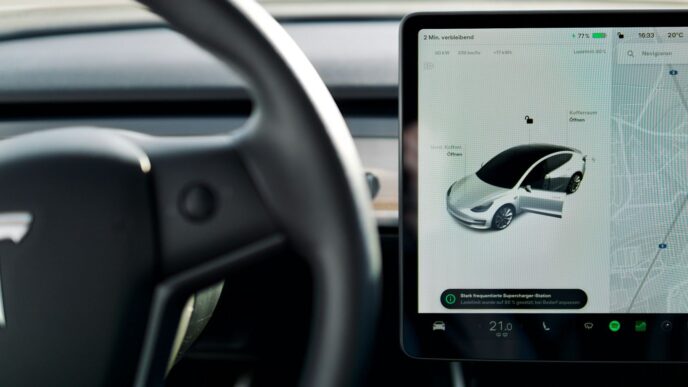
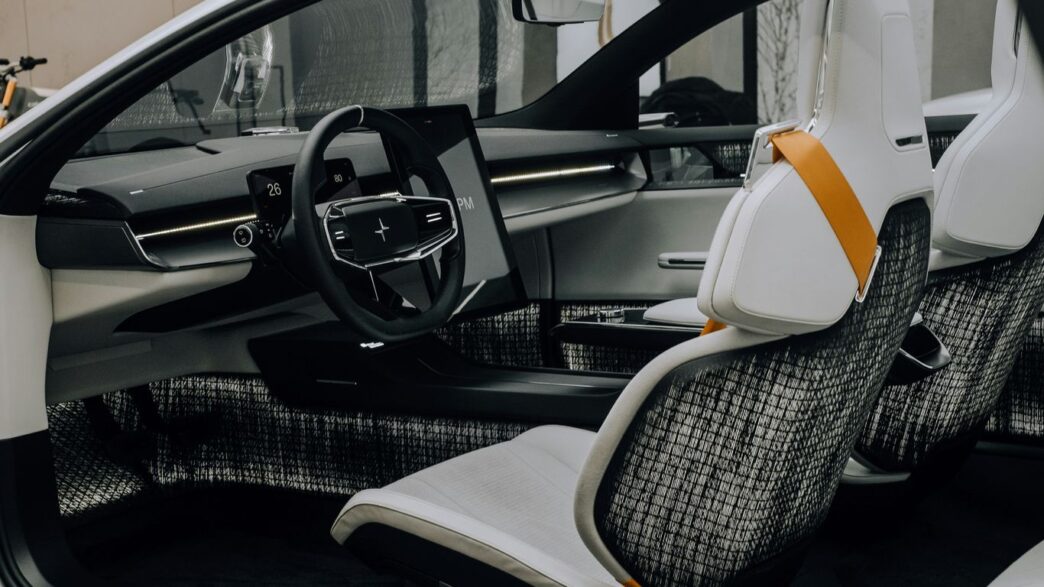
Getting a handle on all these features shouldn’t require a manual the size of a phone book. Polestar has put a lot of thought into making the Pilot Assist controls easy to find and use. Most of the adjustments are handled through the central touchscreen, with clear icons and straightforward menus. You can activate or deactivate main functions with a simple button press, and the system gives you clear visual cues on the driver display so you always know what it’s doing. It’s about reducing complexity so you can focus on the road.
Over-the-Air Updates for Enhanced Features
This is where things get really interesting. Your Polestar isn’t static; it can get smarter over time. Through over-the-air (OTA) updates, Polestar can push new features or improvements directly to your car. This means that the Pilot Assist system you have today could be even better next month or next year, without you needing to visit a dealership. It’s like getting a software upgrade for your phone, but for your car. This continuous improvement cycle means the car’s capabilities can grow alongside your needs and expectations, keeping the driving experience fresh and up-to-date.
The Future of Polestar Self Driving Technology
So, what’s next for Polestar and its self-driving tech? It’s pretty clear that cars are becoming more like computers on wheels, and Polestar is right there with them. They’re not just thinking about today; they’re planning for a future where cars do even more for us.
Advancements Towards Higher Autonomy Levels
Right now, Polestar’s Pilot Assist is great for making highway driving less tiring. But the goal is to move beyond just assisting the driver. We’re talking about systems that can handle more complex situations, maybe even taking over completely in certain scenarios. Think about it: your car could manage city traffic, navigate tricky intersections, or even handle parking in a crowded lot without you needing to touch the wheel. This push towards higher autonomy levels means cars will need even smarter sensors and faster processing to understand the world around them. It’s a gradual process, though. Automakers are working on systems that can safely transition control back to the driver when needed, which is super important.
Integration with Smart City Infrastructure
Imagine your Polestar talking to traffic lights to optimize your route or getting real-time updates about road closures or hazards directly from the city’s network. That’s the idea behind smart city integration. As cities get smarter with connected infrastructure, cars like Polestar will be able to tap into that information. This could mean smoother commutes, less time spent waiting at red lights, and even improved safety as cars can anticipate potential issues based on city data. It’s like the car becoming part of a bigger, connected system.
Continuous Learning and AI Integration
This is where things get really interesting. Polestar is looking at how artificial intelligence can make its self-driving systems learn and improve over time. Every mile driven, every situation encountered, can be a learning opportunity for the car’s AI. This means the system gets better at recognizing objects, predicting other road users’ behavior, and making smoother, more human-like driving decisions. It’s not just about pre-programmed rules anymore; it’s about the car adapting and getting smarter, much like how we learn from experience. This continuous learning is key to making autonomous driving feel more natural and reliable.
Wrapping Up the Polestar Pilot Assist
So, that’s a look at Polestar’s Pilot Assist system. It’s pretty neat how much the car can do to help out on the road, taking some of the stress off the driver. While it’s not quite full self-driving yet, it’s a big step in that direction. Things like keeping you in your lane and adjusting speed automatically are really useful, especially on longer drives or in tricky traffic. It’s clear that car tech is moving fast, and systems like this are becoming more common. It’ll be interesting to see how Polestar and other companies keep adding features and making these systems even smarter and safer down the line. For now, Pilot Assist seems like a solid piece of tech that makes driving a bit easier and maybe even a little more enjoyable.