You know, it feels like every other day there’s a new way for someone to try and get your money. One of the sneaky ones is called card skimming. It’s basically when bad guys attach a device to a card reader, like at a gas pump or an ATM, to steal your card info. It’s pretty wild how they make these things blend in. But don’t worry, we’re going to break down what card skimming is, how to spot the signs, and what you can do to keep your money safe. It’s not as complicated as it sounds, and a little awareness goes a long way.
Key Takeaways
- Card skimming involves devices that steal your credit or debit card information, often including your PIN, when you use a compromised terminal.
- Always check card readers and keypads for anything that looks loose, out of place, or doesn’t match the rest of the machine.
- When entering your PIN, cover the keypad with your other hand to prevent hidden cameras from capturing it.
- Using chip and contactless payment options makes it harder for thieves to steal your data compared to swiping a magnetic stripe.
- Regularly review your bank and credit card statements for any suspicious activity and report it immediately to your financial institution.
Understanding Card Skimming Threats
What is Card Skimming?
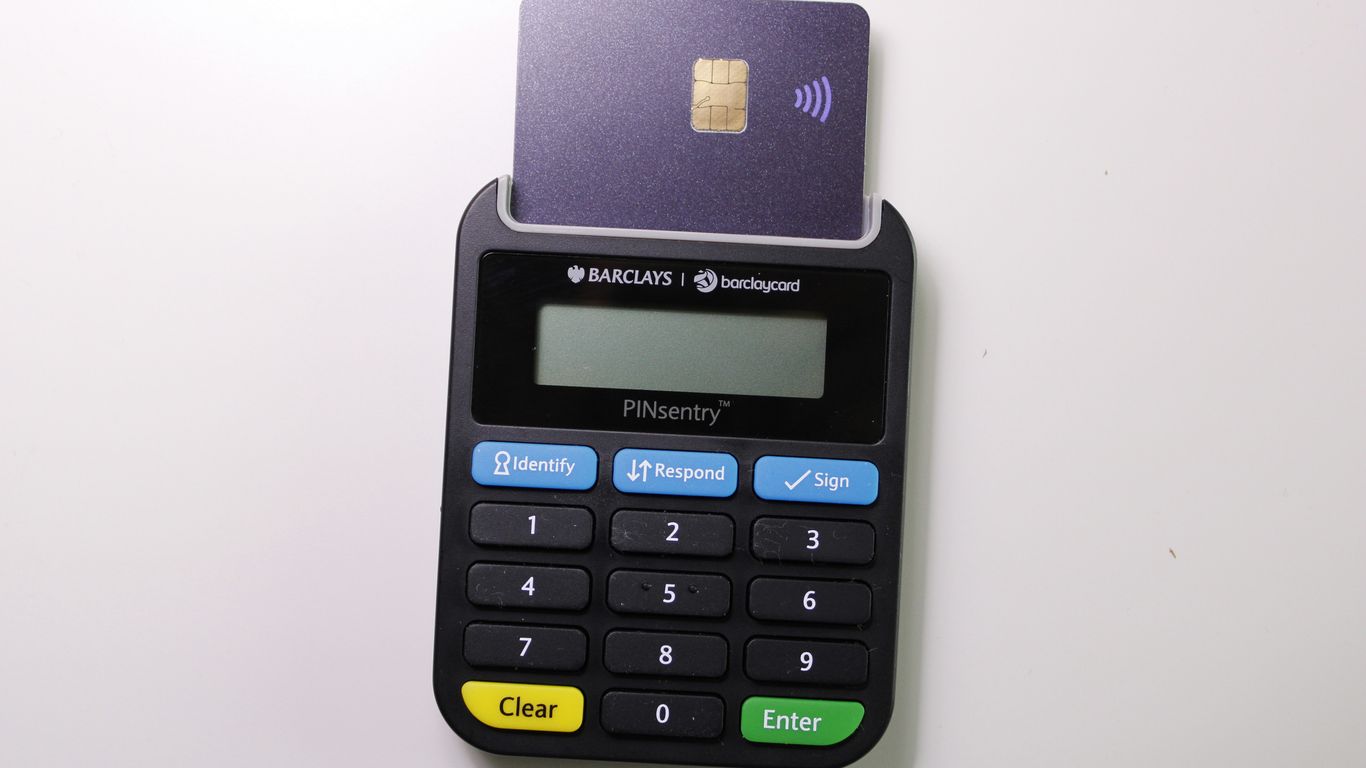
Card skimming is basically when someone illegally attaches a device to a card reader, like at an ATM or a gas pump, to steal your credit or debit card information. They’re not just grabbing your card number; they often want your PIN too, which is why they might put a fake keypad over the real one or even a tiny camera. This stolen data can then be used to make fake cards or make purchases in your name. It’s a pretty common type of fraud, with hundreds of thousands of cards being compromised each year. It’s a sneaky way criminals get access to your financial details without you even knowing it’s happening.
How Card Skimmers Work
These devices are designed to be really hard to spot. They usually fit right over the existing card slot, so they look like they belong. When you swipe your card, the skimmer reads the magnetic stripe, capturing all the important info like your card number and expiration date. To get your PIN, criminals often use a separate device that records your keystrokes or a hidden camera. Some newer skimmers can even transmit the stolen data wirelessly. It’s a two-part operation: the skimmer collects the data, and then the thief retrieves it, either by physically collecting the device or through wireless transmission.
Common Locations for Card Skimming Devices
Criminals tend to place these devices where they won’t be noticed easily. Think about places where you use your card without much supervision:
- Gas pumps: These are prime targets because they’re often out in the open and people are in a hurry.
- ATMs: Especially those in less busy areas or outside of banks.
- Self-checkout kiosks: At grocery stores or other retail locations.
- Ticket machines: For public transport or parking.
- Unattended POS terminals: Anywhere your card might be swiped out of your direct view, like some restaurants or small shops.
It’s always a good idea to be extra careful in these situations. Going inside to pay at a gas station, for example, can often be a safer bet than using the pump itself. You can find more information on card skimming and how to protect yourself.
Identifying Potential Card Skimmers
It’s a bit unsettling to think about, but criminals are constantly trying to find new ways to steal your financial information. Card skimmers are one of those sneaky methods. These devices are designed to look like they’re part of the legitimate card reader or keypad, making them really hard to spot at first glance. Being observant is your best defense.
Physical Inspection of Terminals
When you’re at a gas pump, ATM, or any self-checkout machine, take a quick second to look over the equipment. Does anything seem a little off? Maybe the card slot looks a bit bulky or doesn’t quite line up with the rest of the machine. Sometimes, the color or texture might not match the surrounding plastic. It’s these small details that can tip you off. If a card reader feels loose when you nudge it, that’s a big red flag. You can also check out ATM security tips for more on what to look for.
Signs of Tampering and Alteration
Criminals aren’t always subtle. Look for obvious signs that someone might have messed with the machine. Are there any scratches around the card slot or keypad? Does a security sticker look like it’s been peeled off and reapplied? Sometimes, you might even see broken or dented plastic. If the machine looks like it’s been forced open or repaired poorly, it’s best to walk away. It’s better to be safe than sorry, right?
Checking Card Readers and Keypads
Pay close attention to the card reader itself. Does it seem unusually thick or stick out further than normal? Sometimes, skimmers are just placed on top of the existing reader. Also, check the keypad. Is there a second, thinner keypad placed over the original one? Or does it feel mushy or sticky when you press the numbers? Some thieves even install tiny cameras, often hidden in a small hole or a fake advertisement nearby, to record you entering your PIN. If you’re ever unsure about a machine, it’s always a good idea to go inside and pay or use a different terminal altogether.
Preventing Card Skimming at the Point of Sale
Okay, so we’ve talked about what skimming is and how to spot those sneaky devices. Now, let’s get down to what you can do, especially if you’re running a business, to stop this from happening at your checkout counters. It’s all about being proactive and making sure your point-of-sale (POS) systems are as secure as possible. A little vigilance goes a long way in protecting both your customers and your reputation.
Regular POS Equipment Checks
Think of your card readers and terminals like any other piece of equipment you rely on – they need regular check-ups. Skimmers are designed to look like part of the machine, but often they don’t fit perfectly. Keep an eye out for anything that seems a bit off.
- Look for loose parts: Does the card reader wiggle when it shouldn’t? Is the keypad sitting oddly?
- Check for mismatched colors or textures: Skimmers are often added on top, so they might not perfectly match the original device.
- Inspect wires and cables: Make sure nothing looks tampered with or has extra wires attached.
- Note serial numbers: If you have a record of what your equipment should look like, compare it. Any changes could be a red flag.
Securing the PIN Entry Process
This is where a lot of the sensitive data is captured. We need to make it as hard as possible for criminals to get that PIN.
- Cover up: Encourage customers to use their free hand or a wallet to shield the keypad when they enter their PIN. You can even put up small signs reminding them to do this.
- Camera placement: If you have security cameras, make sure they aren’t angled in a way that could accidentally capture someone’s PIN entry. Sometimes, criminals will try to hide tiny cameras in nearby objects.
- Limit "shoulder surfing": Arrange your checkout area so customers have a bit of privacy when entering their PIN. This means not having them stand too close to other customers or in a high-traffic walkway.
Employee Training and Awareness
Your staff are your first line of defense. They’re the ones interacting with the machines and customers all day, so they need to know what to look for and what to do.
- Educate them on common signs: Show them what a tampered device might look like, including unusual attachments or loose parts.
- Teach them reporting procedures: What should they do if they find something suspicious? Who do they report it to immediately?
- Emphasize customer privacy: Remind them never to ask for a customer’s PIN or to enter it for them. They should also be aware of people who seem overly interested in the payment terminals.
By implementing these steps, you create a much safer environment for everyone involved. It shows your customers you care about their security, which is good for business.
Protecting Your Personal Information
When it comes to card skimming, the biggest worry is always about your personal details falling into the wrong hands. It’s not just about losing money directly; it’s about identity theft and all the headaches that come with it. So, what can you actually do to keep your information safe?
Safeguarding Your PIN
Your Personal Identification Number, or PIN, is like the key to your financial kingdom. Never, ever share your PIN with anyone, not even a family member. Seriously. Memorize it. If you absolutely have to write it down, keep it somewhere super safe, far away from your card. And for goodness sake, don’t save it on your phone or computer. When you’re at an ATM or a payment terminal, always take a moment to cover the keypad with your other hand. It might seem like a small thing, but it makes a big difference.
Using Chip and Contactless Payments
Most of us are used to swiping, but those newer chip cards and contactless payment options are actually a lot safer. The chip creates a unique transaction code every time you use it, making it much harder for skimmers to steal your data compared to the old magnetic stripe. Contactless payments, like tapping your card or phone, are even better because the card doesn’t even need to be physically connected to the terminal for long, reducing the window for a skimmer to do its dirty work. If your bank offers it, consider setting up mobile payments on your phone – it adds another layer of security.
Monitoring Financial Accounts Regularly
This is a big one. You can’t stop every single attempt at fraud, but you can catch it early. Make it a habit to check your bank and credit card statements frequently, not just once a month. Look for any transactions that seem off, even small ones. Many banking apps let you set up alerts for transactions over a certain amount or for online purchases. If you see something suspicious, contact your financial institution immediately. The sooner you report it, the easier it is to sort out and the less damage can be done. It’s also a good idea to get a credit report once a year just to make sure no one has opened accounts in your name.
Actions to Take If You Suspect Skimming
So, you think you might have been skimmed? It’s a rotten feeling, for sure. But don’t panic. There are definitely steps you can take right away to protect yourself and your money. Acting fast is key here.
Reporting Suspicious Devices
If you’re at a gas pump, ATM, or any point-of-sale terminal and something just looks off, trust your gut. Maybe the card reader seems loose, or there’s a weird piece of plastic stuck on it. Don’t use it. If you’re at a business with an attendant, let them know immediately. If it’s an ATM or a gas pump, look for a customer service number or report it to the company that owns the machine. Sometimes, you might see a small camera hidden nearby, pointed at the keypad. While some cameras are legitimate security features, if it looks out of place or is clearly aimed at capturing PINs, it’s a red flag. Reporting these findings helps authorities catch criminals before they can hit more people.
Notifying Your Financial Institution
This is probably the most important step. As soon as you suspect skimming, or if you see any strange charges on your accounts, call your bank or credit card company. Seriously, don’t wait. Most financial institutions have fraud protection and can limit your liability for unauthorized charges, especially if you report them quickly. They can help you secure your accounts, issue new cards, and start an investigation. It’s a good idea to set up account alerts so you get notified of transactions, which can help you spot suspicious activity faster. If you’ve been a victim of fraud, contacting your financial institution immediately is vital to report the incident.
Placing a Credit Freeze
If you’re really worried that your personal information might have been compromised beyond just a single card, consider placing a credit freeze. This is a more serious step, but it can be a lifesaver. A credit freeze stops credit bureaus from releasing your credit report without your permission. This makes it much harder for identity thieves to open new accounts in your name. You’ll need to contact each of the three major credit bureaus (Equifax, Experian, and TransUnion) to place a freeze. While it might be a bit of a hassle to temporarily lift it when you need to apply for credit yourself, it’s a strong defense against further identity theft.
Advanced Strategies for Businesses
Implementing Security Cameras Effectively
Putting up security cameras around your point-of-sale areas can be a really good idea. It’s not just about catching someone in the act, but also about deterring them in the first place. Think about placing cameras where customers can see them, like near the entrance or the checkout counter. This visual reminder can make potential skimmers think twice. Also, make sure the cameras are actually working and recording clear footage. A blurry video isn’t much help to anyone. Regularly check the camera feeds and the recordings to make sure everything is up to snuff. It’s also smart to have cameras that cover not just the payment terminals, but also the surrounding areas, so you can see if someone is acting suspiciously before they even get to the register.
Maintaining Records and Supplier Information
Keeping good records is super important for any business, and it’s no different when it comes to preventing skimming. You should have a clear list of all your vendors and suppliers, especially those who service your payment terminals. If something looks off with a machine, knowing who is supposed to be working on it can help you figure out if it’s legitimate. Keep track of when maintenance was done and by whom. This kind of documentation can be a lifesaver if you need to investigate a potential skimming incident. It helps create a clear history of who had access to your equipment and when.
Utilizing Fraud Prevention Services
There are services out there that can help businesses like yours stay ahead of fraud. These services often use advanced technology to monitor transactions for suspicious activity. They can flag unusual patterns that might indicate skimming or other types of fraud. Some services can even help protect your online payment systems from card testing, which is when fraudsters try out stolen card numbers to see if they work. It’s worth looking into what options are available. These services can act as an extra layer of defense, working alongside your own security measures. They can provide real-time alerts, helping you react quickly to potential threats before they cause significant damage to your business and your customers’ trust.
Stay Vigilant, Stay Safe
So, we’ve gone over what card skimming is and how these sneaky devices work. It can feel a bit overwhelming, right? But honestly, the biggest defense we have is just being aware. By taking a few simple steps, like checking card readers before you swipe, covering your PIN, and keeping an eye on your bank statements, you can really cut down the risk. Remember, these criminals are always trying new tricks, but staying informed and being a little cautious goes a long way in protecting your money and your identity. Don’t let the fear stop you from living your life, just be smart about it.
Frequently Asked Questions
What exactly is card skimming?
Card skimming is when sneaky criminals attach a device to a card reader, like at a gas pump or ATM. This device secretly copies the information from your card’s magnetic stripe. If it’s a debit card, they might also try to steal your PIN using a hidden camera or a fake keypad.
How can I tell if a card reader has a skimmer on it?
Look closely at the card reader and keypad. Does anything look loose, wobbly, or like it doesn’t quite match the rest of the machine? Sometimes skimmers are a different color or a bit bulkier than the original parts. Also, check for tiny cameras hidden nearby that might be watching you enter your PIN.
Where are skimmers most often found?
Skimmers love places where card machines are left alone for a while. Think gas pumps, ATMs, and ticket machines at train stations. They can also be found at stores, especially if the card reader is out of sight from the employees.
What’s the best way to protect my PIN?
Always cover the keypad with your hand when you type in your PIN, even if you don’t see anything suspicious. Never share your PIN with anyone, and try to memorize it instead of writing it down where someone could find it.
If I think my card was skimmed, what should I do?
First, tell your bank or credit card company right away! They can help you block the card and watch for any weird charges. You might also want to consider putting a freeze on your credit report to stop anyone from opening new accounts in your name.
Are chip cards and contactless payments safer?
Yes, they are! Chip cards create a special code for each purchase, making it much harder for thieves to use the stolen info. Contactless payments, like tapping your card or phone, are also more secure because they use similar technology and you don’t have to swipe your card.