
Thinking about the value of Pi Network compared to US dollars today? It’s a common question as more people get involved with Pi. This article breaks down how you can track the pi to usd conversion, what affects its price, and how to actually buy or sell Pi using USD. We’ll also touch on the Pi Network’s goals and how it plans to work in the real world.
Key Takeaways
- The current pi to usd exchange rate is updated frequently, with one Pi Network coin valued at approximately 0.208836 USD based on data from several exchanges.
- You can buy Pi Network using US dollars by looking for PI/USD trading pairs on cryptocurrency exchanges like OKX, which is often recommended for this purpose.
- Selling Pi Network for US dollars involves using the same PI/USD trading pairs on exchanges; OKX is also a good option for this.
- Pi Network’s total supply is capped at 100 billion tokens, but the ‘Effective Total Supply’ is lower and variable, depending on how many users complete KYC and migrate their Pi to the Mainnet.
- The Pi Network ecosystem aims for real-world utility, supporting transactions and decentralized apps through its Pi Browser, with events like PiFest demonstrating growing adoption.
Understanding Pi To USD Conversion Rates
Figuring out what your Pi is worth in US dollars can feel a bit like watching a stock ticker, but it’s actually pretty straightforward once you get the hang of it. The value of Pi against the US dollar isn’t set in stone; it changes constantly. Think of it like any other currency or digital asset – its price is determined by what people are willing to pay for it on various exchanges.
Real-Time Pi Network Value
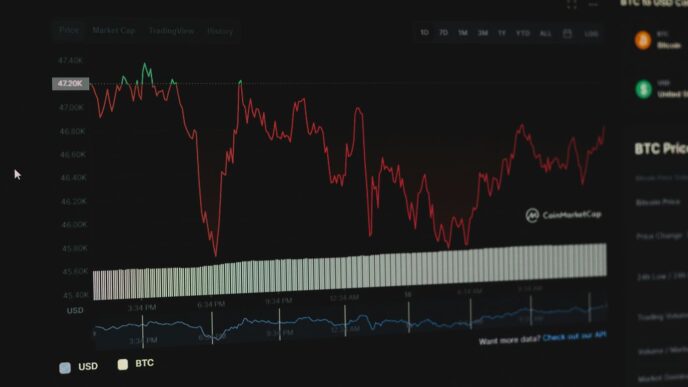
So, how do you actually see this value? It’s all about real-time data. When you look up the price of Pi, you’re seeing the most current rate available from exchanges where Pi is traded. This means the number you see can shift by the minute, or even by the second. For instance, right now, the price of 1 Pi is around $0.2073 USD, with a daily trading volume of over $8 million. This kind of information is updated continuously, so you always have the latest figures at your fingertips.
Factors Influencing Pi To USD Exchange
What makes that Pi to USD number go up or down? A few things, really. The biggest driver is supply and demand. If more people want to buy Pi than sell it, the price tends to climb. Conversely, if there are a lot of sellers and fewer buyers, the price might dip. Other factors include news about the Pi Network project itself, any new developments or partnerships, and the overall sentiment in the cryptocurrency market. When the Pi Network team announces progress, like expanding its ecosystem or improving its technology, it can positively affect the exchange rate. The number of Pi tokens available also plays a role; more available tokens can sometimes lead to a lower price per token if demand doesn’t keep pace.
Accessing Live Pi To USD Data
Getting live data is pretty simple these days. You can find Pi to USD conversion rates on many cryptocurrency tracking websites and exchanges. These platforms aggregate data from different trading venues to give you a clear picture. Some popular places to check include dedicated crypto price sites or the exchanges themselves where Pi is listed. You’ll often see charts showing price history, trading volumes, and other market indicators. For example, if you’re looking to convert USD to Pi, you’d search for a PI/USD trading pair on an exchange. Platforms like OKX are often mentioned as good places for these kinds of trades, whether you’re buying or selling Pi for US dollars.
Navigating Pi Network’s Economic Model
Understanding how Pi Network manages its supply and value is pretty important if you’re looking at its price against the US dollar. It’s not just about how many Pi coins exist, but how they’re released and what influences their availability.
Pi Network’s Maximum Supply Explained
First off, Pi Network has a set maximum supply of 100 billion tokens. This isn’t just a random number; it’s broken down into different categories. The biggest chunk, 65%, is set aside for community mining rewards. Then there’s 10% for foundation reserves, 5% for liquidity, and 20% for the Core Team. The idea is that as Pi gets mined and moved to the mainnet, these proportions stay the same, no matter how much Pi is actually out there.
Effective Total Supply Dynamics
Now, the ‘effective total supply’ is where things get a bit more dynamic. This number represents the Pi that’s actually available on the blockchain at any given time. It’s calculated by taking the total Pi that has been successfully migrated from mobile balances to the mainnet and dividing it by 65%. Why 65%? Because that’s the portion allocated for community mining rewards. So, if fewer people complete the steps to migrate their Pi, the effective total supply will be lower than if everyone did. This means the actual amount of Pi in circulation can fluctuate based on user actions.
Circulating Supply Considerations
When we talk about ‘circulating supply,’ we’re looking at all the Pi that has been migrated to the mainnet and any other tokens that have been released from the other allocations (like reserves or liquidity). At its maximum, this could equal the effective total supply. The way Pi is mined also plays a role. The mining rewards follow a formula that generally decreases over time, meaning fewer Pi are issued each month. Plus, users can earn more Pi by contributing to the network in various ways, like being part of security circles or running nodes. This system is designed to manage the issuance rate and keep it from flooding the market.
Acquiring and Selling Pi With US Dollars
So, you’ve been mining Pi and are curious about how to actually use it with US dollars, right? It’s a common question, and while Pi Network is still developing, there are ways to think about buying and selling it.
How To Buy Pi Network Using USD
Right now, buying Pi directly with USD isn’t as straightforward as with some other cryptocurrencies. The network is focused on building its ecosystem first. However, once Pi becomes more widely listed on exchanges, you’ll likely see direct PI/USD trading pairs. This means you could potentially convert your US dollars into Pi on platforms that support this transaction. Keep an eye on exchange listings for the most up-to-date information on this. The easiest way to convert USD to PI will be through fiat trading pairs on supported exchanges.
Best Platforms For Pi To USD Trades
As of early 2026, the landscape for Pi Network trading is still evolving. While specific platforms are emerging, it’s wise to look for exchanges that are known for their security and user-friendliness. When Pi/USD trading pairs become more common, you’ll want to compare:
- Exchange Fees: Different platforms charge varying fees for trades.
- Liquidity: Higher liquidity means it’s easier to buy or sell without significantly impacting the price.
- Security Measures: Look for exchanges with strong security protocols to protect your assets.
- User Interface: A clean and easy-to-understand platform makes trading less of a headache.
While not a direct purchase method yet, some platforms might offer ways to acquire Pi through other means as the ecosystem grows. Always do your own research before committing funds to any platform.
Selling Pi Network For US Dollars
Similar to buying, selling Pi for US dollars will primarily happen on cryptocurrency exchanges that list the PI/USD trading pair. The process generally involves:
- Finding a suitable exchange: Look for platforms that support PI/USD trading.
- Depositing your Pi: Transfer your Pi tokens to your exchange wallet.
- Placing a sell order: Set a price at which you want to sell your Pi for USD.
- Withdrawing your USD: Once the sale is complete, you can withdraw your US dollars to your bank account or other preferred methods.
It’s important to remember that the value of Pi, like any cryptocurrency, can fluctuate. The current price of Pi Network is around $0.2086, but this can change rapidly. Always check the live price before making any trading decisions.
The Pi Network Ecosystem and Utility
Pi Network isn’t just about mining coins on your phone; it’s building a whole system where Pi can actually be used. Think of it like a digital currency designed for everyday stuff, not just for techy people. The goal is to make it easy for anyone to use Pi for buying things or services.
Pi Network’s Role In Real-World Transactions
This is where Pi Network wants to shine. They’re aiming for Pi to be a way to pay for things, both online and in local shops. Imagine buying a coffee or a small item using Pi – that’s the kind of thing they’re working towards. It’s about making cryptocurrency practical for regular transactions.
Decentralized Applications And Pi Browser
To make using Pi useful, there’s a whole bunch of apps being built on the Pi Network. You can check these out using the Pi Browser. It’s like a special web browser for the Pi ecosystem. Inside, you can use your Pi Wallet to interact with these apps. It’s all connected, so you can move Pi around and use it within these decentralized applications (dApps).
PiFest: Showcasing Adoption
Events like PiFest are a big deal for showing that people are actually using Pi. During PiFest 2024, for example, there were thousands of sellers and merchants involved. This kind of event helps get the word out and shows that Pi can be used for real purchases. It’s a way to see the network growing and people embracing it for commerce.
Pi Network’s Commitment To Security And Compliance
Keeping the Pi Network safe and sound for everyone is a big deal. The folks behind Pi are really focused on making sure things are on the up and up, especially when it comes to who’s who and how the system works. It’s not just about mining coins; it’s about building a trustworthy system.
The Importance Of KYC For Pi Network
Know Your Customer, or KYC, is a pretty big part of Pi Network. It’s how they make sure that each person on the network is a real individual and not just a bot or someone trying to game the system. This is super important for a few reasons. First off, it helps prevent fraud. If everyone has to prove they’re a real person, it makes it much harder for bad actors to create fake accounts and mess things up. It also means that when Pi eventually becomes more widely used, businesses and other networks can trust that they’re dealing with actual people. The process itself uses a mix of automated checks and human review to verify identities while trying to keep your personal information private. It’s a tricky balance, but they seem to be working on it.
Balancing Security And Accessibility
Finding that sweet spot between keeping things secure and making sure everyone can actually use the network is a constant challenge. On one hand, you need strong security measures to protect users and the integrity of the network. This includes things like KYC and making sure the blockchain itself is robust. On the other hand, Pi Network wants to be accessible to people all over the world, even those who might not be super tech-savvy. Too much security can be a barrier, making it hard for people to join or participate. So, they’re trying to create systems that are both strong and easy to use. It’s like trying to build a fortress that anyone can walk into.
Combating Fraudulent Activities
Fraud is a big concern in the crypto world, and Pi Network is no exception. They’re actively working to stop things like fake accounts, scams, and other dishonest practices. The KYC process is a major tool in this fight, as it helps weed out fake identities. Beyond that, they’re also looking at the overall design of the network to make it harder for people to exploit. This includes things like how mining rewards are distributed and how transactions are handled. It’s an ongoing effort, and they’re always looking for ways to improve. Dealing with issues like liquidity problems and regulatory lawsuits is part of this larger picture of maintaining a secure and compliant network.
Founders And Vision Behind Pi Network
It’s always interesting to know who’s behind a project, right? Pi Network was started by a couple of folks with serious academic backgrounds. We’re talking about Dr. Nicolas Kokkalis and Dr. Chengdiao Fan. Both of them earned PhDs from Stanford University. Dr. Kokkalis focused on distributed systems and how people interact with technology, while Dr. Fan looked at social computing to help people worldwide do more. Their shared goal? To make cryptocurrency something everyday people can actually use.
Dr. Nicolas Kokkalis’s Expertise
Dr. Kokkalis has a PhD in Electrical Engineering and did post-doc work in Computer Science at Stanford. His research really digs into how systems can work together and how we interact with them. He’s a big believer in what cryptocurrencies can do, not just financially, but socially too. He wants to move past the current limits and bring blockchain technology to more people. It’s about making it accessible, not just for tech experts.
Dr. Chengdiao Fan’s Vision
Dr. Fan, on the other hand, has a PhD in Anthropological Sciences from Stanford. Her work uses social computing to help people everywhere reach their potential. She’s building Pi Network to get people involved and reward them for their contributions. The idea is to create a space where everyone can participate and create value for society. It’s a vision for a more inclusive digital world.
Bringing Cryptocurrency To Everyday People
So, what’s the big picture here? The founders, including Vincent McPhillip who also co-founded Pi Coin, wanted to create a cryptocurrency that wasn’t just for early adopters or tech wizards. They aimed to build a platform that’s easy to use from your phone, allowing anyone to mine and transact Pi. This approach is all about making digital currency a part of daily life, not just a speculative asset. They’re trying to bridge the gap between complex technology and the average person’s needs and capabilities.
Wrapping Up: Keeping an Eye on Pi’s Value
So, keeping tabs on Pi’s value against the US dollar is pretty straightforward these days. With real-time updates available, you can see exactly where things stand. Remember, Pi Network is all about building a real ecosystem, and its price reflects that ongoing development. Whether you’re looking to buy or sell, knowing the current exchange rate is key. It’s a dynamic space, and staying informed helps you understand Pi’s journey in the wider crypto world. Just remember to do your own research before making any moves.
Frequently Asked Questions
What is the current value of Pi Network in US dollars?
The price of Pi Network changes constantly, but as of recently, 1 Pi Network was worth about $0.208836 USD. This value is based on information from several trading platforms and is updated very frequently. For the most up-to-date price and historical data, you can check specialized crypto tracking websites.
How can I buy Pi Network using US dollars?
To buy Pi Network with US dollars, you’ll typically look for exchanges that offer a PI/USD trading pair. You can search for these pairs on crypto trading platforms. OKX is often mentioned as a good place to make these kinds of trades, allowing you to convert your USD into Pi.
How do I sell my Pi Network for US dollars?
Selling Pi Network for US dollars usually involves using the PI/USD trading pair on cryptocurrency exchanges. Similar to buying, you’ll need to find an exchange that supports this pair, like OKX, and then list your Pi for sale.
What is the total supply of Pi Network coins?
The maximum number of Pi coins that can ever exist is set at 100 billion. However, the actual number of coins that become available, known as the ‘Effective Total Supply,’ can be less. This is because it depends on how many people successfully complete the KYC process and move their mined Pi to the main blockchain.
What is KYC and why is it important for Pi Network?
KYC stands for ‘Know Your Customer.’ It’s a process Pi Network uses to verify that users are real people, not bots or fake accounts. This is crucial for security, preventing fraud, and ensuring that everyone can participate fairly in the network’s mining and transactions.
What is the Pi Network ecosystem and what can I do with Pi?
Pi Network is building a whole system where you can use Pi coins for real-life purchases and interact with different apps. You can use the Pi Browser to access these apps, and events like PiFest show that people are starting to use Pi for buying and selling goods and services.