
So, you’re curious about how this whole Internet of Things thing actually works in the real world, right? It’s not just some techy buzzword; it’s actually changing how businesses and even our homes operate. We see it everywhere, from making factories run smoother to helping farmers grow more food. This article is all about looking at actual examples of internet of things in practice, showing you how these connected devices are solving problems and making things more efficient. Let’s get into it and see what’s happening out there.
Key Takeaways
- IoT is making equipment last longer through predictive maintenance, spotting issues before they cause big problems.
- Smart cities are using IoT to manage things like traffic and utilities better, making urban life smoother.
- In retail and logistics, IoT helps track items in real-time, manage stock, and even prevent theft or damage.
- Worker safety is getting a boost with IoT devices that monitor conditions and employee well-being.
- Manufacturing and energy sectors are using IoT for better facility management, continuous monitoring of assets, and simpler compliance.
Enhancing Operational Efficiency Through IoT
It’s pretty wild how much the Internet of Things (IoT) is changing the way businesses run, especially when it comes to just getting things done more smoothly. Think about it: instead of guessing or waiting for something to break, we’ve got sensors everywhere, feeding us information in real time. This constant stream of data is a game-changer for keeping operations humming along.
Predictive Maintenance for Equipment Longevity
This is a big one. Remember the days when you’d just hope a machine kept running until its scheduled maintenance? Yeah, that often meant unexpected downtime, which is a nightmare for production schedules and budgets. Now, with IoT sensors attached to critical equipment, we can actually see what’s going on inside. These sensors monitor things like vibration levels, temperature, and even subtle changes in performance. If a bearing is starting to wear out or an engine is running a bit too hot, the system flags it before it becomes a major problem. This lets maintenance crews step in proactively, fix the issue, and keep the equipment running smoothly. It’s like having a doctor for your machines, constantly checking their pulse.
- Early Anomaly Detection: Sensors pick up on deviations from normal operating parameters.
- Reduced Unplanned Downtime: Issues are addressed before they cause a shutdown.
- Extended Equipment Lifespan: Regular, targeted maintenance prevents catastrophic failures.
- Lower Repair Costs: Fixing small problems is way cheaper than dealing with major breakdowns.
Fleet Management Optimization
For anyone managing a fleet of vehicles, whether it’s delivery trucks, service vans, or company cars, IoT offers a whole new level of control. GPS trackers are just the start. We’re talking about real-time location tracking, sure, but also monitoring driver behavior like speeding or harsh braking, which can improve safety and cut down on accidents. Plus, sensors can keep an eye on the condition of the cargo itself – think temperature-controlled trucks for food or medicine. This kind of visibility means better route planning, less wasted fuel, and happier customers because deliveries are more reliable. It’s about making sure every vehicle is working as hard and as smart as possible.
| Metric | Traditional Method | IoT-Enabled Method | Improvement |
|---|---|---|---|
| Fuel Consumption | Estimated | Real-time Tracking | Up to 15% savings |
| Route Efficiency | Manual Planning | Dynamic Optimization | Reduced travel time |
| Vehicle Uptime | Reactive Repairs | Predictive Alerts | Minimized downtime |
Warehouse Automation with Robotics
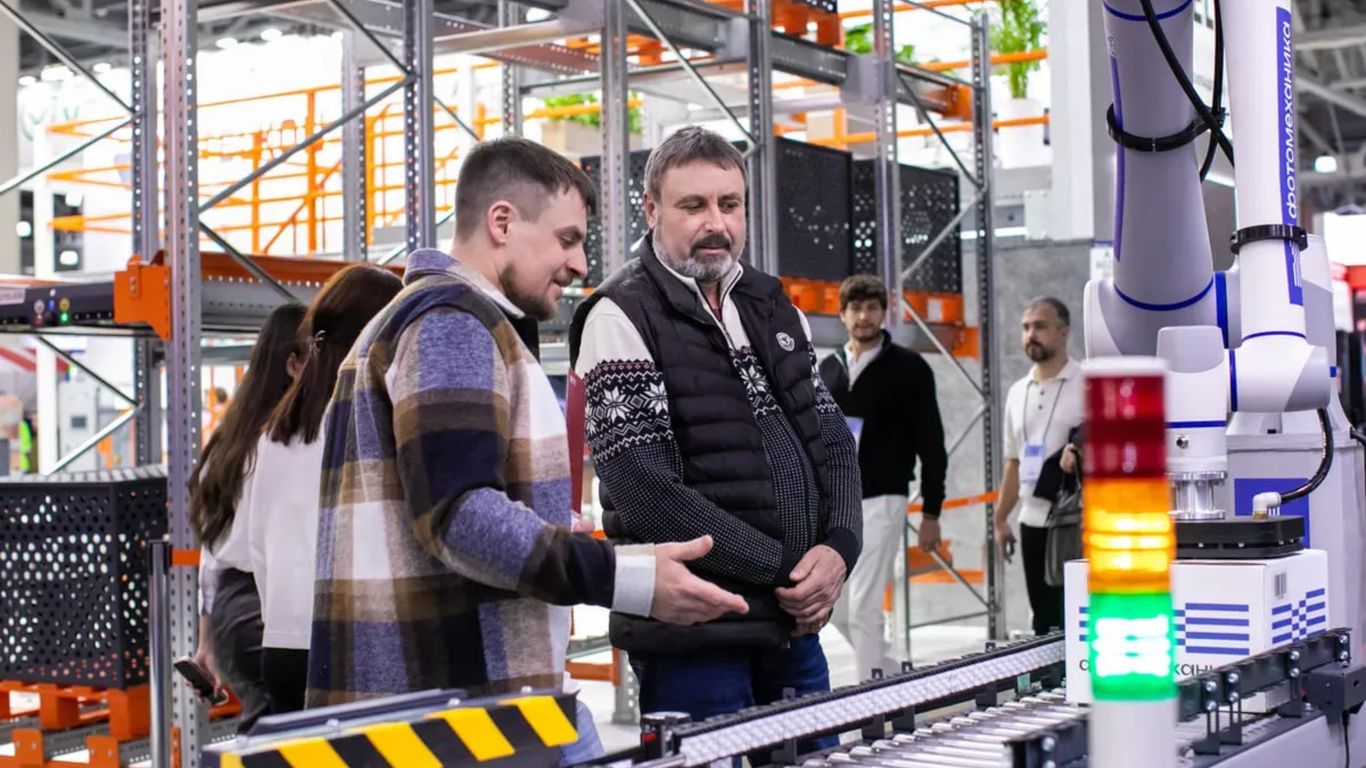
Warehouses are getting smarter, and a lot of that has to do with robots working alongside humans, all coordinated by IoT. Think about automated guided vehicles (AGVs) or robotic arms that move inventory around. These machines aren’t just programmed to do one thing; they’re connected, sharing data about their location, tasks, and any potential issues. This allows for much more efficient use of space and labor. Robots can handle repetitive or heavy lifting tasks, freeing up human workers for more complex jobs. The result is faster order fulfillment, fewer errors, and a safer working environment. It’s a complex dance of machines and data, all aimed at getting goods out the door faster and more accurately. This kind of connected system is a key part of modern supply chain management.
Transforming Industries with Connected Devices
It’s pretty amazing how connected devices are changing things, not just in our homes, but in big industries too. We’re talking about stuff that makes cities run better, keeps people safe in hospitals, and even helps grow more food. It’s not just about convenience anymore; it’s about making essential services smarter and more reliable.
Smart City Infrastructure Management
Think about how a city works – traffic lights, water pipes, power grids, waste collection. All these systems, when connected, can talk to each other. Sensors can monitor traffic flow and adjust lights to ease congestion. They can detect leaks in water mains before they become big problems, or alert waste management when bins are full, so trucks don’t make unnecessary trips. This kind of smart management means cities can operate more smoothly and use resources more wisely. It’s about making urban living more efficient and less wasteful.
Healthcare Patient Monitoring and Safety
In healthcare, the Internet of Things is making a real difference in how patients are cared for. Wearable devices can track vital signs like heart rate, blood pressure, and even glucose levels. This information can be sent directly to doctors or nurses, allowing them to keep an eye on patients, especially those with chronic conditions, without them needing to be in the hospital all the time. If a patient’s condition changes suddenly, an alert can be sent immediately. This means quicker responses and potentially better outcomes. It also helps with things like tracking medical equipment within a hospital, so staff can find what they need fast.
Agriculture Yield Optimization
Farming is getting a tech upgrade too. IoT sensors can be placed in fields to measure soil moisture, temperature, and nutrient levels. This data helps farmers know exactly when and where to water or fertilize, instead of just guessing. Drones equipped with cameras can fly over fields to spot areas that might have pests or diseases early on. This precision approach means less water and fewer chemicals are used, which is good for the environment and the farmer’s wallet. Ultimately, it leads to healthier crops and better harvests.
Here’s a quick look at how IoT helps in agriculture:
- Soil Monitoring: Sensors provide real-time data on moisture and nutrient content.
- Weather Tracking: Localized weather stations offer precise data for better planning.
- Pest and Disease Detection: Drones and sensors help identify issues early.
- Automated Irrigation: Systems can water crops automatically based on sensor data and weather forecasts.
Real-World IoT Applications in Retail and Logistics
The retail and logistics sectors are really seeing some big changes thanks to the Internet of Things. It’s not just about fancy gadgets anymore; it’s about making things work better, faster, and with fewer mistakes. Think about it: keeping track of stuff, making sure customers are happy, and stopping theft – IoT is stepping in to help with all of it.
Real-Time Asset Tracking and Visibility
One of the biggest headaches in logistics and retail is knowing exactly where your stuff is. Lost shipments mean unhappy customers and lost money. IoT sensors, often attached to pallets, containers, or even individual high-value items, can send out their location in real-time. This means you can see your assets moving across the country or even just across the warehouse floor. This kind of visibility helps businesses optimize their supply chains and react quickly if something goes off track. It’s like having a constant GPS for everything important.
Inventory Management Solutions
Running out of a popular item or having too much of something that isn’t selling is a classic retail problem. IoT is changing that. Smart shelves with weight sensors can tell you when stock is low. RFID tags on products can be scanned automatically by drones or fixed readers, giving an instant count. This real-time data means:
- Reduced Stockouts: Always having what customers want.
- Less Overstocking: Avoiding money tied up in unsold goods.
- Automated Reordering: Systems can trigger new orders when levels drop.
This accuracy helps keep operations smooth and customers satisfied.
Fraud and Damage Prevention Strategies
It’s a tough world out there, and unfortunately, theft and damage are real concerns. IoT offers ways to fight back. Sensors can detect if a package has been opened unexpectedly or if a temperature-sensitive item has been stored incorrectly, which could ruin it. Smart cameras with analytics can spot unusual activity in stores or warehouses, alerting security personnel before a problem escalates. For example, if a container carrying electronics is dropped, an accelerometer can record the shock, providing evidence of mishandling and helping to prevent future damage. These proactive measures save businesses a lot of money and hassle.
Improving Safety and Sustainability with IoT
It’s pretty amazing how the Internet of Things is stepping up to make our workplaces and our planet a bit safer and greener. We’re not just talking about fancy gadgets here; we’re talking about real tools that help prevent accidents and cut down on waste.
Worker Safety Monitoring Systems
Think about jobs where things can get a little dicey, like construction sites or factories with heavy machinery. IoT is stepping in to keep an eye on things. Wearable devices, for instance, can track a worker’s location and even monitor their vital signs. If someone gets into trouble or is in a dangerous spot, an alert can go out immediately. Sensors can also keep tabs on the environment, sniffing out things like gas leaks or dangerously high temperatures. This means teams can react fast, potentially avoiding serious incidents before they even happen. It’s like having an extra set of eyes looking out for everyone.
Sustainability Monitoring and ESG Reporting
Companies are under more pressure than ever to be good environmental citizens. IoT helps with this by giving a clear picture of what’s going on. Sensors can track air and water quality, monitor waste levels, and even keep an eye on resource usage across a facility. This data isn’t just for show; it’s used to make smarter decisions. For example, knowing exactly how much water is being used in a process can lead to finding ways to cut back. This kind of detailed, real-time information is also super helpful for creating those Environmental, Social, and Governance (ESG) reports that investors and the public are increasingly asking for. It moves sustainability from a buzzword to something measurable.
Energy Monitoring for Cost Reduction
Let’s be honest, energy costs can add up fast, especially for businesses. IoT offers a way to get a handle on that. By placing sensors on equipment and throughout a building, you can see exactly where and when energy is being used. This isn’t just about seeing the total bill; it’s about spotting the energy hogs. Maybe a machine is running when it doesn’t need to, or perhaps a lighting system is overdoing it. Once you have this data, you can make targeted changes to reduce consumption. This not only saves money but also contributes to a more sustainable operation by using less power overall. It’s a win-win, really.
IoT in Manufacturing and Energy Sectors
Industrial IoT for Facility Management
Think about a big factory floor or a sprawling power plant. Keeping everything running smoothly, safely, and efficiently is a huge job. That’s where Industrial IoT (IIoT) really steps in. It’s all about connecting machines, sensors, and systems so they can talk to each other and share information. This connection helps managers get a clear picture of what’s happening across the entire facility, right as it happens. Instead of just reacting when something breaks, IIoT allows for a more proactive approach. This constant stream of data helps pinpoint inefficiencies and potential problems before they become major headaches.
Here’s how it plays out:
- Machine Health Monitoring: Sensors attached to equipment can detect subtle changes, like unusual vibrations or rising temperatures. This early warning means maintenance crews can fix a small issue before it causes a costly shutdown.
- Environmental Control: In manufacturing, precise conditions are often needed for product quality or to protect sensitive machinery. IoT sensors monitor temperature, humidity, and air quality, making sure everything stays within the right parameters. If things drift, an alert goes out so adjustments can be made quickly.
- Asset Tracking: Knowing where everything is – from raw materials to finished goods and even specialized tools – is key. IIoT provides real-time visibility, reducing time spent searching and preventing items from getting lost or misplaced.
Continuous Monitoring of Energy Assets
Energy is a big expense for manufacturers and energy companies alike. IoT makes it possible to keep a close eye on how energy is being used and how energy-producing assets are performing. This isn’t just about cutting costs; it’s also about reliability and sustainability.
For example, wind turbines can be fitted with sensors that constantly send data about blade movement, gearbox temperature, and how much power they’re generating. If the system notices signs of wear on a component, it can automatically schedule a maintenance visit. This prevents unexpected failures that could take a turbine offline for a long time. Similarly, in a factory, IoT systems can track energy consumption down to individual machines. This helps identify which processes are using the most power and where savings can be made, perhaps by optimizing run times or upgrading equipment.
Digital Documentation for Compliance
Keeping up with regulations and documenting everything properly can be a real chore. IoT can help automate a lot of this. Think about safety checks or environmental reports. Instead of manual logs that can be prone to errors or omissions, IoT devices can automatically record data.
For instance, sensors can log environmental conditions like emissions or water usage. This data can be fed directly into compliance reports, making the process much more accurate and less time-consuming. It also provides a clear, auditable trail of operations, which is invaluable if regulators come asking questions. This digital approach not only saves time but also reduces the risk of penalties due to incomplete or inaccurate record-keeping.
Innovations in Smart Homes and Offices
These days, our homes and workplaces are getting a whole lot smarter, thanks to the Internet of Things. It’s not just about fancy gadgets anymore; it’s about making our living and working spaces more comfortable, efficient, and secure. Think about it: your house can now adjust its own temperature before you even get home, or your office can manage its lighting based on who’s actually in the room.
Automated Environmental Control
This is where things get really interesting. Sensors are popping up everywhere, keeping tabs on things like temperature, humidity, and even the quality of the air we breathe. If the CO2 levels get too high, indicating poor ventilation, the system can automatically kick on the fans. It’s like having a personal assistant for your building’s atmosphere.
Here’s a quick look at what these systems can manage:
- Temperature and Humidity: Keeping things just right, all the time.
- Air Quality: Monitoring CO2, dust, and other particles for a healthier environment.
- Lighting: Adjusting brightness based on natural light and whether anyone’s present.
- Ventilation: Making sure fresh air is circulating when needed.
Enhanced Home Security Systems
Security is a big one, and IoT is making it more robust. We’re talking about smart locks that you can control from your phone, even when you’re miles away. Sensors can detect water leaks before they turn into a major problem, or alert you if a door or window is left open unexpectedly. Imagine getting a notification on your phone that a pipe has burst in the basement – you can call a plumber right away, potentially saving thousands in repairs.
Key security features include:
- Smart locks with remote access.
- Water leak detection sensors.
- Door and window open/close alerts.
- Real-time camera monitoring.
Personalized User Experiences
Beyond just comfort and security, IoT is also about tailoring our spaces to our individual needs. In hotels, for example, this means your room can be set to your preferred temperature and lighting the moment you walk in, all based on your profile. In our homes, it could mean your smart speaker learning your morning routine and adjusting the lights and coffee maker accordingly. It’s about making technology work for us in ways that feel natural and convenient, simplifying daily tasks and making our environments more responsive to our lives.
Wrapping It Up
So, we’ve seen how the Internet of Things isn’t just some futuristic idea anymore. It’s out there, working in factories, on farms, in hospitals, and even helping manage our cities. From keeping an eye on equipment to make sure it doesn’t break down unexpectedly, to tracking goods so they get where they need to go, IoT is making things run smoother. It’s helping businesses save money, work more efficiently, and sometimes, just make our daily lives a little bit easier. While there can be some bumps in the road when setting these things up, like making sure they work with what you already have, the benefits are pretty clear. It’s all about using connected devices to get better information and make smarter choices. Pretty neat, right?
Frequently Asked Questions
What exactly is the Internet of Things (IoT)?
Think of IoT as a way to connect everyday objects, like your fridge or a factory machine, to the internet. These connected things can then send and receive information. This helps them work smarter, like automatically telling you when you’re low on milk or letting a factory know if a machine needs fixing before it breaks.
How does IoT help businesses save money?
IoT helps businesses save money in a few main ways. For example, it can predict when machines might break down so they can be fixed early, avoiding costly repairs and lost production time. It also helps track things like energy use, so companies can find ways to use less power and lower their bills.
Can you give an example of IoT in action in a city?
Sure! In a smart city, IoT can be used to manage traffic lights to reduce jams, monitor air quality, or even help manage trash collection more efficiently by knowing when bins are full. It’s all about using connected devices to make city services work better for everyone.
How is IoT used in farming?
In farming, IoT helps grow more food with fewer resources. Sensors in the soil can tell farmers exactly how much water and fertilizer crops need, so they don’t waste any. Drones can fly over fields to check on the plants and spot problems early, leading to healthier crops and bigger harvests.
What’s an example of IoT in healthcare?
In healthcare, IoT devices can help doctors keep an eye on patients without them needing to be in the hospital all the time. For instance, a wearable device could track a patient’s heart rate and send alerts to their doctor if something seems wrong. This helps patients get care faster and can make them feel safer.
Are there different kinds of IoT applications?
Yes, there are! You have applications for smart homes (like controlling lights with your phone), wearable devices (like smartwatches that track your steps), industrial uses (like managing factory machines), and ways to track things like packages or vehicles. Each type helps in its own special way.