So, you’re looking to learn Python, huh? It’s a pretty popular choice these days, and for good reason. It’s used for all sorts of things, from building websites to crunching data. But with so many free courses out there, how do you pick the right one? We’ve scoured Reddit to find out what people are actually recommending. Forget wading through endless threads; we’ve got the best free Python course options right here, based on what the community is saying.
Key Takeaways
- Python for Everybody Specialization offers a solid foundation, often praised for its structure.
- Khan Academy provides a free, unit-based approach with hands-on projects.
- The Official Python Tutorial is a go-to for detailed, up-to-date documentation.
- JetBrains’ Introduction to Python lets you learn within a professional coding environment.
- Dave Gray’s Python Tutorial is a recent, 9-hour video course covering modern practices and building a web app.
1. Python for Everybody Specialization
If you’re totally new to coding, the "Python for Everybody" specialization is a really solid place to start. It’s taught by Charles Severance, often called Dr. Chuck, and he’s got this way of explaining things that just makes sense, even if you’ve never seen a line of code before. This whole program is built for absolute beginners. You’ll go from understanding what programming even is to writing your own Python code and working with data. It’s not just about theory; you’ll actually build simple applications. People on Reddit seem to love Dr. Chuck’s style, saying he makes learning fun and that this specialization was the best way for them to learn Python from scratch. It’s a great way to get your feet wet without feeling overwhelmed. You can find more details about this introduction to programming if you’re curious.
2. Khan Academy Python Course
Khan Academy has a free Python course that’s broken down into six different units. It’s designed to show you how Python is used in the real world, not just in theory. You’ll get video lessons, read text explanations, and do hands-on assignments where you can actually build things like recommendation engines, simple games, and even population simulators.
The whole course is built to make sure each unit adds to what you learned before, so you’re not just memorizing syntax. You’ll start with the absolute basics and work your way up to more complex data structures, all while creating programs that do stuff. It’s a pretty solid way to get started if you like learning by doing.
Here’s a quick look at what they offer:
- Six units covering core Python concepts.
- Hands-on projects included in every unit.
- A built-in programming platform so you can code right away.
- A clear path that shows you exactly where you’re going.
3. Official Python Tutorial
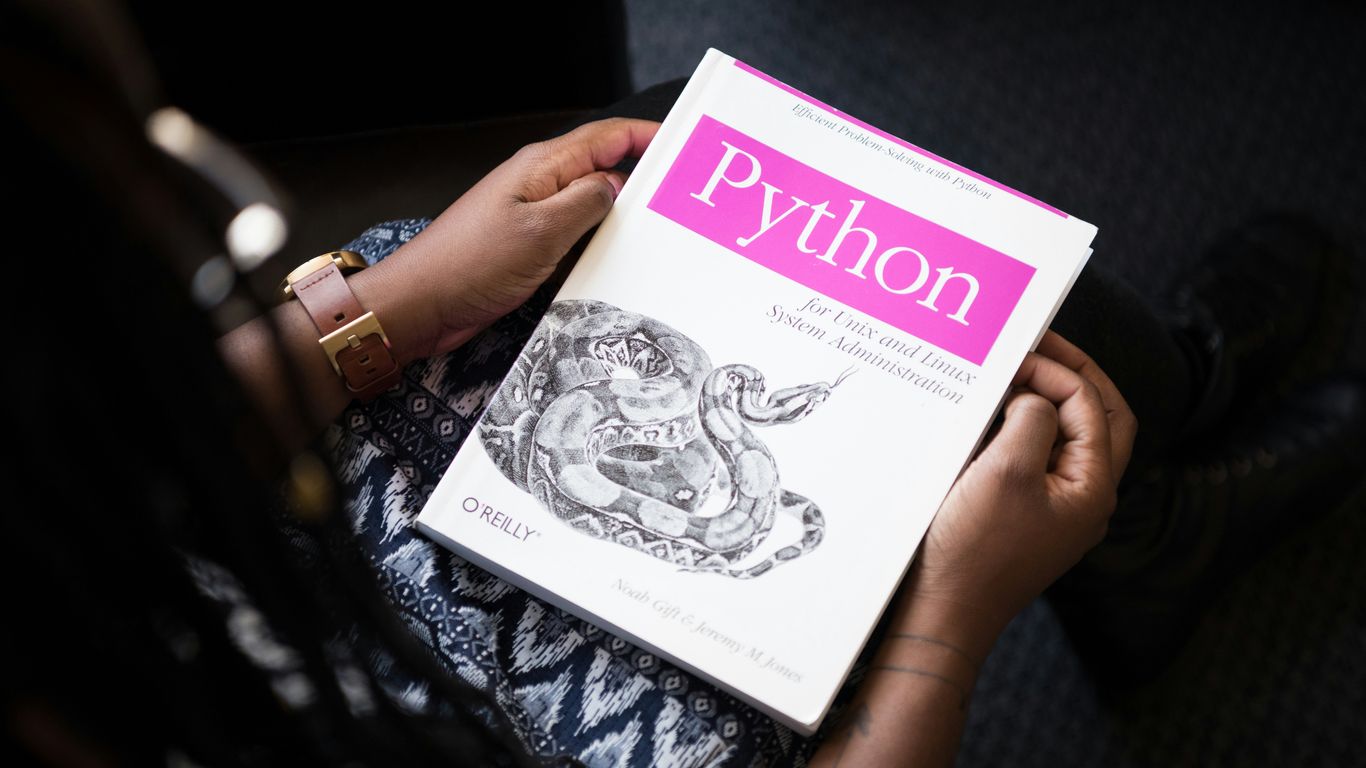
If you’re someone who likes to read and work through things at your own speed, the official Python tutorial is a solid choice. It’s basically the source of truth for the Python language, maintained by the folks who actually build Python. This means it’s always up-to-date with the latest features and best practices.
The tutorial starts with the absolute basics, like how to get Python running and what syntax means. From there, it moves into more complex stuff such as functions, data structures, and object-oriented programming. It’s all text-based, which might not be for everyone, but it’s incredibly thorough. You’ll find plenty of code examples sprinkled throughout, which you can copy and run yourself to see how things work.
Here’s what makes it stand out:
- Comprehensive coverage: It really does cover pretty much everything about the language, from beginner topics to more advanced concepts.
- Official and current: Since it’s the official documentation, you know the information is accurate and reflects the latest version of Python.
- Practical code examples: Each section usually comes with code snippets you can test out.
- Self-contained lessons: You can often learn a specific topic without needing to read a whole chapter first.
- Works offline: Once you download it, you can access the tutorial without an internet connection, which is handy.
This is a great resource if you prefer detailed, technical documentation over video lessons. It’s like having the Python rulebook right there with you as you learn.
4. Introduction to Python by JetBrains
JetBrains has put together a free course that’s pretty neat if you like learning inside a professional coding environment. It’s called ‘Introduction to Python,’ and it basically walks you through Python basics while you’re actually using PyCharm, which is a popular tool developers use. PyCharm has features like code completion and debugging that can make writing code a bit easier, especially when you’re just starting out.
The course isn’t super long, with about 10 lessons. But within those lessons, you’ll find a good number of coding challenges – 76 of them, to be exact – plus 8 theory tasks. This setup means you’re not just reading about Python; you’re actively writing code and getting immediate feedback. It’s a good way to get comfortable with both the language and the tools professionals use.
Here’s a quick look at what you get:
- Learn in a real development setup: You’re using PyCharm, not just a basic text editor.
- Lots of practice: With 76 coding challenges, you’ll get plenty of hands-on time.
- Instant feedback: The system tells you if your code works or not right away.
- IDE features: You get to play with tools that help you code faster and find mistakes.
5. Full Stack Python
If you’ve already got a handle on the basics of Python and are looking to build web applications, Full Stack Python is a great next step. It’s not exactly a course in the traditional sense, but more like a free, open-source book that covers the whole spectrum of Python web development. Think of it as a guide to get you from knowing Python to actually deploying things online.
This resource is really well organized. You can jump right to the topics that interest you most, whether that’s databases, deployment, or something else entirely. Each section breaks down technical ideas into plain language and gives you practical examples to follow along with. It’s updated regularly, so you’re learning about current tools and methods. It’s a solid choice for anyone ready to move beyond introductory Python and start building real web projects.
Here’s what you can expect to find:
- Detailed explanations of Python web development concepts.
- Practical code examples you can use.
- Information on modern tools and practices.
- Guidance on how to structure your learning path.
6. Dave Gray’s Python Tutorial
Dave Gray offers a solid, free Python tutorial that runs for about 9 hours. It’s a pretty methodical course, starting with the basics and moving into more complex stuff like closures and recursion. He released it in 2023, so it covers modern Python practices, which is good.
What I liked about it is how it’s organized, almost like a textbook with clear chapters. It doesn’t just stop at theory, though. There are exercises and coding challenges built in to help you actually practice what you’re learning. The tutorial culminates in building a Flask web application, which is a great way to see how Python is used in the real world for web development.
Here’s a quick look at what makes it stand out:
- Modern Python: Uses current conventions and practices.
- Practical Project: Ends with a hands-on web app project.
- Structured Learning: Chapters are clearly laid out, making it easy to follow.
- Virtual Environments: Covers virtual environments quite a bit, which is important for managing projects.
7. Mimo’s Python Course
Mimo takes a different route to teaching Python, focusing on hands-on coding right from the start. Forget long video lectures; here, you’re writing code in bite-sized, interactive lessons. It’s a great way to learn if you like to jump in and do.
The platform offers a couple of learning paths. There’s a basic Python course that covers the core stuff in about 14 modules. Then there’s a more involved Python Developer career track with 8 sections and 23 coding challenges. Both paths give you official certification when you’re done.
Here’s a quick look at what you get:
- Interactive lessons: You type actual code and see results immediately.
- Built-in code editor: No need to set up anything on your computer.
- AI hints: If you get stuck, there are AI-powered helpers.
- Portfolio projects: You’ll build projects to show off.
Mimo has a free basic version, which is pretty good for getting started. You can use it on your computer or phone. However, some lessons and features are locked behind a paid subscription. Still, the free part is enough to get a solid feel for the course and see if it’s a good fit for your learning style.
8. Introduction to Python Programming on Udacity
Udacity has a course called "Introduction to Python Programming" that’s pretty solid for folks who like learning by watching. It’s designed for beginners and walks you through the basics of Python. What’s neat is how they connect these concepts to how actual tech companies use them. You start with simple syntax and move up to scripting and data structures, which are handy for things like data analysis.
The lessons are taught by people who actually work in the tech industry. They share real examples from their jobs, which helps make the lessons feel more grounded. It’s not just abstract ideas; you see how they’re applied. This course is a good starting point if you’re looking for a structured way to learn Python, especially if you’re interested in how it’s used in data science. You can find more details about this Udacity course on their site. They also have other courses that touch on AI, like the AI Python for Beginners program, which might be interesting if that’s your goal.
9. AI Python for Beginners
If you’re looking to get into AI and want to start with Python, this course is a solid choice. It’s put together by Andrew Ng and the DeepLearning.AI team, and it’s designed to get you going with Python specifically for AI tasks. It’s about a 4-hour course, which is pretty manageable.
What you’ll do is mix basic Python stuff with actual AI projects. They’ve got around 35 video lessons and 25 code examples to work through. You’ll actually build things like a recipe generator, a smart to-do list app, and even a travel planner. Pretty cool, right?
They also get you working with libraries for showing data visually, and you’ll learn how to pull information from websites using BeautifulSoup. Plus, you’ll connect to real-time data through APIs. All the coding happens in Jupyter Notebooks, which is what data scientists use all the time. It’s a good way to get a feel for how professionals work.
Here’s a quick look at what makes it stand out:
- Focus on AI applications: You’re learning Python with AI in mind from the start.
- AI coding assistant: There’s a built-in assistant to help you out when you get stuck.
- Project-based learning: You learn by doing, building actual projects.
- Jupyter Notebooks: You’ll use the same tools data scientists use.
- Clear path: It moves from the basics all the way to using APIs.
10. Python for Beginners by Kevin Stratvert
Kevin Stratvert’s "Python for Beginners" is a solid choice if you’re looking for a tutorial that gets you set up and coding quickly. Unlike some courses that just jump into syntax, Stratvert takes the time to walk you through the entire process of setting up your development environment. This means you’ll learn not only how to write Python code but also how to get your computer ready to run it, using tools like Visual Studio Code.
The whole tutorial is just over an hour long, making it super accessible. It covers installing Python, writing your first lines of code, and even how to fix common problems that pop up. It’s great because he explains the ‘why’ behind things, not just the ‘how’. You get practical experience with a real coding tool right from the start. If you’re the type of person who likes to see how everything fits together before diving deep, this is a good place to begin. You can find other helpful video resources on YouTube channels for learning Python.
Here’s a quick look at what you get:
- A complete guide to setting up Python and Visual Studio Code.
- Clear explanations for both the steps and the reasons behind them.
- Examples of how to fix common coding issues.
- Hands-on practice with a professional-grade, free tool.
Wrapping Up Your Python Journey
So there you have it, a bunch of solid places to start learning Python without spending a dime. Whether you’re into watching videos, messing around with code directly, or just reading up on things, there’s something here for everyone. Remember, the best way to learn is to just jump in and start building stuff. Don’t get too caught up in finding the ‘perfect’ course; pick one that looks interesting and give it a shot. You might surprise yourself with what you can create. Happy coding!
Frequently Asked Questions
What are the best free Python courses for absolute beginners?
For folks just starting out, courses like ‘Python for Everybody Specialization’ on Coursera, Khan Academy’s Python course, and Kevin Stratvert’s ‘Python for Beginners’ are great choices. They break down the basics in a way that’s easy to understand and build your confidence.
Can I learn Python for free and still get a certificate?
While many free courses offer excellent learning, official certificates usually come with paid courses. However, platforms like Coursera sometimes offer financial aid for their specializations, and some free courses might provide certificates upon completion, like Mimo’s.
Which free Python courses are good for learning web development?
If you’re aiming for web development, ‘Full Stack Python’ is a fantastic free book that covers the whole process. Dave Gray’s tutorial also builds a Flask web application, which is super helpful for practical skills.
Are there free Python courses that focus on AI or data science?
Yes! The ‘AI Python for Beginners’ course is perfect for learning Python specifically for AI projects. Udacity’s ‘Introduction to Python Programming’ also touches on data science applications, making it a good starting point.
How do I choose between video tutorials and text-based courses?
It really depends on how you learn best! Video tutorials, like those from Dave Gray or Kevin Stratvert, are great if you like watching someone code and explain things. Text-based resources, such as the Official Python Tutorial, are excellent for diving deep into details at your own pace.
What if I get stuck while learning Python for free?
Don’t worry, getting stuck is part of learning! Many free courses have active communities, like forums or Discord servers, where you can ask questions. Also, AI tools like ChatGPT can help explain tricky concepts or debug your code when you need a quick answer.