There’s something about classic fighting games that just draws people back in, even after all these years. Maybe it’s the memories of hanging out at the local arcade, pockets full of quarters, or maybe it’s the thrill of finally pulling off that impossible combo against your best friend. These games weren’t just about button mashing—they were about learning patterns, picking your favorite character, and bragging rights. Today, lots of folks are looking to recapture that feeling, whether it’s through emulators, collecting old consoles, or jumping into retro tournaments. Let’s take a look at what made these classic fighting games so special and why they still matter now.
Key Takeaways
- Classic fighting games helped shape video game history, especially in the 80s and 90s.
- Unique characters and simple but strategic gameplay keep these games fun to play even today.
- Arcade cabinets brought people together, making fighting games a social experience.
- Some underrated titles, like Rival Schools and Power Stone, are worth checking out for something different.
- Modern fans can enjoy these classics through emulators, original hardware, and active retro gaming communities.
The Origins of Classic Fighting Games
Early Arcade Innovations and Karate Champ
If you spend any time talking about the roots of fighting games, you have to mention the arcades. Heavyweight Champ (1976) is often highlighted as the earliest punch at competitive fighting games. It let players control two boxers, throwing punches in a simple back-and-forth. Some years later, Karate Champ (1984) made a big splash with its head-to-head karate matches, which started adding in recognizable martial arts moves. It wasn’t even about fancy graphics or speed—these games were about beating your friend standing next to you, and that was half the fun.
Here’s how the early days looked:
- Few characters to pick from (sometimes just one!)
- Matches were all about timing and anticipation
- Controls were basic but demanded practice
Even in fuzzy black-and-white, games like Heavyweight Champ gave players a reason to gather around the cabinet to see who could outlast the other.
Rise of One-on-One Competitive Play
By the mid-80s, having direct one-on-one battles started catching on as a standard. You knew the challenge wasn’t just the computer; it was your buddies and strangers alike waiting to take you down at your local hangout. What made this shift important?
- Human vs. human competition raised the stakes
- Trash talk and rivalry started to become part of the scene
- Quick rematches kept people glued to arcade machines
Classic cabinets became almost like sports arenas—a win meant instant bragging rights.
Impact on 80s Gaming Culture
These games weren’t just about fighting pixelated opponents. They gave way to a whole culture in the 80s:
- Arcades became social hubs where groups of kids, teens, and sometimes adults, would hang out for hours
- Winning at the cabinet could make you a minor celebrity among regulars
- The thrill of learning special moves or mastering a new trick kept people putting quarters in week after week
Classic fighters built the blueprint for modern multiplayer games—local, competitive, and all about the experience you shared with others. Arcade fighting games helped kick off a wave of friendly competition and fast friendships that still color how we play to this day.
Defining Characteristics That Set Classic Fighting Games Apart
Classic fighting games stand out even decades later, and it’s not just nostalgia talking. There are a few things that really make these titles special—some obvious, some you might not think about until you revisit them.
Distinctive Character Designs and Roster Diversity
One of the first things people notice about these old-school fighters is how unique the characters feel. Every fighter, from Ryu to Sub-Zero, had their own look, nationality, and fighting style. Back in the day, developers would push the limits of their pixel art, making sure each character popped off the screen in their own way.
- Colorful costumes and exaggerated personalities became the norm.
- Every character often had ties to a different country or fighting discipline—capoeira, sumo, kung-fu, and more.
- Even with technical restrictions, character rosters were broad enough to let players find a main who really matched their vibe.
Strategic Depth Versus Simplicity in Gameplay
Classic fighting games usually felt easy to pick up but took real effort to master. There was a sweet spot between letting new players join in and giving veterans enough complexity to keep going for years. Here’s how the balance broke down:
| Element | Simpler (e.g., Karate Champ) | Complex (e.g., King of Fighters) |
|---|---|---|
| Move List Complexity | Low | High |
| Combo Potential | Limited | Expanded (multi-hit combos) |
| Accessibility | Very High | Medium |
| Depth for Experts | Moderate | Very High |
Most games made sure you could do basic attacks with just a couple of button presses. But if you wanted to go farther, there was always something new to learn—timing, spacing, or mind games with your opponent.
Signature Moves and Combo Mechanic Evolution
Signature special moves made certain characters unforgettable. Flying kicks, fireballs, and spinning attacks gave each fighter their own bag of tricks. Classic games often assigned these moves to simple button and joystick combinations, making discovery and repetition part of the fun.
- Classic games introduced hidden moves and secrets (think: Street Fighter’s Hadouken or Mortal Kombat’s fatalities).
- Combos started as accidental glitches but quickly became a feature, letting players chain moves together for big damage.
- These mechanics pushed players to practice and experiment, turning matches from random button-mashing into skillful showdowns.
Everything about classic fighting games—bold personalities, easy controls, and the surprise of pulling off a flashy combo—worked together to keep gamers coming back, even after all these years.
Unforgettable Icons: Celebrated Titles in Classic Fighting Games
Street Fighter II’s Revolutionary Influence
Street Fighter II is the game that showed everyone what fighting games could really be. Before this hit arcades in 1991, one-on-one fighting games were pretty basic. But suddenly, players had a whole crew of fighters to pick from, each with their own look, style, and iconic special moves. The community felt alive; it was common to see crowds gathering around the cabinet, just to watch Ryu and Ken trade fireballs.
A few of the features that made Street Fighter II stand out:
- A diverse roster with unique characters
- Special moves like Hadoukens and Sonic Booms
- Competitive two-player mode that encouraged skill and strategy
If you look at any modern fighting game, you can trace most of their ideas right back to SFII. Its tournaments basically built the competitive scene from scratch, too.
Mortal Kombat’s Controversy and Popularity
Mortal Kombat took things in a totally different direction. When this game landed in 1992, nobody could ignore its over-the-top violence, digitized character graphics, or those infamous Fatalities. Parents and politicians even freaked out, which only made kids want to play it more. Back then, rumors about secret characters and finishing moves spread like wildfire in every school cafeteria.
Let’s compare Street Fighter II and Mortal Kombat in a quick table:
| Feature | Street Fighter II | Mortal Kombat |
|---|---|---|
| Year Released | 1991 | 1992 |
| Art Style | Cartoon sprite-based | Digitized realism |
| Violence Level | Moderate | High (gory) |
| Notable Mechanic | Combos and specials | Fatalities |
| Impact | Built global scene | Sparked ESRB rating |
It didn’t matter which arcade you walked into—one of these games was always there, usually surrounded by a noisy crowd.
Memorable Rivalries and Tournament Moments
From the start, fighting games have been about more than just knocking out your opponent. The best moments came from dramatic rivalries and unforgettable matches.
A few classic rivalries and events that stand out:
- Ryu vs. Ken (Street Fighter)—everybody had a favorite
- Liu Kang vs. Shang Tsung (Mortal Kombat)
- The first Evo tournaments in the late ‘90s, where players brought their A-game
These battles weren’t just about pride—they created stories that fans still talk about today. Sometimes the loser would storm off; other times, you’d see two lifelong friends shake hands after a close match. That’s what made these games unforgettable, and why people keep coming back to them, decades later.
The Golden Era: 90s Boom of Classic Fighting Games
Man, the 90s were something else for fighting games, weren’t they? It felt like every arcade cabinet was pumping out new titles, and suddenly, everyone was talking about who could do the best Hadouken. This decade really took the groundwork laid in the 80s and just ran with it, creating a whole culture around these one-on-one battles.
The Role of Arcade Cabinets in Communities
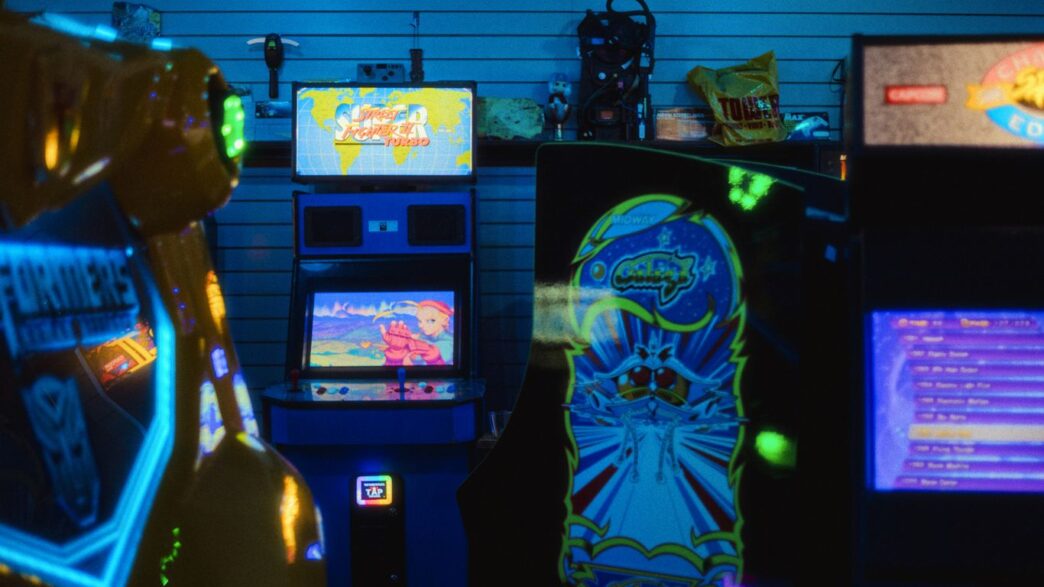
Arcades back then weren’t just places to play games; they were social hubs. You’d see groups of friends huddled around a Street Fighter II machine, cheering on whoever was playing, or maybe groaning when someone pulled off a particularly nasty combo. It was a real scene. People would line up, waiting for their turn, and you’d get to see all sorts of players – the super-skilled ones who seemed to have infinite lives, and the button-mashers just having a blast. These cabinets were the heart of it all, bringing people together over a shared love for digital combat. It was a simpler time, really, where you could just drop a quarter and get into a competitive match with anyone.
Advancements Owed to Hardware Innovations
It’s wild to think about how much the hardware changed things. Games like Street Fighter II really pushed the limits of what was possible. Then you had consoles like the Neo Geo, which were basically arcade machines in your living room, letting you play these complex games at home with amazing graphics and sound for the time. This hardware leap meant developers could create more characters, more moves, and more intricate stages. It wasn’t just about better graphics, though; it was about making the gameplay smoother and more responsive, which is a big deal when you’re trying to land a perfect combo.
Transition from 2D to 3D Showcase Titles
While 2D fighting games were still king for a good chunk of the 90s, the latter half saw the big shift towards 3D. Games like Virtua Fighter and Tekken started showing up, and it was a whole new ballgame. Suddenly, you weren’t just moving left and right; you had depth. This transition wasn’t always smooth, and some players really missed the classic 2D feel, but it opened up a ton of new possibilities for gameplay and character movement. It was exciting to see how developers figured out how to translate fighting mechanics into a three-dimensional space, and it set the stage for the fighting games we see today.
Exploring Underrated Gems of the Genre
Classic fighting games aren’t just about the heavy hitters everyone talks about. There are a bunch of lesser-known titles that pushed the genre forward in their own weird and wonderful ways. Most folks missed out on these games the first time around, but if you’re tired of the same old names, these hidden gems really are worth a look.
Rival Schools: Blending RPG with Fighting
Not a lot of people remember Rival Schools, but it was way ahead of its time. Capcom mixed in light RPG features, letting you pick fighters from different schools, all with their own stories and moves. The teamwork system was fresh—teaming up students for double attacks, with some hilarious or dramatic tag-ins. Rival Schools makes you realize that the fighting genre has room for story and character connection, not just button mashing.
What made it stand out:
- Diverse cast, each tied to a different school
- RPG-like story modes with branching paths
- Unique team-up attacks
If you never played it, you can get a little more inspiration from these underrated PlayStation games.
Power Stone and the Introduction of Arena Combat
Before Super Smash Bros became a household name, Power Stone brought the chaos of 3D arena fighting to arcades and the Dreamcast. You fought in fully interactive stages, tossed items at your rivals, and scrambled to grab the magical stones that let you unleash wild super moves. It wasn’t just about memorizing combos—it was about using every inch of the stage and thinking on your feet.
Key features:
- 3D arenas with environmental hazards and items
- Fast-paced action, perfect for party play
- Characters had slick, transforming super attacks
Power Stone proved that fighting games could be a blast without sticking to old formulas.
Other Overlooked Classics Worth Playing
Not every underdog got the spotlight, but a handful offered something special—cool mechanics, great soundtracks, or just tons of charm. Here are three you might want to track down:
- Bushido Blade: No health bars, just pure, tense duels where one mistake means defeat.
- Garou: Mark of the Wolves: Tight controls, a well-balanced roster, and a jazz-heavy soundtrack.
- Ehrgeiz: A wild crossover with Final Fantasy characters, blending wrestling, weapons, and insane arenas.
| Game Title | Year | Platform | Unique Twist |
|---|---|---|---|
| Rival Schools | 1997 | PlayStation, Arcade | RPG elements + team attacks |
| Power Stone | 1999 | Dreamcast, Arcade | Free-roaming 3D arenas |
| Bushido Blade | 1997 | PlayStation | One-hit kills, realistic swordplay |
| Garou: Mark of the Wolves | 1999 | Neo Geo, Dreamcast | Polished 2D combat, new counter system |
| Ehrgeiz | 1998 | PlayStation, Arcade | Multi-tiered arenas, FF cameos |
Classic fighters don’t always get their due, but checking out these slept-on games can really shake up your perspective. Sometimes the most interesting stuff is hiding in the corners, just waiting for someone to hit start.
Rediscovering Classic Fighting Games in the Modern Age
Classic fighting games aren’t just stuck in the past—they’ve got a second life today. Whether you’re feeling nostalgic for that arcade buzz, or just want to see why these games still get tournament play, it’s easier than ever to jump back in. Here’s how people are keeping the classics alive (and why you might want to join in).
Using Emulators and Vintage Hardware
Playing old fighting games doesn’t mean you need to hunt down a dusty arcade cabinet. Most folks today go with one of these options:
- Emulators: Free software like MAME, SNES9x, and FightCade lets you recreate arcade or console experiences right on your PC or even your phone. These programs make it easy to set up matches with friends or strangers online.
- Original Hardware: Some collectors still swear by playing on authentic consoles like the Super Nintendo, Sega Genesis, or even classic arcade sticks. There’s something special—maybe it’s the feel of the controls or the CRT glow—that can’t be faked.
- Mini Consoles: Companies release mini versions of systems (think SNES Classic), already preloaded with legendary fighting games. These are plug-and-play and less hassle than hunting for rare carts or arcade boards.
Quick side note: Emulation settings and controller adapters can make a huge difference in how fun (or frustrating) your retro sessions are.
Connecting with the Retro Gaming Community
It’s not all solo nostalgia, either. Loads of people are out there sharing high scores, trading tips, and talking trash (in good fun!) about the best fighters:
- Local meetup groups often host weekend tournaments at community centers or retro arcades. You’d be surprised how many people show up in costume.
- Online forums—places like Reddit’s r/fightinggames or Discord servers—make it easy to find advice, rivals, and even new friends.
- Retro game conventions these days almost always have an area for competitive play, speedruns, or just a bunch of folks crowding around a screen cheering on a good match.
Participating in Local and Online Tournaments
You don’t have to be a pro to get in on the action. Tournaments today come in all shapes and sizes. Some are super competitive, but many are just for fun. Here’s what usually goes down:
- Pick a Game: Classic Street Fighter II, Mortal Kombat Trilogy, or something weirder—there’s a bracket for just about everything.
- Register and Show Up: For online events, you’ll need a stable internet connection and your emulator/software ready, while local tourneys usually want you there (sometimes with your own gamepad).
- Match Structure: Most competitions use double elimination, so you get a second shot if you lose your first fight. It keeps things exciting and fair.
| Tournament Type | Entry Fee | Skill Level | Typical Prizes |
|---|---|---|---|
| Local Meetup | $0-$10 | Beginner | Store credit, swag |
| Online Bracket | $0-$5 | Mixed | Digital gift cards |
| Major Retro Con | $15-$30 | Intermediate | Trophies, cash, games |
A lot of regulars say it’s the atmosphere, not the prize, that keeps them coming. People trade stories, swap old tips, and often go home with more friends than they started with.
Rediscovering these games today is less about chasing high scores alone—it’s about jumping into a community that loves the same pixel-perfect combos and dramatic finishes as you do. Give it a shot. You might just find your old favorite game feels brand new.
Key Mechanics Every Fan Should Master
When you jump into a classic fighting game, you quickly realize there’s a lot going on under the hood. It’s more than just mashing buttons and hoping for the best—it takes practice, attention, and maybe even a little obsession. Let’s break down a few areas every dedicated fan should try to get the hang of.
Combo Chains and Timing Excellence
Landing combos consistently is what separates beginners from confident players. You can’t just memorize a string of hits and expect them to come out perfectly. It’s about pressing each button with just the right timing, almost as if you’re playing music by ear. Classic games like "Street Fighter II" or "Tekken" require:
- Practicing basic two- or three-hit links to get comfortable with the rhythm
- Watching the opponent’s movement and recognizing when to start a combo
- Learning the "cancel" points within a move to keep a chain going
Even the most stylish, wild-looking combos start with the boring basics. The best players keep practicing until these sequences are second nature.
Understanding Character Matchups and Balance
Every fighting game roster is like a box of chocolates—no two characters are exactly the same. Some are built for ranged attacks, others are up close and personal. To really enjoy the game, you have to learn what makes your main character tick and what gives them trouble. A few practical steps:
- Study your character’s strengths and weaknesses
- Watch replays to see how others handle tough matchups
- Keep notes (even a simple chart) tracking which characters give you trouble
Here’s a small example of how matchup data can be organized:
| Opponent Character | Trouble Level (1-5) | Notes |
|---|---|---|
| Ryu | 2 | Watch out for fireballs |
| Zangief | 4 | Avoid grappling range |
| Chun-Li | 3 | Fast pokes, block more |
Resources and Guides for Improving Your Gameplay
There’s never been more help available for fighting game fans. Spending a little time off the sticks, looking up tips or watching pros can change the way you see a game. Here’s how you can level up:
- Read community-made character guides and FAQs
- Check YouTube or Twitch for tournament matches and commentary
- Join discussion forums or Discord servers for quick advice and match analysis
Don’t be afraid to ask questions. Nobody becomes a master overnight. Most fans are happy to explain things or point you toward a helpful FAQ. Even if you think you’re stuck, there’s probably a tip out there that will help you break through.
If you put in the time across these three areas—combos, matchups, and using resources—you’ll start to see your game improve. And honestly, that “aha!” moment when you beat someone with a move you just learned? Feels awesome every time.
The Fight Continues
So, there you have it. These classic fighting games aren’t just old software; they’re like time capsules, bringing back those arcade days and couch battles with friends. It’s pretty cool how games from the 80s and 90s can still pull us in with their simple-yet-deep gameplay and memorable characters. Whether you’re dusting off an old console, firing up an emulator, or even checking out a local retro tournament, the spirit of these games is alive and kicking. It’s a great way to connect with others who feel the same way and to maybe even show a new generation what all the fuss was about. The next time you’re looking for some fun, why not jump back into the ring? You might just find yourself hooked all over again.
Frequently Asked Questions
What is a classic fighting game?
A classic fighting game is a video game where two characters battle each other, usually with special moves, combos, and unique abilities. These games were popular in arcades and on early home consoles, especially in the 80s and 90s.
Why do people still play old-school fighting games today?
Many people play classic fighting games because they remind them of their childhood. These games are simple to learn but hard to master, and they bring back memories of playing with friends at arcades or at home.
How are classic fighting games different from modern fighting games?
Classic fighting games usually have simpler controls and fewer features than modern ones. They focus more on timing and skill instead of complicated combos or big storylines. Modern games often have better graphics, more characters, and extra modes.
What are some famous classic fighting game titles I should try?
Some of the most famous classic fighting games are ‘Street Fighter II,’ ‘Mortal Kombat,’ ‘Tekken,’ and ‘Guilty Gear.’ These games are known for their unique characters and fun gameplay.
How can I play classic fighting games today?
You can play classic fighting games by using emulators on your computer or by finding old game consoles. Some arcades still have these games, and many are also available in digital collections on modern gaming systems.
What is the best way to get better at classic fighting games?
The best way to improve is to practice regularly, learn each character’s moves, and watch how experienced players play. You can also join online communities to find tips and participate in tournaments to test your skills.