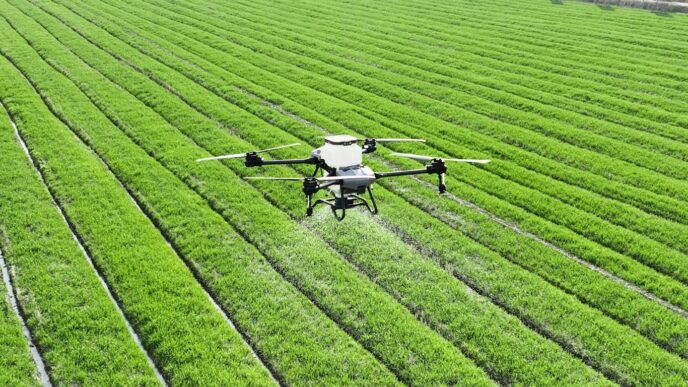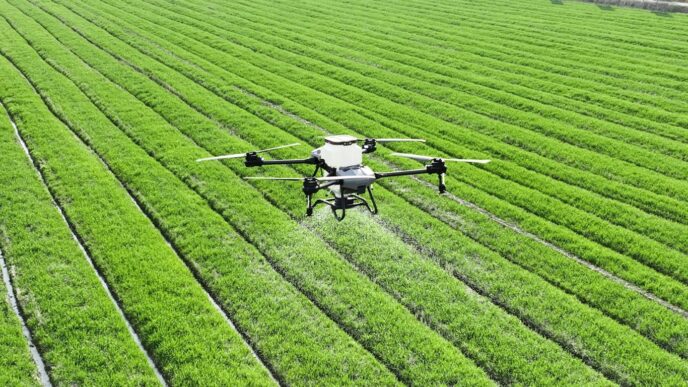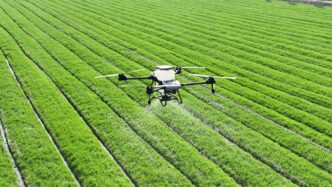
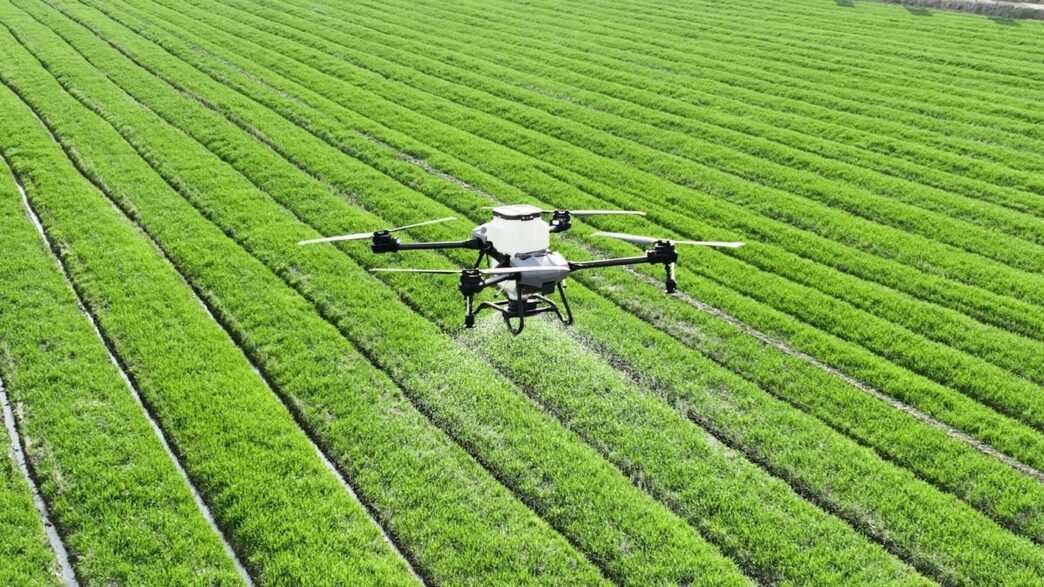
Farming is changing, and if you’re looking to keep up, you’ve probably heard about agricultural drone spraying. It sounds high-tech, and honestly, it is. But it’s not just for big companies anymore. These flying helpers can really change how you manage your fields, making things quicker, cheaper, and a lot less wasteful. Think of it as giving your farm a smart upgrade. This guide will walk you through what you need to know about using an agricultural drone for spraying.
Key Takeaways
- Agricultural drones boost farm efficiency by covering large areas quickly, saving valuable time compared to older methods.
- Precision application with drones means less chemical waste and healthier crops, as sprays are targeted where needed.
- Using an agricultural drone for spraying can significantly cut down on labor and equipment costs.
- These drones can reach difficult spots in fields that tractors or manual sprayers can’t, ensuring complete coverage.
- The technology behind these drones, like automated flight and real-time monitoring, makes them easier to use and more effective.
Understanding The Advantages Of Agricultural Drone Spraying
Farming has changed a lot, and one of the biggest shifts is thanks to drones. These flying machines are making a real difference in how we grow food. Think about it: instead of spending hours walking fields or driving big, clunky tractors, you can have a drone do the work. This isn’t just about making things easier; it’s about making farming smarter and more sustainable.
Increased Efficiency and Time Savings
Let’s be honest, time is money, especially during planting and harvesting seasons. Traditional spraying methods can take ages. You might need a whole crew just to cover a decent-sized field. Drones, on the other hand, can cover large areas much faster. They don’t get tired, they don’t need breaks, and they can operate from dawn till dusk if needed. This means you can get your crops treated exactly when they need it, without the usual delays.
Precision Application and Reduced Chemical Waste
One of the coolest things about these drones is how precise they are. They use GPS and other tech to know exactly where they are and where they’ve sprayed. This means chemicals go exactly where they’re needed, not all over the place. This precision helps cut down on how much pesticide or fertilizer you use. Less waste means you save money, and it’s better for the environment too. No more over-spraying that can harm beneficial insects or run off into waterways.
Cost Savings on Labor and Equipment
Think about the cost of hiring a crew for spraying, or maintaining those big spray rigs. Drones can significantly cut down on those expenses. While there’s an upfront cost for the drone, over time, the savings on labor and fuel can be substantial. Plus, you don’t have to worry as much about the wear and tear on heavy machinery. It’s a way to get more done with fewer people and less equipment.
Access to Hard-to-Reach Areas
Some parts of a farm are just plain difficult to get to. Steep hillsides, wet patches, or areas with dense vegetation can be a real headache for traditional sprayers. Drones don’t have that problem. They can fly right over obstacles and reach those tricky spots, making sure your entire crop gets the treatment it needs. This even coverage is key to preventing pests or diseases from taking hold in overlooked areas.
How Agricultural Drones Enhance Crop Protection
When it comes to keeping your crops safe from pests and diseases, traditional methods can sometimes fall short. That’s where agricultural drones really step in and make a difference. They’re not just about spraying faster; they’re about smarter, more targeted protection.
Precision Spraying for Healthier Crops
Think about it: instead of blanket spraying an entire field, which can lead to a lot of wasted chemicals and potential harm to beneficial insects or the soil, drones can do much better. Using advanced sensors and GPS, these drones can pinpoint exactly where a problem is. They can identify areas with pest infestations or nutrient deficiencies. This means you only spray what’s needed, where it’s needed. Farmers often see a significant drop in chemical use, sometimes 30-40%, without hurting crop yields. In fact, by treating problems early and precisely, crop quality can actually improve. It’s like giving your plants exactly the medicine they need, no more, no less.
All-Terrain Agility for Any Field
Farms aren’t always perfectly flat and open. You might have steep hills, ditches, or areas with lots of trees. Tractors and other ground equipment just can’t get everywhere. Drones, though? They don’t mind. They can fly over obstacles like power lines or branches thanks to built-in sensors. They can hover steadily even in windy conditions, which is pretty important for accurate spraying. Plus, their smaller size means they can easily navigate narrow rows in orchards or vineyards where larger machines would cause damage. This ability to reach every part of your land means no spot is left unprotected.
Endurance and Speed for Maximum Coverage
Time is a big deal in farming, especially during critical periods. You need to get things done quickly and efficiently. Agricultural drones are built for this. They can carry a decent amount of liquid, allowing them to cover many acres on a single flight – often much faster than manual methods. And when a tank is empty, swapping out batteries or refilling is usually a quick process. This means less downtime and more ground covered throughout the day. You can get your spraying done faster, freeing up your time for other important tasks on the farm.
Navigating The Technology Of Agricultural Drone Spraying
Automated Spraying and Flight Planning
Forget about manually steering a sprayer through your fields. Modern ag drones can handle the heavy lifting with automated flight paths. You can map out your fields using specialized software, often right on your tablet or computer. This software lets you draw boundaries, mark obstacles, and set spray parameters. The drone then flies these pre-programmed routes with incredible accuracy. This means consistent coverage every time, no more missed spots or overlapping passes. It’s like having a super-precise pilot on staff, but it’s just the drone doing its thing based on your plan.
Real-Time Monitoring and Precision Delivery
While the drone is up there doing its work, you’re not just left in the dark. Most systems come with apps that give you a live look at what’s happening. You can see the drone’s progress on the map, check battery levels, and monitor the spray output. This real-time feedback is key for making adjustments on the fly if needed. Plus, the technology allows for precision delivery. Drones can adjust the spray rate based on sensor data or pre-set zones, meaning they apply more where it’s needed and less where it’s not. This smart application cuts down on chemical use significantly.
User-Friendly Operation and Simple Controls
You might think all this tech sounds complicated, but manufacturers have really focused on making these drones easy to use. The control apps are designed to be intuitive. You don’t need to be a tech wizard to operate them. Most systems allow you to:
- Outline your fields quickly, sometimes just by tracing them on a map.
- Adjust spray settings like flow rate and pressure with simple sliders.
- Monitor the drone’s status and coverage from your phone or tablet.
Many farmers find they can get the hang of operating these drones in just a couple of hours. It’s a big change from wrestling with complicated machinery.
Choosing The Right Agricultural Drone For Your Farm
So, you’re thinking about getting a drone for your farm. That’s a big step, and picking the right one is pretty important. It’s not like buying a new pair of boots; this is a serious piece of equipment that needs to fit your operation.
Factors Influencing Farming Drone Price
Let’s talk money first, because that’s usually on everyone’s mind. The price tag on these things can swing quite a bit. You’ve got your basic models, and then you’ve got the high-tech ones that cost a pretty penny. What makes them different? Well, a few things.
- Payload Capacity: How much liquid can it hold? Bigger tanks mean fewer trips back to refill, which saves time. For a small garden, you don’t need much, but for a few hundred acres? You’ll want something that can carry a decent load.
- Battery Life and Charging: How long can it fly on one charge, and how fast does it recharge? You don’t want it sitting on the ground more than it’s in the air.
- Automation Features: Does it have GPS for precise flight paths? Can it plan its own routes? The more automated it is, the less you have to babysit it, and the more accurate your spraying will be.
- Brand and Support: Sometimes, you pay a bit more for a name you trust, especially if they have good customer service and parts readily available.
Here’s a rough idea of what you might see, though prices can change:
| Drone Type | Approximate Price Range (USD) | Key Features |
|---|---|---|
| Entry-Level | $1,500 – $4,000 | Basic camera, GPS, limited flight time |
| Mid-Range | $4,000 – $10,000 | Advanced cameras, automated flight, larger tanks |
| High-End | $10,000+ | AI-powered, extended flight, high payload, multi-functional |
Matching Drone Capabilities to Farm Size
This is where you really need to think about your own fields. A drone that’s perfect for your neighbor’s 50 acres might be way too small or too big for yours.
- Small Farms (Under 100 acres): You probably don’t need the biggest, most expensive drone. A mid-range model with good maneuverability and decent battery life should do the trick. It’ll still be a huge step up from manual methods.
- Medium Farms (100-500 acres): You’ll want something with a bit more power. Look for drones with larger tank capacities and longer flight times. Automation features become more important here to cover ground efficiently.
- Large Farms (500+ acres): This is where the high-end models shine. You’ll need drones that can cover a lot of ground quickly, with robust batteries and the ability to carry significant amounts of spray. Think about fleet management if you have vast areas.
Considering Technology Needs and Regulations
Beyond just size and price, there’s the tech itself and the rules you have to follow. Don’t forget these!
- Software and Planning: How easy is it to plan your spray missions? Does the app work well? Can you import field maps? Good software makes a world of difference.
- Sensors and Data: Do you need crop health monitoring or just spraying? Some drones come with advanced sensors that can give you a lot of data, which might be overkill if you just need to spray.
- Local Laws: This is a big one. Every area has rules about flying drones, especially for commercial purposes like spraying. You’ll need to know what permits are required, where you can fly, and any restrictions on what you can spray. Ignoring regulations can lead to hefty fines and grounded equipment. Check with your local aviation authority and agricultural department before you buy.
Picking the right drone is about finding that sweet spot between what you can afford, what your farm needs, and what the law allows. Take your time, do your homework, and you’ll find a machine that really helps out.
The Return On Investment For Agricultural Spraying Drones
So, you’re thinking about getting a drone for spraying, but wondering if it’s actually worth the money? It’s a fair question. Farming is tough, and every dollar counts. The good news is, most farmers who make the switch see a pretty solid return, and it happens faster than you might think.
Significant Reduction in Labor Costs
This is usually the big one. Think about how many people you need to hire just for spraying during peak season. It’s a lot, right? And then there’s the training, the management, the payroll… it all adds up. Drones can cut down on that need dramatically. Many farmers report saving up to 80% on labor costs related to spraying. That’s money that can go back into your farm, or frankly, just into your pocket. Instead of managing a crew, you’re managing a piece of tech that does the heavy lifting (or flying, in this case).
Decreased Chemical Expenses and Environmental Benefits
It’s not just about saving on people. Drones are incredibly precise. They use GPS and smart technology to apply chemicals exactly where they’re needed, and only in the amount required. This means less waste. You’re looking at potentially cutting your chemical expenses by 25% to 40%. That’s a huge saving on pesticides, herbicides, and fertilizers. Plus, using less chemical is better for the environment. Less runoff means cleaner water, and it helps protect beneficial insects and soil health. It’s a win-win: good for your wallet and good for the planet.
Potential for Higher Yields and Improved Crop Quality
When you spray more accurately and at the right times, your crops tend to be healthier. Drones can get to those hard-to-reach spots that tractors might miss, or areas with difficult terrain. This consistent, precise application means fewer pests and diseases can take hold. Healthier crops often lead to better yields – some farmers see increases of 15-20%. And better quality crops? That can mean better prices at market. So, while the initial investment might seem high, the combination of saved labor, reduced chemical costs, and potentially higher yields makes a strong case for a quick and substantial return on investment.
Ensuring Durability And Reliability In Agricultural Drones
When you’re out in the field, the last thing you need is equipment that quits on you. Agricultural drones have to put up with a lot – dust, sun, rain, and all sorts of chemicals. That’s why the ones built for serious farming are made tough, right from the factory floor.
Factory-Quality Assurance and Rigorous Testing
Think of it like this: before a drone even gets to your farm, it’s been through the wringer. Manufacturers that care about reliability put their machines through a ton of tests. We’re talking thousands of simulated flights, checking how they handle extreme heat and cold, and even soaking them in different chemicals to see how they hold up. It’s not just about making them fly; it’s about making them fly reliably, day after day, season after season.
Weather Resilience and Chemical Resistance
Farming doesn’t stop when the weather turns iffy, and your drone shouldn’t either. Good agricultural drones are built with materials that can handle dust and water – often with ratings like IP67, meaning they can take a good splash or even a brief dunk. Plus, the parts that come into contact with pesticides are coated to resist corrosion. This means you can spray when you need to, without worrying about a sudden downpour or chemical spray damaging the drone.
Global Certifications and Local Support
Buying a drone is a big deal, and you want to know it meets standards. Look for drones that have certifications like CE or ISO 9001. These aren’t just fancy letters; they mean the drone was made with quality in mind and meets safety requirements. Even better is having local support. If something does go wrong, having technicians nearby who know the equipment and can get you back in the air quickly makes a huge difference. It means you’re not left waiting weeks for a part from overseas.
The Future is Flying
So, we’ve talked a lot about how drones can really change things up on the farm. They help you use less chemicals, save time, and get to those tricky spots you couldn’t before. It’s not just about new gadgets; it’s about making farming smarter and, honestly, a bit easier. If you’re looking to cut down on costs, get better results, and keep up with the way farming is going, looking into drone spraying seems like a pretty good move. It’s a big step, sure, but the payoff in efficiency and savings could be huge for your operation.
Frequently Asked Questions
What exactly is a farm spraying drone?
Think of a farm spraying drone as a smart, flying robot that carries liquids like fertilizers or bug killers. It’s controlled by a computer and can fly over your fields to spray these liquids exactly where they’re needed, much faster than a person with a sprayer.
How do drones help save money on a farm?
Drones use less liquid because they spray more precisely, meaning you buy fewer chemicals. They also fly themselves, so you don’t need as many people to do the spraying, which cuts down on labor costs. Plus, they don’t drive over your crops, so they don’t damage them or flatten the soil.
Can these drones fly anywhere, even on hills?
Yes! Drones are great for tricky spots. They can fly over steep hills, wet fields, or areas where big tractors can’t go. They use smart technology to avoid obstacles like trees or power lines, making sure they spray everywhere that needs it without crashing.
How hard is it to learn how to use a spraying drone?
It’s easier than you might think! Most drones come with a simple app you can use on a phone or tablet. You can easily tell it where to fly and how much spray to use. Many farmers learn the basics in just a couple of hours.
Will a drone really help my crops grow better?
Absolutely. When drones spray just the right amount of treatment exactly where it’s needed, your crops get healthier. This means fewer pests and diseases, and ultimately, you can harvest more crops that are of better quality.
Are these drones tough enough for farm work?
Yes, they are built to be strong. They’re made to handle different weather, like rain or dust, and can even resist the chemicals they spray. Plus, the companies that make them usually test them a lot to make sure they last a long time and have support nearby if you need help.