SpaceX Secures Significant Military Contract
Awarded $81.6 Million for Crucial Launch
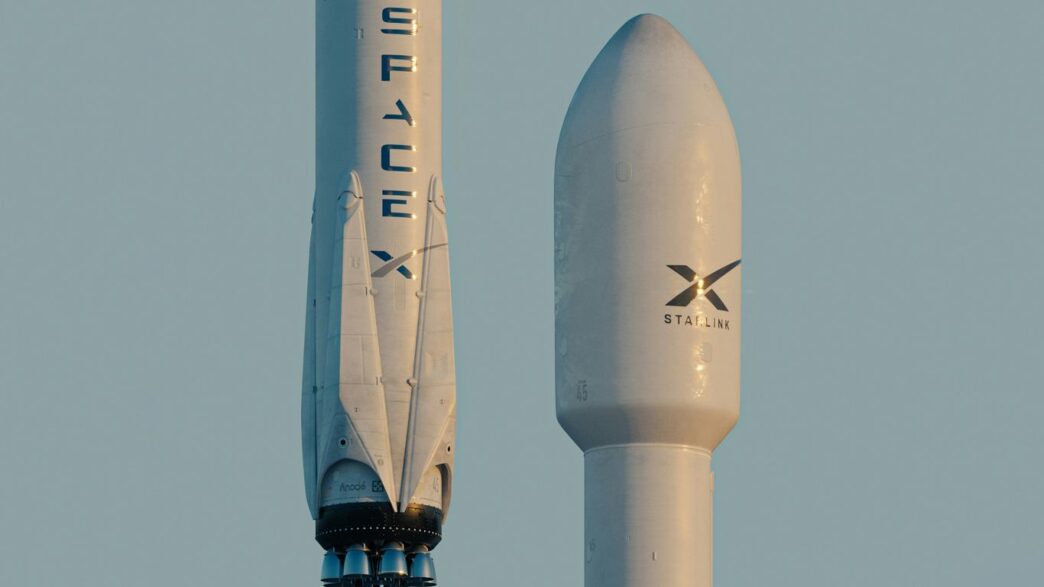
SpaceX just landed another big contract, this time for $81.6 million. They’re going to launch a weather satellite for the military. This mission, known as USSF-178, is set to happen in 2027 and involves the Weather System Follow-on – Microwave Space Vehicle 2, or WSF-M2 for short. It’s a pretty important piece of equipment for keeping tabs on weather, both here on Earth and out in space. This deal really shows how much the military is relying on SpaceX for these high-stakes launches.
Part Of National Security Space Launch Program
This isn’t just some random contract; it’s part of a bigger government initiative called the National Security Space Launch (NSSL) Phase 3 program. Think of it as a way for the U.S. military to make sure it has reliable access to space for its important missions. SpaceX has been doing really well in this program, winning three launches in a row. It seems like they’ve proven they can handle the job.
USSF-178 Mission Details
The USSF-178 mission is all about getting that WSF-M2 satellite into orbit. This satellite is the second one in its series, following up on the first one that launched back in April 2024. The military needs these satellites to keep a close eye on weather patterns, which can seriously affect operations. They’ll be looking at things like:
- Tracking hurricanes and figuring out how strong they’ll get.
- Monitoring space weather, like solar flares, that can mess with satellites and communications.
- Getting a general picture of global environmental conditions that might impact military activities.
On top of the main weather satellite, this launch will also carry some smaller, experimental satellites. These little guys are being developed by different defense groups and are meant to test out new technologies and help with immediate operational needs. It’s a smart way to use any extra space on the rocket.
Weather System Follow-On Mission Overview
WSF-M2 Satellite Details
The upcoming launch will carry the Weather System Follow-on – Microwave Space Vehicle 2, or WSF-M2, into orbit. This satellite is the second in its series, with the first one, WSF-M1, having launched back in April 2024. These satellites are designed to give us a much clearer picture of Earth’s weather patterns, both here on the ground and out in space. They’re packed with advanced sensors that can measure things like wind speed over the oceans, which is super important for tracking hurricanes. They’ll also be keeping an eye on space weather, like solar flares and charged particles, which can mess with our satellites and communication systems.
Importance For Military Weather Monitoring
Having reliable weather data is a big deal for the military. It’s not just about knowing if it’s going to rain during an operation. This information helps in a bunch of ways:
- Tracking Storms: Accurately predicting the intensity and path of tropical cyclones is key for planning and safety.
- Space Weather Awareness: Understanding space weather helps protect sensitive military equipment in orbit.
- Global Environmental Assessment: Data on things like sea ice and soil moisture can inform strategic decisions, especially in colder regions.
Second Satellite In The Series
WSF-M2 is the final piece of the puzzle for this particular weather monitoring program. The two satellites will work together, orbiting the Earth in a way that lets them see pretty much the whole planet consistently. This means we’ll get continuous updates on weather conditions, which is a big step up from what we had before. It’s all about making sure our military has the best possible information to operate effectively, no matter what the weather is doing.
Strategic Importance Of Weather Data
Hurricane Intensity And Storm Tracking
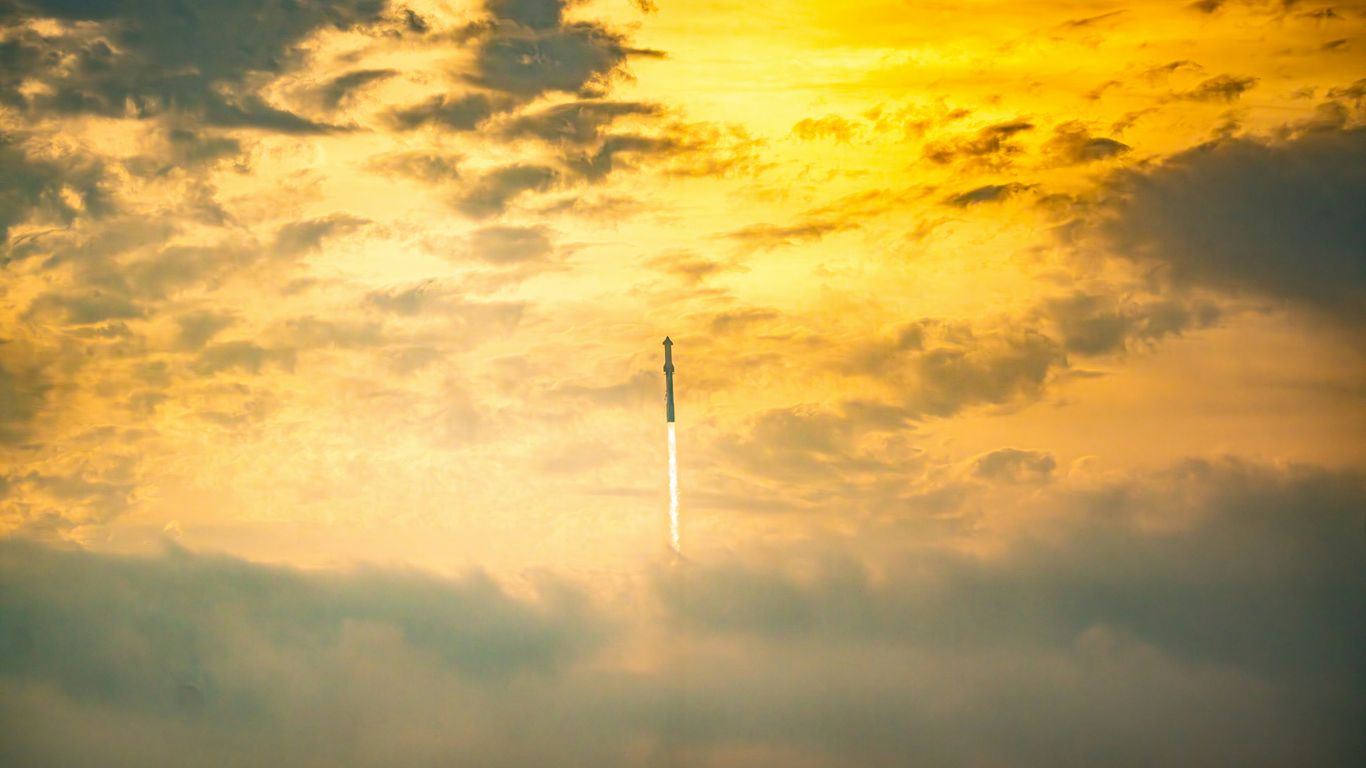
Knowing what the weather’s going to do is a big deal, especially for folks in the military. This new satellite, WSF-M2, is going to help a lot with tracking storms. It’s got special tools to measure wind speeds over the ocean, which is super important for figuring out just how strong a hurricane is getting and where it’s headed. This isn’t just about avoiding damage; it’s about planning operations, moving assets, and keeping people safe. Being able to predict storm intensity more accurately means better preparation and fewer surprises.
Space Weather Monitoring Capabilities
It’s not just about clouds and rain, though. We also need to worry about what’s happening way up there, in space. Things like solar flares and charged particles can mess with our satellites and communication systems. The WSF-M2 will keep an eye on this ‘space weather’ too. Think of it like a weather report for our electronics in orbit. If we know a solar storm is coming, we can take steps to protect sensitive equipment or adjust communication plans. This kind of data helps keep our military’s eyes and ears in space working.
Global Environmental Condition Assessment
Beyond storms and space weather, this satellite gives us a broader picture of what’s happening with the environment all over the globe. It can track things like sea ice, how much moisture is in the soil, and how much snow is on the ground. This information is useful for all sorts of military planning, especially in places like the Arctic. Understanding these global environmental conditions helps with everything from logistics to long-term strategic assessments. It’s all part of making sure our forces can operate effectively, no matter the conditions.
SpaceX’s Expanding Role In National Security
It’s pretty clear that SpaceX isn’t just about sending tourists to space or planning Mars trips anymore. They’ve really become a go-to for the U.S. military’s space needs. This latest $81.6 million contract for the WSF-M2 satellite launch is a big deal, and it’s not the first time they’ve landed a major military gig. In fact, this is their third win in a row under the National Security Space Launch (NSSL) Phase 3 program. That kind of track record speaks volumes about their reliability when the stakes are this high.
Three Consecutive NSSL Phase 3 Wins
Landing three NSSL Phase 3 contracts back-to-back isn’t just luck. It shows that the Space Force trusts SpaceX to get these important satellites into orbit. These aren’t your average payloads; they’re critical for national security, and SpaceX has proven they can handle the job. It’s a pretty impressive feat, especially considering how many companies are vying for these kinds of contracts.
Demonstrated Reliability For High-Stakes Launches
When you’re launching something as important as a military weather satellite, you can’t afford mistakes. SpaceX’s Falcon rockets have been flying for years, and they’ve gotten really good at making sure everything goes according to plan. This reliability is exactly what the military looks for. They need to know that when they hand over a multi-million dollar satellite, it’s going to reach its destination safely. This consistent performance is what’s building SpaceX’s reputation as a trusted partner for national security missions.
Key Player In Military Space Missions
Beyond just launching big satellites, SpaceX is also showing flexibility. They’re able to carry smaller, experimental satellites alongside the main payloads. This means that even when they’re launching a primary mission like WSF-M2, they can also give a ride to smaller payloads that help test new technologies or meet urgent operational needs. It’s a smart way to make the most of each launch, and it really shows how integrated SpaceX is becoming with the military’s broader space strategy. They’re not just a launch provider anymore; they’re a key part of the whole system.
Advancements In Military Space Technology
Integration Of Small Satellites
It’s pretty neat how the military is starting to use smaller satellites more and more. These little guys can do a lot, and they’re not as expensive as the big ones. Think of them like the Swiss Army knife of space – you can use them for all sorts of things. They can tag along on bigger missions, like the WSF-M2 launch, and add extra capabilities without needing their own rocket. This means the military can get more done for less money, which is always a good thing.
Supporting Emergent Operational Requirements
One of the coolest parts about these new space tech advancements is how flexible they are. The military doesn’t always know what it’s going to need way out in the future. So, being able to quickly add new capabilities or test out new ideas using these smaller satellites is a big deal. It’s like being able to add a new tool to your toolbox right when you need it. This adaptability helps them stay ahead of the curve.
Flexibility In Launch Manifesting
This whole idea of fitting smaller satellites onto bigger rockets is a game-changer. Colonel Matthew Flahive mentioned how it’s a strategic advantage to be able to "flexibly manifest small satellites on our launch vehicles with additional capacity." Basically, if there’s extra room on a rocket heading to space, they can just pop a small satellite on board. This makes launches more efficient and allows for more research and development to get into orbit faster. It’s a smart way to use resources and get more science and defense work done.
Looking Ahead
So, SpaceX snagged another big contract, this time for over $81 million to launch a military weather satellite in 2027. It’s pretty clear they’re becoming a go-to company for these kinds of missions, winning a few in a row now. This particular satellite, WSF-M2, is a big deal for keeping tabs on weather, both here on Earth and out in space, which is super important for the military. It’s interesting to see how these launches are also making room for smaller, experimental satellites, showing how things are changing in space tech. Basically, SpaceX is playing a larger role in national security, and it looks like that’s only going to continue.