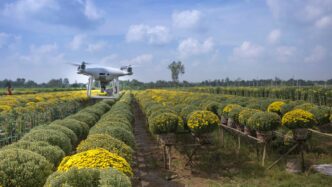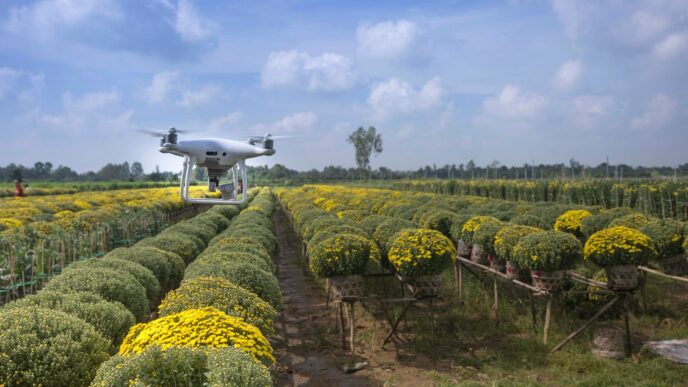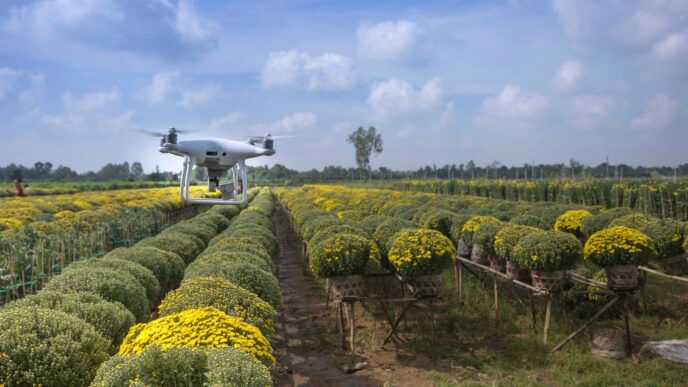
Farming has always been tough, right? You’ve got weather that does its own thing, costs that keep climbing, and the constant need to grow more. Traditional ways only get you so far. But what if there’s a smarter way to handle things? Drones are starting to change how farmers work, offering ways to save time, cut down on expenses, and grow healthier crops, all while being kinder to the environment. Let’s look at how these agriculture spraying drones are shaking things up.
Key Takeaways
- Agriculture spraying drones allow for precise application of fertilizers and pesticides, meaning less waste and healthier plants.
- These drones can significantly reduce labor costs by automating tasks and covering large areas quickly.
- Using agriculture spraying drones helps conserve water and reduces chemical use, making farming more eco-friendly.
- Future developments include AI integration and advanced sensors for smarter crop monitoring and early disease detection.
- Government programs and service models are making agriculture spraying drones more accessible to farmers.
Revolutionizing Crop Management With Agriculture Spraying Drones
Farming has always been a tough gig, right? You’re dealing with weather that can’t make up its mind, costs that keep climbing, and the constant pressure to grow more each year. Traditional methods can only get you so far, and honestly, it’s time to think smarter. That’s where spraying drones come in. They’re not just fancy gadgets; they’re changing how we manage our crops, making things more efficient, saving money, and helping the environment.
Precision Application Of Fertilizers And Pesticides
Forget just spraying everywhere and hoping for the best. Drones let you be super precise. They can fly over your fields and apply fertilizers and pesticides exactly where they’re needed. This means less waste – you’re not using chemicals on areas that don’t need them. This targeted approach not only saves you money on inputs but also reduces the overall chemical load on your farm. It’s like giving your plants exactly what they need, when and where they need it.
Here’s a quick look at how precise spraying helps:
- Reduced Chemical Use: Drones can identify specific problem areas, cutting down on broad applications. This is good for your wallet and the planet.
- Improved Crop Health: By applying treatments only where necessary, you avoid over-treating healthy plants, leading to better overall growth.
- Lower Environmental Impact: Less chemical runoff means healthier soil and water systems.
Optimizing Water Usage For Healthier Crops
Water is a precious resource, especially in drier regions. Drones can help you use it much more wisely. They can monitor your crops and soil moisture levels, figuring out exactly where and when irrigation is needed. This means no more over-watering or under-watering. You get the right amount of water to the plants that need it most, leading to healthier crops and better yields. It’s a simple way to conserve water while still making sure your plants thrive.
Enhancing Soil Health Through Targeted Treatments
Healthy soil is the foundation of a good harvest. When you use drones for targeted treatments, you’re not just helping the plants above ground; you’re also looking after the soil. By reducing the need for excessive chemical applications and ensuring water is used efficiently, drones help protect the delicate balance of your soil. This means your soil can retain nutrients and moisture better over time, setting you up for more consistent and better harvests in the future. It’s a win-win for your crops and the land itself.
Leveraging Advanced Technology For Sustainable Farming
Farming has always been a balancing act, right? You’re trying to grow enough food, keep costs down, and, increasingly, do it without messing up the planet. That’s where the fancy tech, like these spraying drones, really starts to shine. They’re not just about making things faster; they’re about making them smarter and kinder to the environment.
Minimizing Environmental Impact With Reduced Chemical Use
Think about how much pesticide or fertilizer you might have used in the past. It was often a bit of a shotgun approach – spray everywhere just to be sure. Drones change that. They can pinpoint exactly where a plant needs a little help. This means you use way less chemical stuff overall. Less chemical runoff means healthier soil and water, which is a big win for local wildlife and the whole ecosystem around your farm. It’s like giving your crops a targeted vitamin shot instead of a whole buffet they don’t need.
Conserving Water Resources Through Precise Delivery
Water is getting more precious, especially in certain areas. Traditional irrigation can be wasteful, with a lot of water evaporating before it even reaches the roots. Drones can help here too. They can be programmed to deliver water exactly where it’s needed, and only when it’s needed. This precision means you’re not just watering the weeds or the air. This targeted approach can significantly cut down on water usage, which is a huge deal for sustainability and your water bill.
Promoting Greener Agricultural Practices
Putting it all together, these drones are a big step towards farming that’s easier on the earth. By using fewer chemicals and less water, you’re reducing your farm’s footprint. It’s about working with nature, not against it. This shift helps build healthier soil over time, which means better crops year after year. Plus, it helps meet the growing demand for food that’s produced in a way people can feel good about. It’s a win-win: better for your farm, better for the planet.
The Future Of Agriculture Spraying Drones
It’s pretty wild to think about how fast drone tech is moving, right? What we’re seeing now with spraying drones is just the beginning. The next wave is going to be even smarter, more automated, and way more integrated into how farms operate.
AI Integration For Intelligent Crop Monitoring
Imagine drones that don’t just spray, but actually understand what your crops need. That’s where AI comes in. Drones will get better at spotting problems before you even see them. They’ll be able to tell if a plant is stressed, if it’s getting enough water, or if it’s starting to show signs of disease, all by analyzing images and sensor data. This means you’ll be able to act way faster, often before a small issue turns into a big headache. It’s like having a super-smart assistant constantly watching over your fields.
Advanced Sensors For Early Disease Detection
Speaking of sensors, they’re getting seriously advanced. We’re talking about drones that can pick up on subtle changes in plant temperature or leaf color that are invisible to the human eye. These sensors can flag potential disease outbreaks or pest infestations really early on. Think about it: catching a problem when it’s just a few plants versus when it’s spread across half your field. That difference can save a lot of crops and a lot of money.
Autonomous Systems For Large-Scale Operations
For bigger farms, the push is towards full automation. We’re moving towards systems where drones can take off, complete their entire mission – whether it’s spraying, monitoring, or even planting – and land without any human input. This isn’t just about convenience; it’s about efficiency on a massive scale. Drones could eventually manage entire fields autonomously, freeing up farmers to focus on other critical aspects of their business. It’s a big step towards making large-scale farming more manageable and less labor-intensive.
Adoption And Support For Drone Technology
Getting started with agricultural spraying drones can feel like a big leap, but there’s a growing wave of support making it more possible for everyday farmers. From government financial help to practical training and affordable servicing options, the transition is much less daunting than it used to be.
Government Initiatives And Subsidies For Farmers
Farmers can now access significant government backing to help bring drone technology to their land. In the past few years, state and national programs have started rolling out, aimed at making equipment like spraying drones more reachable. Here’s a snapshot:
| Program Name | Description | Subsidy Percentage | Who Is Eligible |
|---|---|---|---|
| SMAM (India) | Farming machinery subsidies (includes drones) | 40%–75% | Individual/group farmers |
| State-level Schemes | State-specific drone subsidies | Varies | Regional farmers |
| Women’s SHG Initiatives | Drones for rural women’s self-help groups | Up to 80% | SHG members (women) |
Sometimes it pays—literally—to keep tabs on your local ag department, as more pilot projects and specialized grants are cropping up to help offset those upfront drone costs.
Drone-As-A-Service Models For Accessibility
For many, buying a drone outright still isn’t practical, especially if you aren’t sure about maintenance or learning curves. That’s where Drone-As-A-Service (DaaS) comes in. Instead of a one-time investment, you pay for the service only when you need it, a bit like hiring a custom sprayer but with a futuristic twist. Here’s how these models help:
- Lower up-front costs—no need to buy or maintain the drone yourself
- Flexibility to pay by the acre, hour, or project
- Access to newer, advanced drone models as they’re released
- Reliable operators who know both farming and drone tech
Farmers have found these models helpful during peak spraying times or for large, once-in-a-while jobs—getting the tech working for you, with zero long-term commitment.
Training And Support For Drone Operators
Picking up a drone controller isn’t as easy as picking up a shovel. Real talk: there’s a learning curve, and accidental crashes aren’t cheap. But here’s what’s helping folks cross that gap:
- Government/NGO sponsored workshops with hands-on drone flight practice
- Online training videos that focus on farm-specific use cases
- Certification programs—some states now require (and fund) drone pilot licenses
- Peer networks and local forums to swap tips, troubleshooting, and share repair contacts
Whether you want to fly your own drone or hire a certified operator, these resources mean you don’t have to go it alone. There’s always someone out there who’s had the same question—even if it was, “Why won’t this thing take off?”
Looking ahead, more support is on the way as adoption grows and local agencies learn what works best. If you’ve been putting off trying drone spraying, now’s a good time to check out what assistance is available in your area.
The Future is Now
So, we’ve talked a lot about how these drones can really change things up on the farm. From saving you time and money on spraying to keeping a closer eye on your crops, it’s pretty clear this tech isn’t just a fad. It’s about working smarter, not harder, and honestly, who doesn’t want that? Whether you’re looking to cut down on chemicals, use water more wisely, or just get more done in a day, drones seem to have an answer. It might feel like a big step, but with options like drone services and government help, it’s more reachable than you might think. Don’t get left behind; it’s time to see how these flying helpers can make your farm more productive and maybe even a little greener.
Frequently Asked Questions
What exactly are agriculture spraying drones?
Think of them as super-smart robots that fly! These drones are specially built to fly over farms and spray things like plant food (fertilizers) and bug killers (pesticides) exactly where they are needed. They can also water plants and check on how the crops are doing.
How do these drones help save money?
Drones are like having a super-efficient helper. They can spray fields much faster than people, covering lots of land in a short time. This means less money spent on workers. Plus, they only spray where needed, so you use less fertilizer and pesticide, saving you even more cash.
Are these drones good for the environment?
Yes, they really are! Because drones spray only what’s needed, less chemicals end up in the soil and water. This keeps the environment cleaner. They also use water much more carefully, which is great, especially when water is scarce.
Can drones help if I have a big farm?
Absolutely! Drones are perfect for large farms. They can cover huge areas quickly, which would take many people a very long time. This makes managing big farms much easier and more efficient.
What if I don’t know how to use a drone?
Don’t worry! Many companies offer special training to teach you how to fly and use these drones for your farm. There are also services where you can rent a drone and have someone else operate it for you, like hiring a special farming service.
What’s the future like for these farming drones?
The future is super exciting! Drones will get even smarter, using things like artificial intelligence (AI) to watch over crops, spot diseases early, and make farming decisions automatically. They’ll become even more important for growing food in a smart and helpful way.