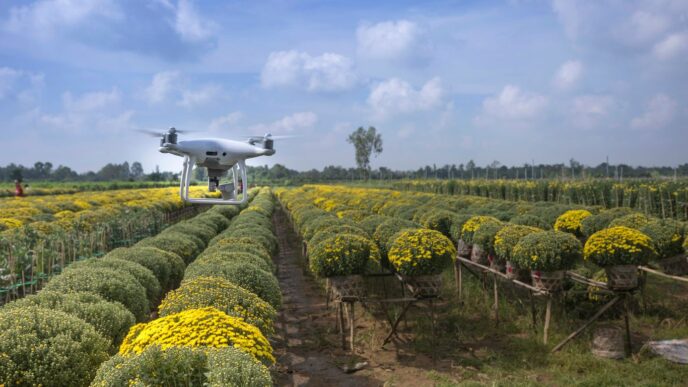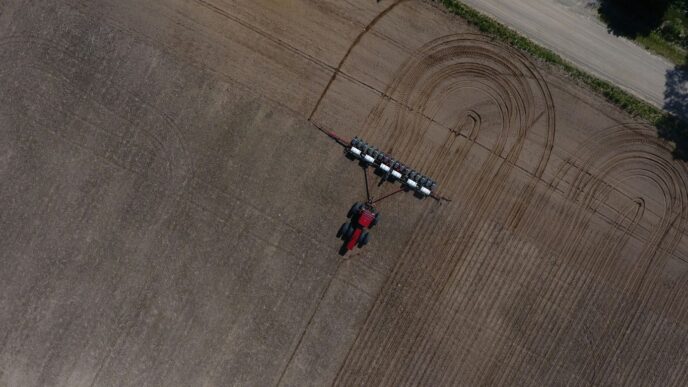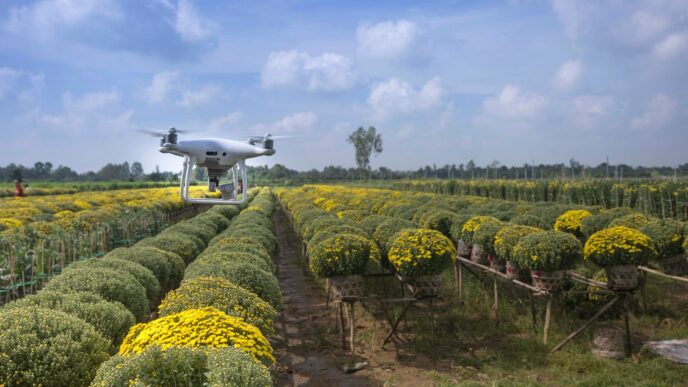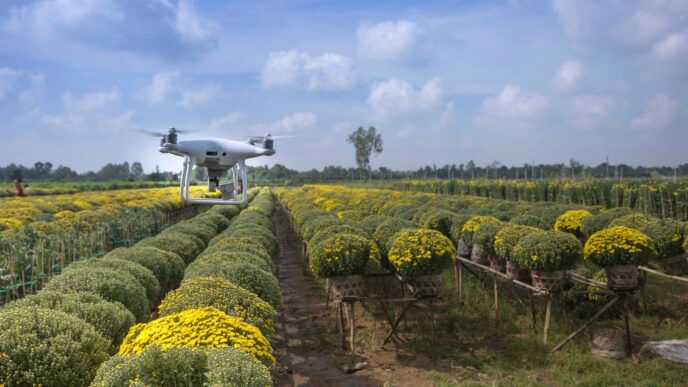
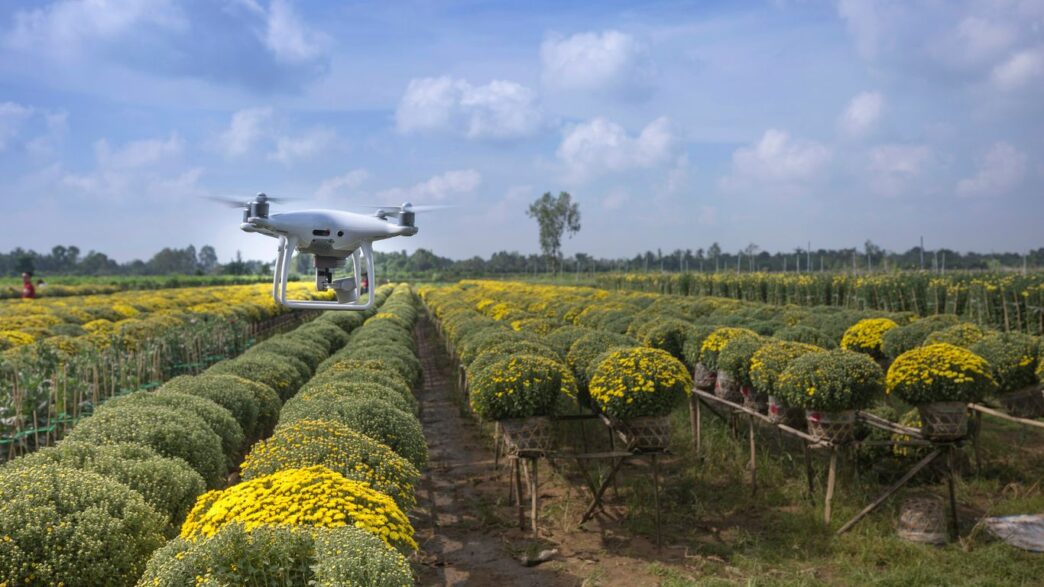
Farming is changing, and technology is a big part of it. You might have seen those drones flying around, and they’re not just for cool videos anymore. Farmers are starting to use them for spraying crops, and it’s a pretty big deal. Instead of driving big, heavy machines across the fields, which can sometimes damage the plants, these drones can do the job. It’s a different way to take care of your crops, and it’s becoming more common.
Key Takeaways
- Drones for spraying crops use GPS to make sure they hit the right spots, meaning less wasted spray and more targeted treatment.
- These flying machines can fly themselves along set paths, making the spraying process smoother and more efficient.
- Using drones can help farmers avoid running heavy equipment over their crops, which reduces damage and can lead to healthier plants.
- Compared to old-school methods or large machinery, drones can be a more budget-friendly option for applying treatments.
- Advanced drone tech, like precise guidance systems, helps apply pesticides and other treatments exactly where needed, cutting down on environmental impact.
Revolutionizing Crop Management With Drones
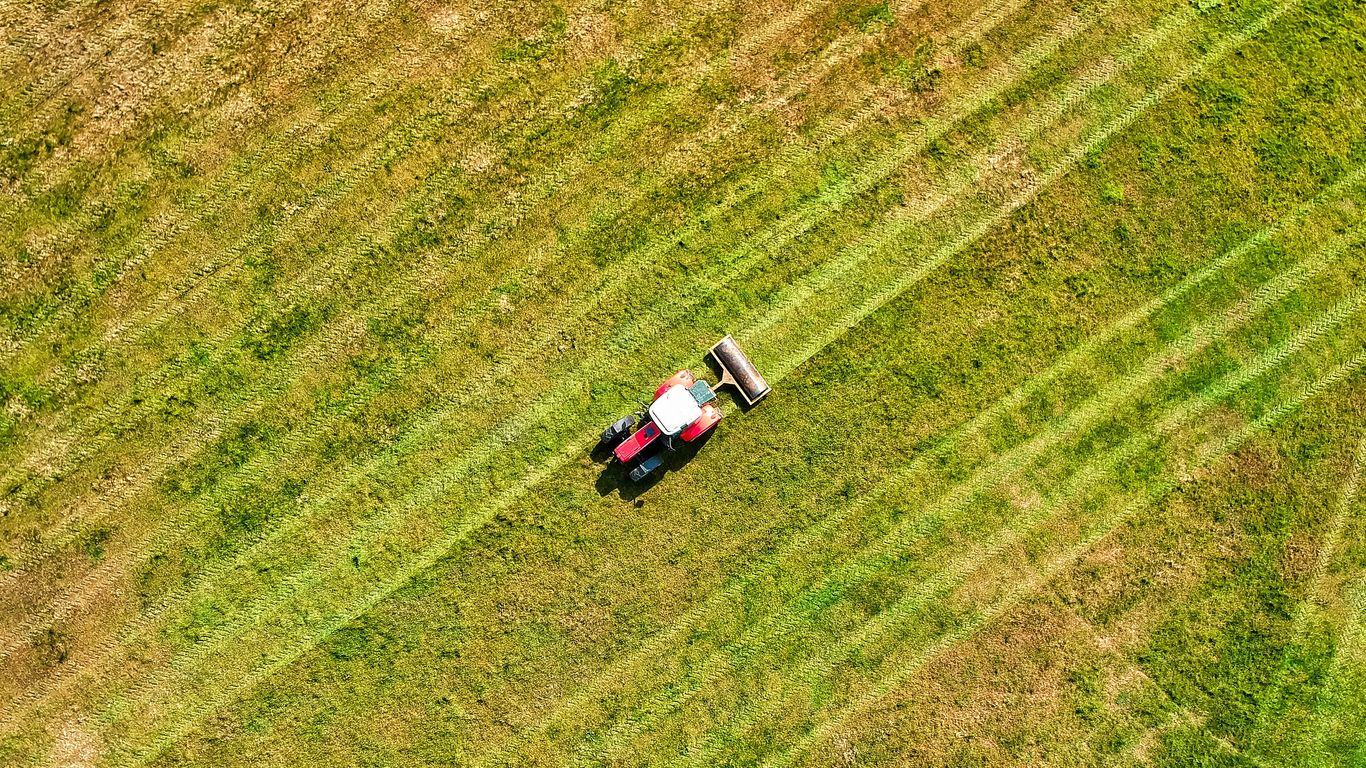
Farming is changing, and drones are a big part of that. Forget the old ways of doing things; these flying machines are making crop management smarter and easier. They’re not just a fancy gadget; they’re becoming a real tool for farmers looking to get more out of their land.
Precision Spraying With GPS Guidance
Think about spraying your fields. Before, you’d use big, heavy machines that could easily damage crops or miss spots. Now, drones can do it with amazing accuracy. They use GPS, and not just any GPS, but really precise stuff like Real-Time Kinematic (RTK) guidance. This means the drone knows exactly where it is, down to an inch. It follows programmed paths, often planned by the drone itself, so it stays within the lines and hits only the areas that need treatment. This GPS guidance is key to making sure you’re not wasting spray or running over your plants.
Autonomous Flight Paths For Efficiency
These drones aren’t just remote-controlled toys. Many can fly themselves. You can program them with a flight plan, and they’ll go out and do the job. This is a huge time saver. A mapping drone can first fly over the field and gather data. Then, based on that data, the spraying drone can figure out the best way to cover the area. It’s like having a pilot who knows the field perfectly and can plan the most efficient route, avoiding obstacles and making sure every targeted spot gets covered. This automation means less work for the farmer and more consistent results.
Multi-Spectral Mapping For Targeted Treatment
One of the coolest things drones can do is map fields using different light spectrums. This isn’t just about seeing green plants. Multi-spectral cameras can detect subtle differences in plant health that the human eye can’t see. They can tell the difference between a healthy crop, a stressed plant, a weed, or even a tree. This information is super useful. It allows farmers to see exactly which parts of the field need attention, whether it’s for applying fertilizer, pesticides, or herbicides. Instead of spraying everything, you can target only the problem areas, saving money and reducing chemical use.
Benefits Of Drones For Spraying Crops
Using drones for spraying crops brings some pretty significant advantages to the table, especially when you compare them to the old ways of doing things. For starters, you’re not running heavy machinery over your fields anymore. Think about it: those big ground sprayers can flatten crops, especially when the plants are young or tall. Drones, on the other hand, fly above everything. This means less physical damage to your plants, which can really add up over a season.
Then there’s the money side of it. While the initial drone purchase might seem like a chunk of change, when you break it down, it often works out cheaper than traditional methods. You’re cutting down on fuel costs, maintenance for those massive sprayers (which can be a real headache and expensive), and potentially labor costs too. It just makes good financial sense for a lot of farms.
And let’s not forget about the crops themselves. Because drones can be so precise, you can apply treatments exactly when and where they’re needed. This means better disease control, more effective weed management, and overall healthier plants. It’s about giving your crops exactly what they need, without overdoing it or missing spots.
Here are a few key benefits:
- Reduced Crop Damage: No more crushing young plants or damaging mature stalks with heavy tires.
- Cost Savings: Lower fuel, maintenance, and potentially labor expenses compared to large ground rigs or even aerial applications.
- Improved Crop Health: Precise application means timely treatments for pests, diseases, and weeds, leading to better yields.
Advanced Drone Technology In Agriculture
Real-Time Kinematic For Pinpoint Accuracy
When we talk about drones for spraying, accuracy is a big deal. We’re not just talking about getting the spray near the plants; we’re talking about hitting them precisely where needed. That’s where Real-Time Kinematic, or RTK, comes in. Think of it like a super-powered GPS. It uses signals from satellites and a fixed base station on the ground to guide the drone. This setup allows for centimeter-level accuracy. So, the drone knows exactly where it is, down to the inch. This means it can follow planned paths perfectly, spraying only the intended areas and avoiding sensitive spots. It’s a huge step up from older methods where drift or overlap could be an issue.
Intelligent Route Planning Capabilities
These aren’t just remote-controlled toys. Modern agricultural drones have smart systems that can plan their own flight paths. After a mapping drone surveys the field, the data is used to create precise routes. The drone can figure out the most efficient way to cover the entire area, or specific zones within it. It can even identify different types of plants or weeds based on their color signatures from the mapping data. This means the drone can target specific areas that need treatment, like a patch of weeds or a section of crops showing signs of disease. This intelligent planning saves time, reduces the amount of spray used, and makes sure the right treatment gets to the right place.
Scalable Solutions For Diverse Farming Needs
One of the great things about current drone tech is that it’s not a one-size-fits-all deal. You can find drones that are smaller and more affordable, making them accessible for smaller farms or for farmers who want to try them out. Then there are the bigger, more powerful models designed for large-scale operations. This means a farmer can choose a solution that fits their specific needs and budget. Whether you have a few acres or thousands, there’s likely a drone system that can be scaled up or down to handle the job. This flexibility is key to making drone technology a practical tool for a wide range of agricultural operations.
The Growing Adoption Of Agricultural Drones
It feels like just yesterday we were talking about drones as a novelty, but now, they’re really becoming a standard tool on many farms. This shift isn’t happening overnight, but you can see the change happening pretty quickly, especially over the last couple of years. Farmers are starting to see these machines not as futuristic gadgets, but as practical solutions for everyday tasks.
Increased Affordability and Size
One of the biggest reasons more farmers are bringing drones into their operations is that they’ve become more accessible. Think about it – a few years ago, the cost of a decent agricultural drone was pretty steep, putting them out of reach for many. Plus, the early models were sometimes clunky or limited in what they could do. Now, though, prices have come down quite a bit, and the technology has gotten smaller and more capable. This means a wider range of farms, from smaller family operations to larger enterprises, can actually afford to invest in them. It’s not just about the initial purchase price either; the ongoing costs and maintenance are often more manageable compared to some of the older, heavier equipment.
Integration Into Key Seasonal Operations
Drones aren’t just sitting around waiting for a special occasion. Farmers are finding ways to weave them into the fabric of their seasonal work. For instance, during the busy periods from mid-June to early July, when ground spraying and corn detasseling are critical, drones are stepping in. Instead of sending out large, heavy machinery that can damage young crops or compact the soil, a drone can fly over precisely where it needs to go. This is a huge win, especially when crops are just starting to grow or are already tall. It means less physical stress on the plants and a more efficient use of time and resources during these crucial windows.
Empowering Farmers With New Tools
Ultimately, this growing adoption is about giving farmers better tools to do their jobs. It’s about moving away from methods that might have worked for decades but are becoming less efficient or more damaging. Drones offer a new way to approach tasks like spraying. They can be programmed to follow exact paths, guided by GPS, ensuring that the spray lands exactly where it’s needed and nowhere else. This precision means less waste of chemicals and better protection for the crops against pests and diseases. It’s a shift towards smarter farming, where technology helps farmers manage their land and crops with greater accuracy and less physical impact on the environment.
Optimizing Spraying Operations With Drones
Using drones for spraying crops isn’t just about having a cool new gadget; it’s about making your spraying work smarter and more effectively. Think about it: instead of driving heavy machinery over your fields, which can flatten plants and compact soil, a drone flies overhead. This means less damage to your crops and better soil health. The precision these machines offer is a game-changer for applying treatments exactly where they’re needed.
Targeted Application of Fungicides and Insecticides
When disease or pests show up, you need to act fast. Drones can be programmed to fly over specific areas showing signs of trouble. Using data from mapping flights, the drone knows exactly which plants need a fungicide or insecticide. This targeted approach means you use less chemical, saving money and reducing the amount of product that could drift into other areas. It’s like giving medicine only to the sick plants, not the whole field.
Effective Weed Control With Precision
Weeds compete with your crops for water, nutrients, and sunlight. Drones can help tackle this problem head-on. By mapping out weed patches, a drone can apply herbicides precisely to those spots. This is way more efficient than blanket spraying the entire field. You’re not wasting herbicide on areas that are already clear, and you’re not over-treating your crops. This precision helps keep your crops healthy and reduces the overall weed population over time.
Minimizing Environmental Impact Through Accuracy
One of the biggest wins with drone spraying is how it helps the environment. Because drones can be guided with centimeter-level accuracy using systems like RTK, they apply treatments exactly where intended. This drastically cuts down on drift – the unwanted movement of chemicals through wind or water. Less drift means less contamination of nearby water sources or non-target areas. It’s a responsible way to manage your farm, protecting both your crops and the surrounding ecosystem.
Future Of Drones For Spraying Crops
So, what’s next for these flying farmhands? It’s pretty exciting, honestly. We’re seeing a lot of talk about batteries getting way better. Right now, battery life can be a bit of a bottleneck, making you swap them out more often than you’d like. But imagine drones that can fly for much longer on a single charge – that’s a game-changer for covering large areas without interruption.
Technological Advancements In Battery Life
Think about it: longer flight times mean less downtime. This could lead to more efficient spraying operations, especially during those critical, time-sensitive periods in the growing season. We’re talking about drones that can handle bigger fields or multiple passes without needing a recharge break. This isn’t just about convenience; it’s about getting the job done faster and more effectively when it matters most.
Potential For Farmer Ownership And Operation
Another big shift we’re likely to see is more farmers owning and operating their own drones. Right now, some farmers use drone services, which is great, but owning one yourself can be more cost-effective in the long run. As the technology becomes even more user-friendly and the price point continues to drop, it makes sense for farmers to have this tool right there in their own shed. It gives them more control over when and how their fields are treated.
Expanding Global Reach And Impact
And it’s not just here. Drones are popping up on farms all over the world. This technology has the potential to really change farming practices globally, especially in areas where traditional methods are difficult or expensive. We’re looking at a future where precision agriculture, thanks to drones, is accessible to a much wider range of farmers, helping to improve yields and sustainability everywhere. It’s a pretty big deal when you consider the impact on global food production.
Wrapping It Up
So, looking at how things are going, it’s pretty clear that these advanced drones are changing the game for farmers. They’re not just some fancy new gadget; they’re actually making a real difference in how we grow crops. By cutting down on the need for heavy machinery that can damage plants and offering a more precise way to spray, farmers can save time and money. Plus, the accuracy means we’re using just the right amount of treatment, which is good for the crops and the environment. It seems like this technology is becoming a must-have tool for anyone serious about farming smarter, not just harder.
Frequently Asked Questions
How do drones help farmers spray crops more accurately?
Drones use GPS and special cameras to map out fields and know exactly where to spray. This means they only spray the areas that need it, so nothing is missed or wasted.
Are drones better for crops than regular heavy sprayers?
Yes, drones don’t drive over plants, so they don’t crush or damage them like big machines sometimes do. This helps keep more plants healthy and growing strong.
Is it expensive for farmers to use spraying drones?
Buying a drone costs a lot less than buying a large ground sprayer or airplane. Drones are also cheaper to fix and run, so they help farmers save money in the long run.
Can drones help control weeds and bugs in the field?
Yes, drones can be set to spray weed killers and bug sprays right where they are needed. This keeps the plants safe and helps stop weeds and bugs from spreading.
Are drones hard for farmers to use?
Modern spraying drones are made to be easy to fly. They can plan their own paths and spray on their own after being programmed. Many farmers use them without needing special training.
What is the future of drones in farming?
Drones are becoming even better with longer battery life and smarter technology. As they get cheaper and easier to use, more farmers around the world will start using them to take care of their crops.