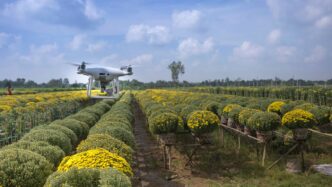
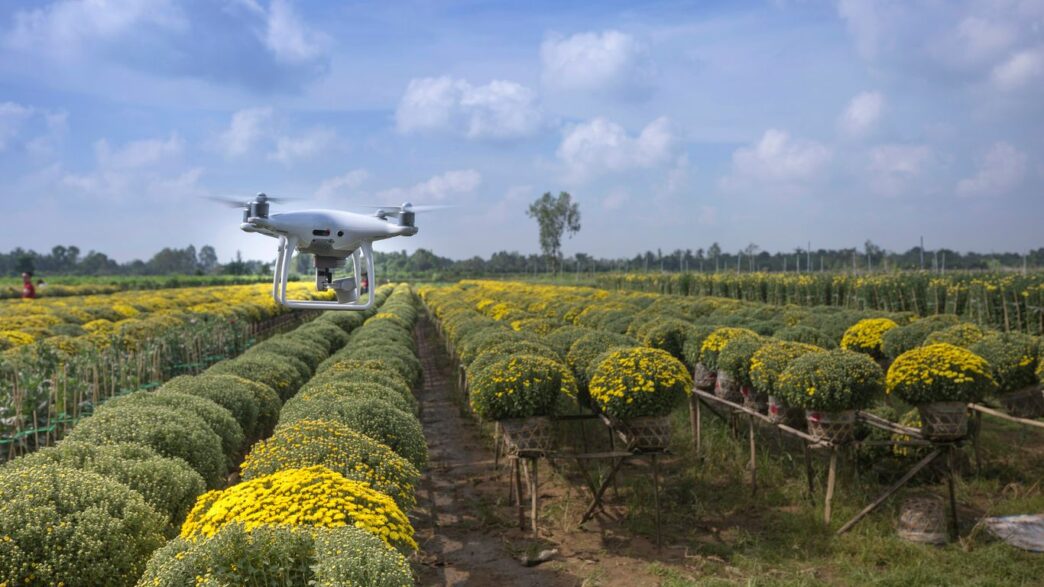
Farming is changing, and if you’re not keeping up, you might get left behind. One big change is the use of drone agriculture sprayer tech. It’s not just for big companies anymore; smaller farms can benefit too. These drones can help protect your crops, make them grow better, and do it all in a way that’s better for the environment. Let’s look at what this new drone agriculture sprayer stuff is all about.
Key Takeaways
- The number of agricultural drones used on farms globally jumped by 33% in 2024, showing a big shift towards this technology.
- Using a drone agriculture sprayer can save water and cut down on carbon emissions compared to older methods.
- New rules from the FAA make it simpler to get approval for using spray drones, and flying them further away (BVLOS) is also getting easier.
- Drone sprayers cause less spray drift than planes but more than small ground sprayers; they’re about the same as big ground rigs.
- Switching to a drone agriculture sprayer can mean less crop damage, higher income per hectare, and less herbicide use, plus you need fewer workers and less fuel.
Embracing Drone Agriculture Sprayer Technology
It feels like just yesterday we were talking about how farming was changing, and now, here we are, with drones zipping around fields. It’s a pretty big shift, honestly. These aren’t your hobbyist drones; we’re talking about serious pieces of equipment designed to help farmers get their work done more effectively. The way we protect crops and manage our fields is undergoing a real transformation.
The Revolution in Crop Protection
Think about how crop protection used to be done. You had ground rigs, maybe planes for really big jobs. Both have their downsides, right? Ground rigs can compact soil and miss spots, especially in dense crops. Planes can be expensive and sometimes drift too much. Drone sprayers are stepping in to fill some of those gaps. They can get into tight spaces, apply treatments precisely where needed, and often do it with less environmental impact. It’s about getting the right amount of product, to the right place, at the right time, without a lot of the old headaches.
Enhancing Yield and Crop Health
When you can spray more accurately, you’re not just protecting crops; you’re actively helping them grow better. Drones allow for targeted applications of fertilizers, pesticides, and other treatments. This means plants get exactly what they need, when they need it, without being over or under-treated. This kind of precision can lead to healthier plants, fewer disease outbreaks, and ultimately, a better harvest. It’s like giving each plant its own personal care plan.
Sustainable Farming Practices
This is a big one. Drones can significantly cut down on the amount of water and chemicals used. Because they can apply treatments with such accuracy, less product is wasted. Some reports suggest drones have saved millions of gallons of water globally. Plus, by reducing the need for heavy ground machinery, they help prevent soil compaction, which is good for long-term soil health. It’s a move towards farming smarter, not just harder, and doing it in a way that’s kinder to the planet.
Advanced Drone Agriculture Sprayer Solutions
When you’re looking at upgrading your farm’s capabilities, the latest drone sprayer tech really stands out. These aren’t just flying gadgets; they’re sophisticated tools designed to tackle specific farming challenges. We’re talking about models built for serious work, integrating smart tech that makes a real difference in how you manage your fields.
Meet the Latest Spray Drone Models
The market has seen some impressive new arrivals. Companies are rolling out drones with bigger payloads, longer flight times, and more robust construction. For instance, some models can now carry a substantial amount of liquid, meaning fewer trips back to the base for refills. Others are designed with advanced navigation systems that can handle complex terrain or variable weather conditions.
Here’s a quick look at what’s new:
- EAVision J150: Built for demanding tasks, this model is designed to get the job done efficiently.
- DJI Agras T50: Known for its power and versatility, it’s a popular choice for a wide range of crop types.
- RoadRunner 350: This system is a redesigned tender system, aiming for better performance in the field.
These machines are engineered to be more than just sprayers; they’re precision application platforms.
Precision Ag Technology Integration
What really sets these advanced drones apart is how they work with other precision agriculture technologies. Think GPS guidance, real-time data collection, and variable rate application. Drones can use GPS to map fields with incredible accuracy, identifying areas that need more or less treatment. This means you’re not just spraying blindly; you’re applying exactly what’s needed, where it’s needed.
This integration allows for:
- Accurate Mapping: Creating detailed field maps for targeted applications.
- Variable Rate Application: Adjusting spray amounts on the fly based on crop needs or soil conditions.
- Data Logging: Recording application data for better record-keeping and future planning.
Automated Chemical Management Systems
Handling chemicals can be a hassle, but new drone systems are simplifying this too. Automated mixing systems, for example, take the guesswork out of preparing your spray solutions. These systems can accurately measure and mix chemicals, reducing waste and ensuring consistent application rates. Some systems even connect to farm management software, helping you track chemical usage and inventory.
Consider these benefits:
- Reduced Waste: Precise mixing means less chemical is wasted.
- Improved Safety: Minimizes direct contact with chemicals during mixing.
- Consistent Results: Ensures the correct concentration is applied every time.
Operational Benefits of Drone Agriculture Sprayers
Increased Productivity and Efficiency
When you switch to using drone sprayers, you’ll likely notice a big jump in how much work you can get done. Think about it: these machines can cover a lot of ground, often 50 to 80 hectares in a single day. Compare that to older ground rigs, which might only manage 25 to 30 hectares in the same timeframe. This means you can get your spraying done faster, especially when the weather is just right and you need to act quickly. It’s not just about speed, though. Drones can often fly over fields without causing the kind of damage that heavy machinery can, meaning less stress on your crops and potentially better yields down the line.
Reduced Resource Consumption
One of the really neat things about drone sprayers is how they help you use less. For starters, they’re much more fuel-efficient than traditional ground vehicles. We’re talking about using significantly less fuel, which is good for your wallet and the environment. Plus, with their precision application technology, drones can apply chemicals more accurately. This means less product is wasted, and you can see reductions in herbicide use, sometimes by as much as 25%. They also use a lot less water compared to some older methods, which is a big deal in many areas.
Labor Savings and Skill Augmentation
Finding good help can be tough these days, and labor costs keep going up. Drone sprayers can really help here. Instead of needing a whole crew to operate ground equipment, you often only need one or two people to manage a drone operation. This frees up your existing team for other important tasks. While operating a drone does require some new skills, the technology is getting easier to use, and training is readily available. It’s less about brute force and more about smart operation, which can make farming more accessible and less physically demanding for everyone involved.
Navigating Regulations and Support
Getting your drone sprayer up and running involves more than just buying the equipment. You’ve got to think about the rules and where to get help when you need it. It’s not as complicated as it might seem, though.
Streamlined FAA Spray Drone Regulations
First off, the Federal Aviation Administration (FAA) has rules for flying drones, especially for commercial use like spraying. For most agricultural spraying, you’ll need a Part 107 Remote Pilot Certificate. This means passing a test to show you know how to fly safely. The FAA wants to make sure drones are operated responsibly to keep people and property safe. They’ve been working to make the process clearer for agricultural operations. Things like registering your drone and following airspace rules are standard. It’s worth checking the FAA’s website regularly because rules can change, and they often have specific guidance for agricultural drone use.
Beyond Visual Line of Sight Operations
Flying a drone so it’s always in your sight is one thing, but for larger farms or certain applications, you might want to fly ‘Beyond Visual Line of Sight’ (BVLOS). This lets you cover more ground without having to constantly keep the drone in view. Getting approval for BVLOS flights used to be a big hurdle, often requiring special waivers. However, the FAA is developing new rules and pathways to make BVLOS operations more accessible, especially for agriculture. This is a big deal for efficiency, allowing a single operator to manage multiple drones or cover vast areas from a central point. It’s all about proving your operation is safe and reliable.
Expert Support and Dealer Networks
When you’re out in the field, things happen. Maybe a part needs replacing, or you’re not sure how to set up a new spray pattern. That’s where good support comes in. Many companies that sell agricultural spray drones also have strong dealer networks. These folks aren’t just salespeople; they often provide training, maintenance, and technical help. Think of them as your go-to resource. They can help with:
- Initial Setup and Training: Getting you comfortable with your drone’s controls and software.
- Maintenance and Repairs: Keeping your equipment in top shape.
- Troubleshooting: Helping you solve problems quickly when they pop up.
- Parts and Accessories: Making sure you have what you need on hand.
Having a reliable dealer or support team means less downtime and more productive flying days. It’s like having a mechanic for your tractor, but for your drone. Some companies even offer remote support or have field technicians ready to assist. Don’t underestimate the value of good customer service when you’re investing in this kind of technology.
Comparative Performance of Drone Sprayers
Understanding Spray Drift Dynamics
When you’re thinking about using a drone sprayer, one of the first things that comes up is spray drift. It’s basically when the spray doesn’t land exactly where you want it to. This can happen because of wind, how the spray is released, or even the temperature. It’s a big deal because you don’t want chemicals drifting onto neighboring fields, water sources, or sensitive areas. Different nozzle types and flight speeds can really change how much drift you get. Some studies show that while drones might have a bit more drift than, say, a backpack sprayer, they’re often comparable to larger ground sprayers when set up right. It’s all about finding that balance.
Comparing Drone Sprayers to Ground Rigs
So, how do these drones stack up against the old-school ground sprayers? Well, it’s not always a simple answer. Ground rigs have been around forever, and they’re good at what they do, especially for certain types of applications. But they can be slow, hard on crops (think tire tracks and crushing plants), and require a lot of fuel. Drones, on the other hand, can cover ground much faster in some cases, and they don’t leave tracks. They can also get to areas that are hard for ground machines to reach. However, drones have limitations on how much they can carry per flight, meaning multiple trips might be needed for large areas.
Here’s a quick look at some general differences:
- Coverage Speed: Drones can often cover more acres per day (50-80 hectares) compared to ground sprayers (25-30 hectares), especially in challenging terrain.
- Crop Impact: Drones generally cause less physical damage to crops than ground rigs, which can reduce yield loss.
- Resource Use: Drones typically use significantly less fuel than ground machinery.
- Labor Needs: Drones often require fewer operators than traditional ground application methods.
Impact on Crop Damage and Yield Loss
This is where drones really start to shine for a lot of farmers. Think about driving a big tractor through your field. It can flatten crops, especially in areas where the ground is soft or the plants are tall and delicate. This physical damage can directly impact how much you harvest. Drone sprayers, because they fly above the crop, avoid this kind of direct physical contact. This means less stress on the plants and, potentially, a better yield. Some farmers have reported seeing a noticeable increase in their income per hectare after switching some of their spraying tasks to drones, partly because of this reduced crop damage and the more precise application they allow.
The Future of Drone Agriculture Sprayers
Global Adoption and Industry Growth
It’s pretty clear that drone sprayers aren’t just a passing trend. We’re seeing them pop up on farms all over the place, and the numbers back it up. Reports from last year showed hundreds of thousands of these machines working fields worldwide, a big jump from the year before. This isn’t just about having cool new gadgets; it’s about real results. Farmers are finding that these drones can help save a lot of water, cut down on chemical use, and even reduce carbon emissions. It’s a win-win for the farm and the environment.
Innovations in Aerial Delivery
What’s next? Well, the tech keeps getting better. Companies are working on drones that can carry bigger loads, fly longer, and be even more precise. Think about drones that can automatically mix chemicals or systems that guide them with GPS accuracy, making sure every plant gets exactly what it needs. We’re also seeing improvements in how they handle different types of crops and terrain. The goal is to make these tools smarter, more efficient, and easier for any farmer to use.
Empowering Rural America with AgTech
For folks in rural areas, this technology can be a real game-changer. It helps bridge the gap when finding skilled labor is tough. A couple of operators can manage what used to take a much larger crew. Plus, the cost savings add up – less fuel, less wear and tear on the land, and often, better yields because of reduced crop damage. It’s about giving farmers more control and making their operations more profitable and sustainable for years to come.
The Future is Flying
So, there you have it. Drones for spraying crops aren’t just some futuristic idea anymore; they’re here and making a real difference. From saving water and cutting down on chemicals to making the whole process faster and easier on the farmer, the benefits are pretty clear. It’s about working smarter, not harder, and these machines are helping us do just that. If you’re looking to keep your farm productive and maybe even boost your bottom line, it’s definitely worth looking into what drone technology can do for you. The sky really is the limit.
Frequently Asked Questions
What exactly are drone agriculture sprayers?
Think of them as super-advanced remote-controlled flying machines, kind of like big drones you might see, but built specifically for farms. Instead of just taking pictures, these drones can carry special tanks and spray liquids like fertilizers or bug killers onto crops. They’re a new way to take care of plants on a farm.
How do these spray drones help farmers grow more food?
These drones are really smart about where they spray. They can target just the spots that need help, like areas with bugs or not enough nutrients. This means the plants get exactly what they need, when they need it, which helps them grow bigger and healthier. It’s like giving your plants a personalized meal plan!
Are drone sprayers better for the environment?
Yes, they can be! Because they spray so precisely, less liquid is wasted. This means less water is used, and fewer chemicals end up where they shouldn’t be, like in rivers or the soil. It’s a cleaner way to farm that helps protect nature.
Do I need a special license to fly these farm drones?
You do need to follow some rules, like getting permission from the Federal Aviation Administration (FAA) in the U.S. to fly them for farming. The rules are getting simpler, and there are companies that can help you understand them and get the right paperwork so you can fly legally.
Are drone sprayers as good as the old ground sprayers?
They’re different, but often just as good, or even better in some ways! Drones can cover large areas quickly and don’t get stuck in muddy fields like ground machines. They also tend to damage crops less because they fly above them. While they might spray a little wider than a backpack sprayer, they’re very comparable to big ground sprayers.
Is it hard to use these drones, and do they save on workers?
Flying these drones is becoming easier with new technology, and you don’t need a huge crew. Often, just one or two people can manage the drone and its spraying tasks. This means farmers can save money on labor and focus their workers on other important jobs around the farm.