Embracing Robotics Packaging Machinery for Enhanced Efficiency
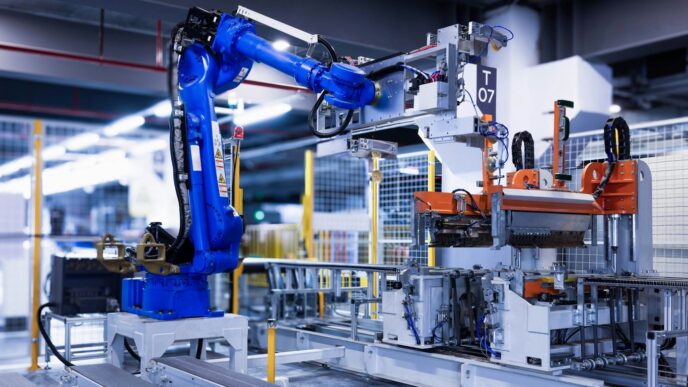
It’s no secret that the packaging world is moving fast. Keeping up means finding ways to work smarter, not just harder. That’s where robotic packaging machinery really starts to shine. These systems aren’t just about replacing people; they’re about making the whole operation run smoother and faster. Think about your current setup – are there bottlenecks? Are you struggling to keep up with demand? Robotic automation can seriously change that.
Streamlining Workflow with Robotic Automation
One of the biggest wins with robotic packaging is how it tidies up the entire workflow. Instead of a series of manual steps that can be slow and prone to error, robots can take over repetitive tasks with incredible speed and accuracy. This means products move through the line more consistently. This consistent movement is key to avoiding delays and keeping your production schedule on track. It’s like having a perfectly choreographed dance for your products, from filling to sealing.
Achieving Real-Time Monitoring and Control
Gone are the days of guessing how your packaging line is performing. Modern robotic systems come with sophisticated sensors and software that give you a clear picture of what’s happening, right now. You can see how many units are being processed, identify any slowdowns immediately, and even get alerts if something isn’t quite right. This kind of oversight lets you make quick adjustments, preventing small issues from turning into big problems. It’s about having the information you need, when you need it, to keep things running.
Improving Output Quality and Consistency
Manual packaging, no matter how skilled the worker, can have variations. A robot, however, performs the same task the exact same way, every single time. This means fewer mistakes, less product damage, and packaging that looks uniform. For consumers, this means a better product experience. For you, it means fewer returns and a stronger brand reputation. The consistency robots bring is a major step up from traditional methods. Here’s a quick look at what that consistency can mean:
- Reduced Error Rate: Significantly fewer mispacks or damaged items.
- Uniform Appearance: Every package looks the same, which is important for branding.
- Predictable Throughput: You know what to expect in terms of output each day.
- Gentle Handling: Robots can be programmed to handle delicate items with care, minimizing damage.
Key Technological Innovations in Robotics Packaging Machinery
The world of packaging is always changing, and the machines we use to get products ready for shelves or shipping are getting smarter all the time. It’s not just about faster robots anymore; it’s about how these machines connect and think.
Leveraging IoT for Seamless Connectivity
Think of the Internet of Things (IoT) as giving your packaging machines a way to talk to each other and to you, no matter where you are. This means machines can share data about how they’re running, what they’re doing, and if they need attention. It’s like having a dashboard for your entire packaging line that updates in real-time. This constant stream of information helps spot problems before they stop everything, making sure the line keeps moving smoothly. This interconnectedness is key to understanding your whole operation at a glance.
Harnessing AI and Machine Learning for Smarter Operations
Artificial Intelligence (AI) and Machine Learning (ML) are the brains behind the new wave of packaging robots. These systems can learn from past performance data. For example, an ML algorithm can predict when a part might fail based on its usage patterns, allowing for maintenance before it breaks down. They can also help robots make better decisions on the fly, like adjusting how they handle a slightly different product shape without needing a human to reprogram them. This makes the whole process more efficient and reduces mistakes.
Integrating Advanced Imaging and Detection Systems
Modern packaging lines are using sophisticated cameras and sensors, often called vision systems. These aren’t just for scanning barcodes anymore. They can spot tiny flaws in products or packaging, like a small dent, a missing label, or an incorrect fill level. If a problem is found, the system can automatically reject the item or flag it for review. This level of detail is important for keeping quality high and making sure only good products get out the door. It’s a big step up from relying solely on human eyes for quality checks.
Transforming Operations with Advanced Robotics Packaging
When we talk about making packaging operations better, robots are really changing the game. They’re not just about speed, though they’ve got that in spades. It’s more about how they handle tasks that used to be tough, repetitive, or even a bit risky for people.
Revolutionizing Pick and Place Operations
Think about picking up delicate items, like fresh berries or fragile pastries, and putting them into their final packaging. Robots with special grippers and smart vision systems can do this with amazing accuracy and gentleness. They can sort and place items way faster than a person could, and the best part is, they don’t get tired or make mistakes due to fatigue. Plus, switching from packing one type of product to another is usually just a matter of updating the software, which is a huge time saver.
Automating Palletizing and Sanitation Processes
Once products are packaged, they need to be stacked onto pallets for shipping. Robotic palletizers are fantastic at this. They stack boxes or cases precisely and consistently, load after load. This means fewer injuries from heavy lifting and more stable loads that travel better. And in places where cleanliness is super important, like food processing plants, robots are a lifesaver. They can be built to handle strong cleaning chemicals and high-pressure washes without breaking down, which helps keep everything up to strict hygiene standards and reduces the chance of contamination.
Enhancing Primary and Secondary Packaging
Robots are also stepping up their game in both primary and secondary packaging. For primary packaging, where the product first goes into its container, robots can handle tasks like loading trays or filling containers with precision. When you add smart cameras to these systems, they can spot any issues with the product or packaging right away, stopping flawed items before they go any further. For secondary packaging, like putting those primary packages into larger shipping boxes or creating "retail-ready" displays, robots offer a lot of flexibility. They can handle different product sizes and stacking methods, and switch between tasks quickly. This adaptability is key for businesses that change their packaging designs often or need to get products ready for store shelves efficiently.
Addressing Industry Challenges with Robotics Packaging Machinery
It’s no secret that many industries are facing some pretty tough hurdles right now. Think about the labor market – it’s gotten harder to find good people, and when you do, the costs keep climbing. Plus, the pressure to churn out more product, faster and better, never really lets up. And let’s not forget about the places where packaging happens; sometimes they’re not exactly built for modern, high-speed operations, making things tricky.
Mitigating Labor Shortages and Rising Costs
This is a big one. When you can’t find enough workers, or when their wages and benefits eat up too much of your budget, it really puts a strain on things. Robotic packaging systems can step in to fill these gaps. They don’t call in sick, they don’t need breaks (beyond maintenance, of course), and they can work around the clock. This means you can keep production lines moving even when staffing is tight. It also helps stabilize your labor costs over time, making budgeting a bit more predictable.
Adapting to Difficult Manufacturing Environments
Some packaging jobs are just plain tough on humans. We’re talking about places that are really cold, really hot, dusty, or require repetitive, strenuous movements. Robots, on the other hand, can handle these conditions without complaint. They’re built to withstand environments that would be uncomfortable or even unsafe for people. This not only keeps your human workers out of harm’s way but also allows you to maintain consistent operations in less-than-ideal settings.
Ensuring Food Safety and Traceability
For food and beverage companies, safety and knowing where your product came from are absolutely non-negotiable. Robots can help a lot here. They can be designed with materials that are easy to clean and sanitize, which is super important for preventing contamination. Think about washdown-duty robots that can handle high-pressure cleaning without breaking down. Beyond just cleanliness, robots can be integrated with tracking systems. This means every item that passes through a robotic packaging station can be logged, scanned, and accounted for. This creates a detailed record from start to finish, which is invaluable for meeting regulatory requirements and for quickly identifying any issues if they arise.
Strategic Integration of Robotics Packaging Machinery
Bringing advanced robotics into your packaging setup isn’t just about buying new machines; it’s a thoughtful process. You need to look at what you’re doing now and figure out where these new tools can really make a difference. Getting this right means your whole operation can run smoother and faster.
Assessing Current Packaging Processes
Before you even think about robots, take a good, hard look at your current packaging line. What’s working well? What’s causing headaches? Think about things like:
- Speed: How fast are products moving through the line now? Are there bottlenecks?
- Accuracy: How often do mistakes happen, like incorrect labeling or damaged products?
- Labor: How many people are involved in packaging, and what are the associated costs?
- Space: Is your current setup using space efficiently, or is it cramped?
- Flexibility: How easy is it to switch between different product sizes or packaging types?
Understanding these points will show you exactly where automation can step in and fix problems or make things better. It’s like figuring out where your car needs new tires before you just buy a random set.
Defining Clear Integration Goals
Once you know your starting point, you need to set some clear targets for what you want to achieve with robotics. Don’t just say ‘be more efficient.’ Get specific. For example, are you aiming to:
- Reduce manual handling errors by 50%?
- Increase packaging output by 25% within six months?
- Cut labor costs in the packaging department by 15%?
- Improve product consistency and reduce waste by 10%?
Having these defined goals helps you choose the right equipment and measure if the integration was successful. It gives you something concrete to aim for and report on.
Selecting the Right Robotics Packaging Equipment
This is where you match your goals and current process assessment to the available technology. There’s a lot out there, so picking wisely is key. Consider:
- Type of Robot: Do you need a collaborative robot (cobot) that can work alongside people, or a larger industrial robot for heavy-duty tasks?
- Task Specificity: Is the robot designed for the specific jobs you need, like pick-and-place, palletizing, or case packing?
- Payload and Reach: Can the robot handle the weight and size of your products and reach all the necessary areas?
- Integration Ease: How well will the new equipment connect with your existing systems (like conveyors or control software)?
- Supplier Support: What kind of training, maintenance, and technical support does the manufacturer provide? This is super important for keeping things running smoothly long-term.
The Future Landscape of Robotics Packaging Machinery
The packaging world is always on the move, and honestly, it’s not slowing down anytime soon. Think about it: everything from your morning cereal to the latest gadget needs to get from point A to point B, and that means packaging. With the online shopping boom showing no signs of stopping, the demand for packaging is just going up and up. We’re talking about a global packaging market that’s expected to keep growing, hitting over a trillion dollars by 2028. That’s a lot of boxes and bags!
Driving Growth in the Booming Packaging Market
This massive growth means companies need to be faster, more precise, and get a better return on their investment. Plus, keeping workers safe and having machines that can handle all sorts of different products is becoming super important. Luckily, robotic packing is already stepping up to the plate, offering that speed, accuracy, and flexibility that businesses need to keep up. It’s not just about speed, though; it’s about smarts too. We’re seeing machines get better at predicting when they might need maintenance, so they don’t break down unexpectedly. And they’re getting better at handling delicate items or adapting to new product sizes without a fuss.
Adapting to E-commerce Demands
E-commerce has really changed the game. It’s not just about bulk shipping anymore; it’s about individual orders, often with specific requirements. This means packaging machinery needs to be more adaptable than ever. Robots are great at this because they can be programmed for different tasks quickly. One minute they might be packing small items into envelopes, and the next, they could be assembling larger boxes. This flexibility is key when you’re dealing with the unpredictable nature of online orders. Plus, with more focus on sustainability, these machines are also being designed to work with eco-friendly materials, cutting down on waste and making recycling easier.
Future-Proofing Operations with Robotic Solutions
So, what’s next? Expect even more automation. We’ll likely see fully automated packaging lines become more common, which will really cut down on labor costs and boost efficiency. Sustainability will continue to be a big deal, with new materials and smarter ways to package things. And get ready for ‘smart’ packaging – think packaging that can tell you things in real-time, helping businesses make better decisions faster. It’s all about making sure your operations can handle whatever the future throws at them, keeping you competitive and efficient.
Wrapping It Up
So, we’ve talked a lot about how these new robotic packaging machines can really change things up. They’re faster, more precise, and can handle a lot of the tough jobs that used to slow people down or even cause injuries. It’s not just about keeping up with demand, which is growing like crazy, especially with online shopping. It’s also about making your whole operation run smoother, cutting down on mistakes, and maybe even saving some money in the long run. If you’re looking to get ahead, or just stop feeling so stressed about packaging, looking into these advanced systems seems like a smart move. It’s a big step, sure, but the payoff could be huge for your business.