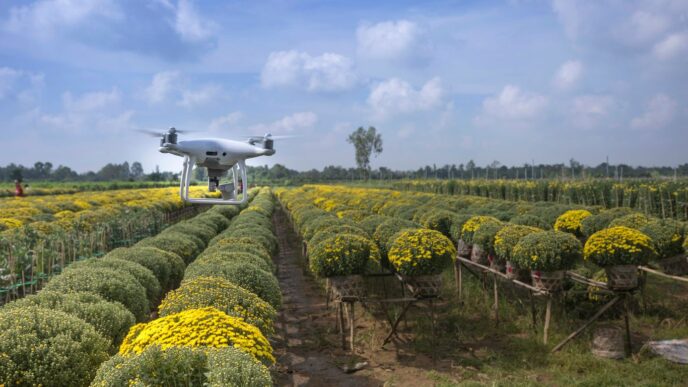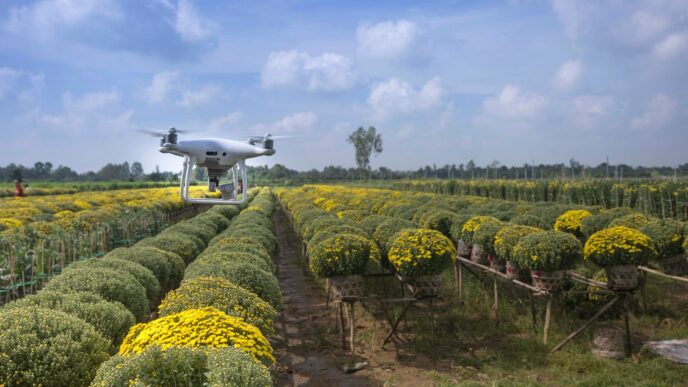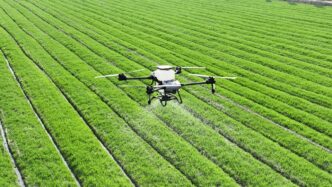
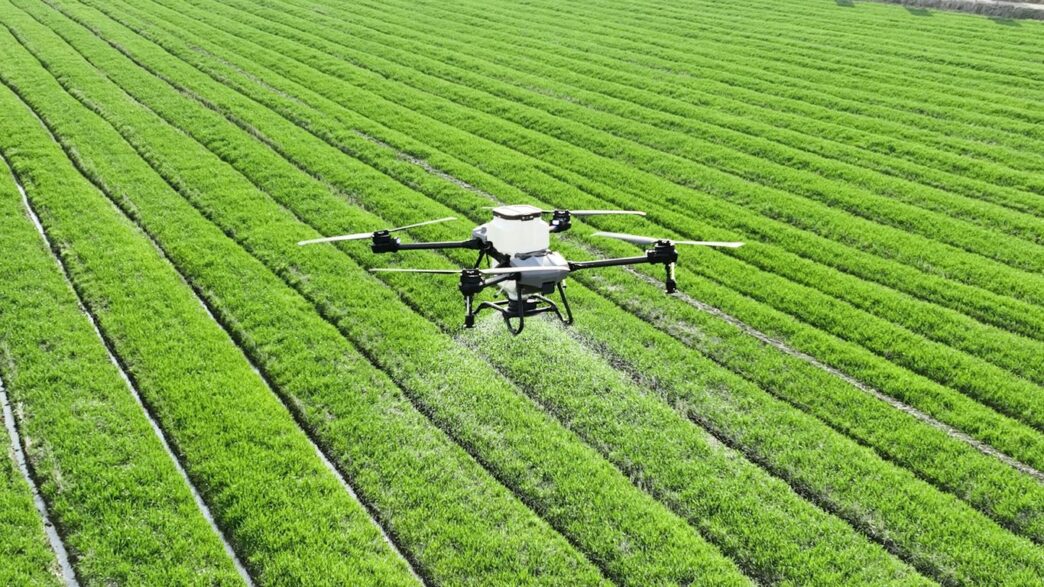
Farming is changing, and drones are a big part of that. You know, like those flying cameras? Well, they’re doing way more than just taking cool aerial shots of fields these days. They’re actually helping farmers grow more food, more efficiently. We’re talking about using drone spraying crops to get the right amount of treatment exactly where it’s needed. It’s pretty neat how this tech is making farming smarter and, honestly, a lot less of a headache for folks working the land.
Key Takeaways
- Drone spraying crops allows for precise application of treatments, meaning less waste and better plant health.
- Using drones in the field makes operations faster and covers areas that are hard to reach with traditional equipment.
- Automating tasks like spraying with drones can cut down on labor costs and improve worker safety.
- By using data from drones, farmers can make better choices about when and how to treat their crops, leading to higher yields.
- While there are still some hurdles, like weather and regulations, drone spraying crops is becoming a standard tool for modern farming.
The Transformative Impact Of Drone Spraying Crops
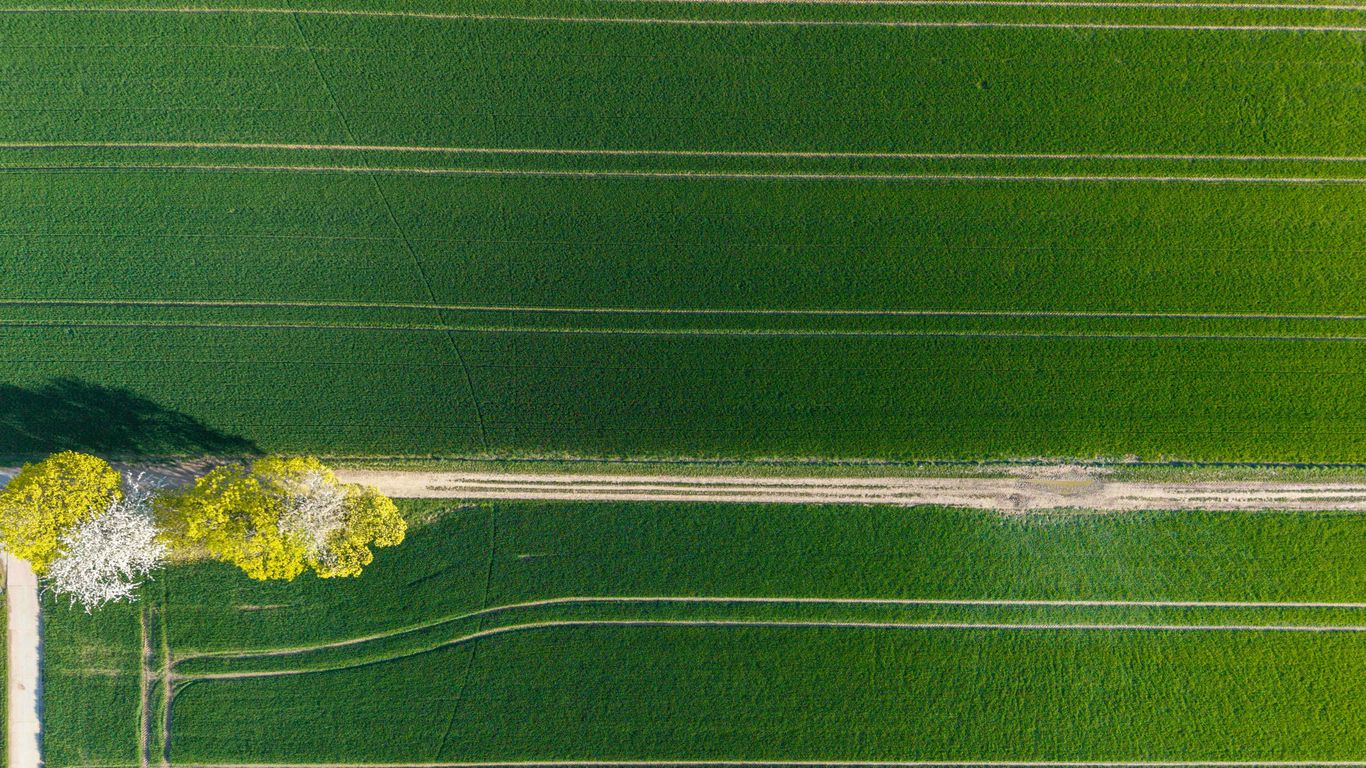
Farming is changing, and drones are a big part of that. For ages, we’ve sprayed crops using methods that were, well, pretty basic. Think guys walking with sprayers on their backs or big tractors chugging along. These ways of doing things could be slow, used way too much chemical, and sometimes even hurt the crops or the soil. Plus, workers were often right there, breathing in whatever was being sprayed. It wasn’t ideal.
Now, drones are stepping in, and they’re changing the game. They offer a much smarter, more precise way to get the job done. Instead of a wide, often uneven spray, drones can target exactly where the treatment is needed. This means less waste, less chemical drifting into places it shouldn’t be, and a better environment for helpful bugs and other wildlife. They can also get to those tricky spots – steep hills, dense patches, or even fields that are a bit waterlogged – areas that are a real pain for ground equipment.
Revolutionizing Crop Management With Drones
Drones are basically giving farmers a bird’s-eye view, but with a purpose. They can fly over fields and quickly spot problems that might be missed from the ground. This early detection is a huge deal. It means farmers can jump on issues like pests or diseases before they really take hold and spread. This proactive approach helps keep crops healthy and can lead to better harvests.
Enhancing Farm Efficiency Through Aerial Technology
Think about how much time it takes to cover a large field with a tractor. Drones can do it much faster. They can also work when conditions aren’t perfect for ground machines, like when the soil is too wet. This ability to cover ground quickly and efficiently means farmers can get tasks done on time, which is super important for crop health. It’s like having an extra pair of hands, but way faster and able to go anywhere.
Precision Application For Optimal Crop Health
This is where drones really shine. They don’t just spray everywhere. Using GPS and special nozzles, they can apply pesticides, herbicides, or fertilizers exactly where they’re needed and in the right amounts. This targeted approach means you’re not wasting product, and you’re not over-treating areas that don’t need it. The result? Healthier plants and a more sustainable way of farming.
Precision Application: The Core Of Drone Spraying Crops
When we talk about drone spraying, the real magic happens with precision application. It’s not just about flying a drone over a field and spraying; it’s about doing it smartly. Think about it: instead of blanketing an entire field with chemicals, drones can target exactly where they’re needed. This means less waste, less money spent on expensive treatments, and a much gentler approach to the environment.
Targeted Chemical Application For Reduced Waste
This is where drones really shine. They use GPS and other fancy tech to map out fields and identify specific problem areas. Maybe it’s a patch of weeds here, or a spot where pests are starting to show up there. The drone can then deliver the spray precisely to those spots. This is a huge change from older methods where you’d spray everything, just in case.
Here’s a quick look at how it helps:
- Less Chemical Used: You’re only spraying what’s necessary.
- Lower Costs: Buying less chemical means saving money.
- Reduced Runoff: Less spray means less chance of it washing away into waterways.
Minimizing Environmental Impact With Drones
Beyond just saving money, this precision approach is way better for the planet. When you spray less, you’re not just reducing chemical waste; you’re also protecting the good bugs and other wildlife that live in and around the fields. Traditional spraying can sometimes harm beneficial insects that actually help the crops. Drones help avoid that collateral damage. It’s about working with nature, not against it.
Improving Worker Safety In Agricultural Practices
Let’s not forget the people working on the farm. Spraying chemicals can be risky business. Workers have to wear protective gear and deal with fumes. With drones, the spraying is done remotely. This means farmers and their teams don’t have to be out in the fields breathing in potentially harmful substances. They can manage the spraying from a safe distance, which is a big win for everyone’s health and well-being.
Operational Advantages Of Drone Spraying Crops
When we talk about drones in farming, it’s not just about the fancy tech; it’s about making real, practical improvements to how farms run day-to-day. One of the biggest wins is how much faster things can get done. Imagine covering a whole field that used to take hours with a ground sprayer, now done in a fraction of the time. This speed means farmers can react quicker when problems pop up.
Increased Efficiency and Speed in Field Operations
Drones are seriously changing the game when it comes to getting work done in the fields. They can fly over large areas much faster than traditional methods. This isn’t just about saving time; it means farmers can get more done with the same resources, or even less.
Here’s a quick look at how they speed things up:
- Rapid Deployment: Drones can be prepped and launched quickly, ready to go when needed.
- Continuous Operation: Unlike ground equipment that might need frequent stops, drones can often operate for longer periods, especially with battery swaps.
- Reduced Ground Congestion: They work above the crops, so they don’t get stuck in mud or slow down other machinery.
Accessing Difficult Terrains for Comprehensive Coverage
Farms aren’t always flat, easy-to-reach places. Think about steep hillsides, areas with dense vegetation, or fields that might be waterlogged after heavy rain. Getting ground machinery into these spots can be tough, if not impossible. Drones, however, don’t have these problems. They can fly right over obstacles and reach every corner of the field. This means no spot gets missed, and treatments can be applied everywhere they’re needed, leading to healthier, more uniform crops.
Timely Interventions for Pest and Disease Control
Spotting a pest outbreak or the start of a disease early is key to stopping it from spreading. Drones, with their ability to quickly survey large areas and apply treatments precisely, are perfect for this. Farmers can get aerial views to identify problem spots and then immediately deploy the drone to spray only those affected areas. This targeted approach stops issues in their tracks before they become major problems, saving crops and reducing the need for broad, blanket treatments.
Economic Benefits Of Drone Spraying Crops
When you look at the bottom line, drone spraying really starts to make sense for farms. It’s not just about fancy tech; it’s about saving money and making more.
Reducing Labor Costs Through Automation
Think about how much time and money goes into manually spraying fields or even using ground-based machinery. You need people to operate the equipment, mix the chemicals, and cover all the ground. Drones change that. By automating the spraying process, a lot of that manual labor just isn’t needed anymore. This means fewer workers on the payroll for spraying tasks, which can be a huge saving, especially for larger operations. Plus, the workers you do have can be redirected to other important jobs on the farm that require a human touch, rather than just repetitive spraying.
Optimizing Chemical Usage For Cost Savings
This is where the precision of drones really shines. Instead of spraying an entire field uniformly, drones can be programmed to target specific areas that actually need treatment. This means you’re not wasting expensive pesticides, herbicides, or fertilizers on parts of the field that are already healthy or don’t have issues. Less chemical used equals less money spent. It’s a pretty straightforward equation. This targeted approach also helps reduce chemical runoff, which can save on environmental cleanup costs down the line and avoid fines.
Boosting Crop Yields With Data-Driven Decisions
While not directly a spraying cost, the data drones collect can lead to better decisions that increase what you harvest. By monitoring crops closely and spraying only where and when needed, you prevent problems like pests and diseases from spreading unchecked. This proactive approach means healthier plants overall. Healthier plants are more productive plants. So, while the initial investment in drones might seem like a lot, the combination of reduced input costs and increased yields can lead to a significant boost in your farm’s profitability. It’s about working smarter, not just harder, to get the most out of your land.
Challenges And Future Of Drone Spraying Crops
So, we’ve talked a lot about how great drone spraying is, right? But it’s not all sunshine and perfectly sprayed fields. There are definitely some hurdles to jump over. For starters, these drones can only carry so much liquid. Think about a big field – you might have to land and refill multiple times, which eats into that speed advantage we discussed. And then there’s the weather. A bit of wind, some rain, or even just really high humidity can ground your drone operation. It’s a real bummer when you need to get something done quickly.
Addressing Payload and Weather Limitations
Payload is a big one. Most current drones can only carry a few gallons of spray at a time. This means more trips back to the base, more downtime, and potentially higher costs for larger operations. It’s like trying to move a whole house with a small car – you’ll get there, but it’s going to take a while. Weather is another story. Drones are sensitive machines. Strong winds can push the spray off target, and rain can wash it away before it even does its job. Plus, flying in storms is just asking for trouble. Farmers need to be really smart about timing their applications, which isn’t always easy when nature is calling the shots.
Navigating Regulations and Training Requirements
Then there are the rules. Every country, and sometimes even different regions within a country, has its own set of regulations for flying drones, especially for commercial use like spraying. You can’t just buy a drone and start spraying willy-nilly. There are often registration requirements, flight restrictions, and rules about what you can spray and where. Getting the right training is also key. Operating these machines safely and effectively isn’t like flying a kite. You need to know about flight controls, maintenance, and how to handle the chemicals safely. It takes time and money to get properly certified, which can be a barrier for some farmers.
The Evolving Landscape of Autonomous Agricultural Drones
Looking ahead, things are getting pretty exciting. We’re seeing a push towards more autonomous systems. Imagine drones that can not only spray but also identify specific weeds or diseases and treat only those spots. That would be a game-changer for reducing chemical use even further. There’s also work being done on bigger drones with larger payloads and better battery life, which would help with those coverage issues. And what about drone swarms? Picture a whole group of drones working together, covering a field much faster than a single unit. It sounds like science fiction, but it’s definitely on the horizon. The technology is moving fast, and while there are still challenges, the future of drone spraying in agriculture looks pretty bright and very automated.
The Sky’s the Limit for Farming
So, looking at all this, it’s pretty clear that drones are changing the game for farmers. They’re making it easier to keep an eye on crops, spray them when needed, and generally just farm smarter. Sure, there’s a learning curve and some costs involved, but the payoff in terms of better harvests and saving resources seems pretty big. It feels like we’re just scratching the surface of what these flying gadgets can do for agriculture. If you’re in farming, it might be time to start thinking about how a drone could fit into your operation. The future of getting food on our tables is definitely looking up.
Frequently Asked Questions
What exactly are crop-spraying drones?
Think of them as tiny, flying robots that farmers use to spray crops. Instead of walking behind a big machine or using a backpack sprayer, these drones fly over the fields and carefully spray the plants with things like bug spray or fertilizer. They’re like super-smart sprinklers for your crops!
How do drones help crops grow better?
Drones help crops by spraying exactly where they need it. This means less wasted spray and making sure each plant gets just the right amount of help. They can also spot problems like bugs or dry spots early on, so farmers can fix them fast before they hurt the whole crop.
Are drones faster than old ways of spraying?
Yes, definitely! Drones can cover a lot of ground really quickly. Imagine flying over a field versus walking it – it’s no contest. This speed means farmers can spray their crops at just the right time, which is super important for healthy plants.
Do drones save farmers money?
They sure can! Because drones spray only where needed, farmers use less spray, which costs money. Also, since drones do a lot of the work, farmers might need fewer people to help out, saving on labor costs too. Plus, healthier crops mean more food to sell!
Can drones spray anywhere, even tricky spots?
Pretty much! Drones can fly over hills, wet areas, or places where big tractors can’t go. This means farmers can take care of all their crops, no matter how hard the spot is to reach, making sure no pests or problems get missed.
Are there any downsides to using drones for spraying?
Sometimes, drones can’t carry a lot of spray at once, so they might need to refill more often. Also, they can’t fly if it’s too windy or rainy. Farmers also need to learn how to use them and follow special rules, which can take time and effort.