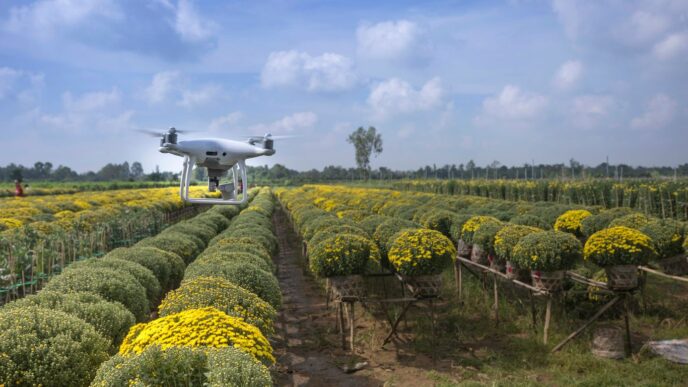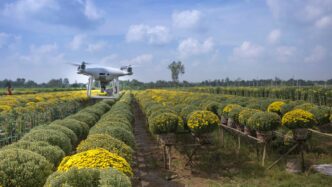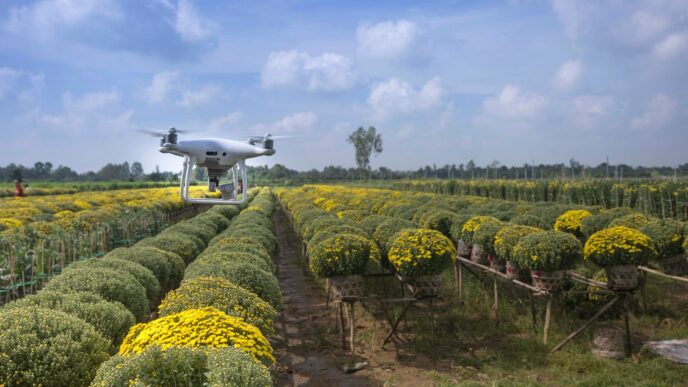
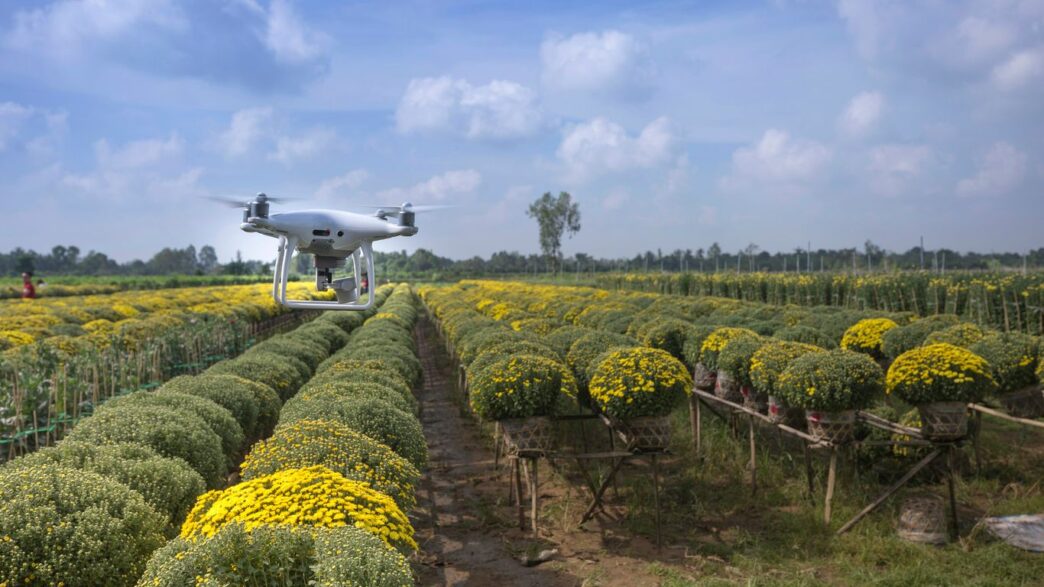
Farming is changing, and the way we spray crops is a big part of that. Gone are the days of relying solely on slow, ground-based methods or expensive, pilot-dependent crop dusters. Today, a new player is taking to the skies: the drone agriculture sprayer. These aren’t your average hobby drones; they’re sophisticated tools designed to apply pesticides and fertilizers with amazing accuracy. What might have seemed like science fiction a few years ago is now a practical reality, helping farmers work smarter, not just harder, across fields big and small.
Key Takeaways
- Drone agriculture sprayers are replacing older, more labor-intensive ways of treating crops, offering a modern solution for farmers.
- These drones apply treatments with great precision, using GPS to follow exact paths and ensuring chemicals reach their target without waste.
- Using a drone agriculture sprayer can lead to better crop yields and lower costs, with real-world examples showing significant improvements.
- Drones help solve labor shortages in farming and are better for the environment by reducing chemical use and soil compaction.
- While challenges like weather and regulations exist, advancements in AI and navigation are making drone agriculture sprayers more capable and easier to use.
The Rise of the Drone Agriculture Sprayer
It feels like just yesterday we were talking about drones as fancy toys, but now? They’re becoming a pretty big deal in farming. We’re seeing a real shift from the old ways of spraying crops, you know, with tractors or even by hand, to using these flying machines. It’s not science fiction anymore; lots of farms are already using them.
Transforming Traditional Spraying Methods
Think about how spraying used to be done. It was often a slow, back-breaking job, and getting good coverage could be a real challenge. Tractors can only do so much, and they can compact the soil, which isn’t great for the plants. Airplanes were an option for large areas, but they’re not exactly precise and can drift a lot. Drones change all that. They can get right over the crops, flying at lower altitudes, which means the spray lands exactly where it needs to. This makes a huge difference in how well the treatments work.
Precision Application for Crop Health
One of the coolest things about these drones is how precise they are. They use GPS, sometimes with really accurate RTK systems, to map out the fields and follow exact paths. This means they don’t miss spots, and they don’t spray the same area over and over. They can also be programmed to adjust the spray based on what the crop actually needs. Some advanced models even have sensors that can spot problems like disease or nutrient deficiencies early on. This targeted approach means healthier plants and, hopefully, better harvests.
From Toys to Essential Farming Tools
It’s pretty wild to think about how far this technology has come. What started as hobbyist gadgets have turned into sophisticated tools that are genuinely helping farmers. They’re not just about spraying pesticides or fertilizers either. Many can also be used for scouting fields, checking on crop health, and gathering data. This versatility is what makes them so valuable now. They’re becoming a standard piece of equipment for many modern farms, helping them work smarter and more efficiently.
Efficiency and Precision in Crop Management
It’s no secret that farming is hard work, but drones are starting to make a real difference, especially when it comes to managing crops. There’s something pretty remarkable about watching a drone zip over the fields, doing in hours what used to take a whole day—and, truth be told, probably did it better, too. Let’s break down exactly how drones have changed efficiency and precision in crop management.
Optimizing Chemical Usage with Drones
Drones are sharp when it comes to using just enough chemicals—no more, no less. By dialing in the exact spots that need attention, drones reduce chemical waste. This targeted approach isn’t just good for the wallet, but it’s a win for the planet, too. Here’s why:
- Fewer chemicals drift into areas they shouldn’t reach
- Plants get just what they need, so there’s less risk of damage
- Save money by avoiding excess purchasing and runoff
In some cases, farmers have reported using 20–30% less pesticide, which adds up fast over big fields.
Targeted Spraying for Healthier Yields
Back in the day, every plant got sprayed the same, whether it needed it or not. Now, drones can identify problem areas with built-in cameras and sensors. Here’s the cool part:
- Drones map the field and detect which areas are under stress
- Only those areas get sprayed; healthy spots are left alone
- Fewer chemicals mean healthier soil and less runoff
Healthier crops plus cleaner land is hard to argue with.
Comparing Drone vs. Tractor Spraying
People are always asking: is drone spraying actually better than using tractors? Honestly, the numbers speak for themselves:
| Comparison Factor | Drone Spraying | Tractor Spraying |
|---|---|---|
| Precision | High (GPS-guided) | Medium |
| Labor Required | Low | High |
| Chemical Use | Optimized | Often excessive |
| Speed | 5–10 acres/hour | 2–3 acres/hour |
| Field Access | Tough terrain, no problem | Struggles on hills and mud |
- With drones, one person can do what used to need a team and a tractor.
- Drones don’t compact the soil or get stuck in mud, so there’s less damage to the land.
- Timeliness is everything in farming—drones make it possible to spray quickly in those narrow weather windows.
Honestly, watching a drone do in one morning what once took a whole crew is almost enough to make guys like my uncle consider upgrading their old machines.
In short, drones aren’t just a flashy gadget—they actually bring real efficiency and smarts to the work of taking care of crops.
Real-World Success Stories of Drone Agriculture
It’s pretty amazing to see how quickly drone sprayers are popping up everywhere. Farmers who were maybe a little hesitant at first are now seeing what their neighbors are doing and getting on board. The results are just too good to ignore.
Increased Yields and Reduced Costs
Lots of farmers are reporting better harvests and lower expenses after switching to drones. One survey showed that users saw their yields go up by about 15% on average. Plus, their costs per acre dropped by around 10%. That’s a pretty big deal when you’re running a farm.
Global Adoption Across Continents
This isn’t just a local thing; it’s happening all over the world. Drones are making a difference from the big fields in the American Midwest to the smaller, terraced farms you see in Asia.
Case Studies in Asia and Europe
In Asia, countries like China and India are using thousands of drones to spray crops like rice and cotton. Studies there show that using drones cuts down on how much pesticide and water farmers need. It’s a big shift that helps both the wallet and the planet.
Over in Europe, especially in places like France and Italy, vineyards are using drones for spraying. These drones are gentle and can get to steep hillsides where tractors can’t go. They’re proving to be just as good, if not better, than old-school sprayers for things like mildew on grapevines. This means better crops and less soil compaction, which is good for the land.
Here’s a quick look at how they stack up:
| Feature | Drone Spraying | Traditional Spraying |
|---|---|---|
| Precision | High (GPS-based) | Moderate |
| Labor Needed | Low | High |
| Chemical Use | Optimized | Often too much |
| Speed | 5-10 acres/hour | 2-3 acres/hour |
Key Benefits of Drone Agriculture Sprayers
Addressing Labor Shortages
Farming has always been a tough job, and finding enough hands to help out, especially during busy times, can be a real headache. This is where drone sprayers really shine. They can take over tasks that used to need a whole crew, like spraying fields. This means farmers can get more done with fewer people, and it helps make up for the lack of available farm workers. Plus, it gives farmers back some personal time, letting them have weekends off even when things are hectic. It’s a win-win: more work gets done, and people get a better work-life balance.
Environmental and Economic Advantages
Using drones for spraying isn’t just good for the farmer; it’s good for the planet and the wallet too. Because drones can be so precise, they use just the right amount of chemicals, cutting down on waste. This means less money spent on expensive treatments and less chance of chemicals drifting off into other areas or polluting the soil. So, what’s good for business, like saving money on supplies, also turns out to be better for the environment. It’s a smart way to farm that helps keep things clean and green.
Improved Farmer Safety
Let’s face it, dealing with pesticides and other farm chemicals can be risky. Traditional spraying methods often mean farmers are right there in the middle of it, breathing in fumes and getting exposed. Drone sprayers change all that. By letting a drone do the spraying from above, farmers can stay a safe distance away. This greatly reduces their exposure to harmful substances, making the whole process much safer. It’s a big step forward in protecting the health of the people who work the land.
Technological Advancements in Drone Spraying
GPS/RTK Navigation Systems
Modern agricultural drones aren’t just flying around randomly. They use sophisticated navigation systems, like GPS and RTK (Real-Time Kinematic), to know exactly where they are and where they’re going. This is super important for making sure the spray covers the field evenly, without missing spots or spraying the same area twice. Think of it like a self-driving car for your fields – it follows a precise path.
Smart Nozzle and Pump Technology
It’s not just about getting the liquid from point A to point B. The nozzles and pumps on these drones are pretty smart too. They control the size of the spray droplets. This means the right amount of chemical lands on each plant, so you’re not wasting product or under-treating your crops. It’s all about getting the chemical where it needs to go, efficiently.
AI and IoT Integration for Precision
This is where things get really interesting. Drones are starting to use artificial intelligence (AI) and the Internet of Things (IoT). This means they can gather information from the field in real-time. They can even spot problems like plant diseases or nutrient deficiencies before they become big issues. Some drones have sensors that can detect these problems, helping farmers take action faster. This integration allows for highly targeted spraying, reducing chemical use and improving crop health.
The Future of Drone Agriculture Spraying
The way we farm is changing, and drones are right in the middle of it. It’s not just about spraying anymore; it’s about making farming smarter and more connected. We’re moving towards a future where fields are managed with a lot more data and a lot less guesswork.
The Role of AI and IoT
Artificial intelligence (AI) and the Internet of Things (IoT) are really starting to make a difference. Think of drones that can actually ‘see’ and ‘think’ about what your crops need. AI can help drones identify specific plants that are struggling or have pests, and then apply treatment only where it’s needed. IoT connects these drones and other farm equipment, sending information back to you in real-time. This means you can get alerts on your phone about your crops’ health or when a drone needs a quick recharge.
- Real-time crop health monitoring: Drones equipped with special cameras can spot problems before they become big issues.
- Targeted treatment: AI helps drones apply pesticides or fertilizers only to the plants that need it, saving resources.
- Predictive maintenance: Drones can even tell you when they need servicing, so they’re always ready to go.
Upcoming Innovations in Drone Technology
Things are getting pretty interesting with new drone ideas. One big one is the idea of ‘drone swarms’ – multiple drones working together like a team to cover a large field much faster. We’re also seeing developments like solar-powered charging stations that can be set up right in the fields, so drones can keep working longer without needing to be brought back for a charge. Battery tech is improving too, meaning longer flight times and bigger payloads.
Zenadrone’s Vision for Connected Drones
Companies like Zenadrone are thinking about drones as more than just sprayers. They see them as central hubs for all your farm data. Their vision is for drones that are fully connected, sending constant updates about your fields straight to your mobile device. This includes detailed analytics on crop growth and even systems that can automatically schedule tasks. This connected approach aims to make farming more efficient and sustainable by using data to make better decisions.
Challenges and Considerations for Drone Sprayers
While drone sprayers offer a lot of cool benefits, they aren’t exactly a walk in the park to use. There are definitely some hurdles to jump over before you can just send your drone out to do all the work. It’s a bit more involved than just buying a gadget and expecting magic to happen.
Navigating Weather and Regulations
Let’s talk about the weather first. It’s still the boss, and it can mess with your plans in a heartbeat. Strong winds can ground your drone, which is a real pain when you’ve got a tight schedule. And if it starts raining right after you spray, all that expensive treatment could just wash away. Talk about a waste of time and money. Then there are the rules. You can’t just fly a drone anywhere, anytime. Getting the right paperwork and certifications can be a headache. It often means filling out a bunch of forms for the aviation folks and sometimes getting special licenses for handling chemicals. It takes time and effort to make sure you’re following all the guidelines.
Operational Challenges and Battery Life
Beyond the weather and rules, there are the day-to-day operational issues. Battery life is a big one. Most drone spraying sessions only last about 20 to 40 minutes. If you have a large field, you’ll need to plan for landing, swapping batteries, and taking off again. This constant cycle means you really need to stay on top of drone maintenance and have a few spare batteries ready to go. It’s not just a good idea; it’s pretty much a necessity to keep things moving smoothly. Planning these battery swaps and ensuring you have enough power for the entire job is a key part of the process.
Training and Integration Needs
Getting the drone itself is just the first step. You also need to know how to use it properly. In many rural areas, finding good training can be tough, and there’s a gap in knowledge for some people. We need more hands-on training programs that are easy to get to. This way, farmers can not only fly the equipment but also fix it when it breaks and understand the information it collects. Integrating this new tech into your existing farming practices also takes some thought. It’s not just about the drone; it’s about how it fits into your whole operation. This includes understanding the software for mapping fields, planning routes, and reviewing the data after the job is done. It’s a learning curve, for sure.
The Future of Farming is Here
So, we’ve talked a lot about how these drones are changing things up for farmers. It’s pretty clear that flying sprayers are more than just a cool gadget; they’re becoming a really useful tool. They help get the job done faster, use less stuff like pesticides, and are generally better for the land. Plus, farmers don’t have to be out in the fields getting sprayed themselves. While there are still a few bumps in the road, like figuring out the best way to use them and dealing with the weather, it looks like drones are here to stay. They’re making farming smarter and, honestly, a bit easier for everyone involved.
Frequently Asked Questions
How do agriculture drone sprayers work?
Agriculture drone sprayers use GPS to fly over fields and spray chemicals like pesticides or fertilizers from the air. The drone follows a planned path, and its nozzles spray a fine mist exactly where it’s needed. This helps cover the whole field evenly and quickly.
What are the main benefits of using drones for crop spraying?
Drones save farmers time and money because they can spray large areas fast and with less chemical waste. They are also safer for farmers, who don’t have to walk through fields and handle chemicals directly. Drones can reach tough spots, like hills or wet fields, where tractors can’t go.
Are drone sprayers better than traditional tractor sprayers?
Yes, in many ways. Drones are more precise, use fewer chemicals, and don’t squash the soil like heavy tractors. They can cover more acres in less time and are especially useful in hard-to-reach areas. However, tractors might still be better for really huge fields if drone battery life is a problem.
What kind of crops can benefit from drone spraying?
Many crops can benefit, including rice, wheat, corn, cotton, and even specialty crops like grapes and tea. Drones are great for both big fields and delicate crops that need gentle care.
What challenges do farmers face when using drone sprayers?
Some challenges are bad weather, like strong winds or rain, which can stop drones from flying. Battery life is also a limit, so farmers may need extra batteries or drones for big fields. Farmers also need training to fly the drones safely and follow local rules.
Is it expensive to start using drone sprayers on a farm?
The starting cost can be high because drones and equipment are not cheap, but many farmers find they save money in the long run. Drones use fewer chemicals and need less labor, so the investment can pay off after a year or two, especially for larger farms.