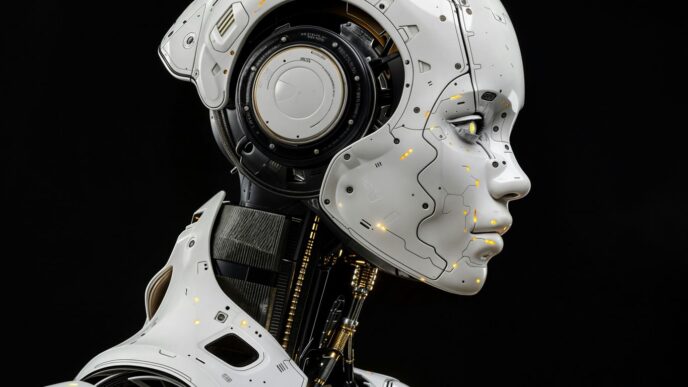
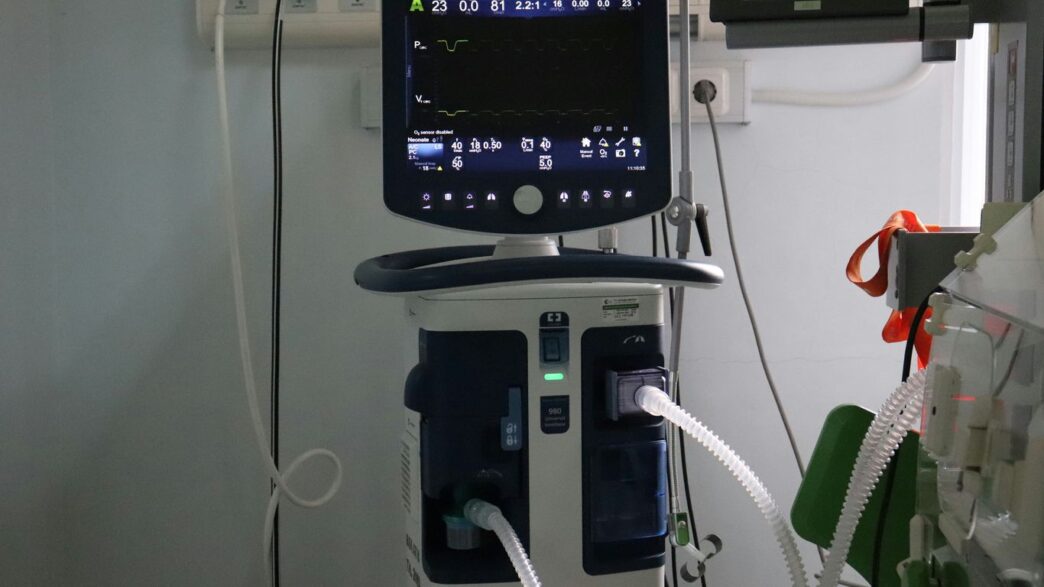
Telemedicine has really changed how we get healthcare, letting doctors check on us from afar. But it’s not always perfect, with doctors getting overloaded and tech not always working everywhere. That’s where artificial intelligence, or AI, comes in. AI can help with spotting problems, guessing what might happen next, and keeping an eye on things in real-time. However, bringing AI into telemedicine isn’t without its own set of issues, like making sure it’s fair, keeping data safe, and figuring out the rules.
Key Takeaways
- AI is making remote healthcare more accurate, especially in areas like checking skin or eyes.
- AI helps create personal treatment plans and keeps track of patients with long-term illnesses from a distance.
- New tech like blockchain and mobile clinics are making AI in telemedicine more secure and accessible.
- We need to think about fairness, data protection, and clear rules when using AI in remote healthcare.
- The future of AI in telemedicine means making sure everyone can use it, keeping data private, and having clear guidelines for everyone.
Transforming Patient Care Through Artificial Intelligence in Telemedicine
Telemedicine has really changed how we get healthcare, letting doctors check on us from afar. But it’s not always perfect. Sometimes doctors get overloaded, or the information isn’t clear, and not everyone has the same tech. That’s where artificial intelligence, or AI, comes in. AI can help sort through all the data, spot problems faster, and keep an eye on things in real-time. It’s like giving telemedicine a super-powered upgrade.
Enhancing Diagnostic Accuracy with AI-Powered Tools
One of the biggest ways AI is helping is by making diagnoses more accurate. Think about looking at skin photos or eye scans. AI can be trained on thousands of images, learning to spot tiny details that might be missed by the human eye, especially when a doctor is tired or has seen a lot of patients already. For example, AI systems are now getting really good at identifying skin conditions from pictures, sometimes as well as a dermatologist. The same goes for eye diseases like diabetic retinopathy; AI can screen images quickly and flag potential issues for a specialist to review. This means faster diagnoses and getting people the treatment they need sooner.
Personalized Treatment Planning and Remote Monitoring
AI also makes treatment plans more tailored to each person. By looking at a patient’s history, genetic information, and even data from wearable devices, AI can suggest the best course of action. It’s not just about one-size-fits-all anymore. Plus, with remote monitoring, AI can keep track of vital signs like heart rate or blood sugar levels continuously. If something looks off, it can alert the patient or their doctor right away. This is a game-changer for managing long-term illnesses, helping to prevent serious problems before they happen.
Improving Healthcare Accessibility in Underserved Regions
For people living far from hospitals or in areas with fewer doctors, telemedicine powered by AI can be a lifeline. AI tools can help local health workers make better decisions, even without a specialist on hand. Imagine a mobile clinic that uses AI to help diagnose conditions on the spot. This technology can bring expert-level insights to places that have historically lacked access to quality healthcare, helping to level the playing field.
Key Applications of Artificial Intelligence in Telemedicine
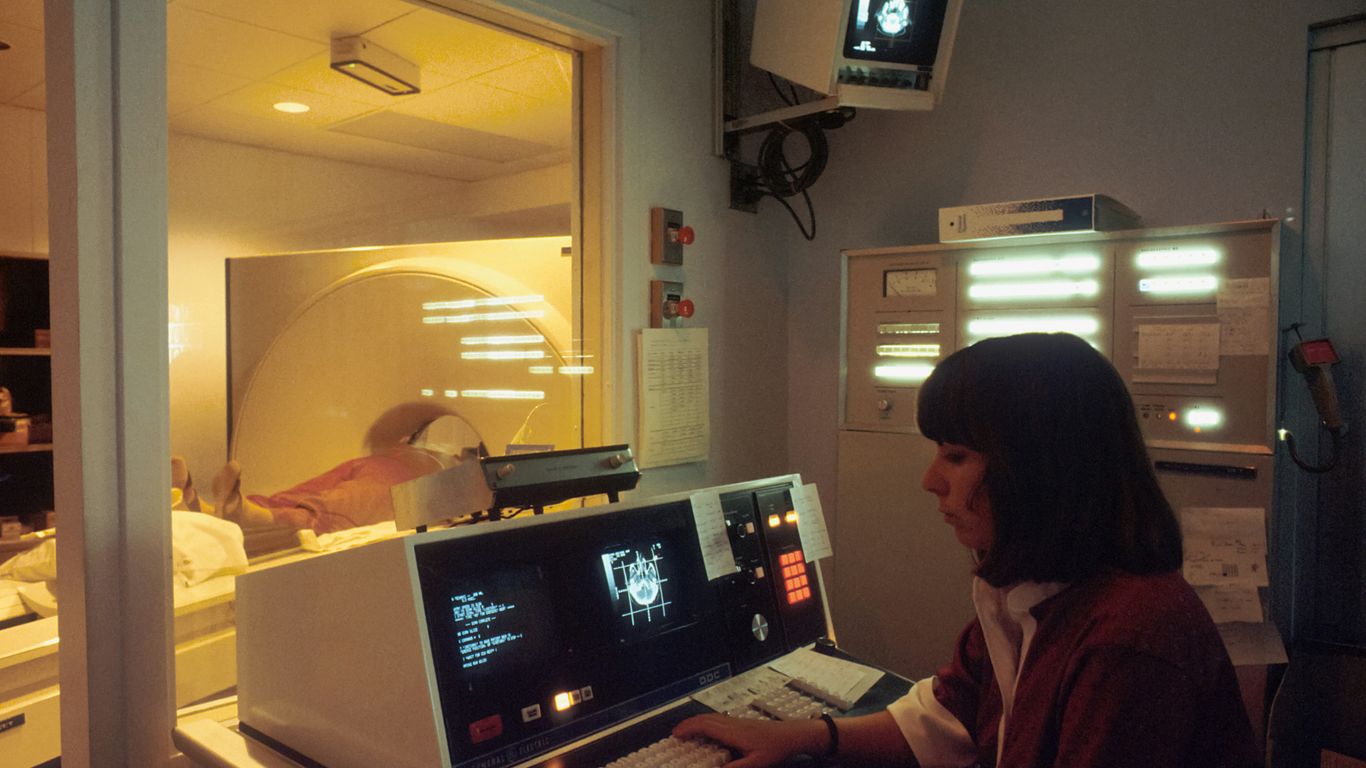
Artificial intelligence is really starting to make its mark in telemedicine, showing up in some pretty interesting ways. It’s not just about making things faster; it’s about making them more accurate and accessible.
AI in Dermatology and Ophthalmology Screenings
Think about looking at skin images or eye scans. AI is getting incredibly good at spotting things that might be easy to miss. For example, AI algorithms can analyze photos of skin lesions and flag potential melanomas with accuracy that’s starting to rival experienced doctors. It’s a huge help for remote areas where seeing a specialist isn’t always an option. Similarly, in ophthalmology, AI can screen for conditions like diabetic retinopathy or glaucoma by looking at retinal images. This means people can get checked out without needing to travel to a clinic, which is a big deal for early detection and preventing vision loss. These AI tools act as a valuable first line of defense, helping to prioritize cases that need immediate human attention.
Mental Health Support via AI Chatbots and Virtual Assistants
Dealing with mental health can be tough, and sometimes just having someone to talk to, even if it’s a bot, can make a difference. AI-powered chatbots and virtual assistants are popping up to offer support. They can help with initial assessments, provide coping strategies, and even just offer a listening ear. They’re available 24/7, which is great for people who might be struggling at odd hours. Plus, they can help manage basic patient inquiries and send reminders, freeing up human therapists for more complex cases. You can find more about how AI is powering virtual assistants on pages about AI in telemedicine.
Continuous Monitoring of Chronic Conditions with Wearable AI
For folks managing chronic conditions like heart disease or diabetes, constant monitoring is key. Wearable devices, like smartwatches and fitness trackers, are now packed with AI that can keep an eye on vital signs. They can track heart rate, blood oxygen levels, and even detect irregular heart rhythms like atrial fibrillation. If something looks off, the device can alert the wearer and their doctor. This kind of continuous, passive monitoring means potential problems can be caught much earlier, often before a person even feels symptoms. It’s a game-changer for managing long-term health remotely.
Emerging Technologies and Innovations in AI-Driven Telemedicine
So, what’s next for AI in telemedicine? It’s not just about better diagnostics anymore. We’re seeing some really interesting developments that could change how healthcare works.
Blockchain and Decentralized Solutions for Secure Data
Think about all the sensitive health information that gets shared through telemedicine. Keeping that data safe is a huge deal. Blockchain technology is stepping in here, offering a way to create super secure and transparent systems for sharing medical records. It’s like a digital ledger that’s almost impossible to tamper with. This means better protection for patient privacy and more trust in the whole system. Plus, decentralized models mean data isn’t all stored in one place, making it less vulnerable to big breaches.
AI-Assisted Robotic Telesurgery
This one sounds like science fiction, but it’s becoming a reality. Imagine a surgeon being able to perform a complex operation on a patient miles away, using robotic arms guided by AI. This could bring specialized surgical skills to places that just don’t have them, like rural areas or developing countries. AI helps by providing real-time feedback and precision that even the steadiest human hand might struggle with. It’s all about extending the reach of top-tier medical care.
Mobile Diagnostic Clinics with AI Integration
Getting healthcare to people who need it most is still a challenge. One cool idea is using mobile diagnostic clinics. These are basically vans or small units equipped with advanced AI tools and portable medical devices. They can travel to remote communities or underserved areas, offering services like remote consultations, quick screenings, and even real-time decision support for local health workers. It’s a way to bring the clinic directly to the patient, making early detection and treatment much more accessible.
Addressing Challenges in Artificial Intelligence Telemedicine Integration
So, we’ve talked a lot about how cool AI is for telemedicine, right? But it’s not all smooth sailing. There are some pretty big hurdles we need to jump over before this stuff becomes as common as, well, a doctor’s visit. It’s like trying to assemble IKEA furniture without the instructions – looks easy, but then you get to the weird screws and suddenly you’re questioning all your life choices.
Ethical Considerations and Algorithmic Bias
One of the trickiest parts is making sure the AI is fair. Imagine an AI trained mostly on data from one group of people. What happens when it’s used on someone completely different? It might not work as well, or worse, it could give the wrong advice. We’ve seen studies where AI systems that are great for one skin tone struggle with another, or where models trained on data from one continent don’t perform well elsewhere. This means we need to be super careful about the data we use to train these AIs, making sure it represents everyone. It’s not just about getting the diagnosis right; it’s about getting it right for everyone, no matter their background.
Data Privacy and Security Concerns
Then there’s the whole privacy thing. When you’re sending sensitive health information over the internet, especially to an AI that’s learning from it, you want to know it’s safe. Think about all the personal details involved in your health. We need really strong systems to keep that data locked down, so it doesn’t fall into the wrong hands. It’s a constant battle against hackers and data breaches, and with AI systems needing more and more data, the stakes just get higher.
Regulatory Hurdles and Standardization
Finally, the rules and regulations haven’t quite caught up with the technology. Different countries have different laws, and even within a country, things can be confusing. Who’s responsible if an AI makes a mistake? How do we even test these AI systems to make sure they’re safe and effective? We need clear guidelines and standards so that doctors and patients can trust these tools, and so that companies know what they need to do to get their AI-powered telemedicine solutions approved. It’s a bit like trying to drive a car when all the road signs are in different languages – it’s hard to know where you’re going.
The Future of Artificial Intelligence in Telemedicine
So, where is all this AI-powered telemedicine headed? It’s not just about making appointments easier; it’s about fundamentally changing how we get and give healthcare. We’re looking at a future where AI helps make sure everyone, no matter where they live, gets good care. The goal is to make healthcare more accessible and effective for all.
Ensuring Equitable Access and Clinician Involvement
One big piece of the puzzle is making sure these new AI tools don’t leave anyone behind. Think about people in rural areas or those who don’t have the latest tech. AI in telemedicine has the potential to bridge these gaps, bringing expert advice right to their homes. But it’s not just about the patients. Doctors and nurses need to be part of this conversation too. Their input is vital for building AI systems that actually help them do their jobs better, not just add more work. We need AI that works with clinicians, not against them. This means training programs and making sure they understand how these tools work and trust the results. It’s a bit like learning to use a new smartphone app – at first, it’s confusing, but once you get the hang of it, it makes life easier.
Privacy-Preserving AI Methodologies
Now, let’s talk about data. All this AI relies on patient information, and keeping that private is super important. The future will see more AI methods designed specifically to protect our health data. Think of techniques that can analyze information without actually seeing the raw personal details. This is key for building trust. If people worry their private health info isn’t safe, they won’t use these services. We need strong safeguards, like advanced encryption and ways to process data locally on devices when possible. It’s about finding that balance between using data to improve care and respecting individual privacy. The development of AI systems that can learn from data without compromising patient confidentiality is a major focus [d3b5].
Standardizing Guidelines for Widespread Adoption
For AI in telemedicine to really take off, we need clear rules of the road. Right now, it’s a bit of a wild west. Different places have different ideas about what’s okay. We need common standards for how AI tools are tested, approved, and used. This helps everyone – patients, doctors, and developers – know what to expect. It also makes it easier for these tools to be used across different hospitals and even different countries. Imagine a world where an AI diagnostic tool approved in one place works just as well and is trusted everywhere else. That’s the kind of standardization we’re aiming for. This includes:
- Clear protocols for AI validation.
- Guidelines on data security and patient consent.
- Frameworks for how AI decisions are reviewed.
Getting these guidelines in place will help AI-powered telemedicine become a normal, everyday part of healthcare.
Practical Implementation of Artificial Intelligence in Telemedicine
So, how do we actually get AI working in telemedicine in a way that makes sense for everyone? It’s not just about having the tech; it’s about making it useful day-to-day.
AI for Enhanced Decision-Making and Workflow Efficiency
Doctors and nurses are already swamped, right? AI can step in to help sort through all the patient data, flagging things that need immediate attention. Think of it like a super-smart assistant that can quickly analyze scans or patient histories. This means clinicians can spend less time digging through records and more time actually talking to patients. For example, AI can help triage incoming messages, prioritizing urgent cases. It can also help draft initial reports or summaries, cutting down on paperwork.
Here’s a quick look at how AI can speed things up:
- Faster Image Analysis: AI can review X-rays, MRIs, or skin photos much quicker than a human, pointing out potential issues.
- Smarter Triage: AI can assess patient-reported symptoms to help decide who needs to see a doctor next and how urgently.
- Automated Documentation: AI can help fill out patient charts or generate summaries, saving valuable clinician time.
Patient Engagement Through Explainable AI
People are naturally a bit wary of technology making health decisions. That’s where "explainable AI" comes in. It means the AI doesn’t just give an answer; it can show why it came to that conclusion. This builds trust. If an AI suggests a certain treatment, it should be able to explain the data it used to make that recommendation. This transparency is key, especially for serious conditions or when discussing mental health. Patients need to feel like they understand what’s happening with their care, not just blindly following a computer’s advice.
Reimbursement Models for AI-Powered Telemedicine
Getting paid for telemedicine services, especially those using AI, can be tricky. Right now, there isn’t a one-size-fits-all approach. Some places pay per virtual visit, while others have different systems for specialist consultations. We need clearer guidelines on how to bill for AI-assisted services to make sure healthcare providers are compensated fairly and that these technologies can be widely adopted. This will involve figuring out how to value the AI’s contribution to diagnosis or monitoring. It’s a work in progress, but getting this right is important for the long-term success of AI in remote healthcare.
Looking Ahead
So, where does all this leave us with AI and telemedicine? It’s pretty clear that artificial intelligence isn’t just a futuristic idea anymore; it’s actively changing how we get healthcare remotely. We’ve seen how it can help doctors spot problems faster, keep a closer eye on patients at home, and generally make things work more smoothly. But, it’s not all smooth sailing. There are still some big hurdles to jump over, like making sure the technology is fair for everyone, keeping patient information safe, and figuring out all the rules and regulations. The good news is that people are working on these issues. As we move forward, the focus will be on making these AI tools work better together, setting clear standards, and building systems that protect privacy. The goal is to make sure that AI-driven telemedicine is not only smart but also safe, fair, and available to all who need it.
Frequently Asked Questions
What is telemedicine and how is AI helping it?
Telemedicine is like having a doctor’s visit without leaving your home, using technology to connect. AI, which stands for Artificial Intelligence, is like a smart computer brain that can help doctors by looking at health information, suggesting treatments, and keeping an eye on patients from afar. It makes telemedicine even better and more helpful.
Can AI help doctors figure out what’s wrong with someone better?
Yes! AI can be trained to look at things like skin pictures or eye scans and spot problems that might be hard to see. This helps doctors make sure they’re giving the right diagnosis, especially when they can’t see the patient in person.
How does AI help people with long-term health issues using telemedicine?
For people with ongoing health problems like diabetes or heart issues, AI can work with special gadgets you wear, like smartwatches. These gadgets send information to the doctor, and AI helps watch for any changes or problems, so the doctor can step in early if needed. It’s like having a constant health check-up.
Is my health information safe when using AI in telemedicine?
Keeping your health information private is super important. New technologies like blockchain are being used to make sure that the information shared between you, your doctor, and AI is kept safe and secure. It’s a big focus to protect your data.
What are the tricky parts about using AI in telemedicine?
There are a few challenges. Sometimes, the AI might not be fair to everyone, which is called bias. Also, making sure the AI understands and explains its decisions clearly to both doctors and patients is important. Plus, there are rules and laws that need to be updated to keep up with this new technology.
What’s next for AI and telemedicine?
The future looks bright! AI will likely help more people get healthcare, even if they live far away from a doctor. Doctors will get better tools to help them make decisions, and the technology will become safer and easier for everyone to use. The goal is to make healthcare better and more available for all.