It feels like everywhere you look these days, there’s talk about automation. And healthcare is no different. We’re seeing some pretty big changes happening, all thanks to new tech that’s making things work better and faster. From helping doctors figure out what’s wrong to making surgeries smoother and even letting you see a doctor without leaving your couch, automation in medicine is really shaking things up. It’s not just about fancy robots, though; it’s about making healthcare more accessible and effective for everyone. Let’s take a look at how this is all unfolding.
Key Takeaways
- AI is getting really good at looking at medical images, helping doctors spot problems earlier and more accurately.
- Robots are now assisting in surgeries, making them less invasive and helping patients recover faster.
- Seeing a doctor online or having your health tracked from home is becoming more common, thanks to telemedicine and remote monitoring.
- Paperwork and routine admin tasks are being automated, freeing up healthcare staff to focus more on patients.
- The future looks like even more integration of AI and robots, with a big focus on making healthcare more personalized and accessible, while also dealing with important ethical questions.
Advancements in Diagnostic and Treatment Automation
It feels like just yesterday we were talking about computers in hospitals, and now? We’ve got machines that can actually help doctors figure out what’s wrong and how to fix it. It’s pretty wild when you think about it.
AI-Powered Medical Imaging Analysis
Radiologists have been looking at X-rays and scans for ages, but now, artificial intelligence is jumping in to help. These AI systems can look at images like MRIs, CT scans, and X-rays and spot things that might be easy to miss. Think of it like having a super-powered assistant who never gets tired and can see patterns we might not. They’re getting really good at finding early signs of diseases, like cancer, or spotting issues in brain scans that could point to neurological problems. This technology isn’t replacing doctors, but it’s giving them a powerful tool to make diagnoses faster and more accurately.
Predictive Analytics for Disease Progression
Beyond just spotting problems in images, AI is also getting pretty good at looking into the future, sort of. By sifting through tons of patient data – things like medical history, genetic makeup, and even lifestyle factors – these systems can try to predict how a disease might progress in a specific person. This means doctors can get a heads-up on potential issues before they become serious. It also helps them figure out who might be at higher risk for certain conditions, allowing for earlier check-ups or preventative measures. It’s like having a crystal ball, but based on actual data.
Personalized Treatment Plan Generation
Remember when treatments were more one-size-fits-all? Well, that’s changing too. With all the data AI can process, it can help create treatment plans that are tailored specifically to you. It looks at your unique situation – your genetics, how you’ve responded to past treatments, and the specifics of your illness – to suggest the best course of action. The goal here is to make treatments more effective and, hopefully, cut down on those annoying side effects. It’s about making sure you get the right care for you, not just for a general condition.
The Rise of Robotic Assistance in Healthcare
Robots are showing up in hospitals and clinics more and more, and it’s not just science fiction anymore. These machines are really starting to change how doctors and nurses do their jobs, and ultimately, how patients get treated. Think about surgery, for instance. We’ve got these sophisticated robotic systems, like the famous da Vinci Surgical System, that let surgeons perform incredibly delicate operations with more precision than ever before. They use robotic arms that mimic the surgeon’s hand movements, but with added stability and a wider range of motion. This often means smaller cuts, less bleeding, and a quicker recovery for the patient. It’s pretty wild to think about.
Minimally Invasive Robotic Surgery
This is where robots are really making a splash. Instead of large incisions, surgeons can use robotic arms to maneuver tiny instruments through small openings. This is great for procedures like prostatectomies or hysterectomies. The surgeon sits at a console, controlling the robot’s instruments, and gets a magnified, 3D view of the surgical area. It’s like having super-powered, steady hands for those really tricky parts of an operation. The benefits are clear: less pain, shorter hospital stays, and getting back to normal life faster.
Robotic Rehabilitation and Mobility Support
Beyond the operating room, robots are also helping people recover and get around. Imagine a robot assisting someone with physical therapy after an injury or stroke. These systems can guide limbs through specific movements, providing consistent and targeted therapy. They can also help patients with mobility issues, like robotic exoskeletons that help people walk again. Some research is even looking at robots that can help with everyday tasks for people with disabilities, making life a bit easier.
Automation in Pharmaceutical Development
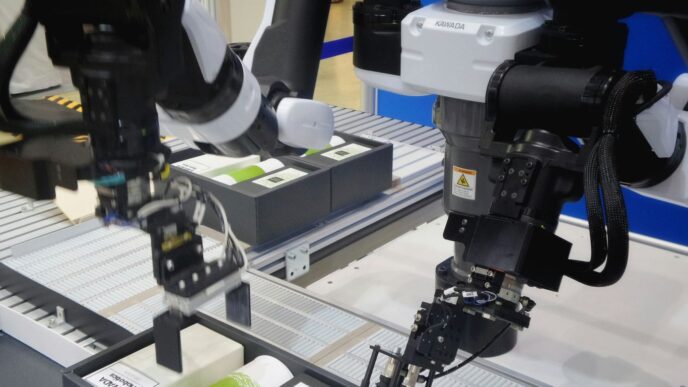
It’s not just about patient care directly; robots are also speeding up how we create medicines. Developing new drugs is a long and complicated process. Robots can handle repetitive tasks in labs, like testing different compounds or analyzing data, much faster and more accurately than humans. This can help researchers discover new treatments and get them to patients sooner. Think of robots working around the clock, sifting through potential drug candidates, which really speeds things up.
Enhancing Patient Care Through Remote Technologies
It’s pretty amazing how technology is letting us get healthcare without always having to go to the doctor’s office. This whole idea of remote care, or telemedicine, is really changing things, especially for folks who live far from hospitals or have trouble getting around. It’s about bringing the doctor to you, no matter where you are.
Telemedicine and Virtual Consultations
Think about it: instead of taking time off work and driving to an appointment, you can just hop on a video call with your doctor. This is super helpful for quick check-ins, follow-ups, or even getting advice on a new symptom. It’s not just for simple stuff, either. Studies show telemedicine works well even for managing long-term conditions like high blood pressure. Patients who kept track of their blood pressure at home and shared the numbers with their doctor saw better results. It also means that people in rural areas, where doctors might be scarce, can get the care they need without a long trip.
Remote Patient Monitoring Systems
This is where things get really interesting. We’re talking about systems that can keep an eye on your health from your own home. Devices can automatically collect and send information, like your blood sugar levels or heart rate, to your doctor. This constant stream of data helps doctors spot problems early, sometimes before you even feel sick. It’s like having a guardian angel for your health, working behind the scenes. This has been a big help during tough times, like the pandemic, where hospitals needed to keep an eye on patients who were recovering at home.
Wearable Devices for Health Tracking
And then there are the gadgets we wear every day. Smartwatches and fitness trackers aren’t just for counting steps anymore. They can monitor heart rhythms, sleep patterns, and even detect falls. This information can be shared with healthcare providers, giving them a more complete picture of your daily health. It puts more information right into your hands, too, so you can see how your lifestyle choices are affecting your well-being. It’s a way to be more involved in your own health journey, making informed decisions based on real data.
Streamlining Healthcare Operations with Automation
It’s not just about the fancy robots or the AI diagnosing diseases, though that’s pretty wild too. A huge part of the automation revolution in medicine is happening behind the scenes, making the whole system run smoother. Think about all the paperwork, scheduling, and data entry that goes into running a hospital or clinic. It’s a mountain of tasks, and frankly, it’s where a lot of time and money can get lost.
Automated Clinical Documentation and Note-Taking
Remember when doctors used to spend ages scribbling notes after every patient visit? Or typing them up later, trying to decipher their own handwriting? Well, that’s changing. Tools using natural language processing (NLP) can now listen in on patient-doctor conversations (with permission, of course!) and automatically generate clinical notes. This means doctors can focus more on the patient in front of them and less on the keyboard. It’s a big win for efficiency and can help reduce burnout among healthcare professionals.
Optimizing Workflow and Resource Allocation
Hospitals are complex places, and making sure everything and everyone is where they need to be, when they need to be there, is a constant challenge. Automation can help here too. AI algorithms can look at patient flow, staff availability, and equipment usage to predict busy periods and suggest adjustments. This could mean scheduling more nurses during peak hours or ensuring operating rooms are booked efficiently. The goal is to cut down on wasted time and resources, making sure patients get the care they need without unnecessary delays.
AI for Administrative Task Reduction
Beyond clinical notes, there are tons of administrative jobs that take up valuable time. Things like processing insurance claims, scheduling appointments, managing patient records, and even answering basic patient queries. AI-powered systems can handle many of these tasks. Chatbots can answer frequently asked questions, freeing up reception staff. AI can also sort and process paperwork much faster than humans, reducing errors and speeding up processes. This shift allows human staff to concentrate on more complex, patient-facing responsibilities.
Here’s a quick look at how automation is tackling administrative burdens:
- Appointment Scheduling: AI can manage complex scheduling, finding optimal times for patients and providers, and sending out reminders.
- Billing and Claims: Automated systems can process insurance claims, check for errors, and speed up payment cycles.
- Data Management: Organizing and retrieving patient information becomes quicker and more accurate with automated systems.
- Inventory Control: For supplies and medications, automation can track stock levels and reorder items before they run out.
The Future Landscape of Automation in Medicine
So, what’s next for all this automation stuff in healthcare? It’s pretty wild to think about, but things are really just getting started. We’re looking at a future where AI and robots aren’t just helping out with specific tasks, but are actually woven into the fabric of how we get care. It’s not just about making things faster, though that’s a big part of it. It’s about making care smarter and more personal.
Integrating AI and Robotics for Comprehensive Care
Imagine a hospital where AI is constantly looking at patient data, not just for immediate issues, but to predict what might happen down the line. This means catching problems before they even start. Robots are also going to play a bigger role, not just in surgery, but maybe helping nurses with routine tasks or even assisting patients with getting around. The goal is a system where technology works hand-in-hand with doctors and nurses, freeing them up to focus on the human side of medicine. Think about it: if a robot can handle drawing blood or taking vitals, a nurse has more time to talk to a patient, really listen to their concerns, and offer comfort. It’s about making the whole system work better for everyone involved.
Addressing Ethical and Regulatory Considerations
Of course, with all this new tech, there are some big questions we need to figure out. Who’s responsible if an AI makes a mistake? How do we make sure patient data stays private and secure when it’s being used by all these systems? And how do we make sure that everyone, no matter where they live or how much money they have, can actually get access to these advanced treatments? These aren’t small things. We need clear rules and guidelines to make sure this technology is used safely and fairly. It’s a balancing act, for sure. We want to move forward, but we have to do it responsibly.
Empowering Patients Through Digital Health Platforms
This future isn’t just about what doctors and hospitals can do; it’s also about what you can do. Digital health platforms are going to put more information and control right into your hands. You’ll likely have apps that track your health, remind you to take meds, and even let you chat with your doctor without leaving your couch. Wearable devices will get even smarter, giving you a clearer picture of your own well-being. This means you can be a more active partner in your own healthcare journey. It’s about making healthcare more accessible and giving you the tools to stay healthy and manage any conditions you might have.
Looking Ahead
So, what does all this tech mean for the future of getting healthcare? It’s pretty clear that things are changing, and fast. We’re seeing tools that can help doctors spot problems earlier, treatments that are more tailored to each person, and ways to connect with medical pros without leaving your couch. It’s not just about fancy gadgets, though. It’s about making healthcare work better for everyone, especially those who have had a tough time getting good care before. While there are still some hurdles to jump, like making sure everything is safe and fair, the direction we’re heading seems promising. It feels like we’re on the verge of a healthcare system that’s more personal, more efficient, and ultimately, better for all of us.
Frequently Asked Questions
What is automation in healthcare?
Automation in healthcare means using smart technology, like computers and robots, to do tasks that people used to do. This can include helping doctors find sicknesses, performing surgeries, or even managing appointments. The goal is to make healthcare faster, more accurate, and easier for everyone.
How does AI help doctors find diseases?
AI, which stands for Artificial Intelligence, is like a super-smart computer program. It can look at medical pictures, like X-rays or scans, and spot tiny details that might show a sickness. It’s really good at noticing patterns that humans might miss, helping doctors find problems earlier.
Can robots really do surgery?
Yes, robots can assist in surgery! These aren’t robots like you see in movies, but special tools controlled by surgeons. They help surgeons make very small cuts and move with incredible steadiness, which can mean less pain and faster healing for patients.
What is telemedicine?
Telemedicine is like having a doctor’s visit without leaving your home. You can talk to your doctor through a video call on your computer or phone. This is super helpful if you live far away from a clinic or have trouble getting around.
Are there gadgets that track my health?
Absolutely! Things like smartwatches and fitness trackers are examples of wearable technology. They can measure your heart rate, how much you move, and even how well you sleep. This information can help you and your doctor understand your health better and make healthier choices.
Is all this new technology safe and fair for everyone?
That’s a really important question. As we use more technology in healthcare, we need to be careful. We must make sure these tools are used the right way, protect people’s private information, and ensure that everyone, no matter where they live or how much money they have, can get the best care possible.