The Driving Forces Behind Automated Warehouse Systems
Okay, so warehouses are changing, and fast. It’s not just about stacking boxes anymore. A few big things are pushing warehouses to get smarter and more automated. Think about it – the way we shop has totally flipped.
Addressing E-commerce Demand Surges
Remember when online shopping was kind of a novelty? Now, it’s how most people get their stuff. This means warehouses are getting hit with way more orders, way faster than they used to. It’s like going from a quiet little shop to a Black Friday sale every single day. This constant, high volume of orders is a huge reason why automation is becoming a must-have, not just a nice-to-have. Companies just can’t keep up with manual processes when demand spikes like this. They need systems that can handle the rush without breaking a sweat.
Meeting Expectations for Rapid Order Fulfillment
And it’s not just about getting more orders out; it’s about getting them out now. Customers expect their packages to arrive super quickly, sometimes even the same day. This puts a ton of pressure on warehouses to be incredibly fast and accurate. If a warehouse is slow or makes mistakes, customers notice, and they’ll just go somewhere else. Automation helps speed up everything from finding the item to packing it and getting it ready for shipping, which is key to keeping those impatient customers happy.
Mitigating Labor Shortages and Costs
Finding people to work in warehouses has gotten tougher. It’s hard, physical work, and a lot of jobs require repetitive tasks. Plus, the cost of hiring and keeping staff keeps going up. When you combine fewer available workers with higher wages, it makes a lot of sense to look at automation. Robots and automated systems can do a lot of the heavy lifting and repetitive jobs, often more reliably and without needing breaks. This doesn’t mean people are out of a job, but it shifts their roles to more oversight and complex tasks, while automation handles the grunt work.
Key Technologies Powering Automated Warehouse Systems
So, what’s actually making all this warehouse magic happen? It’s not just one thing, but a mix of smart tech working together. Think of it like a well-oiled machine, but instead of gears, it’s robots and clever software.
Robotics and Autonomous Mobile Robots
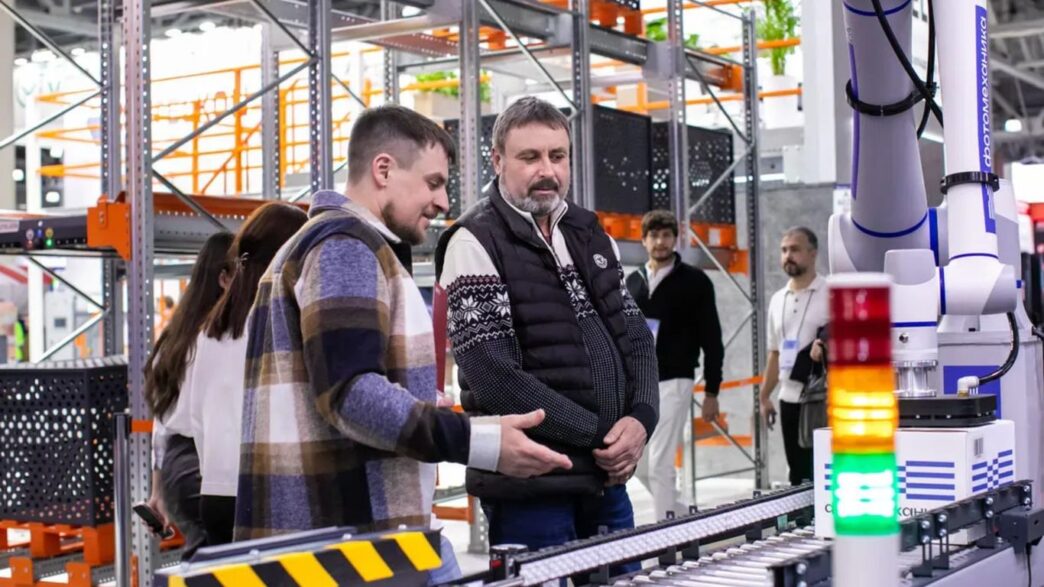
Robots are probably the most visible part of warehouse automation. You’ve got different kinds, too. Some are like helpful assistants, called ‘cobots’ (short for collaborative robots), that work alongside people on tasks like grabbing items or packing boxes. They’re designed to be safe around humans, which is a big deal. Then there are the Autonomous Mobile Robots, or AMRs. These guys are like little self-driving vehicles that zip around the warehouse on their own. They use sensors and cameras to see where they’re going, avoiding obstacles and people, and moving goods from point A to point B. They’re really changing how things get moved around without needing someone to drive them.
Automated Storage and Retrieval Systems (AS/RS)
These systems are all about making the most of warehouse space and getting items quickly. AS/RS uses things like robotic cranes or shuttles that move up and down aisles, storing and retrieving inventory automatically. It’s like having a super-organized, high-tech filing system for your products. This means less time spent searching for items and more efficient use of space, especially in warehouses where every square foot counts. They’re great for managing large amounts of stock.
Artificial Intelligence and Machine Learning Integration
This is where the ‘smart’ really comes in. AI and machine learning are the brains behind the operation. They look at all the data coming from the robots, sensors, and other systems to figure out the best way to do things. For example, AI can figure out the quickest routes for robots to take, predict when you’ll need more stock before you run out, or even spot potential problems before they happen. It’s all about making better decisions faster, based on what the data is telling them.
Transformative Benefits of Automated Warehouse Systems
So, what’s the big deal with all this automation in warehouses? It’s not just about shiny new robots; it’s about making things work way, way better. The biggest win is how much faster and more accurate everything becomes. Think about it: no more hunting around for misplaced items or spending ages counting boxes. Automation takes care of a lot of that grunt work.
Achieving Unprecedented Operational Efficiency
When you automate tasks like picking, packing, and moving goods, you cut down on the time it takes to get orders out the door. Robots and automated systems don’t need breaks, they don’t get tired, and they can work around the clock. This means your warehouse can handle a lot more volume without needing a massive increase in staff. Plus, systems can figure out the quickest routes for picking items, which saves a ton of time. It’s like having a super-organized crew that’s always on point.
Enhancing Inventory Accuracy and Control
Manual inventory counts are a pain and prone to mistakes. Automated systems, often using things like RFID tags or smart scanners, keep a constant, real-time track of what’s where. This means you always know exactly how much stock you have and where it is. No more surprise stockouts or having way too much of something sitting around collecting dust. This level of accuracy helps prevent lost sales and reduces the money tied up in excess inventory.
Here’s a quick look at how accuracy improves:
- Real-time Tracking: Every item’s location and quantity is updated instantly.
- Error Reduction: Significantly cuts down on miscounts and misplaced items.
- Predictive Replenishment: Systems can even predict when you’ll need more stock and flag it for reordering.
Significant Long-Term Cost Reductions
While setting up automation can cost a good chunk of change upfront, the savings over time are pretty substantial. You’ll see a big drop in labor costs because you won’t need as many people for repetitive tasks. There are also fewer errors, which means less money wasted on fixing mistakes or dealing with unhappy customers. Reduced damage to goods from careful handling by machines also adds up. Over the years, these savings can really make a difference to the bottom line.
Real-World Success with Automated Warehouse Systems
E-commerce Giants Leading the Charge
It’s no surprise that the biggest names in online shopping are also at the forefront of warehouse automation. Companies like Amazon have practically written the book on using robots and smart systems to handle massive order volumes. Think about it: when you order something online, there’s a whole automated ballet happening behind the scenes to get that package to your door quickly. Amazon, for instance, uses a fleet of robots that bring shelves of products directly to human pickers. This "goods-to-person" approach drastically cuts down on the time workers spend walking around the warehouse, making the whole process way faster and more efficient. They’ve seen huge gains in how quickly they can process orders, especially during those crazy holiday shopping seasons.
SMEs Embracing Scalable Automation Solutions
Now, you might think all this fancy automation is just for the mega-corporations, but that’s not the case anymore. Smaller and medium-sized businesses (SMEs) are finding ways to adopt these technologies too. The key here is scalability. Instead of needing a massive upfront investment, many companies are opting for modular systems that can grow with their business. This means they can start with a few automated guided vehicles or a basic automated storage system and add more as their needs increase. This allows them to compete with the bigger players by improving their own efficiency and reducing errors, without breaking the bank. It’s about smart, targeted automation that makes a real difference to their bottom line.
Logistics Leaders Optimizing Operations
Beyond just e-commerce, major logistics companies are also reaping the rewards of automation. Take DHL, for example. They’re using artificial intelligence (AI) in their smart warehouses to make everything run smoother. This isn’t just about robots moving boxes; it’s about using data to predict demand, optimize routes, and manage inventory with incredible precision. By integrating these advanced systems, they can handle more packages, reduce shipping errors, and get goods to their destinations faster. It’s a complex dance of technology and human oversight, all working together to keep the global supply chain moving.
Navigating Challenges in Automated Warehouse Systems Implementation
So, you’re thinking about bringing some serious automation into your warehouse. That’s awesome! It can really change the game. But, like anything big, it’s not always a smooth ride from the get-go. There are definitely a few hurdles you’ll want to be ready for.
Addressing High Upfront Investment Costs
Let’s be real, getting these fancy automated systems isn’t cheap. We’re talking about a big chunk of change to start with. Think of it like buying a really good tool – it costs more upfront, but it’s supposed to save you time and money in the long run. The trick is figuring out if the savings will actually add up.
| Cost Category | Estimated Range (USD) |
|---|---|
| Robotics & AGVs | $50,000 – $500,000+ |
| AS/RS Systems | $100,000 – $1,000,000+ |
| Warehouse Management Software | $10,000 – $100,000+ |
| Installation & Integration | 10-20% of System Cost |
It’s a lot, I know. But companies that have done it often find that the reduced labor costs, fewer errors, and faster processing times make it worth it over a few years. You’ve got to do your homework and crunch the numbers for your specific situation.
Ensuring Seamless System Integration
This is where things can get tricky. You’ve got your new automated gear, but it needs to talk to your existing systems – your inventory software, your shipping platforms, all that jazz. If they don’t play nice together, you’ll end up with more problems than you started with. It’s like trying to connect a new phone to an old charger; sometimes it just doesn’t fit right.
- Plan your integration carefully: Don’t just plug and play. Map out how everything needs to connect.
- Work with experienced vendors: Choose suppliers who have a good track record of integrating their systems with others. They often have solutions for common compatibility issues.
- Test, test, and test again: Before you go live, run plenty of tests to catch any glitches. It’s better to find problems in a controlled environment than when orders are piling up.
The Crucial Role of Workforce Training
Okay, so you’ve got robots doing some of the heavy lifting, but your team still needs to know what they’re doing. People might feel a bit nervous about new tech, and that’s understandable. They need to learn how to work alongside the machines, manage the systems, and handle the tasks that automation can’t do.
- Early and ongoing training: Start training your staff as soon as possible and keep it going. New features or updates will come along.
- Focus on new skills: Train your team on how to operate, maintain, and troubleshoot the automated systems. This can actually open up new career paths for them.
- Communicate openly: Talk to your employees about why the changes are happening and how it will benefit them and the company. Addressing their concerns can make a big difference.
The Future Trajectory of Automated Warehouse Systems
So, what’s next for warehouses? It’s not just about robots zipping around anymore, though that’s still a big part of it. We’re looking at a future where these systems get even smarter and more connected.
Advancements in AI and Predictive Analytics
Artificial intelligence is really stepping up its game. Think of it like having a super-smart assistant that can look at all your sales data, market trends, and even weather patterns to figure out exactly what you’ll need and when. This means warehouses can get much better at predicting demand. Instead of just reacting, they can get ahead of the curve, making sure the right products are in the right place before anyone even asks for them. This kind of forecasting helps businesses avoid having too much stock or running out of popular items. It’s all about making smarter decisions based on a lot of information.
The Rise of Fully Autonomous Warehouses
We’re moving towards warehouses that can run almost entirely on their own, sometimes called ‘dark warehouses’ because they don’t need much human light or presence. These places will use a combination of advanced robotics, AI, and other automated systems to handle everything from receiving goods to shipping them out. Humans will still be involved, but more in a supervisory or maintenance role, rather than doing the day-to-day physical tasks. This shift promises even higher levels of efficiency and speed, operating 24/7 without breaks.
Sustainability in Automated Logistics
As automation grows, so does the focus on being environmentally friendly. Future automated warehouses will likely incorporate more green practices. This could mean using energy-efficient robots, optimizing routes to cut down on travel time and emissions, and using smart systems to manage energy consumption within the facility. The goal is to make logistics more efficient without harming the planet. It’s about finding that balance between progress and responsibility.
The Road Ahead
So, where does all this leave us? It’s pretty clear that automated warehouses aren’t just a futuristic dream anymore; they’re here, and they’re changing how things get done. We’ve seen how robots, smart software, and AI are making warehouses faster, more accurate, and even safer. While there are definitely hurdles to jump, like the initial costs and getting everyone up to speed with new tech, the benefits really seem to outweigh the challenges. This shift is making supply chains work better, which means we all get our stuff quicker and with fewer mistakes. It’s an exciting time for logistics, and it looks like automation is the key to what’s next.