The way we approach healthcare is changing, and a big part of that is thanks to 3D printing. It’s not just for making toys anymore; this technology is now a serious tool in hospitals and labs. From making body parts that fit just right to helping surgeons plan tricky operations, 3D printing for healthcare is making a real difference in how patients are treated. We’re seeing more and more of it used every day, and it’s changing things for the better.
Key Takeaways
- 3D printing allows for custom medical solutions, like prosthetics and implants, made to fit each person perfectly.
- Doctors can use 3D-printed models of organs and bones to plan complex surgeries, leading to better results.
- The technology is paving the way for bioprinting tissues and even organs, which could change organ transplants.
- 3D printing can make medical devices faster and cheaper, making advanced tools more available.
- There are still challenges to overcome, like making sure everything is safe and follows rules, but the future of 3D printing for healthcare is bright.
Revolutionizing Patient Care Through 3D Printing
It feels like just yesterday that 3D printing was this futuristic thing you only saw in sci-fi movies. Now, it’s actually changing how doctors and hospitals take care of people. We’re talking about making things that are perfectly suited for one single patient, which is a pretty big deal.
Personalized Medical Solutions Tailored to Unique Needs
Think about it: everyone’s body is different, right? So why should medical treatments or devices be one-size-fits-all? 3D printing lets us create things that are made just for you. This could be anything from a custom-fit brace to a specific part for a medical tool. This level of personalization means better comfort, better function, and ultimately, better results for the patient. It’s like having a tailor for your medical needs.
Enhancing Surgical Planning with Anatomical Models
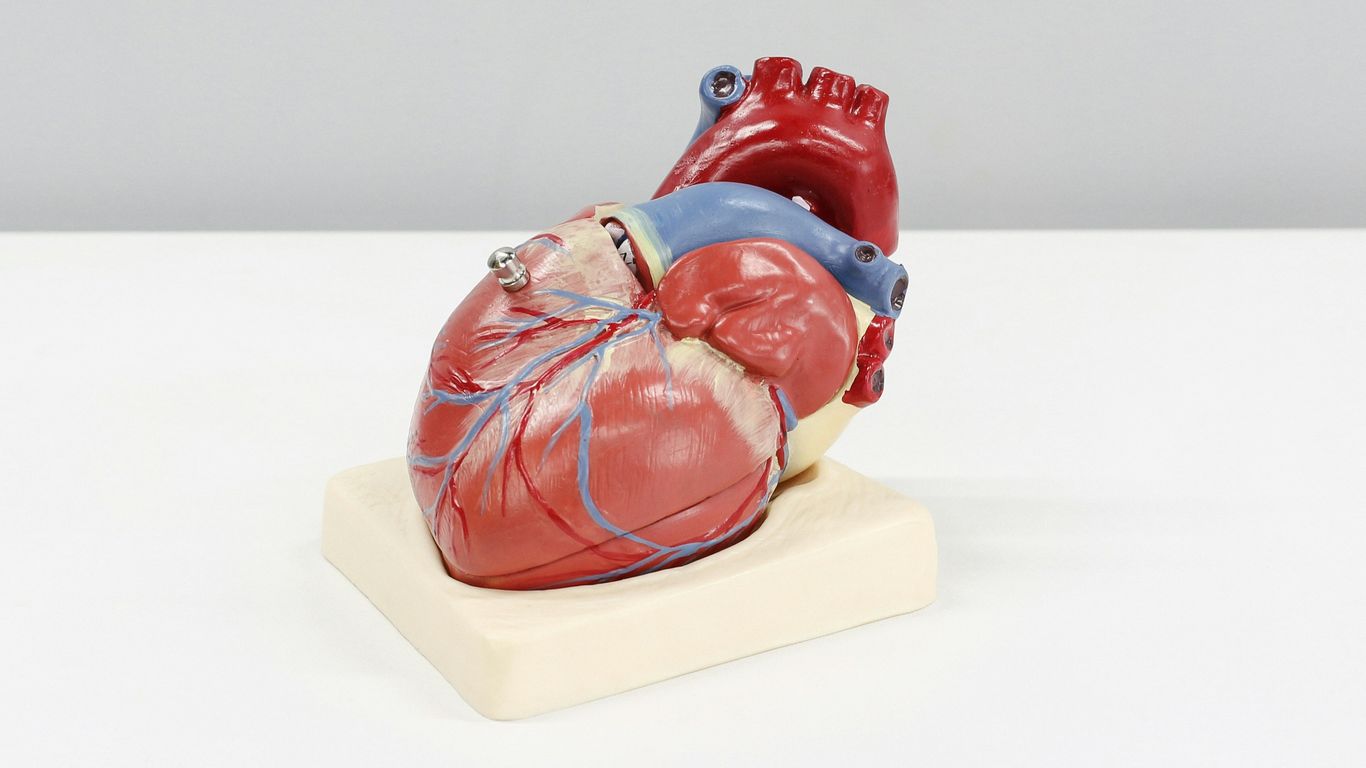
Surgeons used to have to rely on flat scans to figure out tricky operations. Now, they can get a 3D printed model of a patient’s actual anatomy – like a heart or a bone structure – right in their hands. This lets them see exactly what they’re dealing with before they even step into the operating room. They can practice the surgery on the model, figure out the best approach, and spot potential problems ahead of time. This makes complex surgeries much safer and can even shorten the time spent in surgery.
Customized Prosthetics and Implants for Improved Functionality
For people who need prosthetics or implants, getting something that fits perfectly and works well is super important. Traditional methods can be slow and might not always get the fit just right. With 3D printing, we can make prosthetics that are molded exactly to a person’s body, making them more comfortable and easier to use. The same goes for implants; they can be designed to fit precisely where they need to go. This means:
- Better Fit: Prosthetics and implants are made to match the patient’s exact measurements.
- Improved Comfort: A good fit reduces irritation and makes the device more comfortable for daily wear.
- Enhanced Functionality: When a device fits perfectly, it works better, allowing for more natural movement and use.
- Faster Production: Custom items can often be made more quickly than with older methods.
Advancements in 3D Printing for Healthcare Applications
It’s pretty wild how much 3D printing is changing things in medicine, right? We’re not just talking about making plastic trinkets anymore. The technology is really pushing boundaries, especially when it comes to creating things that are super specific to each person or even to biological functions. This is where the real game-changers are happening.
Bioprinting Tissues and Organs for Regenerative Medicine
This is probably the most futuristic-sounding part, but it’s actually becoming a reality. Bioprinting uses specialized "bio-inks" – which are basically living cells mixed with a supportive material – to build up tissues layer by layer. Think of it like printing a tiny, living structure. Researchers are working on printing skin grafts for burn victims, cartilage for damaged joints, and even more complex structures. The ultimate goal, of course, is to print functional organs for transplantation. Imagine a future where waiting lists for organ donors are a thing of the past because we can print a replacement organ on demand. It’s a huge undertaking, involving complex cell biology and engineering, but the progress is undeniable. This could completely change how we treat organ failure and injuries.
Custom Pharmaceuticals for Precise Drug Delivery
We all know that medications don’t affect everyone the same way. 3D printing offers a way to create pills that are tailored to an individual’s needs. This means printing pills with specific dosages, or even multiple medications combined into a single pill, designed to release at different times within the body. This level of customization can lead to more effective treatments and fewer side effects. For example, a doctor could prescribe a pill printed with a precise dose for a child, or a complex combination therapy for a patient with multiple chronic conditions. It’s about making sure patients get exactly what they need, when they need it, in the most effective way possible. This approach is a big step towards truly personalized medicine.
Innovations in Dental Applications and Medical Devices
Dentistry has been an early adopter of 3D printing, and for good reason. Dentists can now print highly accurate models of a patient’s teeth right in their office, which speeds up the process for creating crowns, bridges, and aligners. This means fewer trips to the lab and quicker treatment for patients. Beyond dental, think about all the other medical devices out there. From custom-fit hearing aids to specialized surgical instruments, 3D printing allows for rapid prototyping and on-demand production. This makes it easier to create devices that are perfectly suited to a patient’s anatomy or a surgeon’s specific needs. It’s also making these kinds of customized solutions more accessible, which is a win for everyone involved.
Real-World Impact of 3D Printing in Medical Settings
It’s pretty amazing to see how 3D printing is actually being used in hospitals and clinics right now, not just in theory. We’re talking about real patient care getting better because of this tech.
Mayo Clinic’s Use in Complex Surgical Planning
The folks at the Mayo Clinic have been using 3D printing to get a better handle on super tricky surgeries. They print out exact copies of a patient’s anatomy – like a heart or a bone structure – from scans. This lets surgeons really get a feel for what they’re up against before they even step into the operating room. This kind of preparation can seriously cut down on surgery time and lead to better results for patients. They even used it for planning a really complicated surgery to separate conjoined twins, which was a huge success.
Northwestern University’s Tissue Engineering Breakthroughs
Over at Northwestern University, researchers are doing some wild stuff with 3D printing for regenerative medicine. They’re creating scaffolds, which are like tiny support structures, that can help grow new tissues. They even managed to 3D print an ovary that, when put into mice, actually allowed them to have babies. It sounds like science fiction, but it’s a big step towards potentially helping people with certain reproductive issues down the line.
Veterans Health Administration’s Custom Prosthetics Initiative
The Veterans Health Administration (VHA) has also jumped on board, using 3D printing to make custom prosthetic limbs for veterans. Instead of a one-size-fits-all approach, they can create prosthetics that are perfectly molded to each veteran’s body. This means a much better fit and improved function. Plus, it’s way faster and cheaper than the old methods. It’s not just about the limb itself, but about giving veterans back their confidence and improving their daily lives. This technology is making it easier to get these essential devices to those who need them.
Here’s a quick look at how it’s changing things:
- Personalized Fit: Prosthetics are now made specifically for each individual’s anatomy.
- Reduced Wait Times: Custom devices can be produced much faster.
- Improved Functionality: Better fit often leads to better use and comfort.
- Cost Savings: On-demand production can lower overall expenses.
The Expanding Role of 3D Printing in Medical Manufacturing
It’s pretty wild how fast 3D printing is changing how we make things in hospitals and labs. We’re not just talking about a few fancy gadgets anymore; this technology is becoming a real workhorse for producing all sorts of medical stuff. The ability to create items on demand, exactly when and where they’re needed, is a game-changer.
Speed and Efficiency in Medical Device Production
Think about it: instead of waiting weeks or months for a specialized part or device, you can often print it right there. This cuts down on lead times significantly. For example, creating custom surgical guides or even certain types of implants can now happen much faster. This speed means less downtime for patients and quicker turnaround for medical professionals. It’s about making the whole process smoother and more responsive.
Cost Reduction Through On-Demand Manufacturing
This on-demand approach also helps with costs. You’re not stocking huge inventories of parts that might become obsolete or never get used. You print what you need, when you need it. This is especially helpful for rare or highly specialized items. It means less waste and a more efficient use of resources. For smaller clinics or research labs, this can make advanced tools and custom solutions much more accessible than before. You can find some versatile 3D printers for medical use that are surprisingly affordable now.
Democratizing Access to Advanced Medical Tools
Because 3D printing can be more cost-effective and doesn’t always require massive industrial setups, it’s opening doors. Smaller hospitals, clinics in remote areas, and even educational institutions can now produce custom medical tools and models that were once only available at major medical centers. This helps level the playing field, allowing more people to benefit from cutting-edge medical technology. It’s about making sure that advanced care isn’t limited to just a few places. This technology is really helping to spread the availability of personalized medical solutions [f8ee].
Navigating Challenges in 3D Printing for Healthcare
While 3D printing is really changing how we do things in medicine, it’s not all smooth sailing. There are some pretty big hurdles we need to get over before it’s a standard part of every hospital. Think of it like building a new road – you need to make sure it’s safe, strong, and that everyone knows how to use it properly.
Ensuring Regulatory Compliance and Safety Standards
One of the biggest headaches is making sure everything printed is safe and works as it should. Regulatory bodies, like the FDA here in the US, have a lot of rules to keep patients protected. These rules cover everything from the materials used to how the device is made and tested. It’s a complex system, and as 3D printing technology keeps getting better, the rules have to keep up. This means a lot of careful checking and testing.
- Material Approval: Getting the "okay" for new materials that are safe to put inside the body.
- Quality Control: Making sure every single item printed meets the same high standards, no matter how many you make.
- Device Performance: Proving that the printed part will function correctly and reliably over time.
Addressing Material Durability and Biocompatibility
We’re getting better at making materials for 3D printing, but there’s still work to do. We need materials that can handle being used in the body, whether it’s a temporary implant or a permanent prosthetic. They also need to be "biocompatible," meaning they don’t cause bad reactions with the body. Researchers are working hard on new "bio-inks" for printing tissues and advanced plastics for implants. But making sure these materials last and work well inside a person for years is a tough puzzle to solve.
Ethical Considerations in Medical Additive Manufacturing
Beyond the technical stuff, there are also some ethical questions we need to think about. Who is responsible if something goes wrong with a 3D-printed device? How do we make sure these advanced tools are available to everyone, not just those who can afford them? And as we get closer to printing actual tissues and organs, what are the moral lines we shouldn’t cross? These aren’t easy questions, and they require careful thought from doctors, engineers, ethicists, and the public alike.
The Future of 3D Printing in Transforming Healthcare
The Promise of Bioprinted Organs and Tissues
Imagine a world where organ transplant waiting lists are a thing of the past. That’s the kind of future bioprinting is working towards. We’re talking about using a patient’s own cells to print replacement tissues and even whole organs. This isn’t science fiction anymore; it’s becoming a real possibility. It could mean an end to organ rejection issues and a massive improvement in how we treat organ failure. Think about it – printing a new kidney or a section of liver right when it’s needed. It’s a game-changer for regenerative medicine.
AI and Robotics Enhancing Precision Fabrication
To really make these advanced medical tools work, we need incredible precision. That’s where artificial intelligence (AI) and robotics come in. AI can help design the perfect implant or tissue structure based on a patient’s specific needs, analyzing complex data way faster than any human could. Then, robots can execute these designs with pinpoint accuracy, layer by layer. This combination means we can create incredibly complex and personalized medical devices that were simply impossible before. It’s like having a super-smart designer and a super-steady hand working together.
Personalized Medicine and Future Treatment Modalities
Looking ahead, 3D printing is set to make medicine truly personal. We’re already seeing custom prosthetics and surgical guides, but it goes much further. Think about custom medications, printed with the exact dosage and release rate needed for you. Or, imagine printing custom patches that deliver drugs directly to a specific spot in the body. This level of personalization means treatments will be more effective and have fewer side effects. The future of healthcare is about tailoring treatments to the individual, and 3D printing is a key technology making that happen.
Here’s a quick look at what’s on the horizon:
- Bioprinting: Moving from simple tissues to complex organs like hearts and lungs.
- Custom Pharmaceuticals: Pills and drug delivery systems designed for individual patient needs.
- Advanced Implants: Highly customized implants that integrate perfectly with the body.
- On-Demand Devices: Printing medical tools and equipment right where and when they are needed, even in remote locations.
Looking Ahead
So, it’s pretty clear that 3D printing isn’t just a passing trend in medicine; it’s really changing things. We’ve seen how it helps surgeons plan tricky operations, makes custom parts for people who need them, and even opens doors to growing new tissues. While there are still some hurdles to jump, like making sure everything is safe and approved, the potential is huge. We’re talking about treatments that fit each person perfectly, faster ways to get what patients need, and maybe even solving big problems like organ shortages down the road. It feels like we’re just scratching the surface of what’s possible, and that’s pretty exciting for everyone involved in healthcare.
Frequently Asked Questions
What exactly is 3D printing in medicine?
Think of 3D printing in medicine like using a special printer to build real body parts or medical tools layer by layer from a digital design. It’s a way to make custom things for patients, like fake limbs, models of organs for doctors to practice on, or even parts for new teeth.
How does 3D printing help doctors plan surgeries?
Doctors can take scans of a patient’s body, like an X-ray or MRI, and use them to print a real-life model of that body part, such as a heart or a bone. This lets surgeons see exactly what they’re dealing with and plan the best way to do the operation before they even go into the operating room, which can make surgery safer and quicker.
Can 3D printing make fake limbs (prosthetics) better?
Yes! Instead of using standard sizes, 3D printing can create fake limbs that fit a person perfectly. This means they can be more comfortable, work better, and help people get back to their daily activities more easily. It’s like getting a custom-made shoe, but for your arm or leg.
What is ‘bioprinting’?
Bioprinting is a super cool type of 3D printing where scientists use special ‘bio-inks’ made of living cells. They are working on printing simple tissues, and the big dream is to one day print whole organs, like kidneys or livers, that could be used for transplants. This could help people who are waiting for an organ.
Is 3D printing in hospitals safe and approved?
Making sure 3D printed medical items are safe is really important. There are rules and checks that need to be followed, just like with any other medical equipment. Scientists and doctors are working hard to make sure the materials used are safe for the body and that the printing process is reliable.
Will 3D printing make healthcare cheaper?
In some ways, yes! Making custom items one at a time can sometimes be cheaper than making them in big factories. Also, hospitals might be able to print some tools they need right there, saving money on shipping and waiting. It can also help make advanced medical tools available in more places.